

Mother of Pearl vs Gold Gifting has become a real discussion among brands, procurement teams, and corporate gift buyers who want their gifts to communicate more than just monetary value. In the past, gold and glass were seen as default choices for premium gifts. However, modern business relationships demand a more thoughtful approach.
Today, companies are judged not only by how much they spend, but also by what their gifts say about their values. As a result, unique corporate gift materials, sustainability narratives, and emotional impact matter more than ever. Mother of Pearl, with its natural beauty and craftsmanship, is emerging as a powerful alternative that aligns with these expectations.
This article explores five key reasons why Mother of Pearl consistently outshines gold and glass in luxury corporate gifting.
Contents
- 1. The “Organic Uniqueness” Trick: One-of-a-Kind Patterns vs. Mass Production
- 2. The Subtle Prestige: Why “Quiet Luxury” Wins in Modern Business
- 3. The “Lustre vs. Shine” Factor: Engaging the Senses Beyond Reflection
- 4. The Sustainability Narrative: Natural Origin as a Gift-Worthy Asset
- 5. The Emotional Weight: Turning a Gift into a Lasting Heirloom
1. The “Organic Uniqueness” Trick: One-of-a-Kind Patterns vs. Mass Production
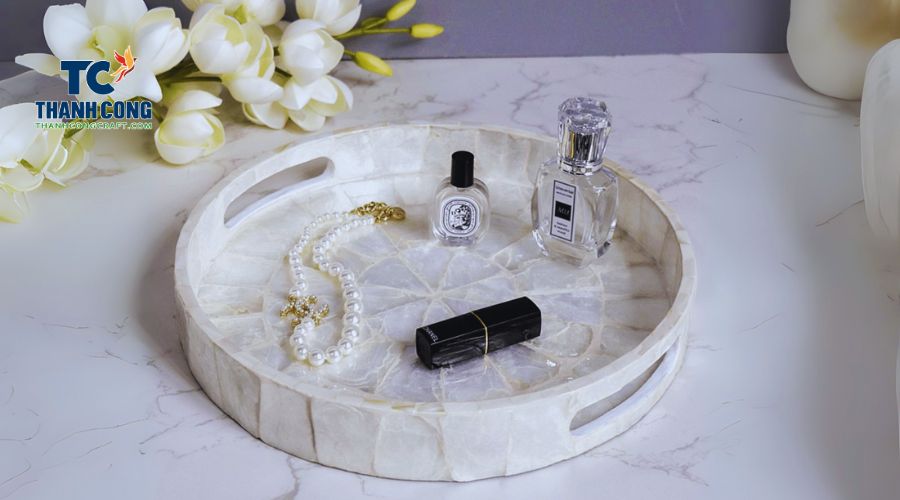
Mother of Pearl vs Gold Gifting becomes immediately clear when we look at how each material is created. Gold and glass can be melted, molded, and reproduced endlessly, resulting in products that often look identical. In contrast, Mother of Pearl is formed naturally over time inside living shells, and no two patterns are ever the same.
This organic uniqueness is not a small detail. Each layer of nacre is shaped by ocean conditions, time, and natural movement. As a result, every Mother of Pearl surface carries its own character, texture, and light behavior. This makes each gift feel genuinely one of a kind.
From a B2B perspective, this difference has strong emotional impact. Corporate recipients are increasingly sensitive to gifts that feel generic or industrial. When a gift looks mass-produced, it sends an unintended message that the relationship itself may also be transactional. Mother of Pearl avoids this problem by visually communicating individuality.
For companies investing in high-end brand differentiation, this uniqueness supports a bespoke narrative without requiring full customization. Even when produced at scale, Mother of Pearl items still feel personal. This is especially valuable for executive gifting, client appreciation, and long-term partnership recognition.
2. The Subtle Prestige: Why “Quiet Luxury” Wins in Modern Business
Mother of Pearl vs Gold Gifting also reflects a shift in how luxury is perceived in professional environments. Gold often communicates wealth very directly, sometimes too directly. In certain business cultures, it can feel heavy, flashy, or even uncomfortable.
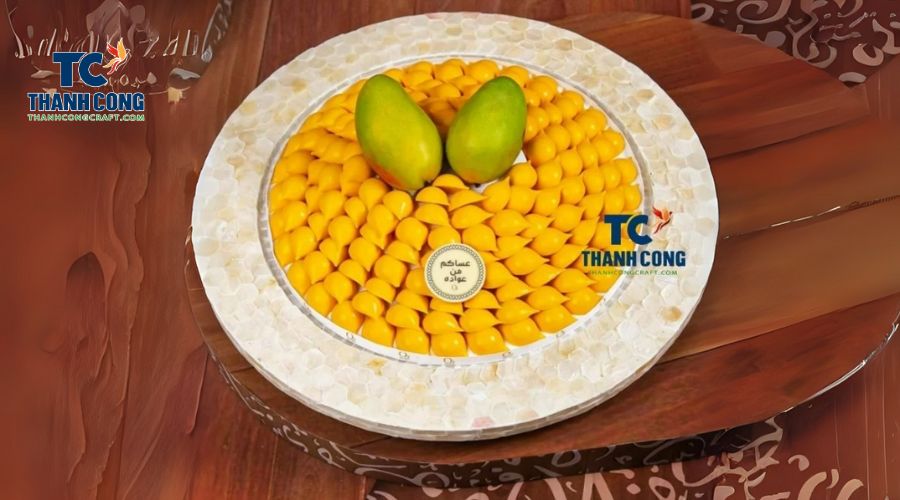
Mother of Pearl represents the opposite approach, often described as quiet luxury. Instead of shouting value, it whispers refinement. Its soft glow and understated elegance align perfectly with modern business etiquette, where sophistication matters more than display.
The visual trick lies in how Mother of Pearl handles light. Rather than sharp reflection, it produces a calm, layered glow that feels deep and controlled. This sends a message of confidence and maturity—qualities that resonate strongly in senior-level partnerships and diplomatic business relationships.
For luxury corporate gifting, quiet luxury reduces risk. A gift that is too bold can be misinterpreted, while Mother of Pearl remains universally acceptable across cultures and industries. This makes it a safer yet more meaningful choice for international B2B gifting.
See more: Which Interior Styles Pair Best with Mother of Pearl Trays?
3. The “Lustre vs. Shine” Factor: Engaging the Senses Beyond Reflection
Mother of Pearl vs Gold Gifting becomes especially interesting when comparing how these materials interact with human perception. Glass and polished metal rely on surface reflection. They shine outward, bouncing light back immediately.
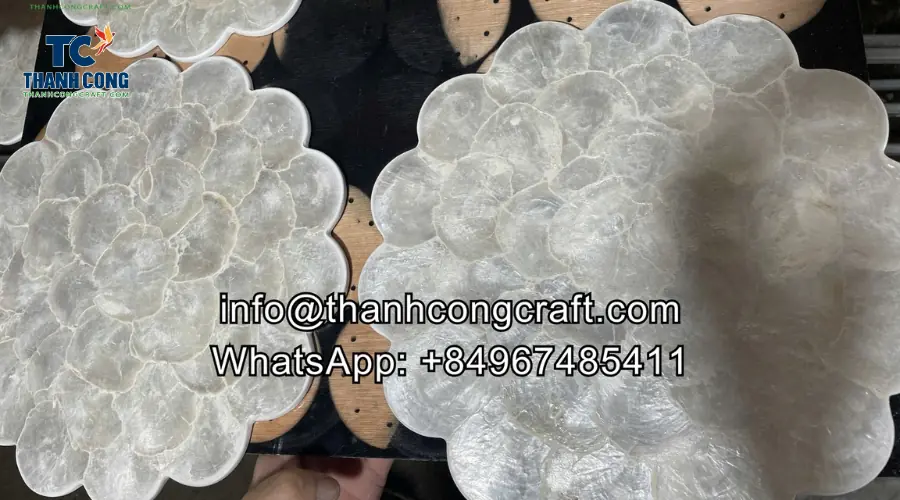
Mother of Pearl behaves differently. Its beauty comes from lustre, not shine. Lustre is light that seems to come from within the material itself. This effect is created by microscopic layers of nacre stacked over time.
The visual trick here is called depth of material. When someone looks at Mother of Pearl, their eyes naturally adjust to explore the subtle layers of color and movement. This causes the recipient to hold the object longer, examine it more closely, and engage with it more deeply.
In gifting psychology, time equals emotional value. The longer someone interacts with a gift, the more meaningful it becomes. Gold and glass may impress instantly, but Mother of Pearl invites contemplation. This sensory engagement strengthens emotional value in gifting.
For B2B brands, this deeper interaction helps gifts leave a lasting impression without overwhelming the recipient.
4. The Sustainability Narrative: Natural Origin as a Gift-Worthy Asset
Mother of Pearl vs Gold Gifting also highlights a growing concern among corporate buyers: sustainability. Gold mining involves heavy environmental impact, while glass production requires extremely high temperatures and energy consumption.
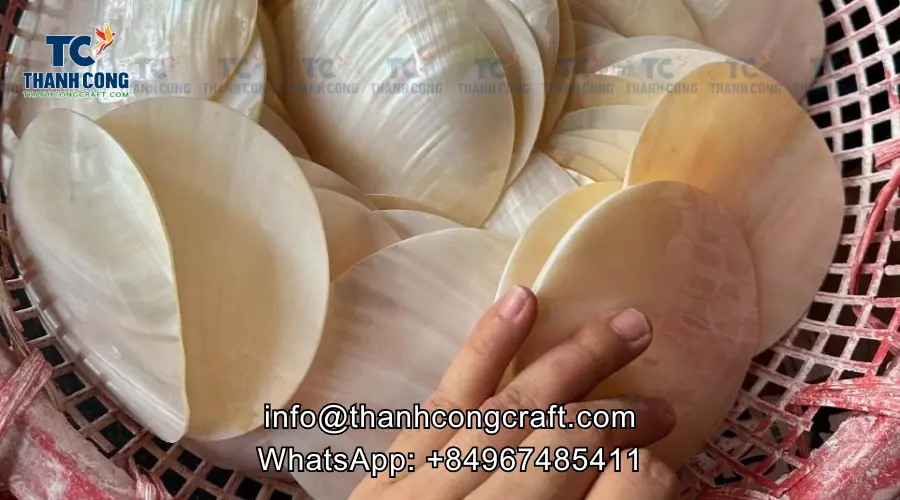
Mother of Pearl, by contrast, is a natural byproduct of marine life. When sourced responsibly, it aligns well with sustainable luxury aesthetics and environmental responsibility. This makes it particularly attractive for companies focused on ESG commitments.
In modern B2B gifting, sustainability is no longer optional. Many organizations now evaluate gifts based on how well they reflect corporate values. Choosing Mother of Pearl allows companies to communicate environmental awareness without sacrificing elegance.
This sustainability narrative is especially important in diplomatic gifting, international partnerships, and brand collaborations where reputation matters. A gift made from natural materials sends a message of care, balance, and long-term thinking.
Uncover more: Will Mother of Pearl Inlay Fade, Crack, or Discolor Over Time?
5. The Emotional Weight: Turning a Gift into a Lasting Heirloom
Mother of Pearl vs Gold Gifting ultimately comes down to emotional weight. Gold is often evaluated by price. Glass is admired for design but feared for fragility. Mother of Pearl, however, is appreciated as craftsmanship.
Because of its durability and timeless beauty, Mother of Pearl gifts are often kept, displayed, and reused. Over time, the surface becomes even smoother and more luminous, symbolizing continuity and growth. This makes it ideal for long-term business relationships.
The visual trick here is longevity. While glass can break and gold can be sold, Mother of Pearl becomes a keepsake. It holds memories rather than monetary value. In B2B gifting, this emotional permanence is powerful.
For companies aiming at high-end brand differentiation, gifts that last beyond the moment create deeper connections. They remind recipients not only of the brand, but of the relationship itself.
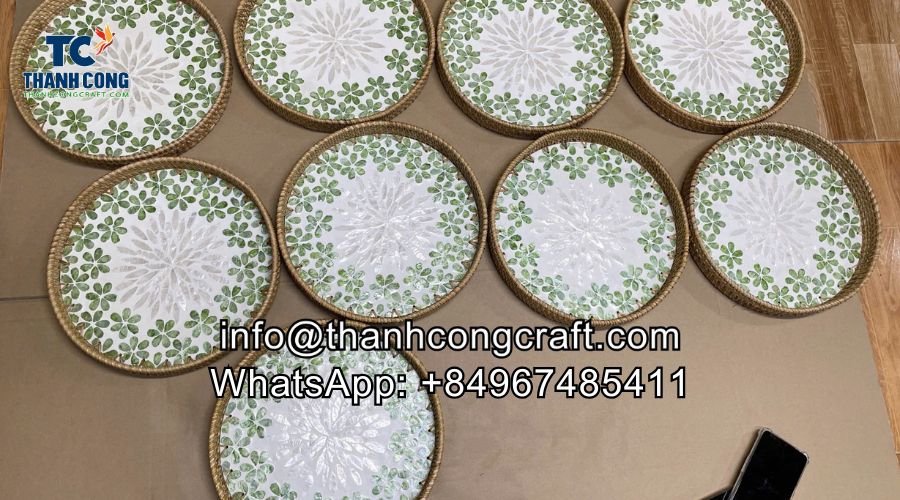
Reach out to us today to learn more about our products or to place a wholesale order. We look forward to connecting with you!
- Thanh Cong Handicraft Co., Ltd
- Email: [email protected]
- Tel/WhatsApp: +84967485411
Explore our Products Collection for more choices! Contact Us!


