

The phrase “abalone vs mother of pearl” is more than a comparison—it’s a decision between two captivating materials that shape the essence of luxury craftsmanship. Shell inlay has long been a hallmark of high-end design, from jewelry to furniture, offering iridescent depth and timeless appeal. Yet, abalone and mother of pearl differ significantly in their appearance, handling, sourcing, and impact on brand identity. This guide will help luxury product designers and B2B buyers understand both options—clarifying where each shines, and how to choose the shell inlay that elevates your creations.
Contents
1. Understanding Abalone vs Mother of Pearl: Origins & Composition
1.1 What Is Abalone?
Abalone refers to large marine gastropods, mostly found in cold coastal waters like New Zealand, South Africa, and California, where their ear-shaped shells reveal thick, iridescent layers. The striking blues, greens, and purples are the result of nacreous structure unique to Haliotis species.
1.2 What Exactly Is Mother of Pearl?
Known scientifically as nacre, mother of pearl is an organic–inorganic composite forming the inner lining of many mollusc shells—including oysters, mussels, and even abalone. Its gentle, cream-to-silver sheen accounts for its pervasive use in decorative objects and jewelry.
1.3 Key Differences in Origin and Availability
While abalone is a specific species-based shell with limited availability, mother of pearl can be sourced from multiple molluscs, making it more abundant and somewhat less expensive This distinction affects supply chains and cost planning for luxury brands.
You might also like:Handcraft a Mother of Pearl Tray – Complete Artisan Guide
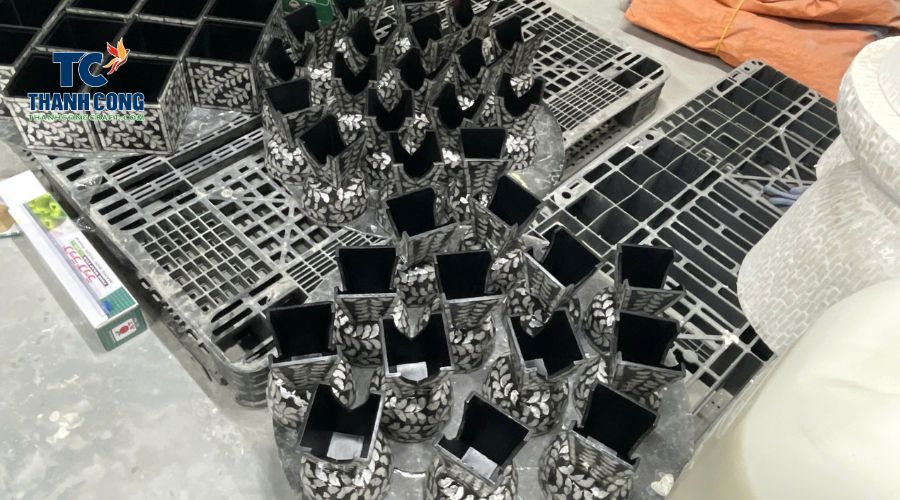
2. Aesthetic Comparison: Color, Pattern & Visual Impact
2.1 Color and Iridescence
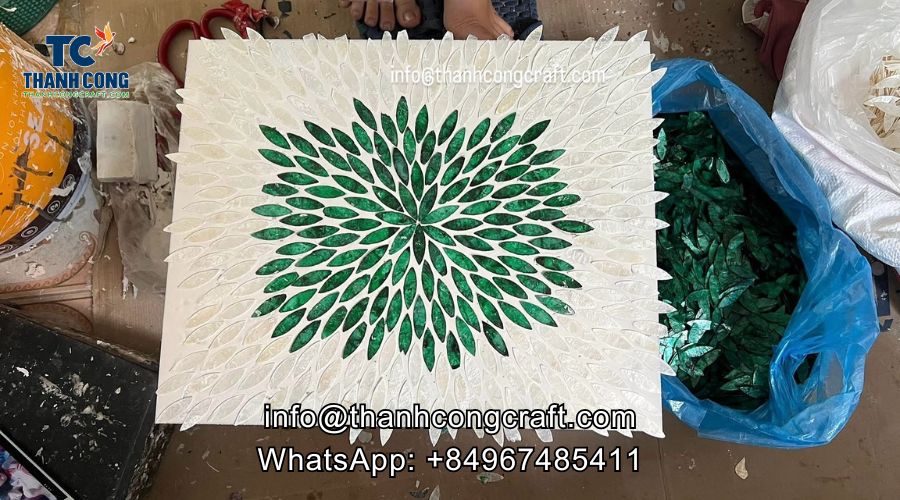
When it comes to color, abalone is truly nature’s showstopper. Its surface dances with vibrant rainbow tones—deep ocean blues, emerald greens, flashes of purple, and even hints of gold. This dazzling iridescence shifts and changes as the light moves, creating a sense of energy and movement that makes abalone impossible to ignore. Mother of pearl, on the other hand, offers a completely different kind of beauty. Instead of dramatic bursts of color, it radiates a soft, luminous glow. The palette is often composed of creamy whites, gentle ivories, and pastel shades, giving it a serene, elegant charm. While abalone demands attention, mother of pearl invites a closer, more intimate appreciation.
2.2 Pattern Complexity and Surface Texture
Abalone’s patterns are wild, organic, and free-flowing—like miniature ocean currents frozen in time. Its natural swirls and intricate waves make every piece unique, which is why artists and designers often use it for bold, statement-making projects. The surface is subtly textured, adding a tactile quality that complements its visual drama. Mother of pearl, in contrast, is all about refinement. Its texture is smooth and even, with gentle variations that create depth without overwhelming the eye. This consistency gives it a timeless sophistication, making it easy to integrate into designs that require a polished and harmonious look.
2.3 Light Interaction and Visual Presence
One of the most striking differences between these two materials is how they interact with light. Abalone shimmers boldly even from a distance, catching the eye immediately and holding it there. Its reflective qualities make it a natural focal point for any piece—whether it’s an ornate jewelry pendant or a luxury guitar inlay. Mother of pearl’s relationship with light is quieter and more nuanced. It glows softly when illuminated, revealing delicate color shifts that are best appreciated up close or in subtle lighting. This understated quality makes it ideal for designs that aim to exude grace without overwhelming the senses.
Read next: Top 5 Mother-of-Pearl Gift Items from ThanhCongCraft
3. Durability, Workability, and Practical Considerations
3.1 Hardness & Craft Handling
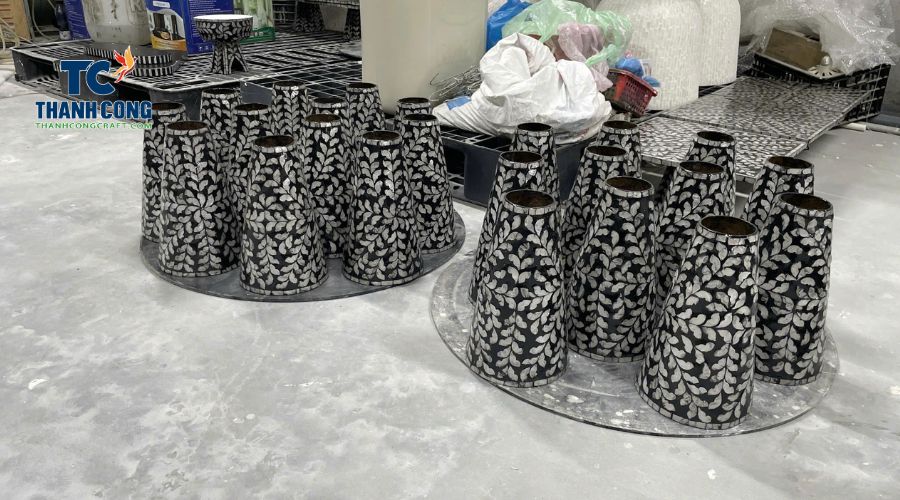
Mother of pearl, with its dense nacre structure, tends to resist cracking and is easier to thin for delicate inlays. Abalone’s brittle texture demands careful handling—especially during intricate cutting.
3.2 Resistance to Environment
Both shells need protection from harsh chemicals and UV exposure. Abalone may fade more rapidly without seals, whereas mother of pearl generally retains its luster longer with minimal care.
3.3 Care and Cleaning Tips
Recommended methods include wiping with a soft damp cloth. Avoid abrasive cleaners and direct heat. Provide reapplication protocols if resin or sealants are used.
3.4 Compatibility with Materials
Both abalone and mother of pearl can be inlaid into wood, metal, resin, or ceramic substrates. Match the shell thickness and flexibility to the base material for seamless integration.
Explore:5 Elegant Living Room Decor Ideas to Elevate Your Space
4. Price, Supply Trends & Market Dynamics
4.1 Pricing Drivers
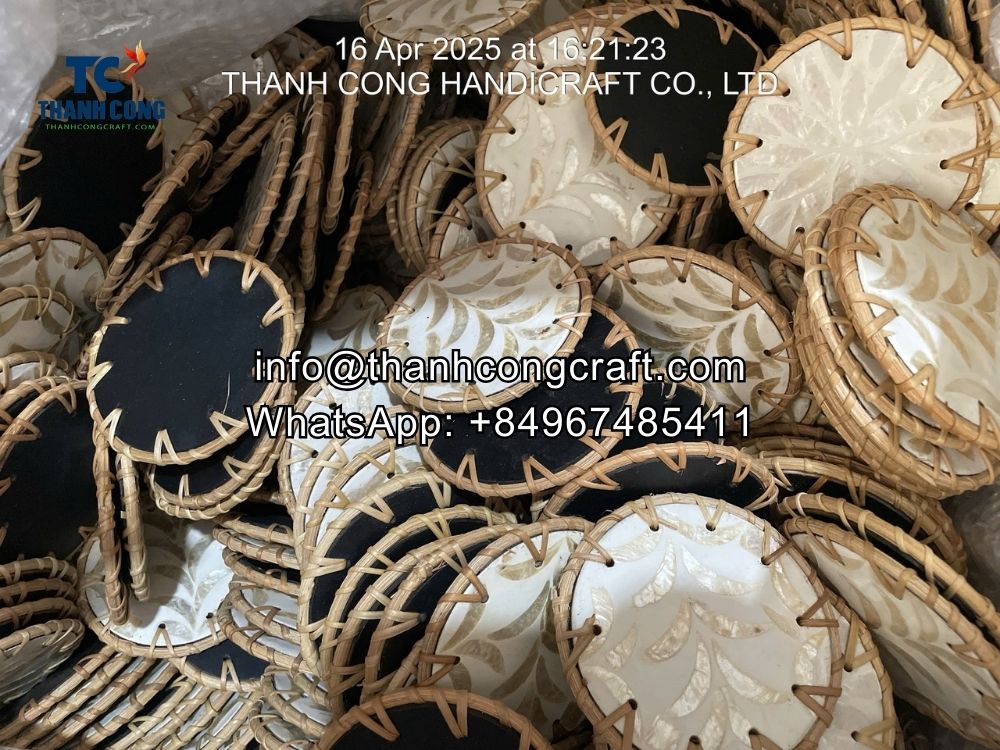
Abalone commands higher prices due to its rarity and vibrant aesthetics. Mother of pearl, being more widespread, is more accessible while still offering a luxurious finish
4.2 Global Availability
Abalone is regionally harvested and often regulated for conservation. Mother of pearl benefits from multiple mollusc sources globally, leading to stable supply availability.
4.3 Demand Trends in Luxury Sectors
Both materials are trending upward in jewelry and design, with abalone favored for bold, contemporary pieces, and mother of pearl appealing to minimalist and classic luxury markets
4.4 Balancing Cost with Aesthetic Goals
For budget-conscious luxury buyers, mother of pearl offers elegance with affordability. Those targeting ultra-premium or niche markets may invest in abalone for exclusivity and visual drama.
Related reading: How to Identify Genuine Mother-of-Pearl Inlay and Counterfeit Products

5. Strategic Choice: Matching Shell to Brand & Product
5.1 Aligning Material with Brand Identity
Brands aiming for dramatic flair and modern luxury may prefer abalone. Heritage luxury or minimalist brands will lean toward mother of pearl for its refined glow.
5.2 By Industry — Tailored Applications
-
Jewelry & luxury tech: abalone for bold pieces, mother of pearl for classic accents.
-
Furniture & décor: mother of pearl enables durable, graceful inlays, while abalone enhances statement features.
5.3 Blending Both for Contrast and Depth
Artisans often combine abalone and mother of pearl to create contrasting effects—bold against soft—for multi-dimensional inlay craftsmanship
5.4 Ethical Sourcing & Supplier Selection
Prioritize suppliers with sustainability certifications and transparent sourcing. Abalone and nacre are often byproducts of harvested or farmed molluscs and can align with eco-conscious strategies
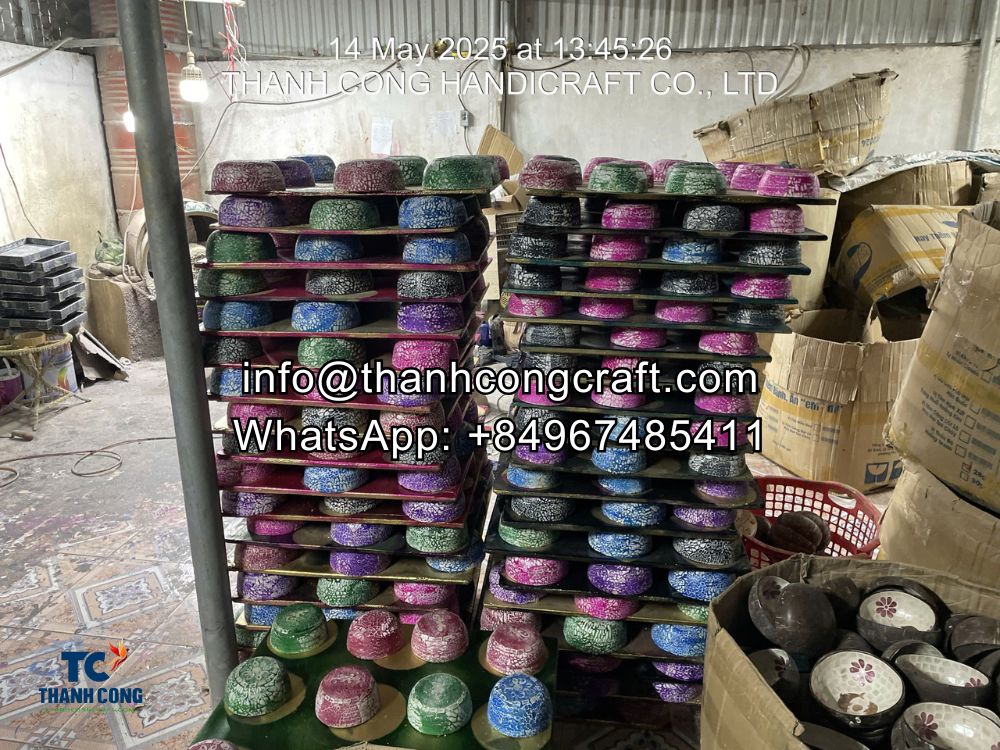
Reach out to us today to learn more about our products or to place a wholesale order. We look forward to connecting with you!
- Thanh Cong Handicraft Co., Ltd
- Email: [email protected]
- Tel/WhatsApp: +84967485411
Explore our Products Collection for more choices! Contact Us!


