

Bamboo products have become symbols of modern sustainability. From reusable cutlery to stylish home furniture, bamboo is now marketed as an eco-friendly alternative to plastic and wood. Yet the question remains: Are bamboo products truly better for the environment, or just another green marketing trend?
This in-depth article explores bamboo’s environmental footprint, lifecycle, and social value — from how it grows to how it impacts global trade and climate goals. It also examines what importers, retailers, and consumers should know before labeling bamboo as the “perfect” sustainable material.
Contents
1. Understanding Bamboo as a Renewable Resource
1.1 The Biology Behind Bamboo’s Rapid Growth
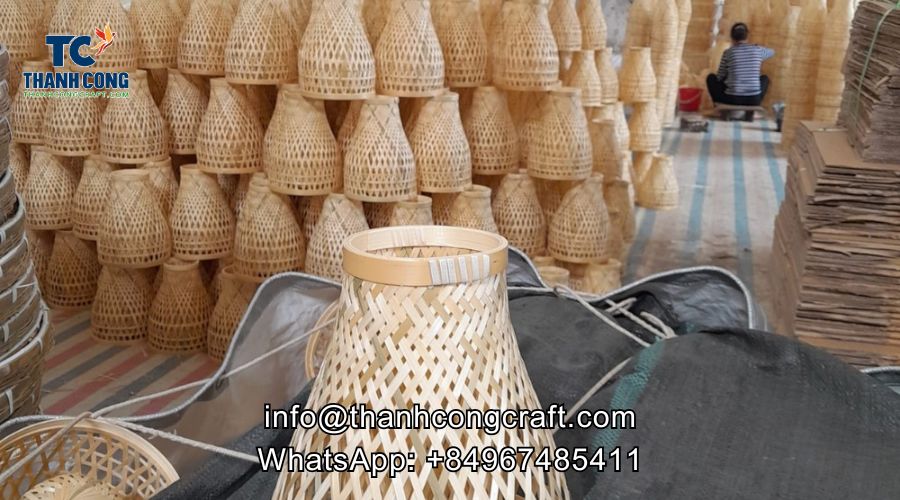
Bamboo grows faster than almost any other plant on Earth. Certain species can reach maturity in three to five years, compared to hardwood trees that take decades. Once harvested, bamboo regenerates from its root system without replanting — an essential reason it’s labeled renewable.
This natural regrowth process means bamboo doesn’t contribute to deforestation, a major environmental advantage compared to logging for timber or paper production.
1.2 Minimal Farming Inputs
Unlike cotton or synthetic materials, bamboo requires no pesticides, chemical fertilizers, or artificial irrigation in most climates. This makes it less resource-intensive and more eco-efficient to cultivate.
In Vietnam, Thailand, and China, farmers often grow bamboo in mixed agroforestry systems, allowing biodiversity to thrive while supporting rural economies.
1.3 Natural Carbon Sequestration
Every bamboo grove acts as a carbon sink. Mature bamboo plants can absorb up to 12 tons of CO₂ per hectare per year, helping offset industrial emissions. Since bamboo grows continuously, it captures carbon faster than slow-growing hardwood species.
Learn how: What Happens When Bamboo Products Get Wet?
2. The Environmental Impact of Bamboo Products
2.1 The Life Cycle Advantage
When assessing whether bamboo products are environmentally better, we must consider their entire life cycle — from growth to disposal. In most cases, bamboo wins over plastic and metal due to its:
-
Low energy production requirements
-
Biodegradability after disposal
-
Renewable sourcing and natural regeneration
However, sustainability depends on how bamboo is processed and finished.
2.2 The Manufacturing Process
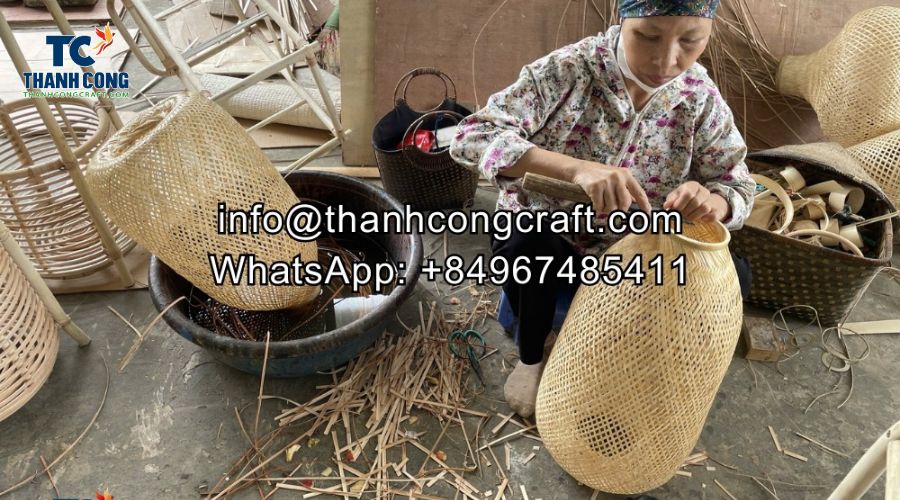
Raw bamboo must be dried, split, and treated to resist insects and moisture. Traditional Vietnamese and Indonesian artisans use natural drying and lime-water soaking — methods that have minimal environmental impact.
But industrial-scale bamboo processing (especially for flooring or fabrics) can involve chemical adhesives, bleaching, and resin finishes, which may reduce its eco value.
The key is choosing manufacturers that maintain sustainable treatment standards and avoid harmful coatings.
Visit more posts on: Bamboo Bowls – The Timeless Beauty for Eco-Friendly Homes
2.3 End-of-Life and Biodegradability
One of bamboo’s biggest advantages is its biodegradability. Unlike plastics, which can persist for 500 years, bamboo decomposes naturally within a few months under the right conditions.
Even when burned, bamboo releases no toxic fumes, making it safer for waste management systems in developing regions.
3. Comparing Bamboo with Other Eco Materials
3.1 Bamboo vs. Wood
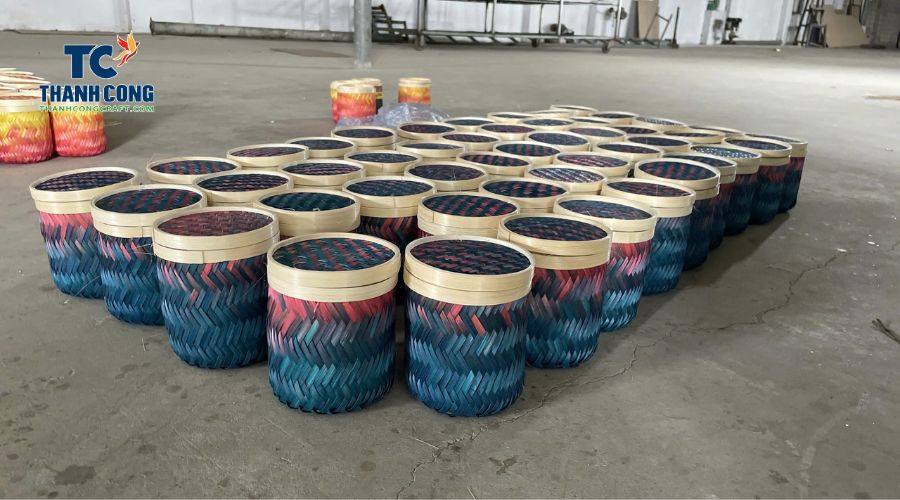
Both bamboo and wood are natural, but bamboo grows much faster and requires fewer resources to harvest. It also regenerates without replanting, unlike most timber species. In terms of durability, properly treated bamboo can last just as long as hardwood, making it ideal for flooring, furniture, or even construction.
3.2 Bamboo vs. Plastic
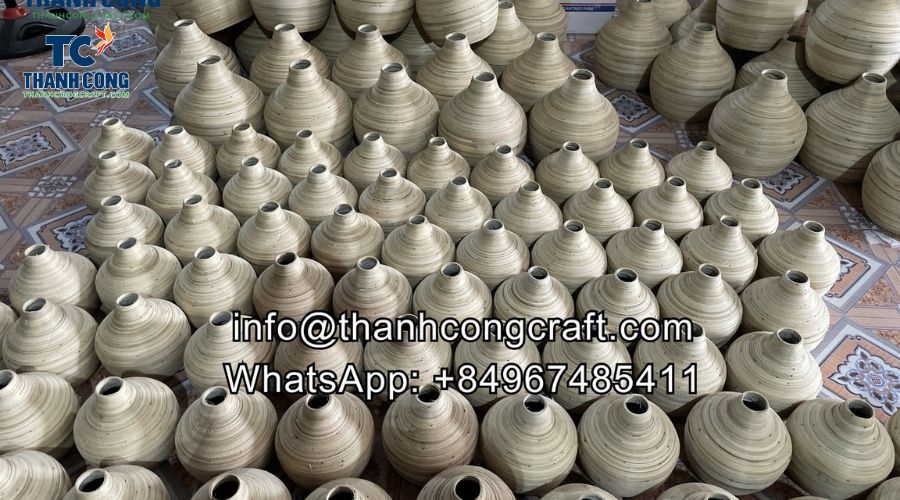
Plastic products dominate the global market because they’re cheap and versatile — but they’re also one of the main causes of ocean pollution. Bamboo products offer a biodegradable, non-toxic replacement.
For example:
-
Bamboo straws replace single-use plastic straws.
-
Bamboo toothbrushes cut down microplastic waste.
-
Bamboo cutlery sets support eco-friendly dining.
Switching to bamboo reduces fossil fuel dependency while meeting customer demand for sustainable packaging and lifestyle goods.
3.3 Bamboo vs. Metal
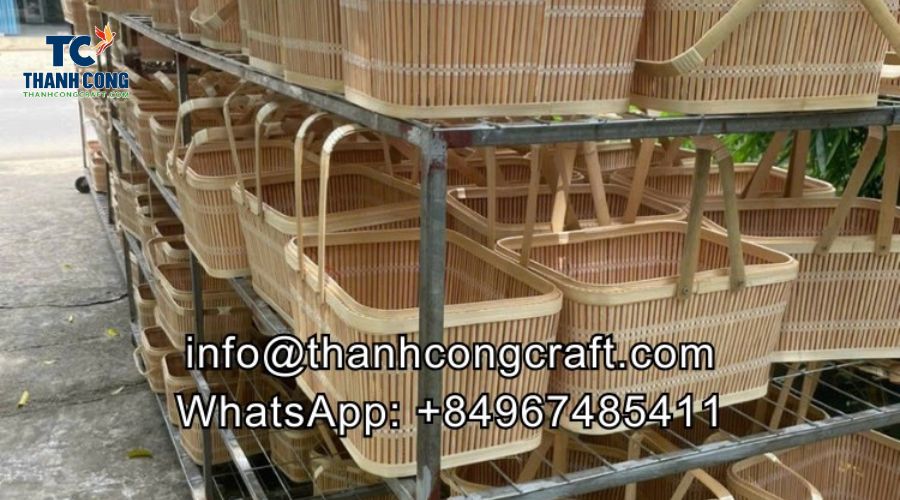
Metal alternatives like stainless steel or aluminum have long life spans but require energy-intensive mining and smelting. Bamboo, in contrast, is lightweight, renewable, and carbon-negative throughout its growth phase.
However, bamboo is not as strong under prolonged water exposure unless treated — making hybrid products (e.g., bamboo-metal or bamboo-glass designs) a practical solution for exporters.
Check our article on: Handmade Bamboo Bowls – The Perfect Gift for Eco-Lovers
4. Global Trade and Sustainability of Bamboo Products
4.1 Vietnam’s Role in Bamboo Exports
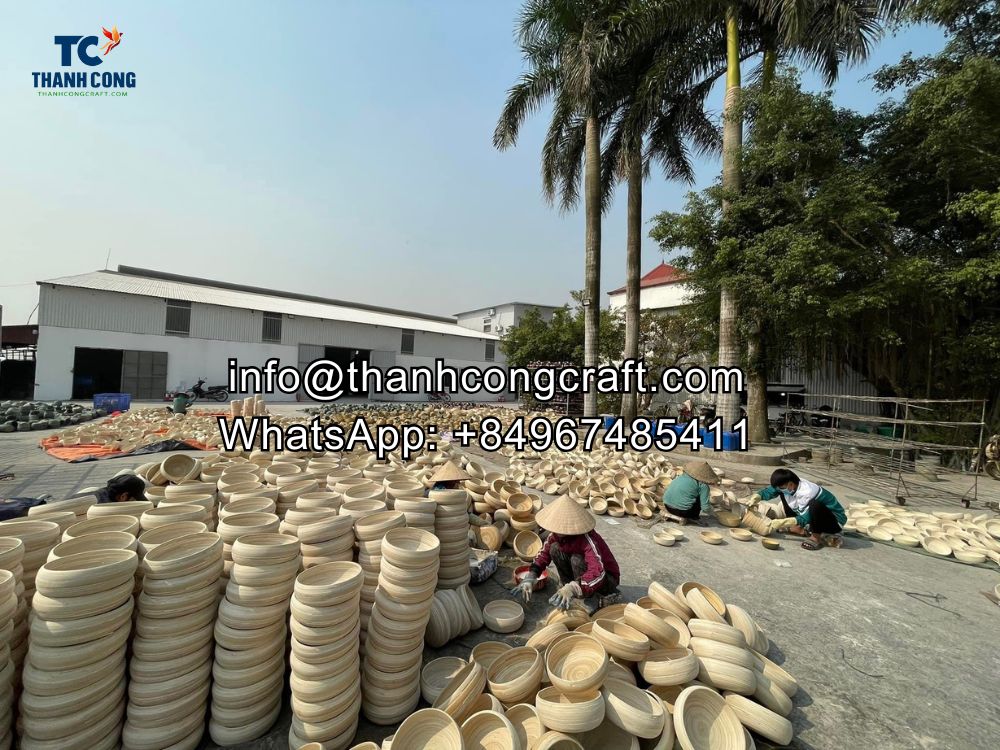
Vietnam ranks among the top five bamboo exporters globally, supplying Europe, the U.S., Japan, and the Middle East. Its artisans produce everything from baskets and trays to eco-packaging, blending tradition with sustainability.
Exporters like Thanh Cong Handicraft promote eco-certified production, ensuring bamboo products meet strict environmental and safety standards.
This helps wholesalers and importers build green supply chains — a key factor in meeting EU and U.S. environmental compliance.
4.2 Certification and Compliance
To access premium markets, exporters often pursue:
-
FSC (Forest Stewardship Council) certification for sustainable sourcing.
-
ISO 14001 environmental management systems.
-
REACH compliance to ensure safe materials for EU importers.
These certifications provide transparency and prove that bamboo products align with international eco regulations.
4.3 Supporting Local Economies
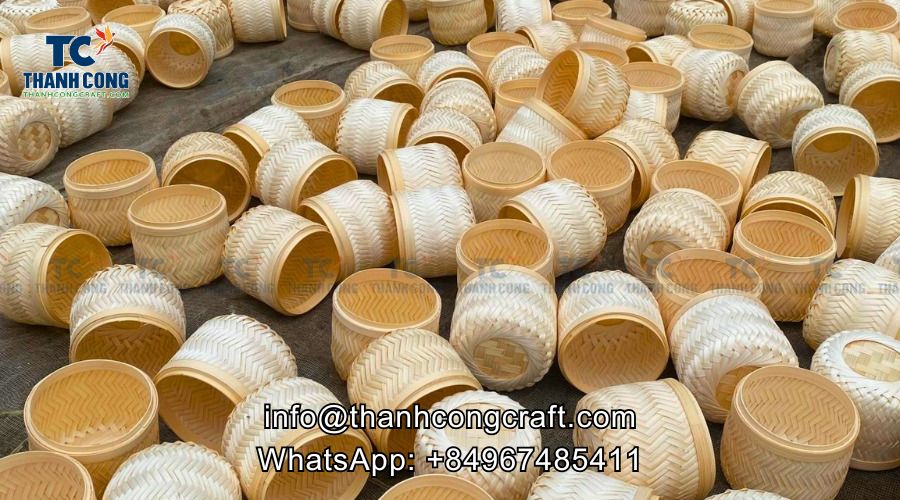
Bamboo cultivation and craftwork generate thousands of jobs in rural areas. Families earn stable incomes from weaving or assembling export-ready goods, helping preserve both culture and ecology.
4.4 Reducing Global Carbon Footprint
When compared with synthetic materials, bamboo’s carbon footprint is significantly lower. Even with transportation emissions, bamboo exports remain carbon-efficient due to its natural CO₂ absorption during growth.
Read more: Bamboo Lampshades Export Germany – What You Must Know
5. Challenges and the Path Toward True Sustainability
5.1 Overcoming Sustainability Challenges in Bamboo Production
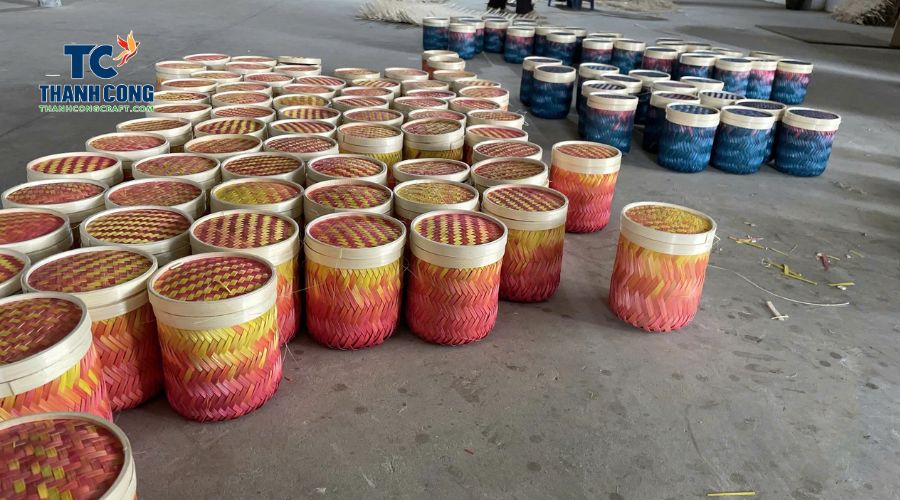
While bamboo products are often promoted as eco-friendly, not all live up to the claim. Some “bamboo fabrics” rely on chemical-heavy viscose processes, undermining their green image. To ensure credibility, importers must verify suppliers’ certifications and manufacturing methods. Bamboo also faces durability challenges — it can absorb moisture, leading to mold or warping. Using natural sealants and teaching customers simple care practices like wiping dry after cleaning helps extend lifespan and maintain quality.
5.2 Toward Smarter and Greener Bamboo Innovation
Despite bamboo’s sustainability, transportation emissions remain a concern. Many exporters now adopt carbon-neutral logistics or reforestation projects to offset their impact. At the same time, eco-design innovation is shaping the future of bamboo — from modular, recyclable furniture to hybrid composites blending bamboo fibers with biodegradable resins. These advancements ensure bamboo continues to evolve as both a durable material and a symbol of true environmental responsibility.
Reach out to us today to learn more about our products or to place a wholesale order. We look forward to connecting with you!
- Thanh Cong Handicraft Co., Ltd
- Email: [email protected]
- Tel/WhatsApp: +84967485411
Explore our Products Collection for more choices! Contact Us!


