

Are bamboo products waterproof? This is a question many global buyers ask before investing in bamboo homeware, furniture, or decorative goods. While bamboo is celebrated for its strength, sustainability, and unique aesthetic, its performance in humid or wet conditions is a critical factor for importers. This article reveals the truth about bamboo’s water resistance, explains how to make it more durable, and offers practical insights for B2B buyers who source handcrafted bamboo products from countries like Vietnam.
Contents
1. Understanding the Natural Properties of Bamboo
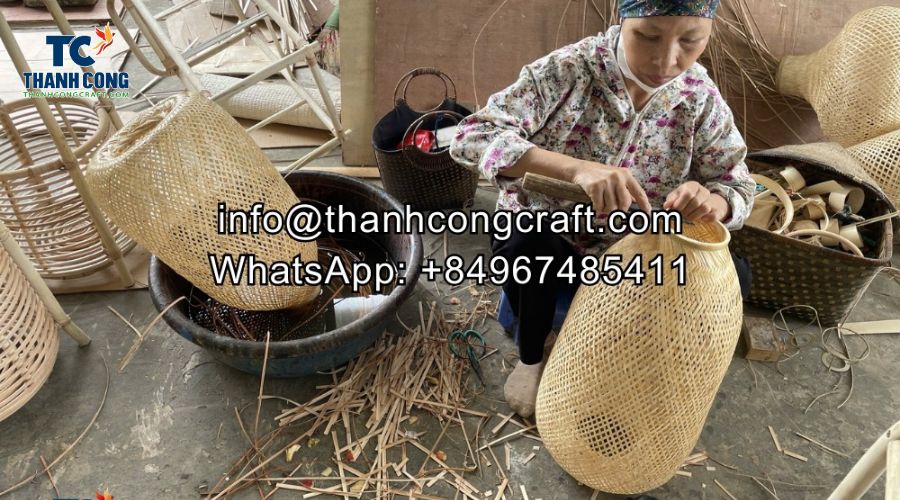
Bamboo, despite being classified as a grass, possesses remarkable structural qualities that make it suitable for a wide range of applications. Its fibers are naturally dense and contain silica, which helps resist pests and adds a degree of durability. However, these fibers are also porous, meaning that bamboo, in its untreated form, can absorb moisture over time. For example, a bamboo basket left outdoors in a rainy climate will slowly swell, lose shape, or develop mildew. This is why global buyers need to understand that bamboo is not naturally waterproof, but it can be engineered to become highly water-resistant.
In the context of handcrafted bamboo products—such as those produced by Vietnamese manufacturers—understanding these inherent properties is essential. Many suppliers, including Thanh Cong Handicraft Export Co., Ltd., incorporate traditional drying and chemical-free curing methods to improve bamboo’s stability. Yet, without a protective finish, even the most carefully prepared bamboo will eventually absorb water.
You might also like: How To Clean Bamboo Utensil Holder?
2. The Truth About Bamboo and Water Resistance
Bamboo’s relationship with water is a balancing act between its natural composition and the level of treatment it receives. In controlled indoor environments, untreated bamboo can last for decades without structural issues. However, in humid regions or areas exposed to splashes—such as kitchens, bathrooms, or outdoor patios—moisture can quickly penetrate the fibers.
For instance, bamboo cutting boards are popular for their natural look and antimicrobial properties, but if they are left soaking in water, they will warp. Likewise, bamboo furniture for outdoor cafes or resorts needs proper sealing to prevent weather damage.
For buyers in markets like the UAE, Germany, and Japan, climate plays a crucial role in decision-making. Importers sourcing bamboo baskets for wholesale in Dubai should consider that even indoor storage areas may have high humidity levels, requiring added protective coatings.
3. Waterproofing Techniques Used by Manufacturers
To meet the needs of international buyers, leading bamboo manufacturers employ several techniques to make products water-resistant or waterproof. These include:
3.1. Heat Treatment and Carbonization
Manufacturers heat bamboo to specific temperatures to remove excess moisture and caramelize sugars within the fibers. This not only gives bamboo a rich golden tone but also reduces its water absorption rate.
3.2. Natural Oil and Wax Finishes
Applying linseed oil, tung oil, or beeswax creates a barrier against moisture while preserving the natural look of the bamboo. This method is popular for eco-conscious buyers who want chemical-free protection.
3.3. Polyurethane and Lacquer Coatings
For products intended for high-moisture environments, polyurethane or lacquer provides a more durable shield. This is often used for bamboo trays, furniture, or storage boxes that may come into contact with water.
3.4. Innovative Hybrid Designs
Some suppliers combine bamboo with other water-resistant materials, such as resin or rattan, to enhance durability while retaining an organic aesthetic. For example, a bamboo basket with resin-coated interiors is ideal for holding fresh produce without fear of mold.
When sourcing, buyers should request clear information about the waterproofing method used, as this impacts both the product’s performance and its appeal in eco-friendly markets.
4. Choosing the Right Bamboo Products for Your Market
Global buyers must evaluate their target customers’ lifestyles, climate, and intended product use before placing bulk orders.
For example:
-
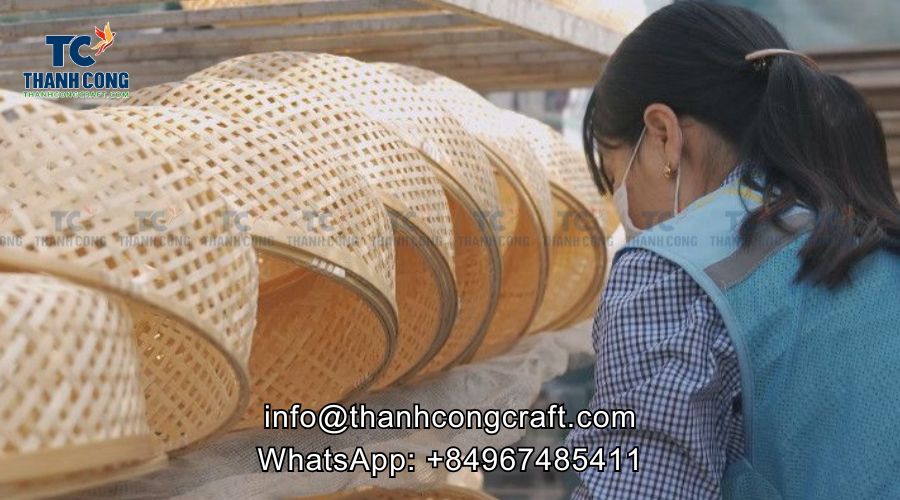
Home décor items such as bamboo wall art, lampshades, or vases do not require heavy waterproofing if intended for indoor use.
-
Kitchenware like bamboo trays, bowls, and utensils should be treated with food-safe coatings.
-
Outdoor furniture demands the highest level of waterproofing, often requiring periodic re-coating to maintain durability.
Vietnam has emerged as a reliable source of high-quality bamboo goods, with suppliers offering customization for wholesale orders. Businesses like Thanh Cong Handicraft can tailor products to meet waterproofing requirements, ensuring buyers receive items ready for their market’s specific conditions. If you are an importer looking for sustainable yet functional bamboo baskets, exploring Vietnam’s manufacturing sector could be your most strategic move.
Related reading: How To Clean A Bamboo Steamer?
5. Maintenance and Aftercare for Waterproofed Bamboo Products
Even when bamboo has been waterproofed, proper aftercare is essential to maximize longevity.
5.1. Cleaning Practices
Use a soft cloth and mild soap to clean bamboo products, avoiding prolonged soaking. This helps maintain the integrity of the waterproof coating.
5.2. Reapplying Protective Coatings
Over time, coatings may wear off, especially with frequent use. Buyers should provide customers with guidance on reapplication schedules, whether using natural oils or polyurethane finishes.
5.3. Storage Considerations
In humid climates, store bamboo products in well-ventilated spaces. For wholesale shipments, using moisture-absorbing packets during transit can prevent mold growth.
When suppliers educate buyers about these aftercare steps, they not only extend the product’s life but also strengthen customer trust. This is particularly valuable in B2B relationships, where long-term repeat orders depend on consistent product quality.
Read next: How To Clean Bamboo Shower Bench?
Reach out to us today to learn more about our products or to place a wholesale order. We look forward to connecting with you!
- Thanh Cong Handicraft Co., Ltd
- Email: [email protected]
- Tel/WhatsApp: +84967485411
Explore our Products Collection for more choices! Contact Us!


