

Are coconut bowls microwave safe for long-term use is a key concern for anyone choosing eco-friendly tableware. This article explains how coconut bowls react to microwave heat, why long-term use leads to hidden damage, and what proper care methods help maintain durability and safety.
Contents
1. Are Coconut Bowls Microwave Safe for Long-Term Use?
Are coconut bowls microwave safe for long-term use? The simple answer is no, because coconut bowls are made from natural shells that are processed gently—cut, sanded, and finished with oil rather than coated with heat-resistant chemicals. Although durable in normal use, they cannot tolerate the intense and uneven heat created inside a microwave.
When microwaved, the natural fibers expand and contract unpredictably, causing hidden cracks, weakened structure, or complete breakage over time. Even short microwave sessions slowly reduce the bowl’s strength. Manufacturers that specialize in export-quality coconut bowls, such as those commonly supplied to international retailers, always provide the label “Not Microwave Safe.”
Because of this natural limitation, coconut bowls remain long-lasting only when used for cold or warm dishes—not high heat.
Discover our posts on: 5 Everyday Uses of Coconut Bowls You Haven’t Thought Of Yet
2. How Heat Affects Coconut Shell Structure
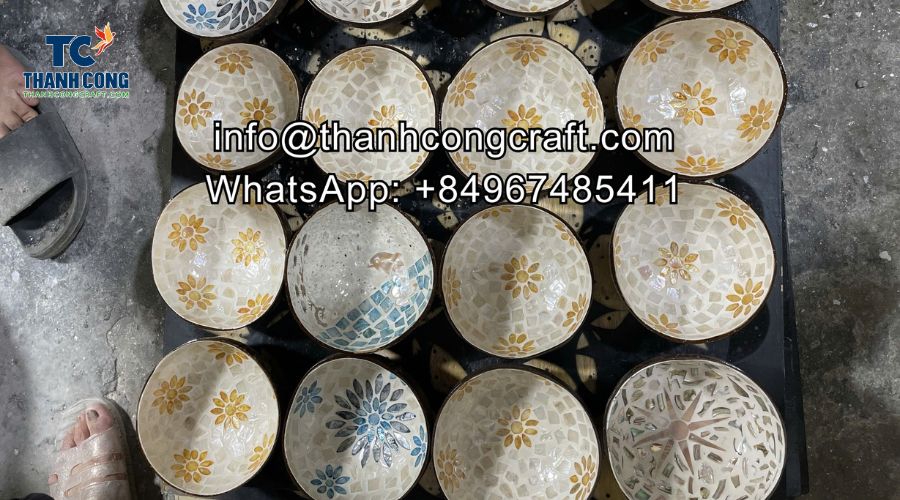
Are coconut bowls microwave safe depends heavily on how heat interacts with the shell. While coconut shells are tough against physical impact, they are still organic materials with tiny pores. These pores trap moisture and natural oils, which help maintain strength and flexibility.
Inside a microwave, rapid heat causes:
-
Moisture loss
-
Expansion of natural fibers
-
Breakdown of the protective oil layer
-
Internal stress that weakens the shell
Because heat builds unevenly, some parts of the bowl expand faster than others, leading to warping or long-term brittleness. This is why a coconut bowl may look fine after the first few uses but eventually becomes dry, cracked, or discolored. Unlike ceramic or glass, coconut shells are not engineered to stabilize under high temperatures, making long-term microwaving unsafe.
Explore our posts on: Coconut Shell Gift Items Every Retailer Wants on Their Shelves
3. Long-Term Microwave Safety: Misconceptions & Real Risks
Are coconut bowls microwave safe for long-term use is often misunderstood because many people assume that “surviving once” means “safe forever.” In reality, damage from heat exposure is gradual and often invisible until the bowl fails.
Common misconceptions include believing coconut shells are naturally heat-resistant or that short microwaving won’t cause harm. However, repeated exposure leads to:
-
Hidden micro-cracks
-
Loss of natural oils
-
Structural weakness
-
Material dryness
-
Surface dullness
-
Permanent deformation
These risks accumulate slowly, making the bowl unsafe for regular use. For brands and suppliers, this is why clear care instructions are essential—especially in international markets where customers expect long product lifespan.
4. Manufacturer Insights: How Coconut Bowls Are Made and Why This Affects Heat Safety
Understanding how coconut bowls are made reveals exactly why microwaving is not recommended for long-term use. Manufacturers who export to Europe, Australia, and the Middle East follow strict quality standards, yet none of these processes are designed to withstand microwave heat.
4.1 Material Selection and Shell Thickness
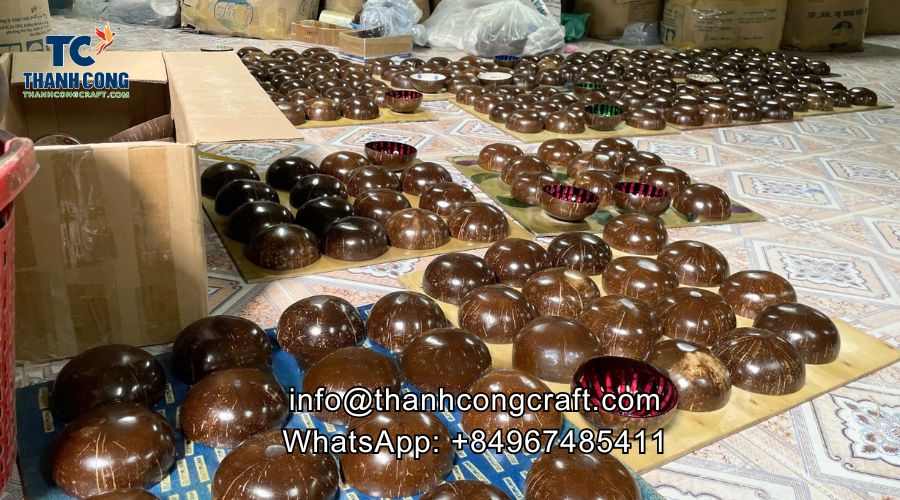
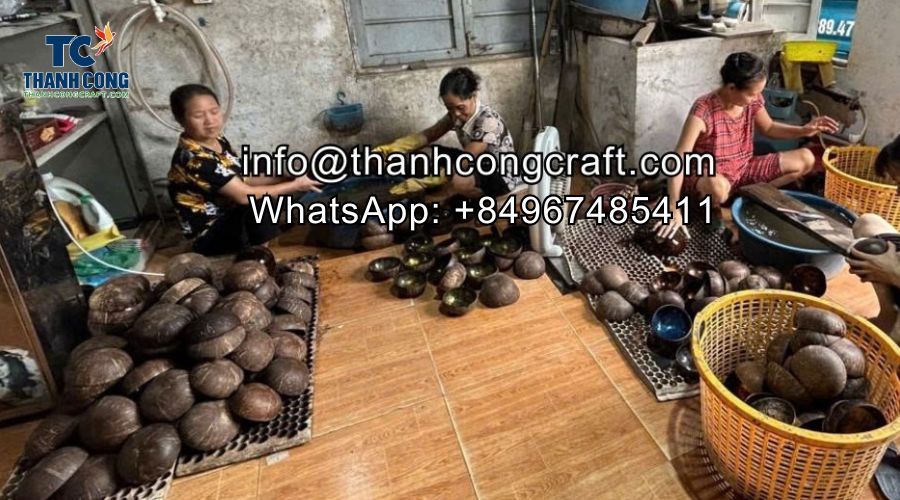
Coconut bowls are made from reclaimed coconut shells sourced from farms. Workers cut the shell, clean it, and evaluate thickness. Thick shells provide durability, but even thick shells cannot handle high heat. Heat travels through organic fibers differently compared to ceramic. Because the shell’s density is inconsistent across sections, heating results in uneven thermal distribution.
During export-grade selection, bowls are grouped by size, weight, and shape. Retail buyers often prefer uniform sizing, such as 13–15 cm diameter bowls. These bowls are intended for fruit, smoothie bowls, salads, or decorative use—not for cooking.
4.2 Sanding and Polishing
Bowls undergo multiple sanding stages—typically from 80-grit to 320-grit. This process creates smoothness but thins out the shell slightly. Thinner edges, when microwaved, become the first point of failure. Manufacturers apply coconut oil after polishing. This natural oil hydrates the shell and gives a rich, dark appearance. However, microwaving breaks down this oil layer rapidly.
4.3 No High-Heat Hardening Process Used
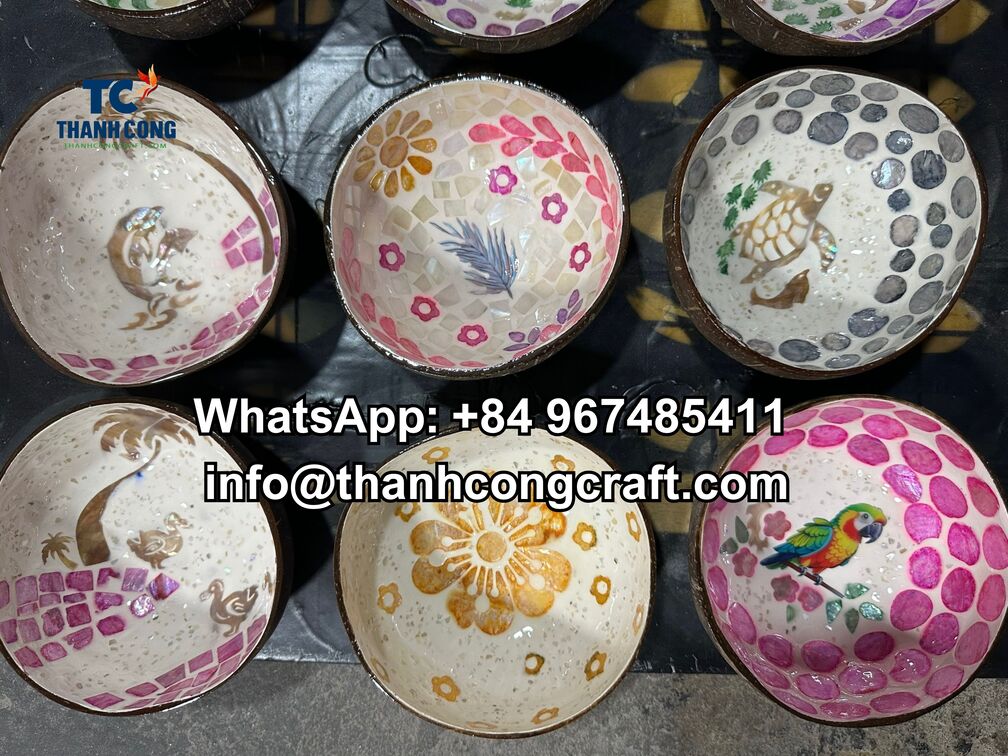
Unlike ceramic, coconut bowls are not fired or hardened using kiln technology. They remain organic even after finishing. Because there is no industrial heat-curing process, the bowl has no baseline heat tolerance comparable to microwave-safe materials.
4.4 Why Manufacturers Advise “No Microwave”
Producers include this instruction for practical reasons:
-
Prevent customer complaints
-
Ensure long lifespan
-
Maintain aesthetic quality
-
Reduce post-purchase breakage
-
Align with export safety guidelines
-
Protect natural oil coatings
These factors strongly support the conclusion that microwaving coconut bowls, particularly long-term, is not recommended.
Read more: The Coconut Shell Spoon Boom That’s Crushing Plastic Utensils
5. Best Practices for Using Coconut Bowls
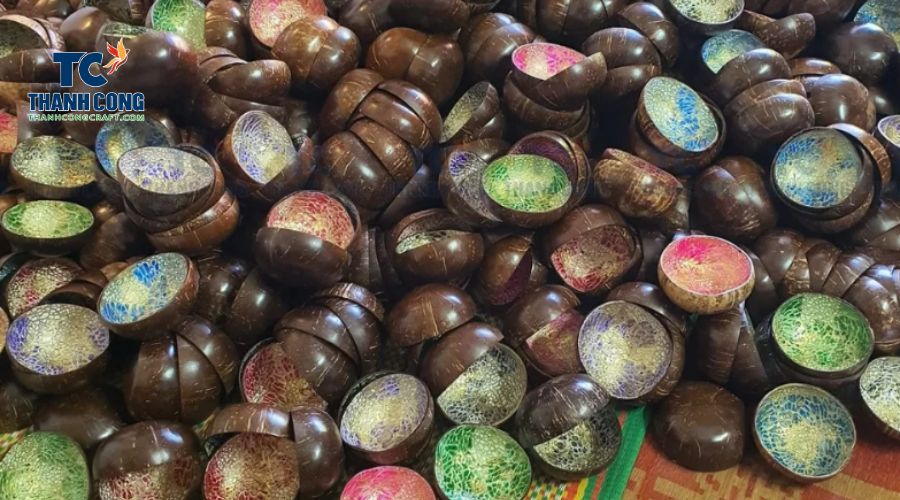
Are coconut bowls microwave safe for long-term use? The practical answer is no, but proper care greatly extends their lifespan. Use bowls for cold or warm dishes—such as smoothies, granola, or salads—and avoid boiling liquids.
Wash by hand with mild soap, dry immediately, and re-oil monthly to keep fibers hydrated. Avoid direct sunlight or temperature extremes, which accelerate drying and cracking.
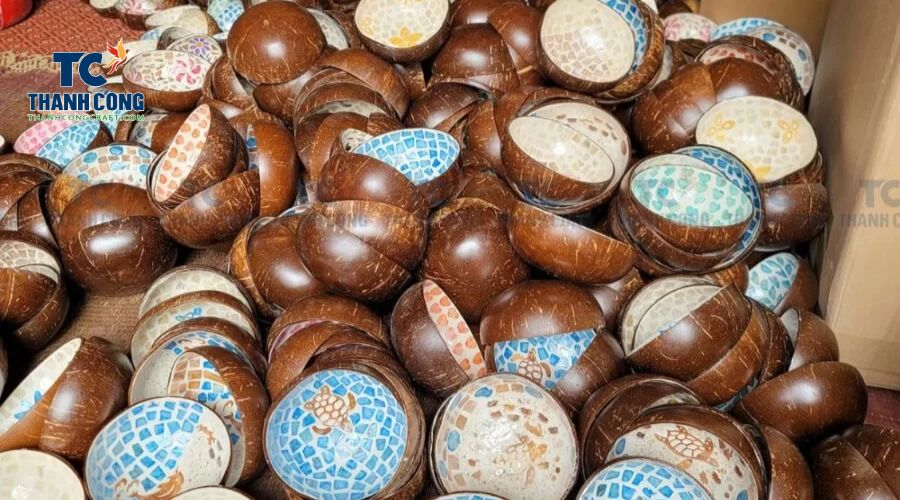
Coconut bowls also work beautifully as décor pieces, from potpourri holders to candle bases. For B2B buyers, including a care card or “Do Not Microwave” label helps ensure customers use the product correctly and reduces complaints.
Reach out to us today to learn more about our products or to place a wholesale order. We look forward to connecting with you!
- Thanh Cong Handicraft Co., Ltd
- Email: [email protected]
- Tel/WhatsApp: +84967485411
Explore our Products Collection for more choices! Contact Us!


