

Are Mother of Pearl Rattan Trays Eco-Friendly? These handcrafted trays have gained popularity in homes, boutique hotels, spas, and premium retail due to their elegant design and sustainable materials. Combining natural rattan with responsibly sourced mother of pearl, these trays offer a balance of luxury, durability, and environmental responsibility. This article explores the materials, crafting techniques, lifecycle benefits, and reasons why eco-conscious buyers are increasingly choosing these hybrid décor products.
Contents
1. Understanding the Eco-Friendly Nature of Mother of Pearl Rattan Trays
Mother of pearl rattan trays are celebrated not only for their aesthetic appeal but also for their environmentally friendly composition. Unlike many décor items made from plastics or metals, these trays rely on renewable, biodegradable, and low-impact materials.
1.1 Natural Origins of Rattan
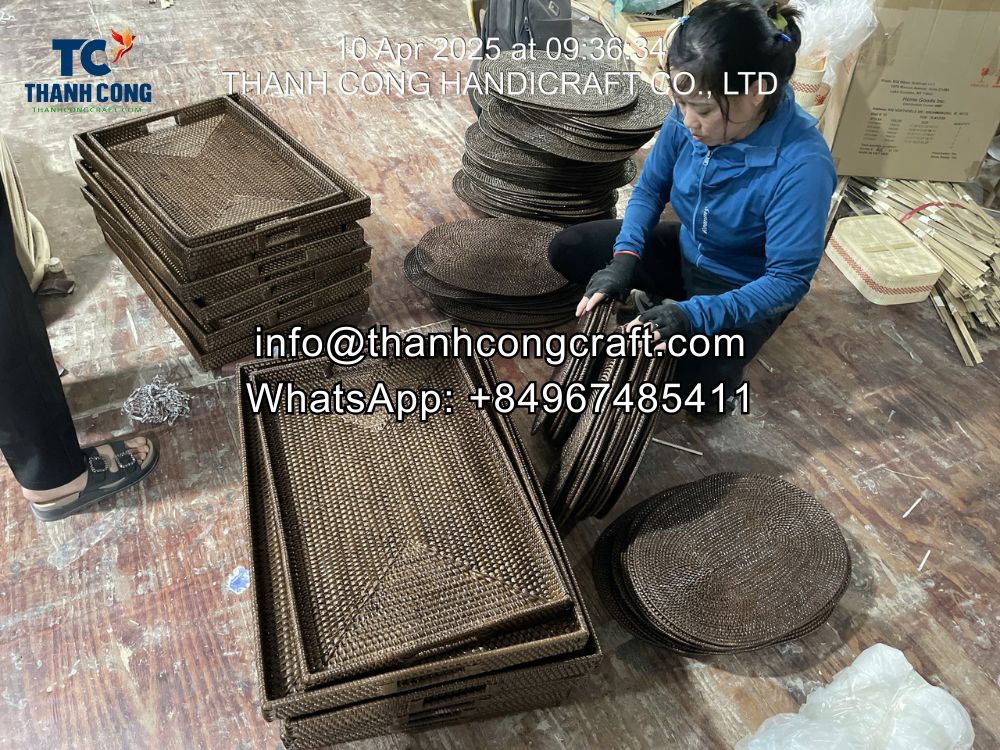
Rattan is a fast-growing climbing palm that regenerates much quicker than hardwood trees. It is harvested in a way that preserves forest ecosystems, encouraging communities to maintain healthy forest land rather than clear it. Its low water requirement, biodegradability, and ability to support local economies make rattan a highly sustainable choice. When sourced from reputable suppliers, rattan maintains a low carbon footprint while promoting long-term environmental and social benefits.
1.2 Responsible Use of Mother of Pearl
Mother of pearl, derived from the inner layer of mollusk shells, is often a byproduct of the seafood and aquaculture industries. By repurposing discarded shells into decorative inlays, artisans prevent waste and extend the lifecycle of natural resources. This circular-economy approach not only reduces landfill volume but also ensures that the luxury element of mother of pearl aligns with eco-conscious production practices.
1.3 Combining Materials for Sustainability
The combination of rattan and mother of pearl creates a tray that is both durable and visually striking. Rattan forms a lightweight, sturdy base, while mother of pearl offers a shimmering, luxurious finish. Both materials are biodegradable and renewable, and because the crafting process is largely manual, energy consumption remains minimal. This combination makes the tray a true example of sustainable luxury that appeals to eco-conscious consumers worldwide.
Learn more about: How to ship Rattan Cabinets from Vietnam to Dubai
2. How the Crafting Process Reduces Environmental Impact
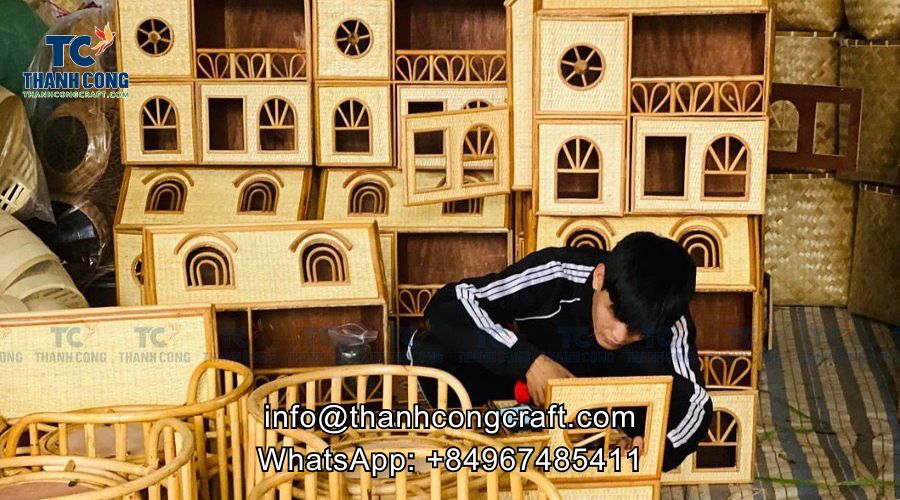
Beyond the materials themselves, the crafting methods play a critical role in sustainability. Handcrafted techniques minimize energy use and reduce waste compared to mass-produced items.
2.1 Hand-Weaving Techniques
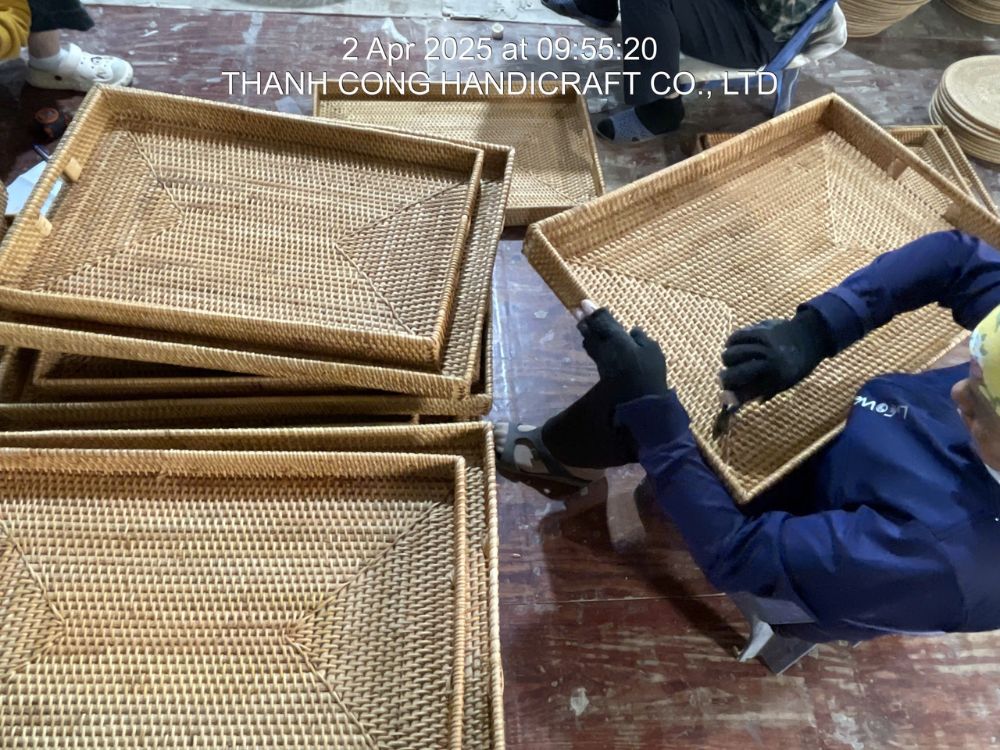
Traditional rattan weaving relies on manual skill passed down through generations. Artisans soak, bend, and interlace rattan strands without heavy machinery or chemical additives. Excess rattan strips are often repurposed for smaller accessories, supporting a zero-waste workflow. This hands-on approach ensures precision while maintaining a low environmental footprint.
2.2 Mother of Pearl Inlay
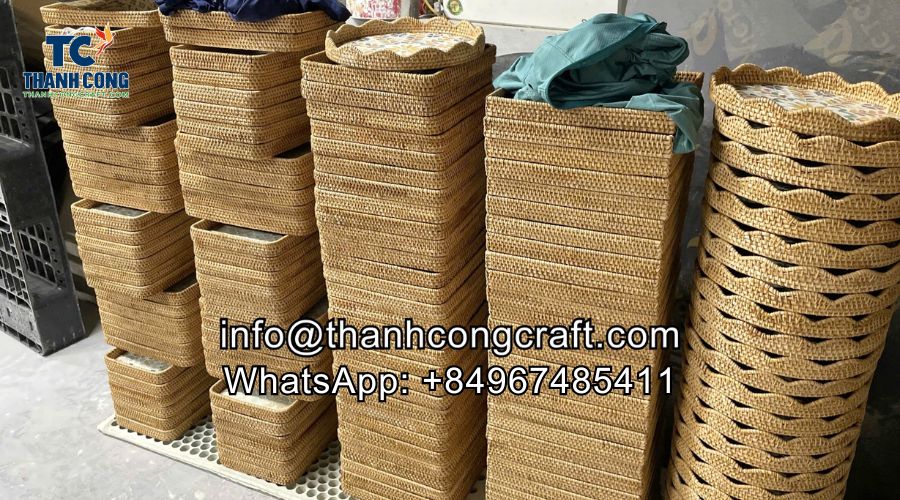
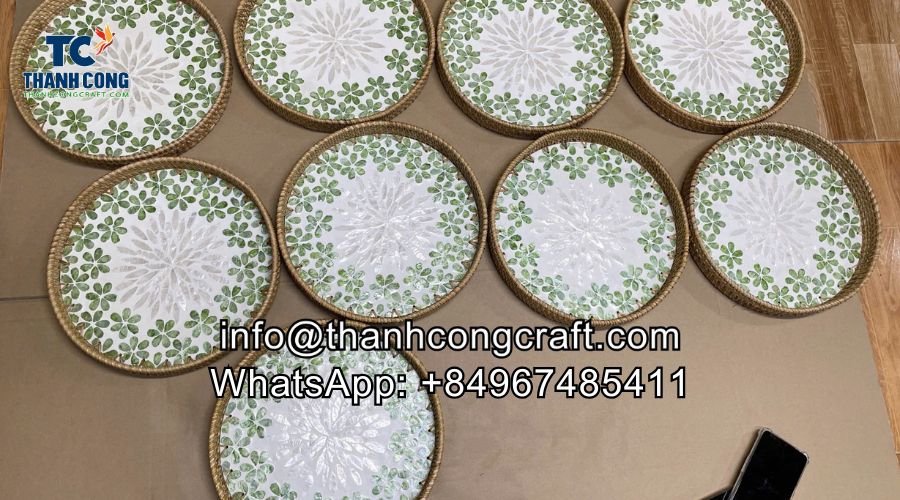
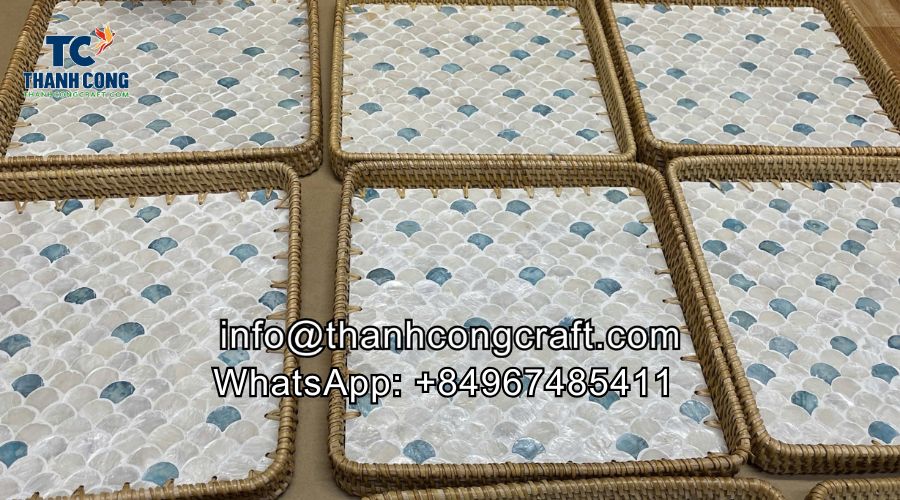
Mother of pearl inlay is a meticulous, manual process in which shells are sliced, polished, and set into the tray surface. This technique minimizes waste by utilizing even the smallest shell fragments, and the use of low-VOC adhesives ensures chemical emissions are reduced. Although time-consuming, hand inlay protects traditional craftsmanship while decreasing reliance on industrial energy sources.
2.3 Low-Energy Production and Sustainable Packaging
From start to finish, handmade trays require minimal tools and natural drying processes, significantly lowering their carbon footprint. Many artisans also source materials locally, reducing transportation-related emissions. Sustainable packaging such as kraft paper, recycled cardboard, or bamboo fibers reinforces the eco-friendly story and ensures minimal environmental impact from production to delivery.
Visit our post on: How to Choose a High-Quality Mother of Pearl Cake Stand
3. Environmental Benefits Across the Lifecycle
The sustainability of mother of pearl rattan trays extends beyond materials and production. Their lifecycle benefits make them an environmentally responsible choice.
3.1 Reducing Plastics and Synthetic Materials
Unlike plastic or resin trays, rattan and mother of pearl are biodegradable and do not release microplastics. Their production requires far less fossil fuel energy than synthetic alternatives, contributing to lower overall environmental impact.
3.2 Longevity Reduces Waste
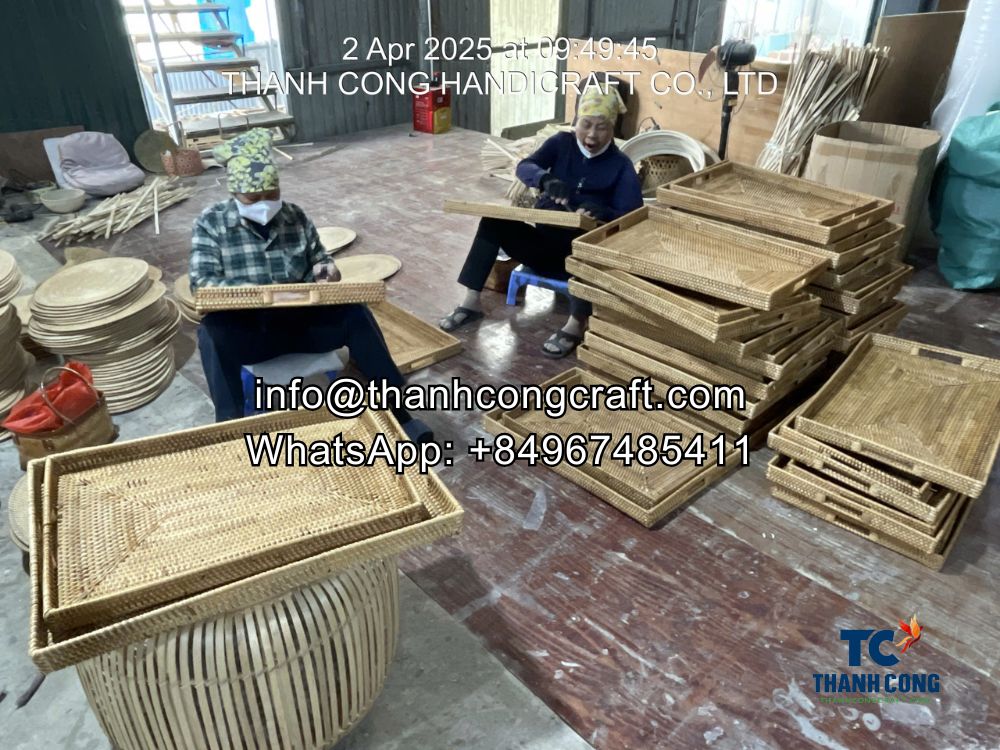
Durability is a key sustainability factor. The flexible rattan frame and the hard, water-resistant mother of pearl surface ensure these trays last for years. Long-lasting products reduce the need for frequent replacements, which helps decrease overall waste in both domestic and commercial settings.
3.3 Ethical Production and Biodegradability
Handcrafted trays support artisan communities and preserve cultural heritage. At the end of their life, both rattan and mother of pearl naturally decompose without leaving toxic residues. This combination of environmental and social responsibility makes them an ideal choice for eco-conscious buyers and businesses.
Explore our post: Mother of Pearl Trays for Hotels – Why Resorts Prefer Them

4. Why Eco-Conscious Buyers Prefer These Trays
Consumers today are attentive not only to the materials used but also to the ethical and sustainable practices behind the products they buy. Mother of pearl rattan trays meet these expectations while offering versatile design.
4.1 Natural Aesthetic Appeal
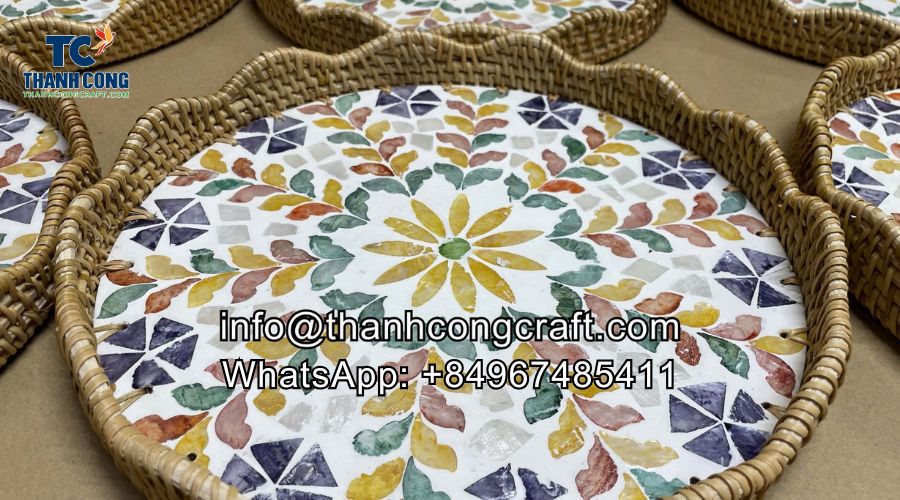
The shimmering mother of pearl surface paired with the warm texture of rattan creates a visually appealing tray that complements coastal, bohemian, minimalist, and modern interiors. These trays function as both decorative and practical pieces, offering a sense of luxury without compromising environmental ethics.
4.2 Versatility for Home and Hospitality
These trays serve multiple purposes: as serving trays, vanity organizers, coffee table centerpieces, spa accessories, hotel room amenities, and premium gift sets. Their versatility ensures extended use, aligning with sustainable living principles by reducing unnecessary purchases.
4.3 Alignment with Sustainability Standards
Mother of pearl rattan trays support corporate and environmental goals such as ESG compliance, zero-plastic initiatives, and responsible sourcing. By incorporating them into home décor, hospitality, or retail environments, businesses can reinforce a commitment to both quality and sustainability, meeting the expectations of environmentally conscious clients and consumers.
5. Choosing Truly Eco-Friendly Mother of Pearl Rattan Trays
While the materials are naturally eco-friendly, buyers should still ensure suppliers meet sustainability and ethical standards.
5.1 Ethical Material Sourcing
Confirm that rattan is harvested sustainably and mother of pearl is sourced from seafood byproducts. Choosing local materials also reduces transportation emissions, contributing to lower overall environmental impact.
5.2 Craftsmanship and Durability
Examine the quality of weaving, shell adhesion, and surface finishing. Durable trays reduce waste by extending product lifespan, supporting sustainable consumption.
5.3 Non-Toxic Finishes and Packaging
Opt for low-VOC adhesives, natural coatings, and biodegradable or recycled packaging. Responsible packaging reinforces the tray’s eco-friendly value and ensures sustainability throughout the product’s lifecycle.
See our article on: Mother of Pearl Trays Import Duty – Customs & Tax Guide for Oman
Reach out to us today to learn more about our products or to place a wholesale order. We look forward to connecting with you!
- Thanh Cong Handicraft Co., Ltd
- Email: [email protected]
- Tel/WhatsApp: +84967485411
Explore our Products Collection for more choices! Contact Us!


