

Vietnamese Handicrafts are increasingly recognized as eco-friendly, sustainable, and culturally rich products. For importers in Europe and the United States, where consumer demand is shifting toward environmentally responsible goods, the question arises: Are Vietnamese handicrafts truly eco-friendly to sell in these demanding markets? This article provides a detailed exploration of materials, production processes, certifications, and market expectations that determine whether handicrafts from Vietnam can thrive in eco-conscious European and American retail sectors.
Contents
1. Eco-Friendly Foundations of Vietnamese Handicrafts
1.1 Natural and Renewable Materials
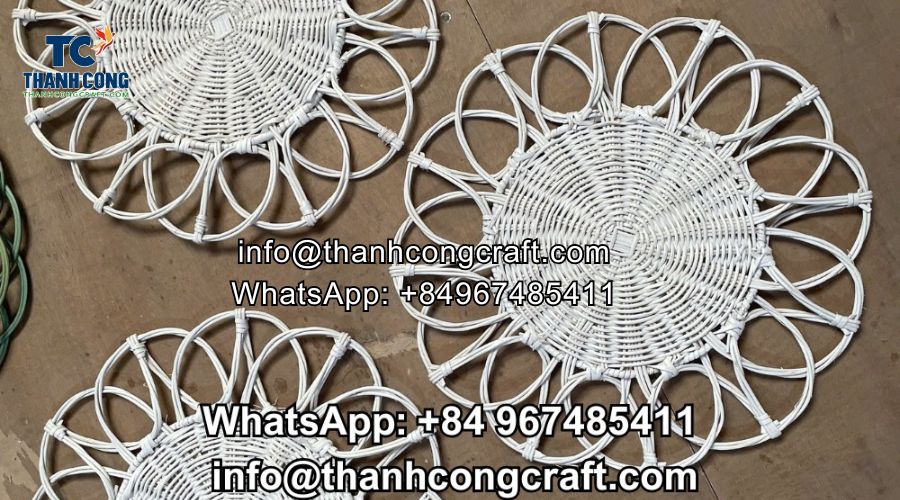
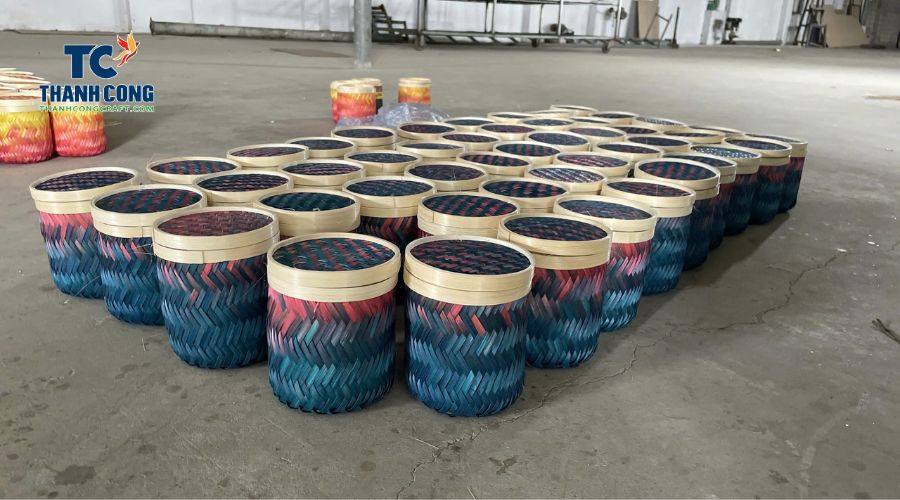
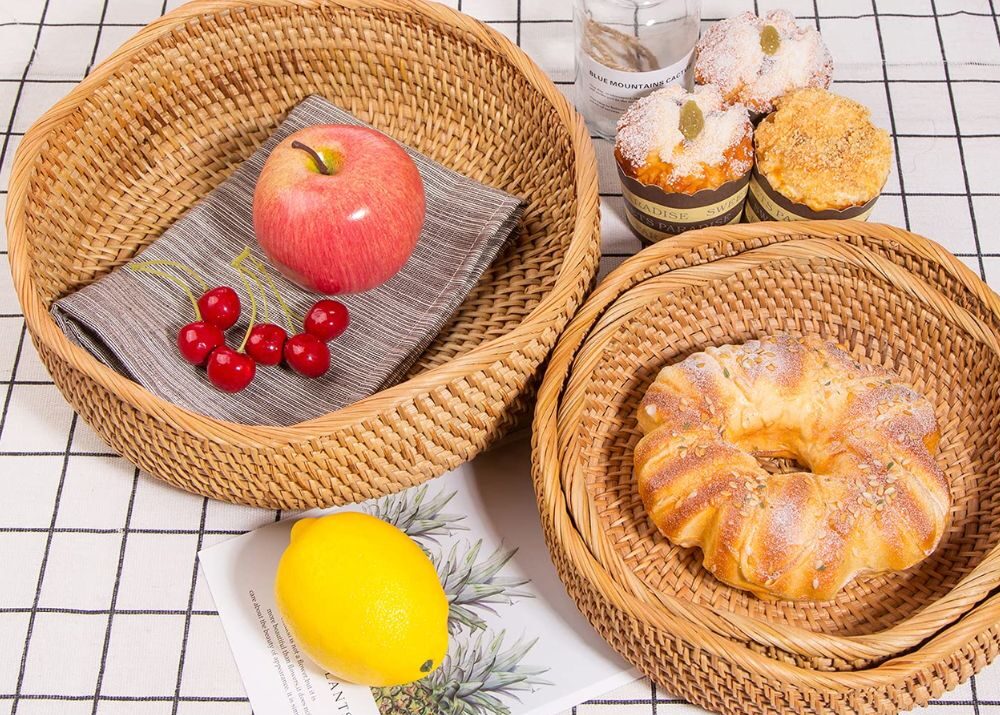
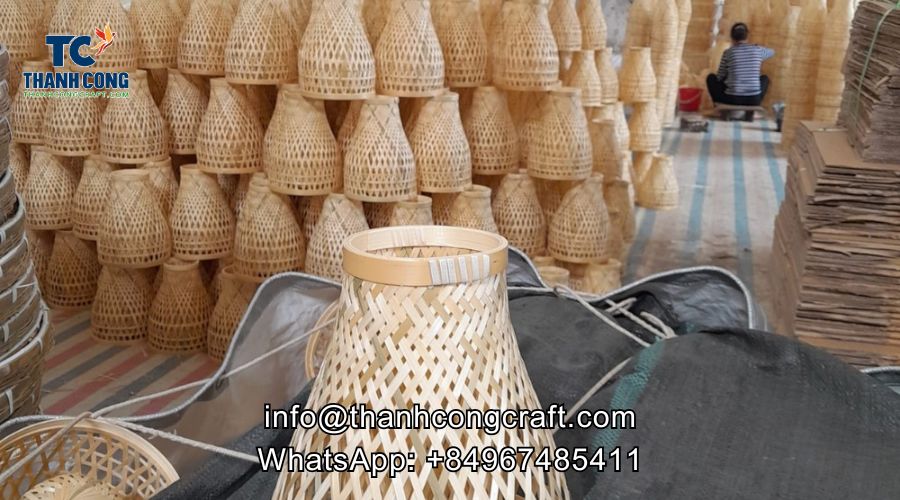
Vietnamese Handicrafts largely rely on renewable resources such as bamboo, rattan, water hyacinth, seagrass, and palm leaves. These materials grow quickly, require minimal pesticides, and regenerate naturally, making them a clear alternative to synthetic plastics. For instance, bamboo regenerates within three to five years, significantly faster than hardwood trees, making it a highly sustainable resource for wholesale buyers targeting eco-conscious consumers.
1.2 Low-Impact Production Methods
Unlike industrial mass production, Vietnamese artisans practice small-scale, low-emission manufacturing. Most workshops operate with minimal machinery, relying instead on handcrafting techniques that preserve traditional skills while reducing carbon footprints. Water-based lacquers and natural dyes are often used, further aligning with eco-friendly practices suitable for Europe and the US.
1.3 Waste Reduction and By-Product Utilization
Craft villages in Vietnam often utilize agricultural by-products, transforming waste into marketable goods. Water hyacinth, considered invasive in rivers, is harvested and turned into laundry baskets, storage bins, or mats. This process reduces environmental damage while creating export-ready eco-friendly products.
Explore our post on: How to Choose a Wholesaler That Maximizes Your Profit
2. Meeting Eco-Standards in Europe
2.1 The EU Market’s Sustainability Demands
Vietnamese Handicrafts must align with strict EU regulations emphasizing sustainability, recyclability, and chemical safety. The European Green Deal, circular economy initiatives, and the EU Packaging Directive all highlight eco-responsibility. Products must not only use renewable materials but also be free from toxic chemicals that harm health or the environment.
2.2 Certifications That Matter
To gain trust in Europe, certifications are crucial. For handicrafts, this may include:
-
FSC (Forest Stewardship Council) certification for bamboo and wood-based products.
-
REACH compliance ensuring safe chemical usage in dyes and finishes.
-
Fair Trade certification to demonstrate ethical labor practices.
Importers often request suppliers to present these certifications during negotiations. For example, wholesalers sourcing rattan furniture or bamboo trays for European hotels often demand documented compliance before signing contracts.
2.3 Consumer Preferences in Europe
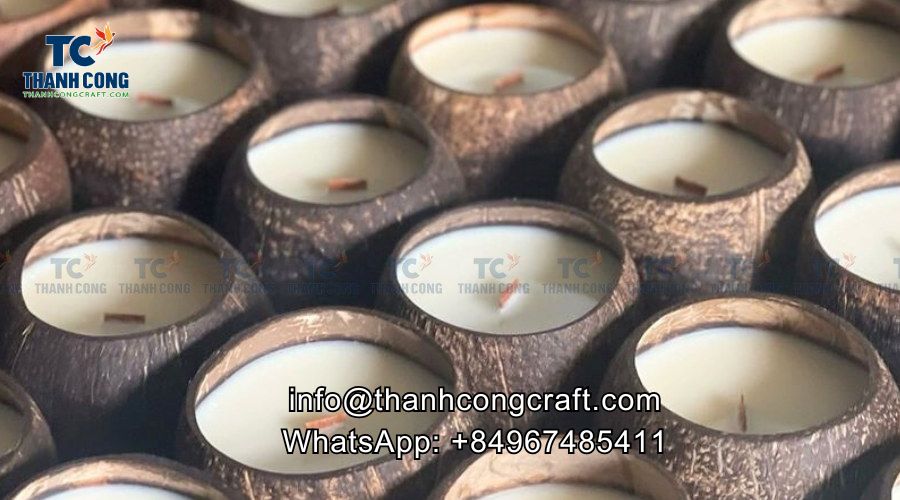
Eco-friendly design is not just a compliance issue; it is a strong selling point. European consumers, particularly in Germany, France, and Scandinavia, are highly responsive to eco-labeling, recyclable packaging, and natural aesthetics. Vietnamese handicrafts, with their authentic handmade appeal, are well-positioned to meet this demand when supported by proper branding and storytelling.
See our post: Do Middle Eastern Markets Really Bring Higher Margins Than Europe?
3. Entering the US Market with Eco-Friendly Handicrafts
3.1 US Environmental Standards and Regulations
Vietnamese Handicrafts entering the US must comply with several regulations:
-
EPA (Environmental Protection Agency) standards, particularly for chemical finishes.
-
Lacey Act for wood-based imports, ensuring legality and sustainability.
-
State-level rules, such as California’s strict chemical regulations (Proposition 65).
Failure to comply can result in costly product recalls or denied shipments.
3.2 Consumer Trends in the US
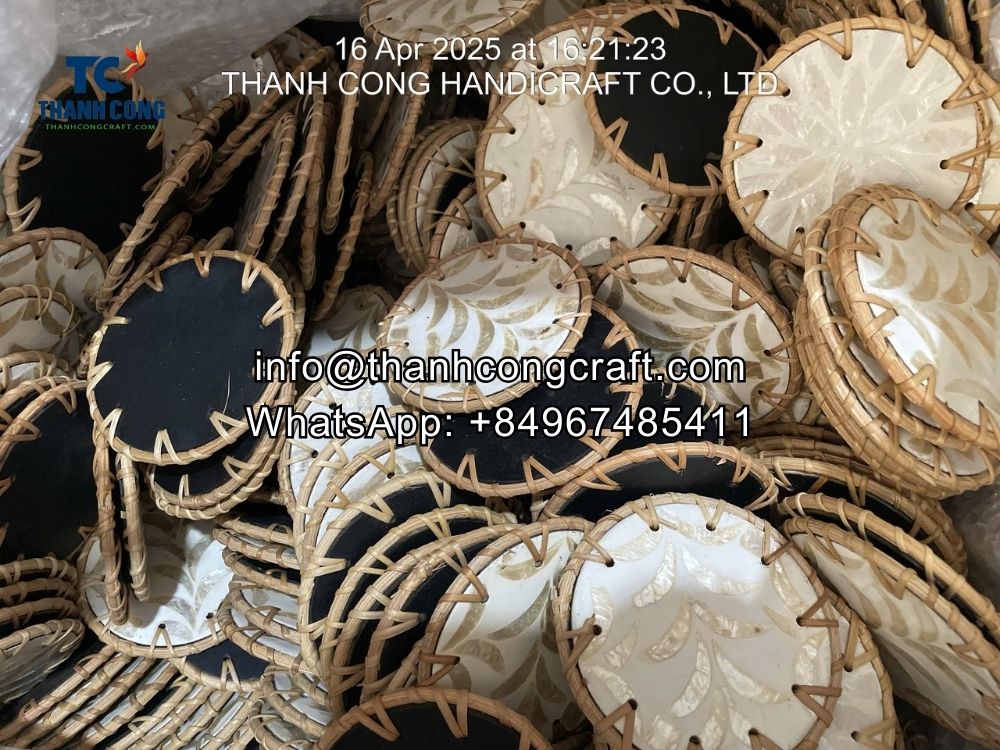
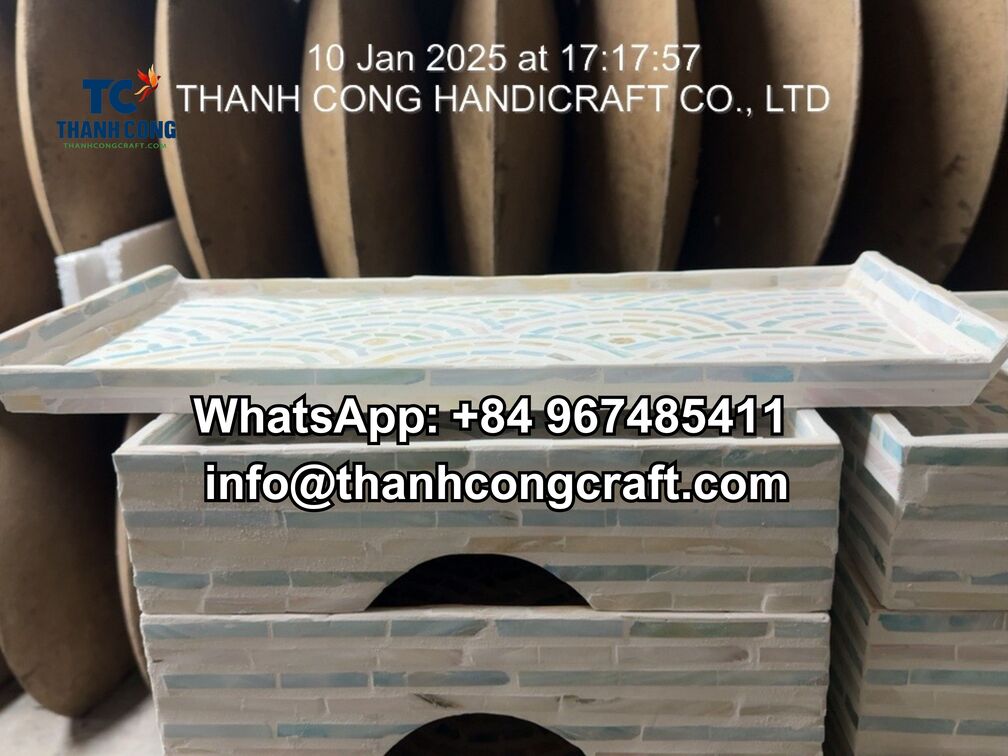
Sustainability in the US is closely tied to lifestyle branding. Millennials and Gen Z, now the largest consumer groups, prioritize eco-conscious purchases. They are willing to pay premium prices for products with a low carbon footprint and authentic cultural value. Handicrafts like seagrass baskets or mother-of-pearl trays are often marketed as “natural home décor” or “sustainable storage solutions.”
3.3 Wholesale Opportunities in the US
The growing demand for eco-friendly wholesale products in the US makes Vietnamese handicrafts a strong contender. Importers can leverage storytelling about sustainable sourcing, handmade authenticity, and cultural heritage to capture premium market segments like eco-boutiques, hotels, and sustainable home décor brands.
Learn more about: What Extra Costs Come with Importing from Vietnam?
4. Challenges in Proving Eco-Friendliness
4.1 Greenwashing Risks
Vietnamese Handicrafts may face skepticism if claims are not backed by verifiable proof. European and American buyers are increasingly wary of “greenwashing”—misleading marketing about eco-benefits. Suppliers must provide documents, inspection reports, or certifications to build trust.
4.2 Logistics and Carbon Footprint
Although the products are eco-friendly, the shipping process adds to carbon emissions. Buyers in Europe and the US sometimes require carbon offsetting measures or eco-friendly packaging to minimize the environmental impact of imports.
4.3 Scaling Without Losing Eco Integrity
A small workshop producing 500 baskets monthly may struggle to scale sustainably when receiving a bulk order of 20,000 units. Overproduction risks quality compromise or unsustainable material sourcing. Thus, assessing supplier capacity is as important as evaluating eco-friendly materials.
5. Why Vietnamese Handicrafts Fit Eco-Friendly Retail
5.1 Authentic Sustainability Advantage
Vietnamese Handicrafts combine traditional skills, natural materials, and sustainable processes, offering a stronger eco-narrative compared to mass-produced alternatives from China or India. This authenticity resonates deeply with Western consumers who value cultural storytelling.
5.2 Long-Term Growth Potential in Europe and the US
As eco-friendly policies expand, wholesalers importing Vietnamese handicrafts are entering a long-term growth market. Hotels, resorts, and retailers increasingly demand sustainable sourcing for décor and functional items. Vietnamese handicrafts meet this dual need for authenticity and eco-responsibility.
5.3 Strengthening B2B Relationships
Importers who emphasize eco-friendly supplier partnerships are likely to build more reliable long-term relationships. Vietnamese suppliers offering transparent communication, certifications, and flexible scaling capabilities stand out as trustworthy partners for global eco-conscious retail.
See more: Wholesale Price vs Small Order: Truth Every Importer Must Know

Reach out to us today to learn more about our products or to place a wholesale order. We look forward to connecting with you!
- Thanh Cong Handicraft Co., Ltd
- Email: [email protected]
- Tel/WhatsApp: +84967485411
Explore our Products Collection for more choices! Contact Us!


