

Bamboo bowls are far more than everyday kitchenware; they embody sustainability, artistry, and timeless design traditions that stretch across continents. In this article, we will explore their cultural and historical significance, why they are trending in eco-conscious households and practical guidance on care, maintenance, and sourcing for both retail and wholesale buyers.
Contents
1. Cultural and Historical Significance of Bamboo Bowls
Bamboo bowls have a deep cultural and historical foundation that spans Asia, Africa, and South America. For centuries, they have symbolized harmony, simplicity, and the human relationship with nature. In Japanese tea ceremonies, bamboo bowls are treasured as objects of refinement, carefully chosen for their form and texture. Meanwhile, in Vietnamese households, bamboo bowls remain a central feature of family meals, representing warmth, continuity, and shared values. Similarly, in rural African communities, bamboo-based utensils and bowls have been used for communal dining, reinforcing togetherness.
Because bamboo is abundant in many tropical regions, it became a natural material for crafting functional objects. Over generations, bamboo bowls came to embody not just practical value but also philosophical meaning. They reflect humility, the appreciation of natural beauty, and the ability to create elegant objects with minimal resources. Consequently, bamboo bowls are not only functional dining pieces but also cultural artifacts that connect people to their heritage.
You might also like: Bamboo Basket Quality Control Process for Export
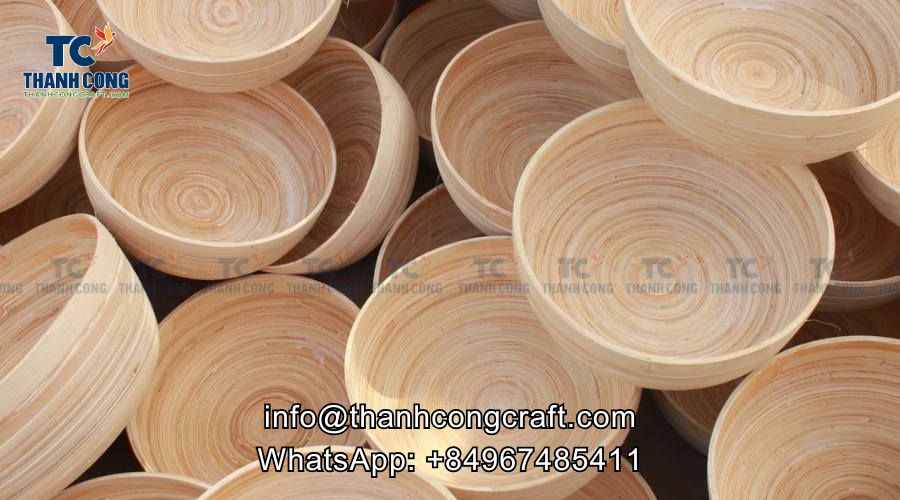
2. Why They Are Trending in Eco-Friendly Homes
In today’s world, bamboo bowls have moved beyond traditional households and into the global spotlight. Consumers increasingly recognize them as symbols of sustainable living and functional artistry. While modern markets offer endless alternatives, its stand apart for their unique blend of ecological responsibility, visual charm, and durability.
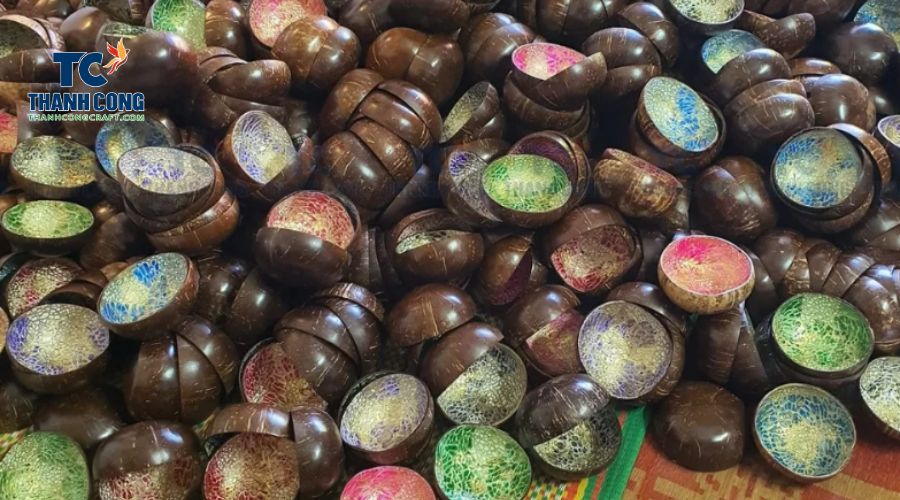
2.1 A Symbol of Sustainable Living
Unlike hardwood trees that require decades to mature, bamboo regenerates quickly and thrives with minimal resources. Because of this remarkable growth cycle, bamboo is often described as one of the most renewable materials on earth. Bamboo bowls therefore offer households a sustainable alternative to plastic or ceramic items, reducing environmental footprints while still maintaining high functionality. Choosing bamboo products also sends a clear message about conscious consumption and long-term environmental responsibility.
2.3 Durability for Daily Use
Although bamboo is lightweight, it is surprisingly resilient. With proper care, bamboo bowls resist cracking, staining, and everyday wear. Families can confidently use them for rice, soups, or salads without worrying about rapid deterioration. Unlike fragile porcelain or easily scratched plastics, bamboo offers a balance between elegance and strength. Therefore, consumers benefit from products that are not only eco-friendly but also durable enough for long-term daily use.
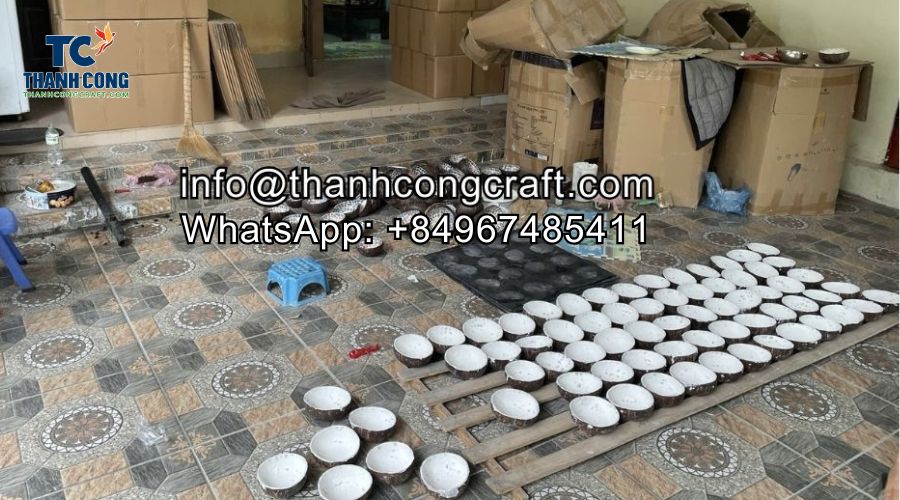
3. The Craftsmanship Behind Authentic Bamboo Bowls
While bamboo’s natural qualities make it a desirable material, it is the craftsmanship of skilled artisans that transforms raw stalks into polished, functional bowls. The making of bamboo bowls combines traditional techniques with modern innovations, ensuring they remain relevant in today’s global marketplace.
3.1 Traditional Handcrafting Techniques
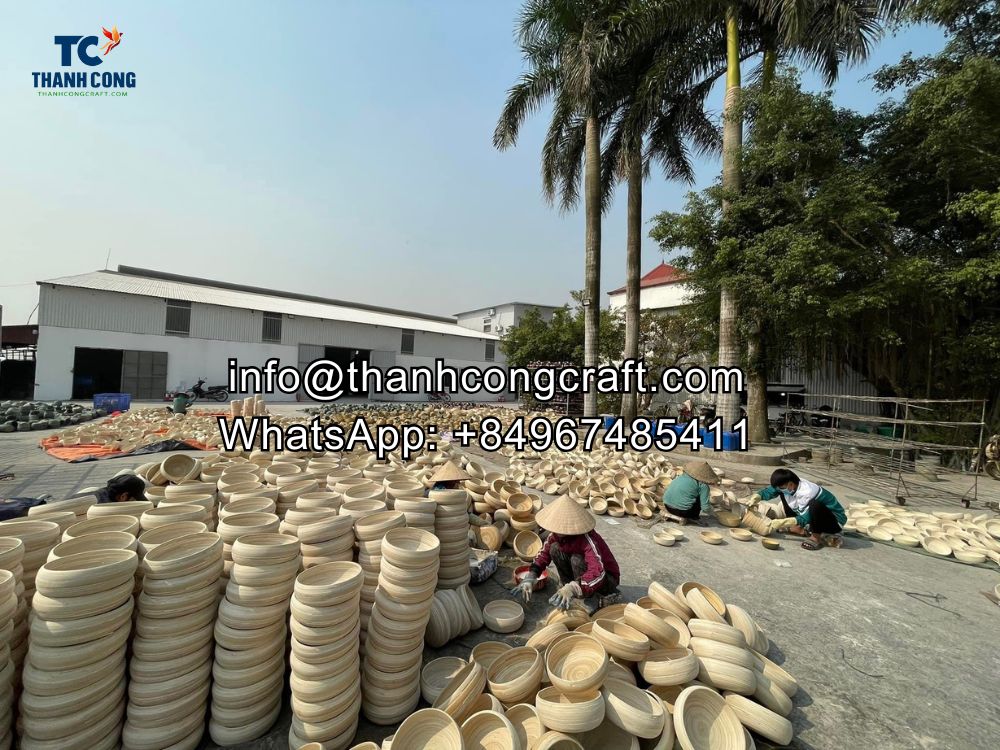
Traditional bamboo bowl making is a meticulous process. Artisans first steam bamboo strips to soften them, making the material pliable enough to mold. They then carefully shape the strips into curved forms, binding and smoothing them until a bowl emerges. Each piece is finished by hand, polished to highlight natural patterns, and coated with safe oils or waxes to preserve durability. Because this process is performed manually, no two bamboo bowls are identical. Each carries its own unique texture, grain, and character.
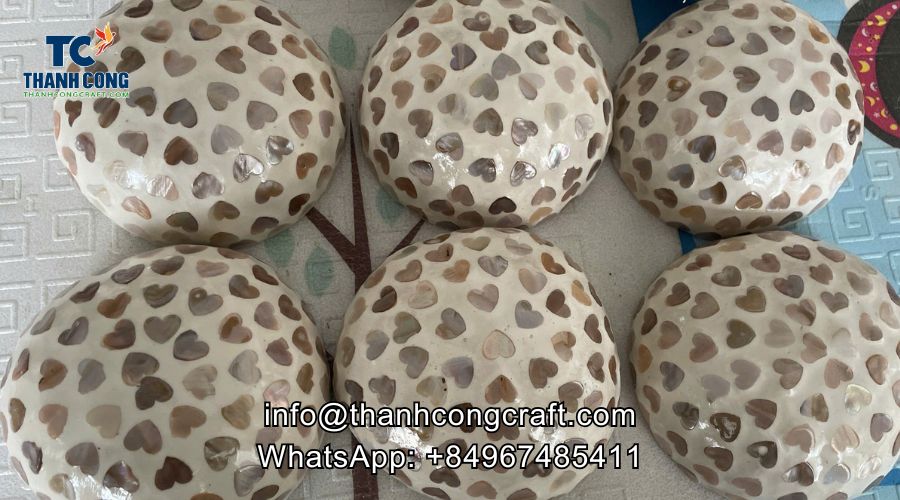
3.2 Modern Adaptations for Global Markets
In response to international demand, many producers now incorporate modern adaptations. These include applying food-safe lacquers, adding engravings, and experimenting with colorful finishes that appeal to contemporary buyers. While tradition remains central, these enhancements allow bamboo bowls to cater to restaurants, retailers, and design-conscious consumers across Europe, North America, and beyond. By merging cultural heritage with modern expectations, bamboo bowls continue to evolve as versatile global products.
3.3 Supporting Artisan Communities
Purchasing authentic bamboo bowls also supports rural communities where bamboo crafting is a source of livelihood. Many artisans in Vietnam, India, and Indonesia rely on bamboo work to sustain their families. By choosing fair-trade and authentic suppliers, importers help preserve traditional knowledge while ensuring artisans are compensated fairly. This not only strengthens local economies but also contributes to the survival of age-old crafts in a rapidly modernizing world.
Read next: Top Most Beautiful Rattan and Bamboo Lamp Designs for Interior Decoration in 2025
4. Design Varieties and Practical Uses
One of the reasons bamboo bowls are beloved is their variety. They range from simple everyday dining bowls to decorative pieces and luxury collections suitable for hotels or restaurants.
4.1 Everyday Dining Bowls
Everyday bamboo bowls are designed with functionality in mind. Lightweight and easy to clean, they are perfect for serving soups, rice, or noodles. Families appreciate their versatility, as they can transition from kitchen to dining table seamlessly. In addition, their neutral aesthetic means they pair effortlessly with ceramic plates or stainless-steel cutlery.
4.2 Decorative and Multi-Purpose Bowls
Beyond the dining table, bamboo bowls shine as decorative objects. Larger versions can be used as fruit baskets, snack holders, or even table centerpieces. When placed on coffee tables, they add a rustic charm to modern homes. Because of their natural look, they also blend harmoniously with potted plants, wooden furniture, and woven textiles. As a result, they function as both practical and aesthetic pieces.
Related reading: Top Most Beautiful Rattan and Bamboo Lamp Designs for Interior Decoration in 2025
5. Care, Maintenance, and Buying Authentic
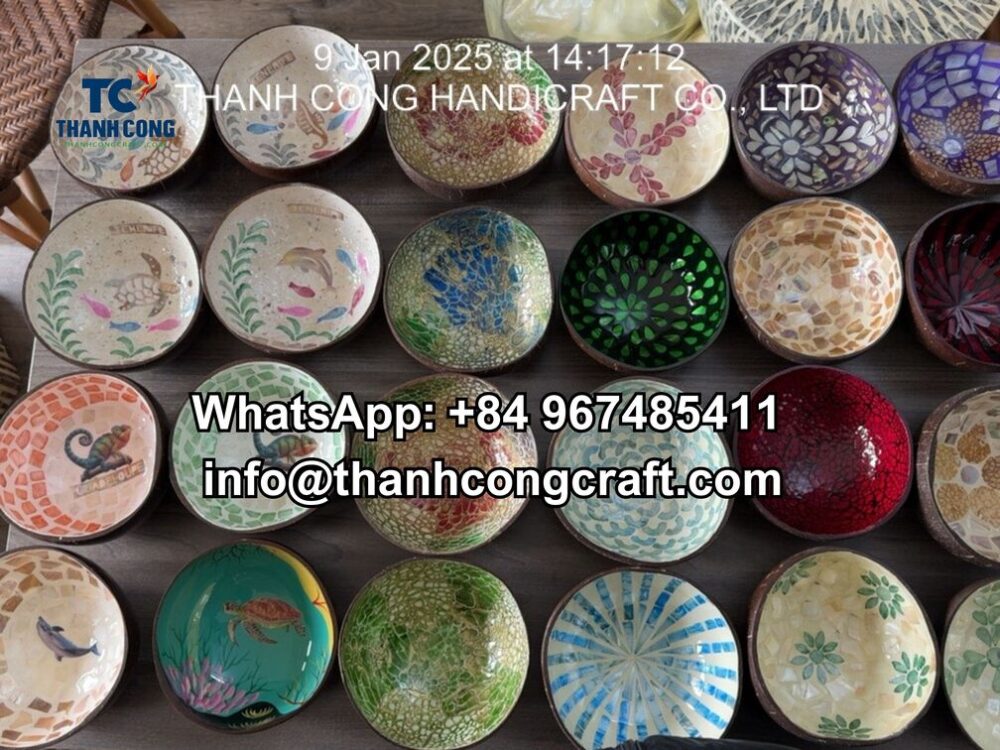
For bamboo weave bowls to maintain their beauty and functionality, proper care and sourcing are essential.
5.1 Care and Longevity
Maintaining bamboo bowls requires simple yet consistent steps. Always wash them by hand using mild soap and lukewarm water, then dry immediately to prevent swelling. To preserve their luster, apply food-safe oil occasionally. Importantly, avoid dishwashers and soaking in water, as these conditions can weaken the fibers. With such care, bamboo bowls can last for many years without losing their natural charm.
5.2 Where to Source Authentic Products
As demand grows, authenticity becomes crucial. Trusted exporters such as Thanh Cong Handicraft ensure that buyers receive sustainably sourced, EU-compliant, and customizable products for wholesale orders. These partnerships not only guarantee quality but also provide transparency in production practices, ensuring that bowls meet international standards.
Related reading:The most popular wholesale rattan and bamboo baskets
Reach out to us today to learn more about our products or to place a wholesale order. We look forward to connecting with you!
- Thanh Cong Handicraft Co., Ltd
- Email: [email protected]
- Tel/WhatsApp: +84967485411
Explore our Products Collection for more choices! Contact Us!


