

Bamboo for crafts has been used for centuries in Asia and is now gaining worldwide attention as a sustainable material for handmade goods. Its natural flexibility, durability, and eco-friendly appeal make it a favorite for artisans, interior designers, and wholesale buyers alike. However, one common question stands out for anyone exploring this material: how can bamboo be bent for creative projects without breaking its structure? This article explores the science, traditional techniques, and modern applications of bamboo bending to help crafters, importers, and retailers understand its full potential.
Contents
1. Understanding Bamboo for Crafts and Its Natural Flexibility
Bamboo for crafts is unlike wood because of its hollow and fibrous structure. This structure makes it lighter yet stronger, which is why artisans value it for creating baskets, lampshades, musical instruments, and even furniture. At the same time, its unique anatomy requires specific handling when bending.
1.1 The Anatomy of Bamboo
Bamboo is a grass, not a tree, which means it grows in segmented culms filled with fibers and silica. These fibers give bamboo tensile strength comparable to steel, but they also make it brittle if bent without preparation. For crafters, knowing the balance between strength and flexibility is essential.
1.2 Why Bending Bamboo Matters in Crafts
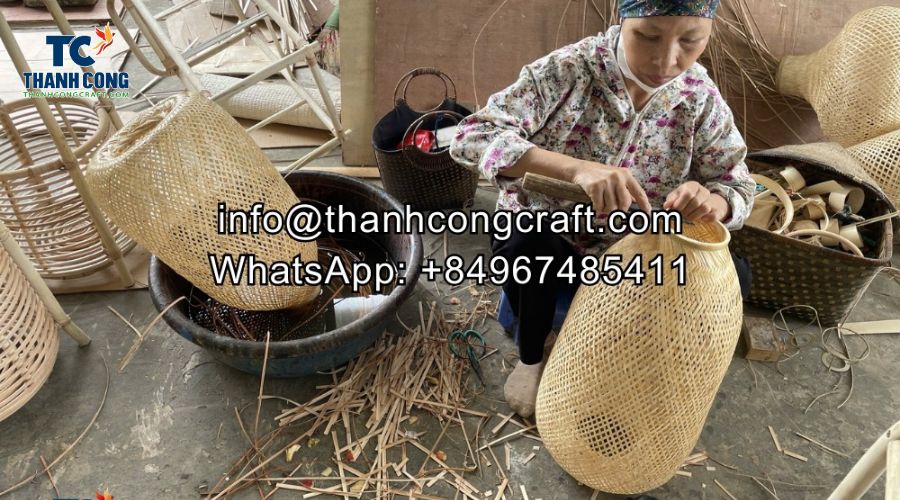
Many bamboo crafts—from curved chair arms to woven baskets—rely on bending techniques. Without bending, artisans would be limited to rigid, straight structures. Learning how to bend bamboo opens doors to more complex designs, which is why training in this technique is crucial for workshops and export-oriented producers in Vietnam, Indonesia, and India.
1.3 Traditional Knowledge Meets Modern Demand
In Vietnam and other Asian countries, bamboo bending is often passed down through generations. Today, international buyers expect both tradition and innovation. Exporters who demonstrate mastery of bending techniques gain credibility when marketing bamboo crafts to Europe, the US, and the Middle East.
Discover how: Handmade Bamboo Bowls – The Perfect Gift for Eco-Lovers
2. Preparing Bamboo for Crafts Before Bending
Artisans cannot bend bamboo for crafts successfully without proper preparation. Skipping this step often causes cracks, splits, or a weakened product that fails to meet export standards.
2.1 Choosing the Right Bamboo Species
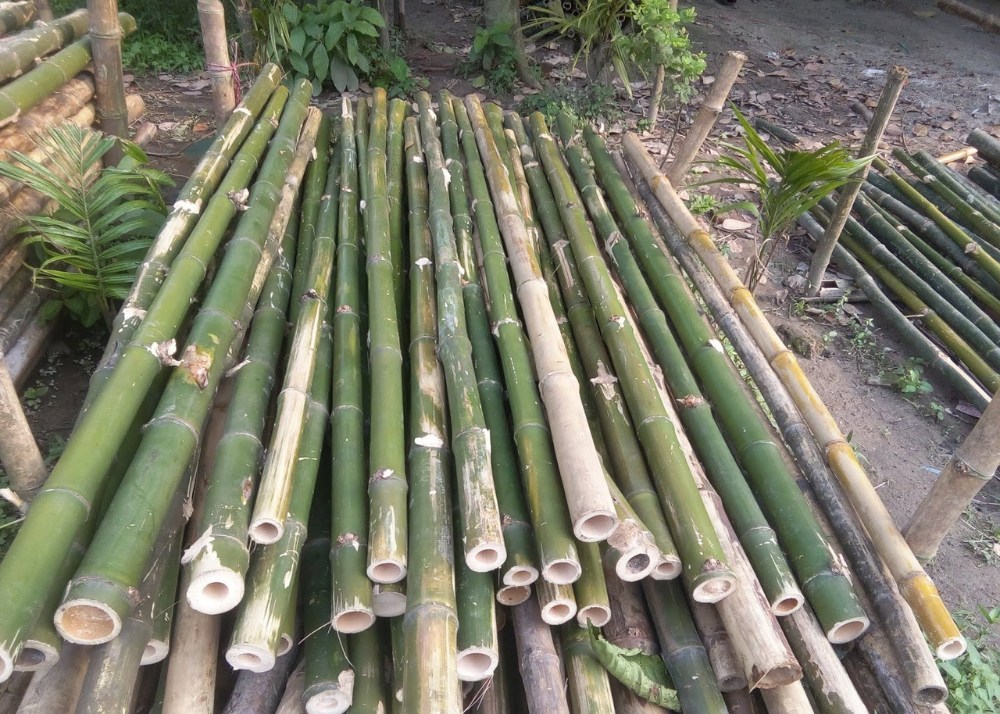
Different species of bamboo offer different levels of flexibility. For example, Tonkin bamboo from Vietnam is highly valued for fine crafts, while thicker species are better suited for furniture. Selecting the right type for bending ensures higher success rates.
2.2 Moisture Content and Timing
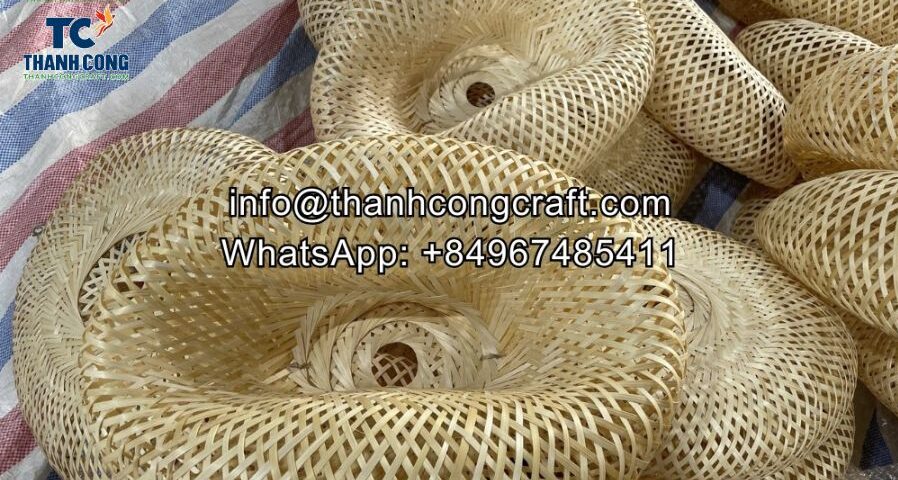
Freshly harvested bamboo is more flexible because it retains natural moisture. However, if used immediately, it may shrink later and distort the final product. Semi-seasoned bamboo, treated with heat or water, offers the best balance between flexibility and stability.
2.3 Pre-Treatment Techniques
Artisans often soak bamboo in water for several hours or days before bending. In industrial production, steam treatment is preferred because it softens fibers quickly without prolonged soaking. This treatment ensures consistent results for wholesale buyers.
3. Techniques to Bend Bamboo for Crafts
Bamboo for crafts requires specific bending techniques depending on the desired product. Traditional methods remain popular, but modern adaptations have allowed for greater precision and scale.
3.1 Heat Bending
Heat bending involves applying direct flame or steam to soften bamboo fibers. Once heated, the culm becomes pliable and can be gently shaped. This technique is widely used for making curved chair legs, lamp frames, or handles. Importers value this method because it ensures long-lasting strength.
3.2 Cold Water Soaking
For smaller crafts such as baskets or musical instruments, artisans often soak thin bamboo strips in cold water. This method takes longer but preserves the natural shine and prevents scorching marks. Crafters who focus on handmade authenticity prefer this traditional approach.
3.3 Using Jigs and Molds
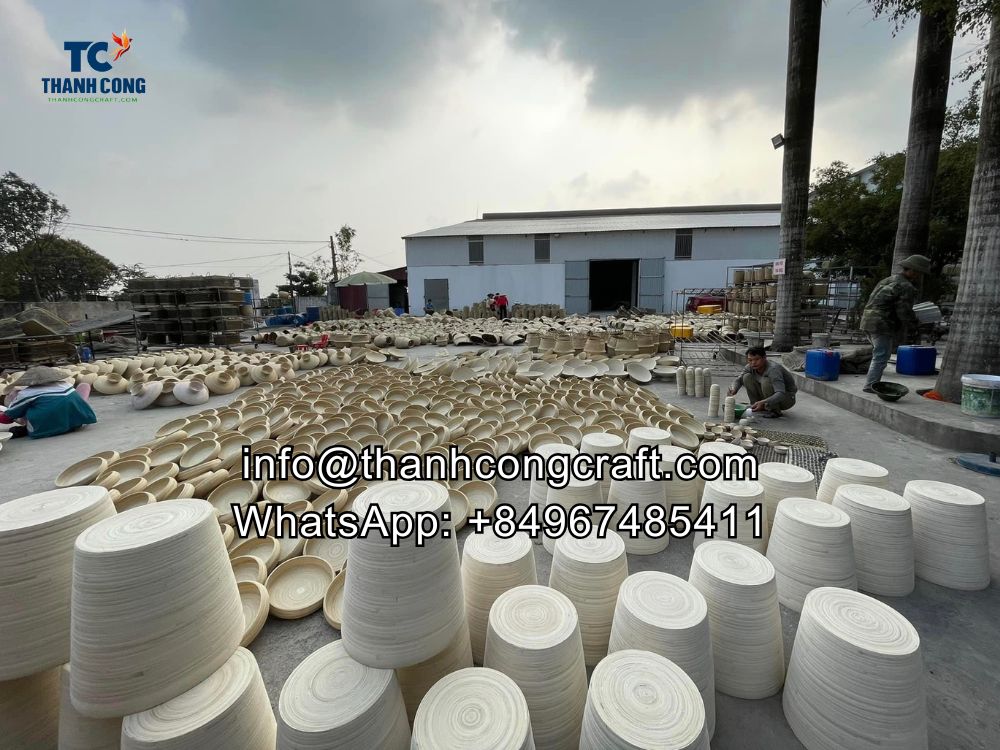
In modern workshops, bamboo is bent around metal or wooden jigs to achieve consistent shapes. This is especially useful for export products that require uniformity, such as sets of lampshades or decorative frames. The mold technique reduces errors and increases efficiency, which is critical for wholesale supply.
3.4 Layering and Splitting
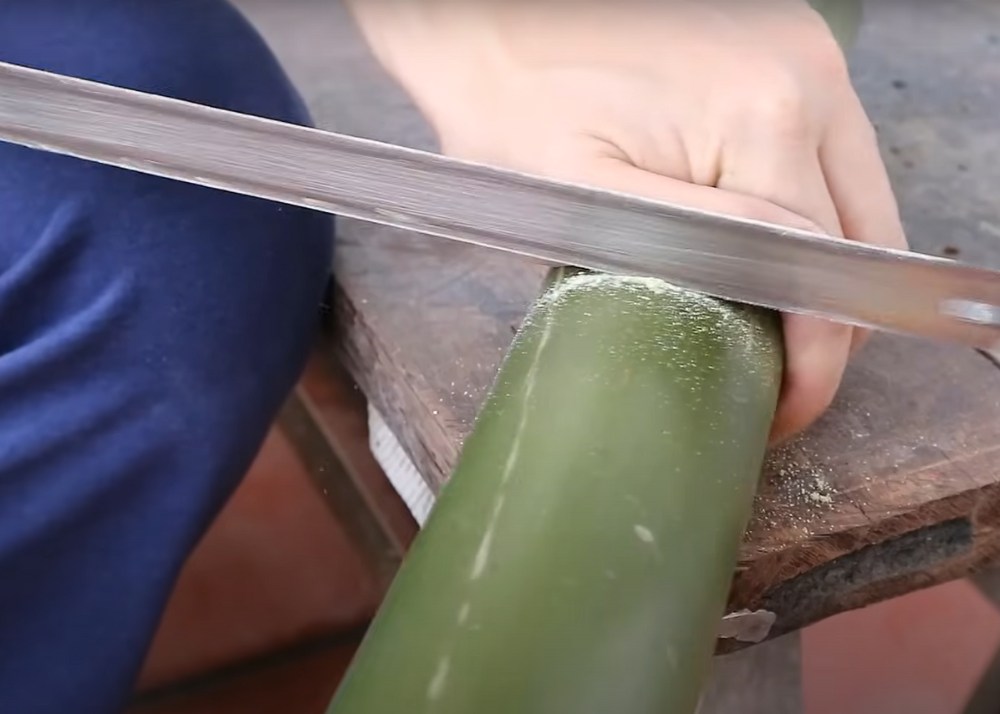
Another approach involves splitting bamboo into thinner strips before bending. Thinner strips bend more easily and can be layered together for strength. This technique is ideal for woven designs that combine flexibility with durability.
Read more about: Top Mistakes to Avoid When Buying Bamboo Product in Bulk
4. Practical Applications of Bending Bamboo in Crafts
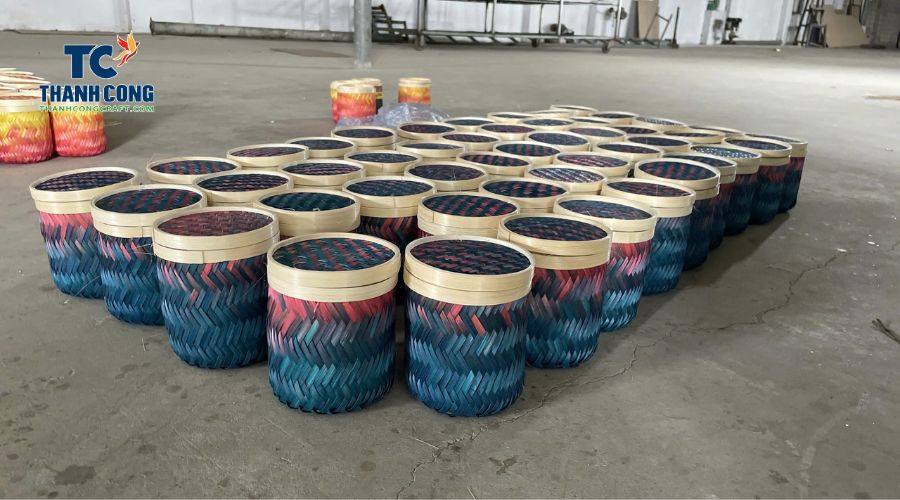
Bamboo for crafts becomes far more versatile once bending is mastered. This technique expands design possibilities and allows artisans to meet international design trends.
4.1 Furniture and Interior Design
Bent bamboo creates elegant furniture forms such as armchairs, stools, and shelving. Its lightweight structure is especially appealing for eco-conscious urban homes in Europe and the US. Exporters who highlight bamboo’s water resistance and durability in marketing gain a strong edge.
4.2 Decorative Crafts
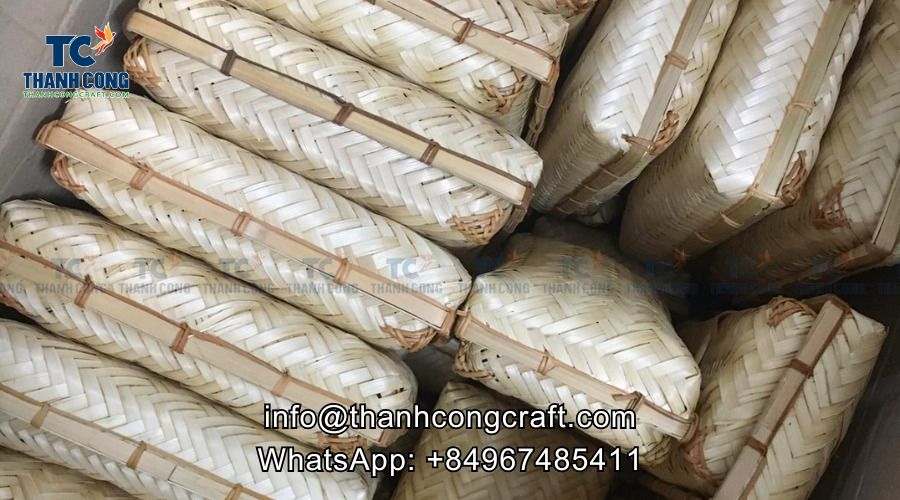
From lantern frames to jewelry holders, bent bamboo offers endless possibilities. Smaller crafts rely on precise bends that give them both strength and beauty. These items are popular in gift markets and premium lifestyle stores abroad.
4.3 Large-Scale Installations
In architecture, bent bamboo is used to construct curved pavilions, gazebos, and even bridges. Vietnamese architects have become pioneers in this field, merging traditional bending skills with modern engineering. For global buyers, such innovation positions bamboo as a material of the future.
5. Long-Term Value of Bamboo Bending in Global Trade
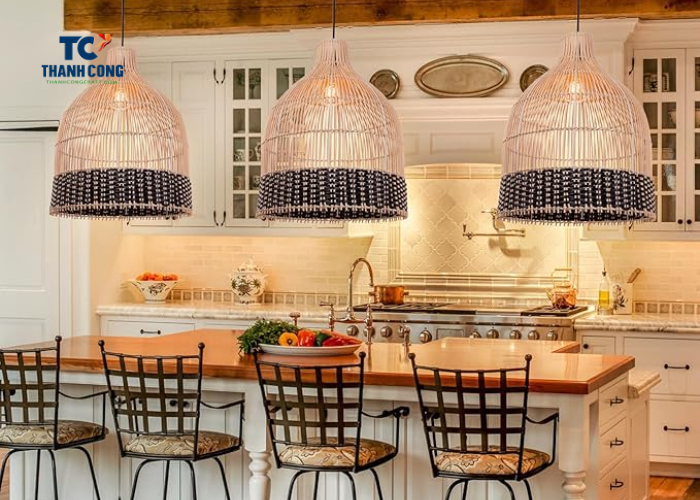
Bamboo for crafts holds lasting value in global markets because bending techniques enhance both functionality and cultural appeal. Eco-conscious consumers seek durable, sustainable products, and when given clear care guides, they become loyal repeat buyers. This not only extends product lifespan but also strengthens brand reputation for importers and retailers.
For suppliers, proper artisan training in bending and finishing ensures higher-quality exports that meet international standards. Combining traditional skills with modern innovations such as eco-certifications, moisture-proof finishes, or flat-pack designs helps exporters stand out. By merging authenticity with innovation, bamboo continues to position itself as a premium, sustainable alternative to plastic and hardwood worldwide.
Related reading: Bamboo Bowls – The Timeless Beauty for Eco-Friendly Homes
Reach out to us today to learn more about our products or to place a wholesale order. We look forward to connecting with you!
- Thanh Cong Handicraft Co., Ltd
- Email: [email protected]
- Tel/WhatsApp: +84967485411
Explore our Products Collection for more choices! Contact Us!


