

Artificial lighting does not cause mother of pearl inlay to fade in the way pigments or printed materials do. The iridescent appearance of mother of pearl comes from natural nacre layering rather than surface colorants. However, prolonged exposure to certain artificial lighting conditions can gradually affect surface finishes, which may alter perceived brightness over time. For B2B buyers, understanding this distinction is essential when specifying products for display-heavy environments.
Contents
- 1. What “Fading” Means When Discussing Mother of Pearl Inlay?
- 2. How Different Types of Artificial Lighting Interact With Mother of Pearl?
- 3. Why Surface Finishes Determine Long-Term Appearance More Than Light Exposure?
- 4. How Display Duration and Environment Influence Visual Change?
- 5. How Regional Market Practices Affect Lighting-Related Performance?
1. What “Fading” Means When Discussing Mother of Pearl Inlay?
When evaluating fading in mother of pearl inlay, buyers should first distinguish between material color change and surface appearance change. Mother of pearl contains no dyes or inks. Its visual effect results from microscopic calcium carbonate layers that refract light. Because of this structure, true color fading does not occur under artificial lighting.
What buyers often interpret as fading is usually a reduction in surface gloss or contrast. This change relates to wear or degradation of protective finishes rather than to the nacre itself. As finishes age, light reflection becomes less sharp, making the inlay appear less vibrant even though the shell remains structurally unchanged.
From a manufacturing standpoint, fading complaints typically point to finish performance rather than material failure. Correctly defining this term helps buyers avoid misdiagnosing long-term appearance changes.
Explore our post: Are Mother of Pearl Placemats Heat-Resistant?
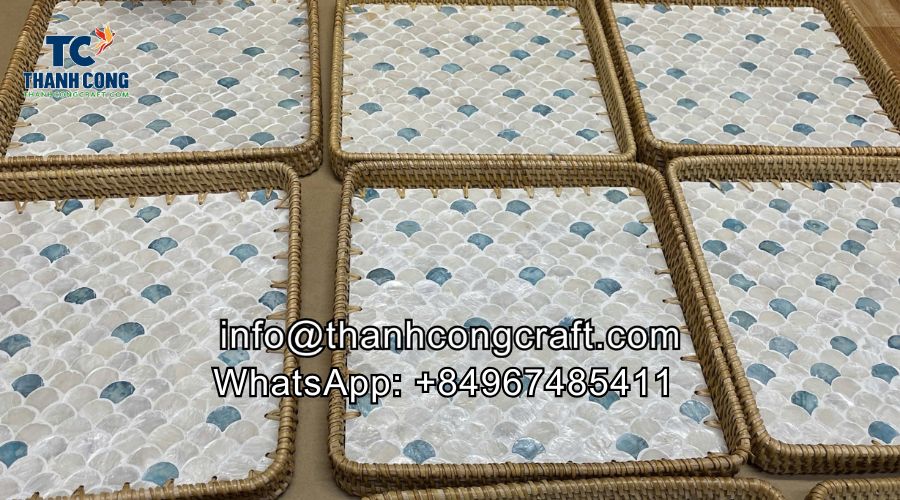
2. How Different Types of Artificial Lighting Interact With Mother of Pearl?
Artificial lighting affects mother of pearl inlay mainly through heat buildup and surface interaction rather than true color degradation. The nacre structure itself remains stable under most artificial light sources. As a result, lighting conditions rarely cause direct fading of the shell.
Standard LED lighting produces minimal UV radiation and limited heat. In these environments, mother of pearl inlay maintains its brightness and depth even after prolonged exposure. This stability explains why LED lighting poses little risk in residential interiors and most commercial spaces.
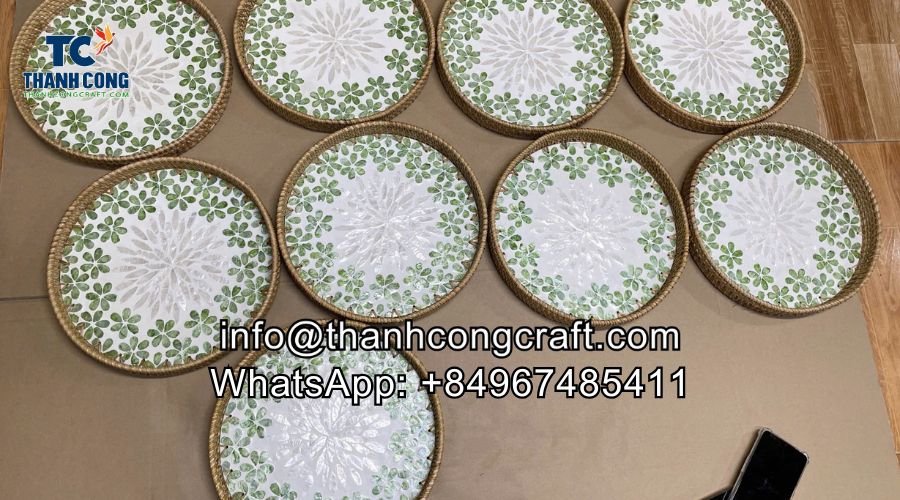
Halogen lights and high-intensity display systems generate higher localized temperatures. When exposure remains constant, heat accelerates aging in surface finishes, especially in enclosed or poorly ventilated displays. Although the shell does not lose color, the finish may gradually lose clarity, creating a duller appearance.
From an industry standpoint, lighting type matters most in retail and hospitality settings where illumination remains continuous. Buyers specifying mother of pearl products for these environments should assess lighting intensity and heat output alongside material and finish selection.
From an industry perspective, lighting type matters more in commercial display settings than in residential interiors. Buyers specifying products for retail or hospitality use should evaluate lighting intensity alongside material selection.
3. Why Surface Finishes Determine Long-Term Appearance More Than Light Exposure?
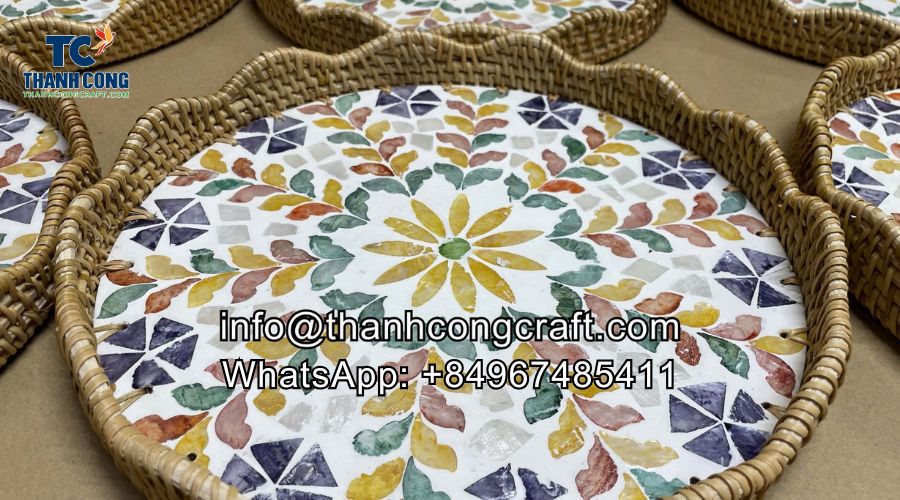
Surface finishes serve as the critical interface between artificial lighting and mother of pearl inlay. While the nacre itself resists fading, the finish layer directly absorbs light, heat, and environmental exposure. Under continuous artificial lighting, especially LED or halogen sources, UV-sensitive lacquers and low-grade sealants may gradually yellow, cloud, or lose clarity. As a result, light reflection becomes less sharp, creating a perceived dulling rather than true material fading.
High-quality, UV-stable finishes significantly reduce this risk. These finishes regulate heat transfer, prevent micro-oxidation, and maintain optical transparency over time. Importantly, they protect the shell without flattening its natural depth or iridescent layering. From a manufacturing standpoint, finish selection often determines whether lighting-related appearance changes appear after years or remain negligible.
For B2B buyers, finish specifications should be treated as a performance variable rather than a purely decorative decision. Even under identical lighting conditions, inconsistent finishing systems produce inconsistent aging outcomes. Clear finish standards therefore play a decisive role in maintaining long-term visual consistency across projects and markets.
Learn more about: Can Mother of Pearl Trays Be Used for Food?
4. How Display Duration and Environment Influence Visual Change?
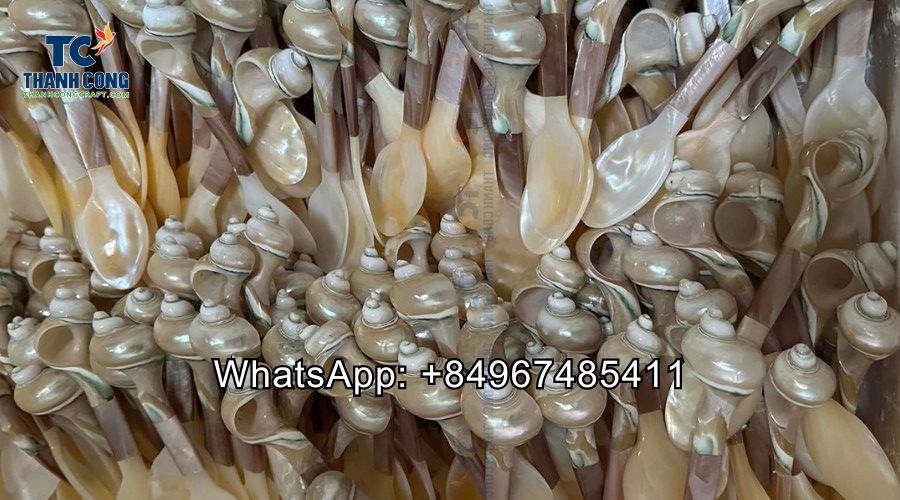
The duration and intensity of artificial lighting exposure strongly influence perceived aging. Mother of pearl inlay used in residential interiors typically experiences limited daily exposure and shows negligible change over time. In contrast, products placed under continuous lighting in retail displays face cumulative surface stress.
Heat buildup near spotlights or recessed lighting accelerates finish wear more than ambient lighting does. Inlay positioned close to light sources experiences greater thermal fluctuation, which can dull surface clarity gradually. These effects develop slowly and rarely indicate immediate material failure.
Understanding display context helps buyers predict real-world performance. Long-term display environments require different finish and placement strategies than standard residential use.
5. How Regional Market Practices Affect Lighting-Related Performance?
Regional lighting practices influence how mother of pearl inlay performs visually over time. In the United States, widespread use of LED lighting minimizes lighting-related risks. Designers typically use mother of pearl as an accent under ambient lighting, which supports long-term appearance.
In the European Union, especially Western Europe, lighting design emphasizes softness and balance. Controlled illumination and shorter display durations reduce finish stress, making lighting-related issues uncommon. Buyers in this market often prioritize subtle inlay patterns over high-gloss surfaces.
In the Middle East, luxury interiors and hospitality spaces frequently use strong accent lighting to highlight decorative materials. Combined with long operating hours, this increases cumulative exposure. Manufacturers often respond by specifying thicker or more resilient finishes for this market.
These regional differences show why lighting considerations must align with market-specific interior practices rather than relying on generalized durability claims.
See our article on: What Makes Oud Burn Better in a Mother of Pearl Mabkhara?
Reach out to us today to learn more about our products or to place a wholesale order. We look forward to connecting with you!
- Thanh Cong Handicraft Co., Ltd
- Email: [email protected]
- Tel/WhatsApp: +84967485411
Explore our Products Collection for more choices! Contact Us!


