

Coconut shell candles wholesale is one of the fastest-growing niches in sustainable home décor and gifting. Retailers in the U.S., Europe, and Asia are increasingly stocking these unique candles because they combine eco-friendly materials with handmade craftsmanship. What was once seen as a novelty item is now a staple in eco-lifestyle retail, spa supply chains, and boutique gifting markets.
This article explores why smart importers are flocking to coconut shell candles wholesale. It uncovers hidden strategies, cost structures, risk management techniques, and long-term opportunities for building sustainable supply chains.
Contents
1. Why Coconut Shell Candles Wholesale Captures Global Demand
1.1 Eco-Friendly Lifestyle Appeal
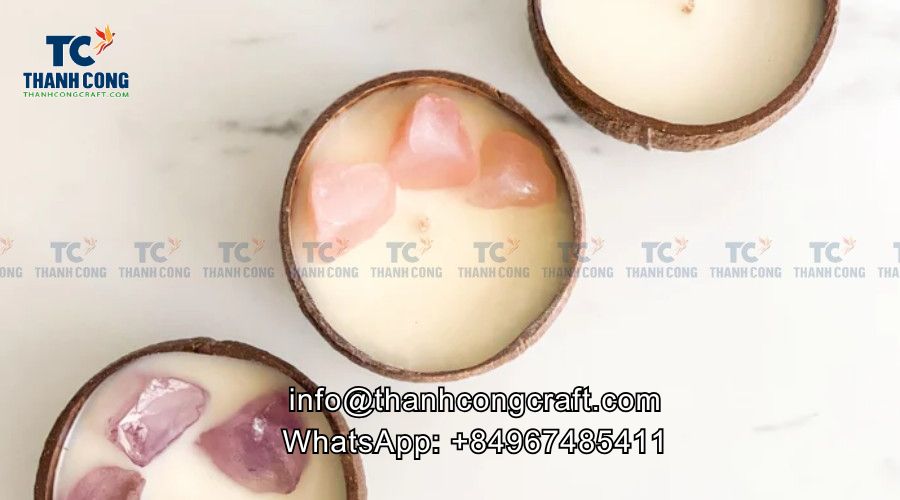
Coconut shell candles wholesale products align perfectly with rising eco-conscious consumer behavior. Consumers are rejecting plastics and synthetic containers in favor of natural, biodegradable alternatives. Coconut shells are an abundant byproduct of the coconut industry, and transforming them into candle holders prevents waste while promoting sustainability.
Retailers leverage this eco-narrative as a strong marketing point. By highlighting natural origins and zero-waste practices, brands position coconut shell candles as premium lifestyle items. This positioning is why buyers can retail a candle that costs $3 to import for as much as $18–25 in Western boutiques.
1.2 Unique Aesthetic and Functional Versatility
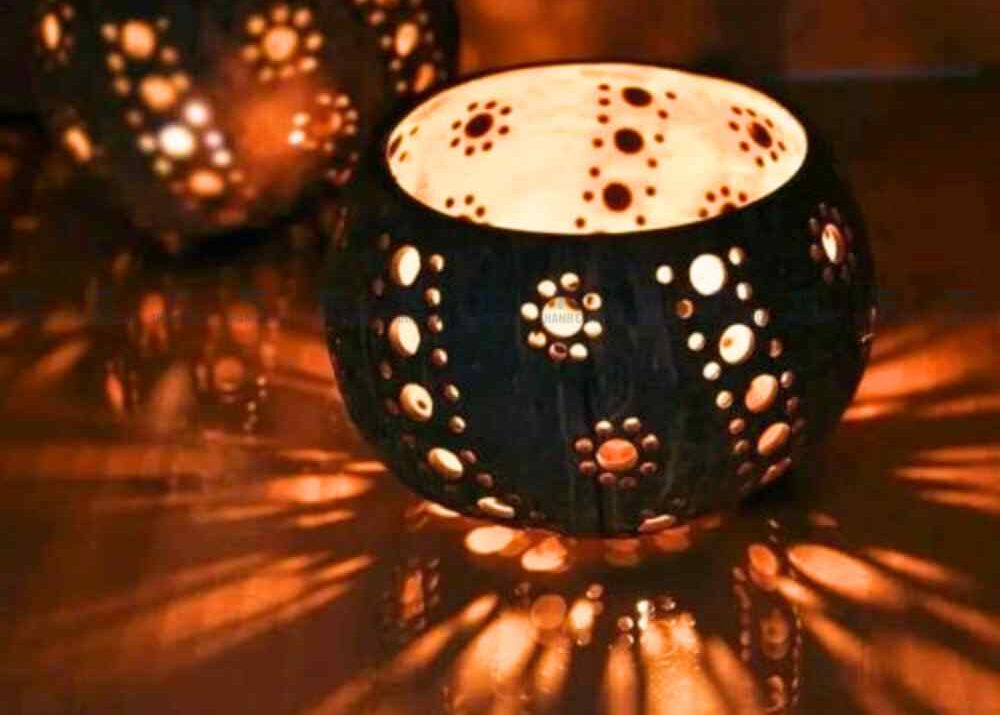
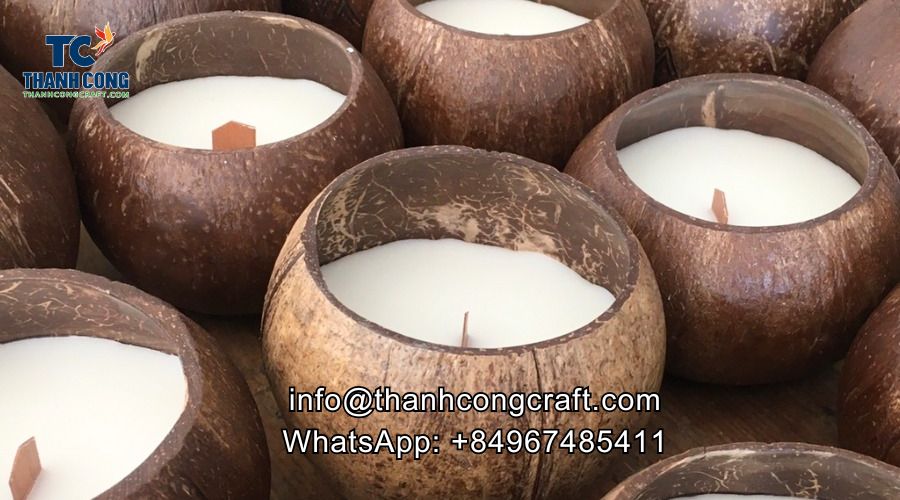
Unlike glass or tin candle holders, coconut shell candles offer a rustic, tropical look. Each shell is slightly different, giving every product a natural uniqueness. This individuality appeals to consumers who value handmade authenticity.
Beyond home décor, these candles are used in spas, yoga studios, and hotels. They create a calming, natural ambiance while reinforcing eco-luxury branding. The same wholesale item that sells in eco-lifestyle shops can also be marketed as event décor or wedding favors.
1.3 Affordable Luxury With High Margins
Coconut shell candles wholesale sourcing remains cost-effective compared to ceramic or glass candleware. Production costs in Vietnam and Indonesia are significantly lower thanks to skilled artisans and abundant raw material supply. Importers can secure products at $2–5 per unit FOB while enjoying retail markups of 300% or more.
This affordability makes coconut shell candles attractive even in price-sensitive markets. When positioned as eco-luxury rather than cheap décor, they maintain healthy margins while still being accessible to consumers.
Learn why Coconut Bowl Benefits: Why Smoothie Lovers Prefer It at Home
2. Key Sourcing Hubs for Coconut Shell Candles Wholesale
2.1 Vietnam’s Handicraft Advantage
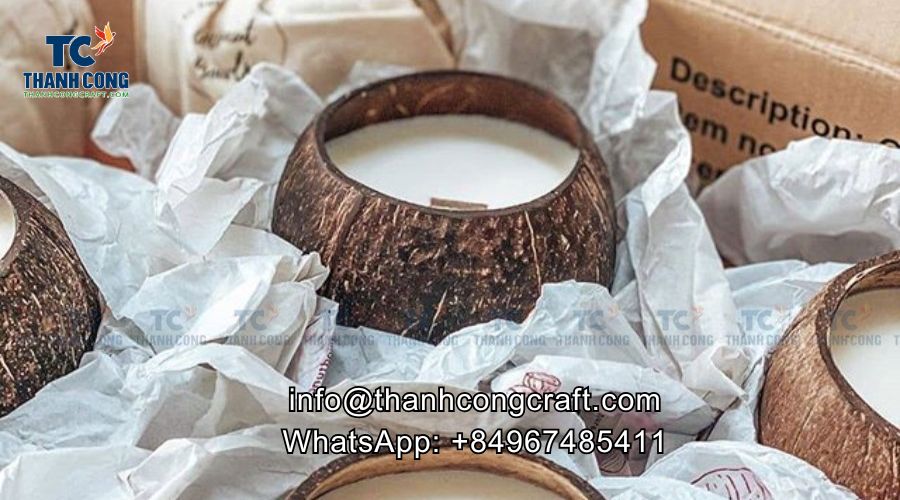
Vietnam has become a leading exporter of eco-friendly products, including coconut shell candles. Handicraft villages in Ben Tre and surrounding provinces specialize in processing coconut shells into durable, polished holders. Vietnamese suppliers often combine traditional craftsmanship with modern designs, producing wholesale lines that appeal to both Western and Asian markets.
Vietnam also benefits from strong logistics infrastructure. Ports like Cat Lai and Hai Phong connect directly to the U.S. and Europe, ensuring shorter lead times. Furthermore, trade agreements such as EVFTA reduce tariffs for EU buyers.
2.2 Indonesia’s Cultural and Production Strength
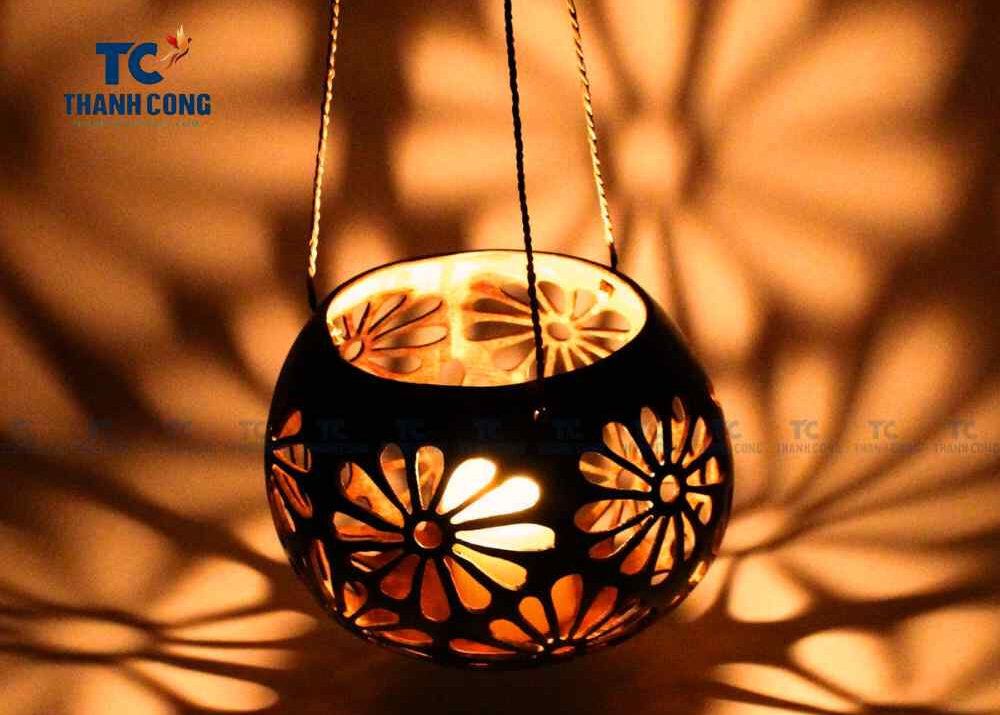
Indonesia, with its vast coconut plantations, is another hub for wholesale coconut shell candles. Artisans from Bali and Java create designs inspired by local traditions, often combining coconut shells with carvings or natural finishes. For importers targeting lifestyle or yoga markets, Bali-sourced candles hold strong appeal.
2.3 The Philippines and Niche Innovation
The Philippines contributes smaller but highly innovative production. Suppliers often pair coconut shell candles with infused essential oils, aromatherapy blends, or carved shell designs. Importers sourcing from the Philippines often aim for niche, premium markets rather than large-volume orders.
3. Cost Breakdown of Coconut Shell Candles Wholesale
Importers often assume that factory prices represent the full expense, but landed cost includes far more. Understanding these components helps prevent budget shocks and ensures accurate profit calculations.
- Factory Price vs. Landed Cost
A $3 candle FOB Manila may cost $6 once landed in Los Angeles after shipping, insurance, and duties. Retailers, however, still mark it up to $20, leaving healthy room for profit. - Minimum Order Quantities (MOQs)
Suppliers typically set MOQs at 500–1,000 units depending on design complexity. Importers can negotiate mixed containers with several scents or finishes to test markets without overstocking. - Packaging and Labeling
Coconut shell candles need durable packaging. Shells are fragile and must be cushioned with recyclable fillers. Export packaging requires compliance with international standards, while retail packaging adds branding but raises per-unit costs. - Freight and Shipping Fluctuations
Ocean freight is most economical, though costs vary based on global demand. Importers shipping less-than-container loads (LCL) should prepare for higher per-unit costs. Air freight is reserved for urgent deliveries but may erase margins due to expense. - Insurance and Risk Management
Marine insurance, typically 0.3–0.5% of shipment value, protects against loss or damage. While optional, it is recommended for natural, fragile items like coconut shell candles.
Learn how: How to Make a Coconut Bowl: A Natural Craft in 6 Steps
4. Challenges in Coconut Shell Candle Imports and Risk Prevention
4.1 Mold and Moisture Risks
Like other natural products, coconut shell candles are vulnerable to humidity. Poorly dried shells can develop mold during ocean transit. Suppliers often use heat-drying, silica gel packs, or fumigation to minimize risk. Importers must confirm these treatments before shipment.
4.2 Quality Control Inspections
Skipping inspections is a costly mistake. Third-party checks at $250–350 per day in Vietnam or Indonesia ensure consistency in polishing, wax filling, and fragrance quality. A rejected shipment due to cracks or poor finishing can wipe out months of profit.
4.3 Compliance and Certifications
Markets like the EU require certifications such as REACH compliance for candle safety and packaging. Eco-conscious buyers also look for fair-trade or FSC labels. These certifications add cost but enhance consumer trust and brand credibility.
Read about: Coconut products attract tourists by their unique and eye-catching appearance
5. Long-Term Opportunities With Coconut Shell Candles Wholesale
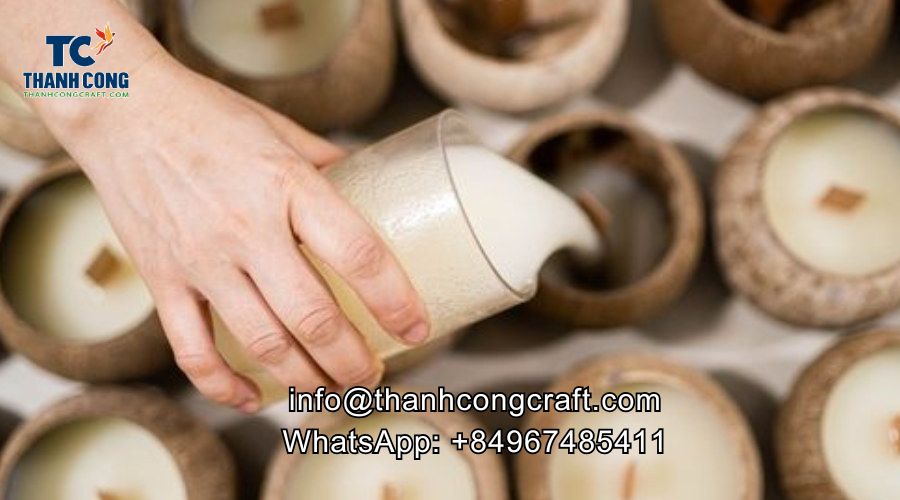
Coconut shell candles are more than a passing trend; they represent long-term opportunities for importers building eco-luxury product lines. By leveraging private labeling, custom scents, or engraved branding, retailers can transform standard candles into signature lifestyle products.
Niche applications also expand revenue potential. Hotels, spas, yoga studios, and event planners all purchase in bulk, creating stable B2B channels alongside consumer retail. This diversification reduces dependence on a single market segment.
Finally, smart importers grow their portfolios by expanding beyond coconut shell candles. Many suppliers also produce bamboo décor, rattan baskets, and seagrass homeware. Once a relationship is established, scaling into these categories strengthens supply chains while maximizing long-term profit.
Reach out to us today to learn more about our products or to place a wholesale order. We look forward to connecting with you!
- Thanh Cong Handicraft Co., Ltd
- Email: [email protected]
- Tel/WhatsApp: +84967485411
Explore our Products Collection for more choices! Contact Us!


