

Coconut Shell products form a core part of today’s sustainable handmade market because recycled shells can be transformed into high-quality décor, tableware, candles, planters and gift items. This article discusses why coconut shell recycling matters and how artisans elevate this natural material into functional products with strong commercial appeal.
Contents
- 1. Coconut Shell Recycling & Its Environmental Impact
- 2. Coconut Shell Bowls: Natural Beauty, Durability and Strong B2B Market Appeal
- 3. Coconut Shell Planters: Breathable, Lightweight and Ideal for Modern Green Spaces
- 4. Coconut Shell Cooking Tools: Safe, Heat-Resistant and Favoured by Conscious Consumers
- 5. Coconut Shell Candles and Home Décor Sets: Artistic, Biodegradable and Highly Giftable
1. Coconut Shell Recycling & Its Environmental Impact
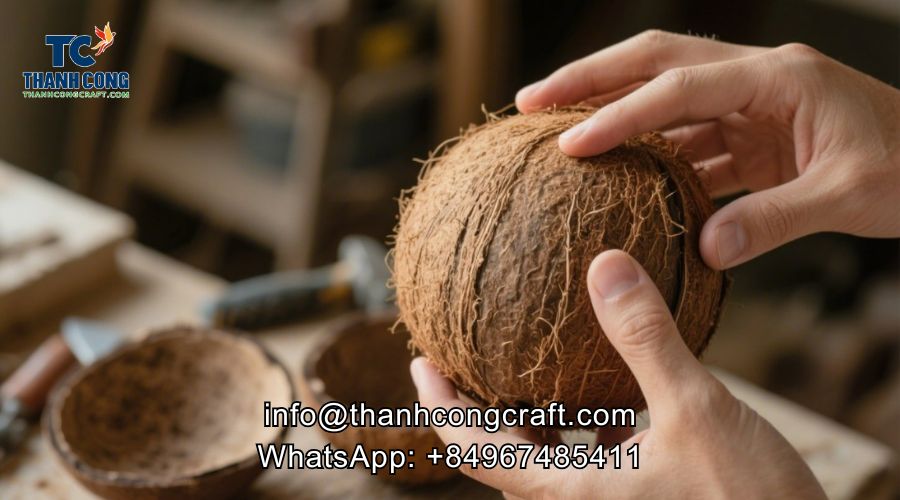
Coconut Shell recycling is one of the most efficient ways to reduce agricultural waste while supporting low-carbon handcrafted production. Instead of being burned or discarded, the shells are collected, cleaned, and transformed into durable decorative items. This process reduces CO₂ emissions, protects local environments, and creates stable income for artisan communities.
Recycling also supports the circular economy, as the raw material supply is renewable year-round. In many producing regions, coconut shell craft has become an essential way to stabilise rural employment while meeting the global demand for eco-friendly goods.
Discover more post: Coconut Shell Candles Wholesale Dealers Don’t Want You to Know
2. Coconut Shell Bowls: Natural Beauty, Durability and Strong B2B Market Appeal
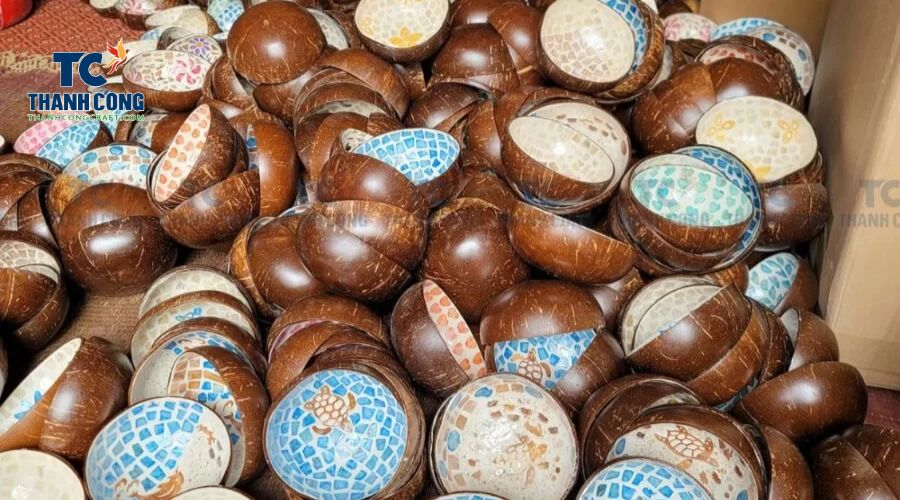
Coconut Shell bowls remain one of the most recognised and commercially successful products made from recycled coconut shells because they balance aesthetic appeal with practical functionality. When the shell is polished and coated with a food-safe finish, it becomes a lightweight yet durable bowl suitable for everyday use. The natural curvature of each shell results in a unique organic silhouette, which is why cafés, smoothie bars, and health-focused restaurants frequently choose coconut bowls to elevate their food presentation.
Beyond hospitality, the bowls also perform exceptionally well in the home décor and gift markets. Consumers appreciate items that appear handcrafted and ethically sourced, and coconut bowls consistently meet these expectations. They feel warm and tactile, and because no two shells share the same shape, purchasers receive individual pieces with small variations that signal authenticity. Retailers often use these bowls to complement bohemian, tropical, rustic or eco-lifestyle collections, as the material blends seamlessly with rattan, bamboo, seagrass and other natural fibres.
For spas and wellness centres, coconut bowls offer a clean, natural-looking container for herbal scrubs, oils and bath salts. In many B2B cases, buyers request engraving, mother-of-pearl inlays or custom lacquering to create premium versions tailored to specific markets. As global interest in low-waste living grows, coconut bowls continue to gain traction because they provide an alternative to plastic or ceramic tableware while maintaining both durability and aesthetic charm.
See our posts: Are Coconut Bowls Microwave Safe for Long-Term Use?
3. Coconut Shell Planters: Breathable, Lightweight and Ideal for Modern Green Spaces
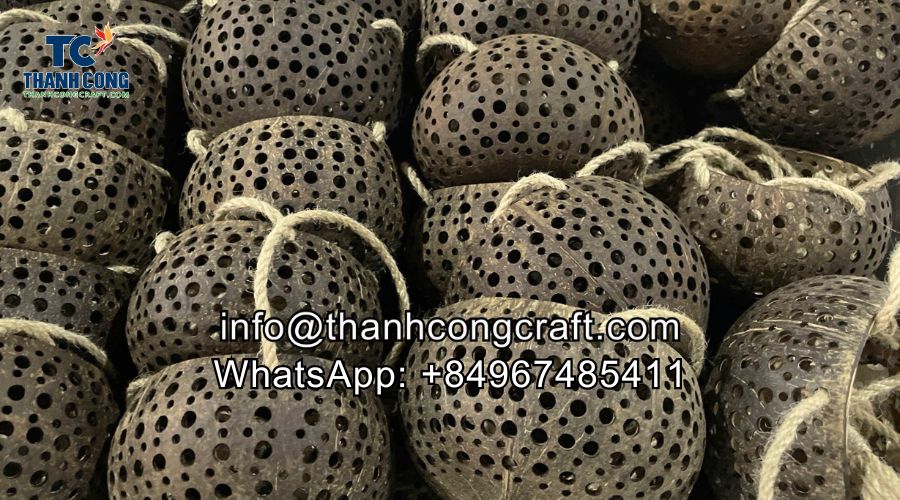
Coconut Shell planters represent another strong category within the recycled coconut product line, appreciated for their ability to support plant health while enhancing interior style. Because coconut shells are naturally breathable, they help regulate moisture around the roots and reduce the risk of waterlogging, making them particularly suited for herbs, small houseplants and succulents. Their earthy textures create a warm, organic feel that pairs effectively with wooden furniture, woven baskets and boho-inspired décor themes.
In commercial spaces such as boutique hotels, cafés, and wellness studios, designers choose coconut shell planters to reinforce natural aesthetics. The lightweight nature of the shell makes it easy to create hanging planters or wall-mounted plant displays without adding structural stress. Additionally, artisans can carve or stain the exterior of the shell to match a brand’s interior palette. Many wholesale buyers report that coconut planters perform especially well as gift items, as they combine practicality with a sculptural appearance that stands out on display shelves.
Retailers also favour coconut shell planters because they position the product as both sustainable and visually distinctive. While traditional ceramic pots require high-temperature kilns and synthetic glazes, coconut planters rely on low-energy hand processes. Consequently, these planters appeal strongly to environmentally conscious consumers seeking biodegradable or low-impact alternatives.
4. Coconut Shell Cooking Tools: Safe, Heat-Resistant and Favoured by Conscious Consumers
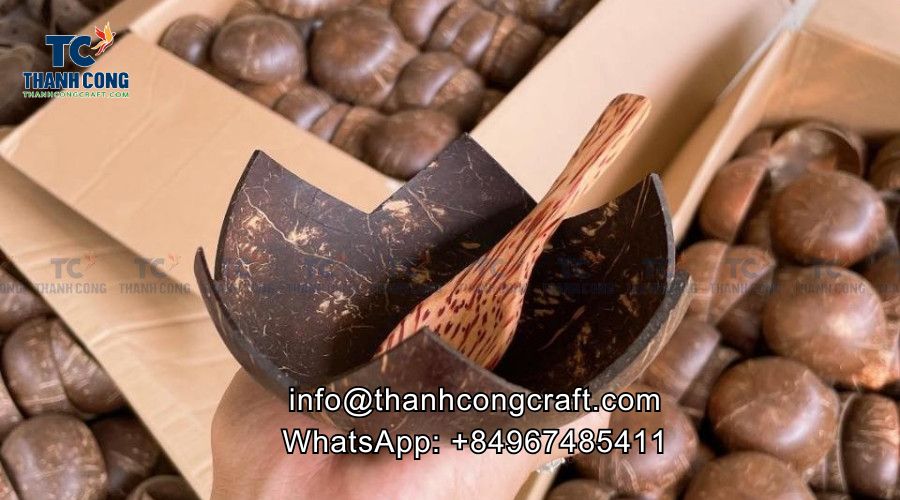
Coconut Shell cooking tools demonstrate how recycled natural materials can replace synthetic utensils without compromising durability or usability. When properly shaped and sanded, coconut shells create sturdy scoops, ladles, spatulas, and serving spoons that withstand daily cooking and serving tasks. Their natural heat resistance allows them to be used safely with hot foods, and because the surface is smooth and non-abrasive, the utensils do not damage non-stick cookware.
For health-conscious households, coconut shell utensils offer an appealing option since they avoid the chemical coatings or petroleum-based plastics often found in mass-produced kitchen tools. The tactile, handcrafted feel of each piece brings a natural warmth to food preparation, making them especially attractive in rustic or nature-inspired kitchen setups. Many restaurants and farm-to-table eateries adopt coconut utensils to reinforce their identity as sustainable establishments.
In B2B contexts, coconut shell cooking tools frequently appear in curated kitchenware collections that combine bamboo, coconut wood and coconut shell elements for cohesive branding. Gift boxes containing themed sets—such as a coconut bowl paired with a shell scoop and a wooden spoon—are increasingly common among wholesalers targeting eco-friendly markets. The popularity of these tools continues to rise alongside global trends favouring low-waste, biodegradable household items.
Explore more: Are Coconut Bowls Dishwasher Safe for Busy Families?
5. Coconut Shell Candles and Home Décor Sets: Artistic, Biodegradable and Highly Giftable
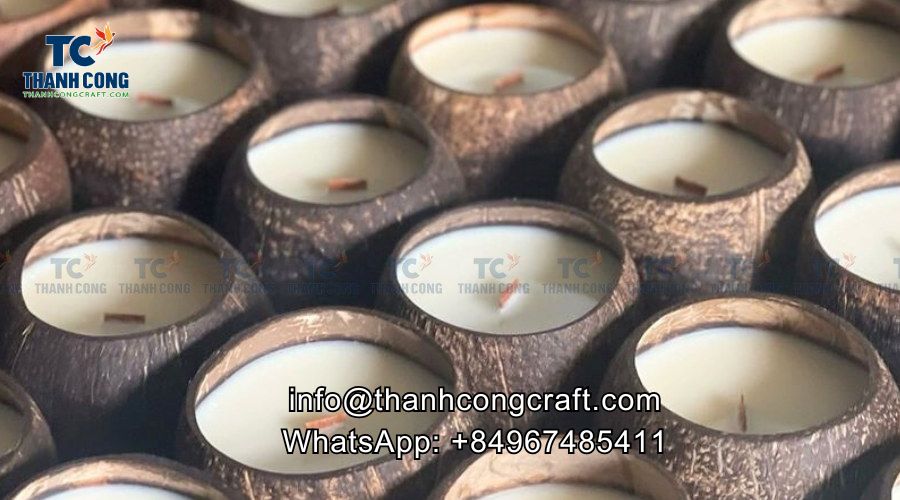
Coconut Shell candles have emerged as a top-performing décor item due to their blend of natural beauty, functionality and sustainable appeal. When filled with soy or beeswax, the hollowed shell becomes a warm, handcrafted candle that fits seamlessly into spa, resort and wellness environments. After the candle has melted, the shell can be reused for storage, planting or display, making it an appealing zero-waste option for consumers.
Home décor collections based on coconut shells extend beyond candles. Artisans craft desk organizers, miniature storage bowls, trinket trays, tea-light holders and sculpted ornaments from the same material. Each piece retains the natural imperfections, grain patterns and curvature of the shell, which adds to its authenticity. These products are especially popular in gift shops looking for small yet visually impactful handmade items.
For B2B buyers, coconut shell décor provides reliable advantages: lightweight shipping, strong storytelling value, low environmental impact, and a unique appearance that appeals to customers seeking natural-looking artisanal products. The combination of organic texture and smooth finishing allows the products to integrate effortlessly into home décor stores, boho boutiques and wellness-lifestyle retailers.
Reach out to us today to learn more about our products or to place a wholesale order. We look forward to connecting with you!
- Thanh Cong Handicraft Co., Ltd
- Email: [email protected]
- Tel/WhatsApp: +84967485411
Explore our Products Collection for more choices! Contact Us!


