

Both mother-of-pearl inlay and lacquerware are exquisite forms of Vietnamese traditional craftsmanship, each reflecting the rich cultural heritage and artisanal skill of the country. However, these two art forms differ in materials, techniques, durability, and aesthetic appeal. So when it comes to choosing a meaningful and luxurious gift, which one is more suitable? In this article, we’ll provide a detailed comparison between mother-of-pearl inlay and lacquerware, helping you make the most informed decision for your special gift.
Contents
1. Origins of Mother-of-Pearl Inlay and Lacquerware
Before diving into the specifics of each product, let’s explore the origins of mother-of-pearl inlay and lacquerware in the market.
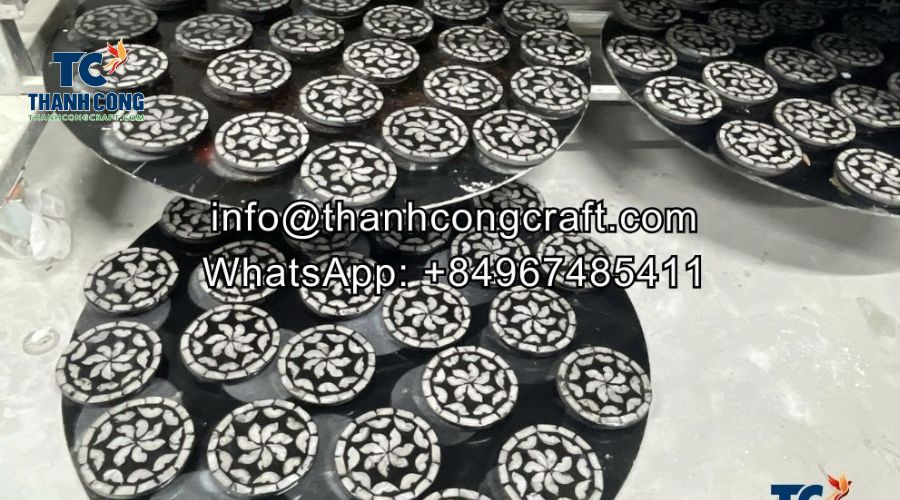
Mother-of-pearl inlay is an ancient craft technique that originated in various Asian countries and flourished particularly in China, Japan, and Vietnam. This art form involves skillfully cutting and shaping natural shell materials—such as oyster, clam, and snail shells—and inlaying them onto wooden surfaces. The surface is then carefully polished to reveal shimmering, iridescent patterns that resemble the glow of pearls.
Lacquerware, on the other hand, is also a form of traditional fine art that traces its roots to the use of natural lacquer sap to coat and preserve wooden objects. In Vietnam, this craft has been innovated and elevated beyond mere decoration. Vietnamese artisans have transformed lacquerware into a distinctive artistic medium, turning it into an iconic symbol of modern Vietnamese painting—widely recognized and appreciated on the international stage.
2. Detailed Comparison: Mother-of-Pearl Inlay vs. Lacquerware
To help you better understand the unique features of mother-of-pearl inlay and lacquerware, and choose the most suitable product for your space or gift-giving purpose, let’s explore the following aspects:
2.1. Material and Craftsmanship
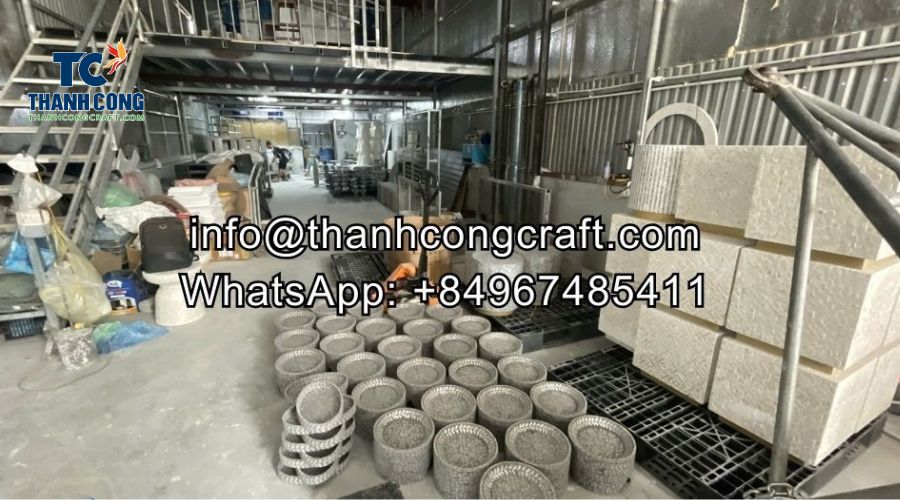
Mother-of-pearl inlay involves using finely cut pieces of natural shells—such as oyster, clam, or abalone—which are intricately inlaid onto wooden surfaces. The surface is then polished to create a lustrous, iridescent effect. This process demands high-level craftsmanship and meticulous attention to detail.
Lacquerware, on the other hand, is crafted using sơn ta—a special tree resin native to Vietnam. Each piece typically goes through 10 to 20 layers of lacquer, with every layer requiring time to dry, be sanded smooth, and reapplied. In some designs, artists incorporate gold leaf, silver, eggshell, or even mother-of-pearl into the lacquer layers for added visual effect.
2.2. Aesthetic Appeal
When it comes to aesthetics, mother-of-pearl and lacquerware reflect two contrasting styles—one extroverted, the other introspective.
Mother-of-pearl boasts a vibrant, radiant beauty that instantly captures attention. Under light, it shimmers with rainbow-like colors, evoking a sense of luxury and vitality.
By contrast, lacquerware exudes a quiet elegance. Its visual depth stems from layered pigments and textures. Deep tones like red, black, brown, and gold are skillfully blended to create artworks rich in space and emotion—suiting both traditional and modern interiors.
2.3. Durability and Maintenance
Both crafts are durable with proper care, but they react differently to environmental factors.
Mother-of-pearl inlay, though set on sturdy wood, is delicate in terms of physical impact. The inlaid pieces can crack, chip, or peel if dropped or handled roughly. Moreover, sudden changes in humidity or temperature may weaken the adhesive or cause the wood base to warp.
Lacquerware, once fully cured, forms a waterproof, protective coating that resists moisture. However, its glossy surface is highly sensitive to scratches from sharp objects. As such, lacquerware should be handled gently and only cleaned with a soft, damp cloth.
2.4. Practical Applications
Lacquerware is often more versatile and practical for everyday use compared to mother-of-pearl items.
Mother-of-pearl inlay is predominantly used in high-end decorative items such as wall panels, folding screens, cabinets, altars, tea trays, or jewelry boxes. Although functional, these pieces are usually considered collectible art and are treated with extra care rather than used daily.
Lacquerware, thanks to its water resistance and durability, bridges the gap between art and utility. Beyond fine art paintings, lacquerware is often found in serving trays, vases, bowls, and other home accessories.
2.5. Gift Value
As gifts, each type conveys its own symbolic meaning and aesthetic value.
Mother-of-pearl products are ideal for business gifts, premium souvenirs, or executive presents—thanks to their elegant and luxurious appearance, making them perfect for high-status recipients and international guests. Lacquerware, on the other hand, shines as a gift rich in cultural depth and artistic meaning. It’s especially well-suited for those who appreciate fine art, cultural heritage, or meaningful ceremonial gestures.
3. Which Should You Choose as a Gift: Mother-of-Pearl or Lacquerware?
If you’re looking for a meaningful gift for friends, business partners, or international guests, both mother-of-pearl inlay and lacquerware are excellent choices. Each carries the distinct cultural essence of Vietnam, making them ideal souvenirs for visitors from abroad. However, for more formal occasions—such as corporate events, customer appreciation ceremonies, or partnership signings—mother-of-pearl gifts tend to offer a more striking aesthetic and leave a lasting impression on the recipient. With their luxurious shine and intricate craftsmanship, they are perfect for expressing elegance and respect. Ultimately, the best choice depends on the recipient and the context. Understanding their tastes and the purpose of the gift will help you make the most thoughtful and suitable decision.
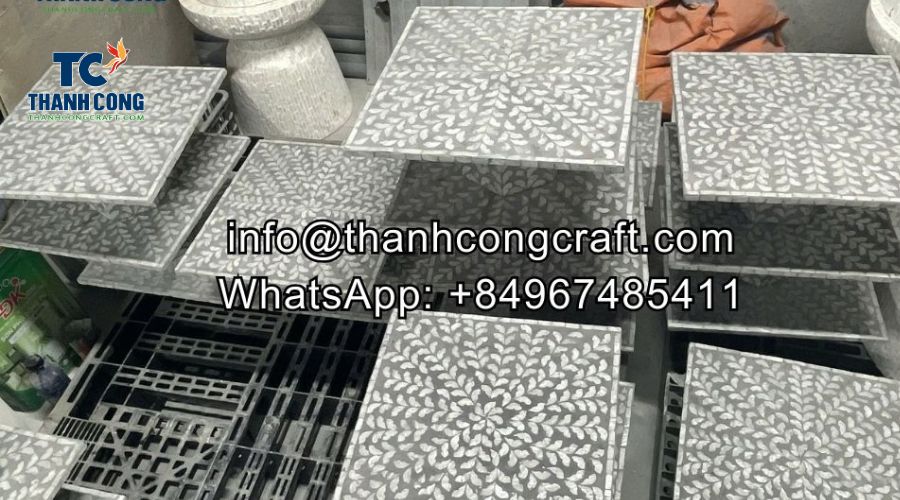
At ThanhCongCraft, we proudly provide premium handcrafted mother-of-pearl and lacquerware products made in Vietnam. For personalized consultations and product details, feel free to contact us at +84 967 485 411 — we’re here to help you find the perfect gift.


