

Middle Eastern markets are gaining attention from global wholesalers, particularly in handicrafts and lifestyle goods. This article explores whether these markets truly deliver higher profit margins compared to Europe, analyzing consumer behavior, wholesale demand, and growth opportunities.
Contents
- 1. Middle Eastern Markets – A Growing Opportunity for Global Wholesalers
- 2. Understanding Wholesale Margins in Middle Eastern Markets
- 3. Europe vs. Middle East – Where Do Retailers Earn More?
- 4. Strategic Products That Sell Fast in Middle Eastern Markets
- 5. Should Retailers Prioritize Middle Eastern Markets Over Europe?
1. Middle Eastern Markets – A Growing Opportunity for Global Wholesalers
Middle Eastern markets are becoming increasingly attractive to global wholesalers who are seeking higher returns on investment. The region has witnessed rapid growth in retail, fueled by urbanization, rising disposable incomes, and a cultural appreciation for high-quality, handcrafted goods. Unlike Europe, where the retail landscape is mature and highly competitive, Middle Eastern buyers are more willing to pay a premium for products that combine craftsmanship, exclusivity, and cultural relevance.
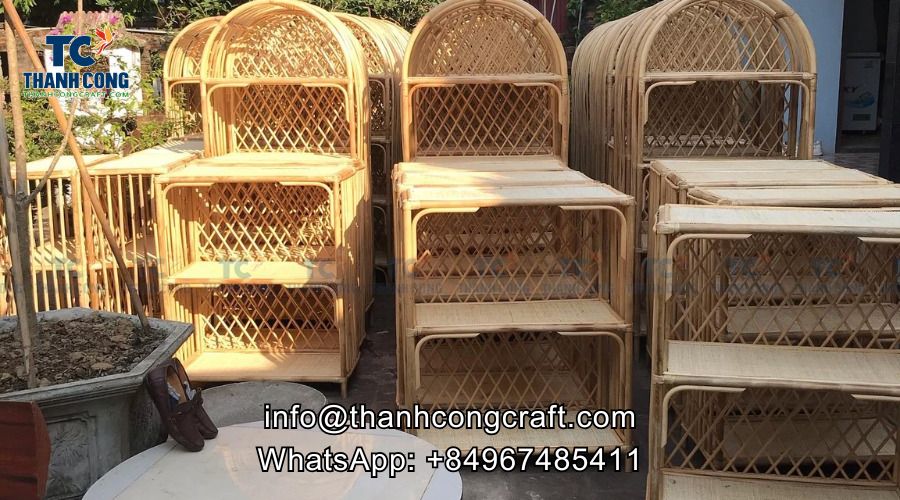
For wholesalers and importers, this shift signals a major opportunity. Retailers in Dubai, Riyadh, and Doha are expanding their inventory of bamboo baskets, rattan furniture, and mother-of-pearl home décor because customers demand authenticity. Consequently, wholesalers who target the Middle East position themselves at the center of a market that values both tradition and luxury.
Learn more about: How to Choose a Wholesaler That Maximizes Your Profit
2. Understanding Wholesale Margins in Middle Eastern Markets
2.1 Consumer Behavior and Cultural Buying Patterns
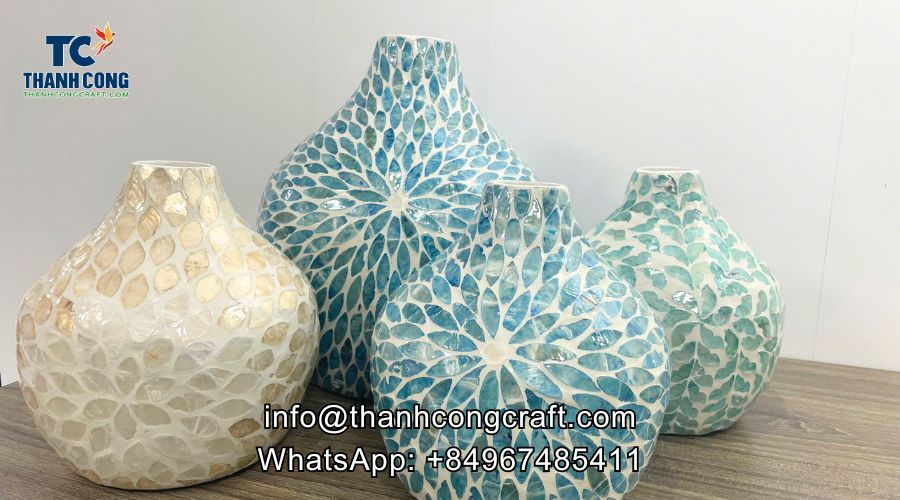
Middle Eastern markets have unique cultural influences that directly impact wholesale margins. Buyers prefer products that align with hospitality traditions, gift-giving customs, and religious events. For example, during Ramadan and Eid, demand for home décor and festive items spikes dramatically. Consumers in the region are also drawn to natural materials such as bamboo, rattan, and mother-of-pearl, as these reflect authenticity and elegance.
2.2 Wholesale Pricing Strategies Unique to the Middle East
Wholesalers benefit from flexible pricing models in this region. Because buyers often purchase in bulk, wholesale prices can be structured to encourage larger orders while still maintaining strong margins. Importers frequently report that Middle Eastern clients value exclusivity, which means they are less price-sensitive compared to European buyers. This allows wholesalers to capture higher profit margins.
2.3 Seasonal Demand and Its Impact on Margins
Unlike Europe, where retail peaks are tied to Christmas or summer sales, Middle Eastern retail cycles revolve around Ramadan, Eid, and large wedding seasons. These occasions trigger a surge in demand for handcrafted homeware, decorative baskets, and elegant serving sets. As a result, wholesalers can capitalize on these predictable demand spikes by preparing bulk shipments in advance.
Discover our post: Do Wholesalers Cover Return Costs for Damaged Furniture?
3. Europe vs. Middle East – Where Do Retailers Earn More?
3.1 Stability and Competition in European Markets
Middle Eastern markets may promise higher margins, but Europe remains a stronghold for stability. European buyers demand consistency, certifications, and sustainable sourcing. While this guarantees long-term relationships, it also creates a challenging environment with thinner margins due to intense competition.
3.2 Higher Spending Power vs. Higher Competition
Middle Eastern consumers often spend more per purchase than Europeans. Luxury malls in Dubai or Riyadh cater to high-income shoppers, and retailers serving them are ready to pay wholesalers premium prices. By contrast, Europe has a broader middle-class market with buyers who prioritize affordability, creating a margin squeeze.
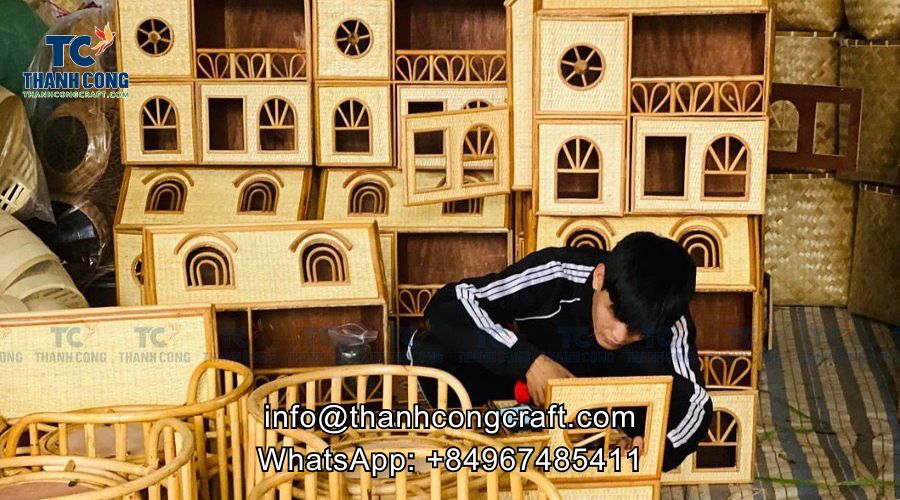
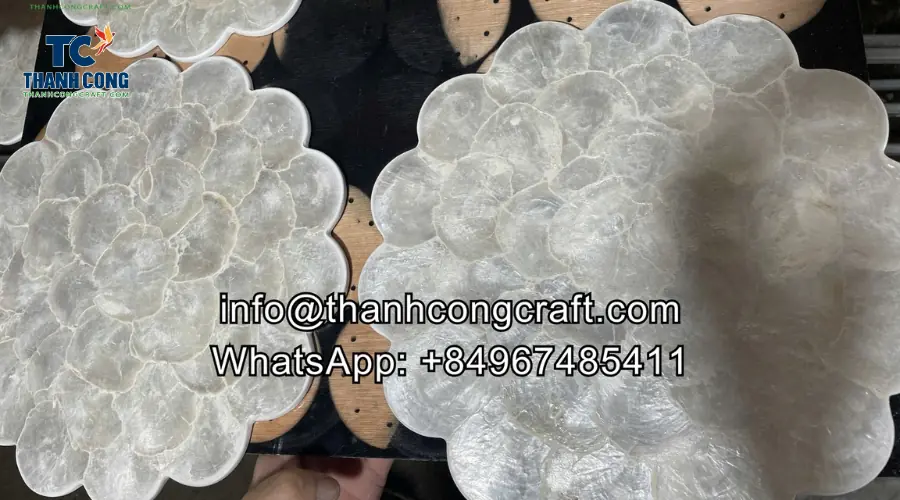
Practical examples illustrate the contrast. Bamboo baskets remain a bestseller in Europe due to their affordability and functionality. In the Middle East, however, mother-of-pearl trays or bamboo serving sets command higher profit margins because they align with cultural aesthetics and gifting traditions. Kitchenware also performs strongly, but Middle Eastern buyers often request custom packaging or design adaptations, which adds further value for wholesalers.
Read about: Wholesale Price vs Small Order: Truth Every Importer Must Know
4. Strategic Products That Sell Fast in Middle Eastern Markets
4.1 Home Décor and Luxury Lifestyle Goods
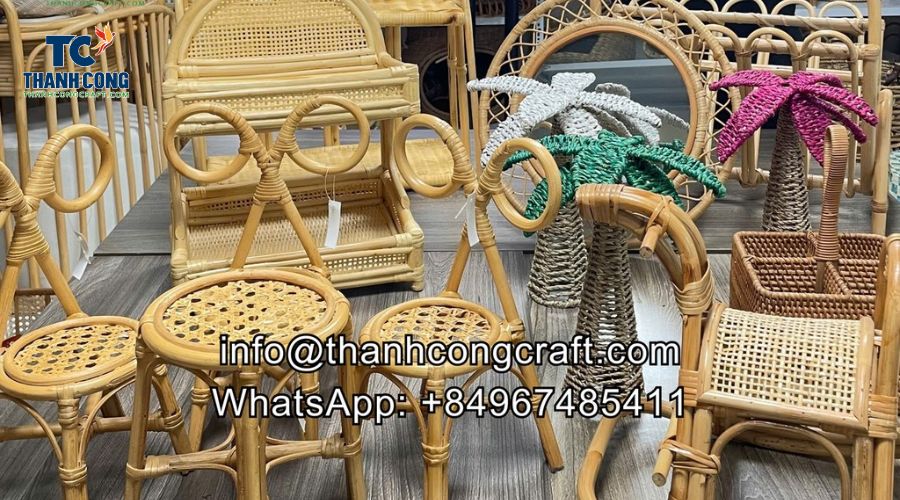
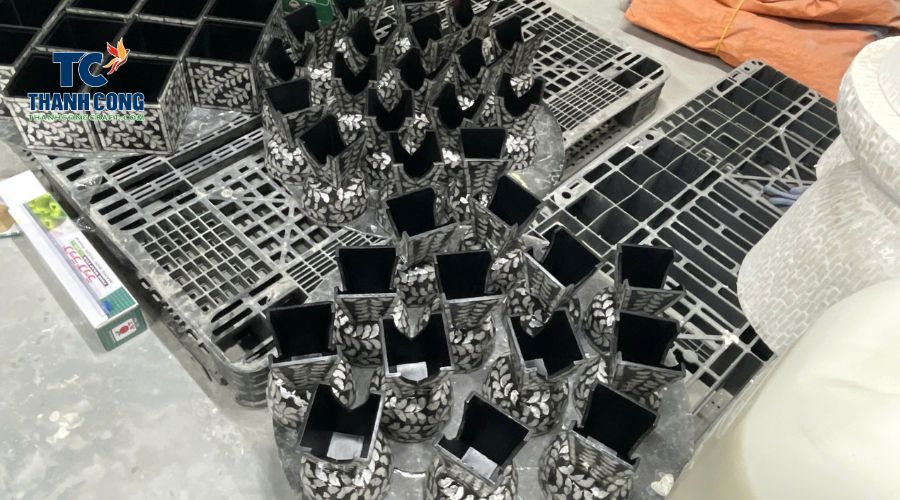
Middle Eastern markets are especially lucrative for wholesalers of home décor and luxury lifestyle products. Handcrafted lampshades, ornate trays, and inlaid furniture pieces align perfectly with regional preferences for elegance and authenticity. Since many of these items are displayed prominently in living rooms or given as gifts, retailers can sell them at high markups.
4.2 Gift and Festive Products Tailored for Cultural Events
Gifting plays a central role in Middle Eastern culture. From Ramadan hampers to wedding presents, wholesalers who stock bamboo trays, pearl-inlaid boxes, or decorative baskets enjoy steady bulk orders. This is in stark contrast with Europe, where such purchases are more seasonal and less culturally embedded.
4.3 Bulk Orders in GCC Countries
Countries in the GCC (Saudi Arabia, UAE, Qatar, Oman, Kuwait, and Bahrain) represent the strongest demand centers. Retailers here often request large-volume shipments to meet the needs of luxury malls and department stores. Wholesalers targeting this region can leverage economies of scale, increasing profit margins further.
5. Should Retailers Prioritize Middle Eastern Markets Over Europe?
5.1 Profit Potential vs. Market Stability for Wholesalers
Middle Eastern markets provide higher margins, cultural alignment, and bulk sales opportunities, making them highly profitable for fast-moving wholesalers. Nevertheless, Europe offers stability, strict compliance, and trusted long-term partnerships. The choice between the two depends on whether a business values immediate profits or prefers consistent growth over time.
5.2 Sustainability Trends and Strategic Market Balance
The Middle East is rapidly embracing eco-friendly practices, with rising demand for bamboo baskets, rattan furniture, and organic textiles. Wholesalers who adapt their product lines to highlight sustainability will gain a competitive advantage in both regions. For importers seeking high margins, Middle Eastern buyers should be a priority. However, maintaining a balanced portfolio between Europe and the Middle East remains the most sustainable approach, reducing risks while maximizing profits.
See more: How Many Units Should You Import on Your First Order?
Reach out to us today to learn more about our products or to place a wholesale order. We look forward to connecting with you!
- Thanh Cong Handicraft Co., Ltd
- Email: [email protected]
- Tel/WhatsApp: +84967485411
Explore our Products Collection for more choices! Contact Us!


