

Traditional display materials for premium chocolate can limit brand impact by making products visually blend into retail environments. While functional and scalable, these materials often fail to communicate craftsmanship, gifting value, and long-term brand consistency.
Contents
- 1. Why Traditional Display Materials Still Dominate Premium Chocolate Retail?
- 2. How Familiar Materials Reduce Visual And Emotional Differentiation?
- 3. Why Storytelling Alone Cannot Compensate For Material Limitations?
- 4. How Display Materials Influence Gifting Perception And Brand Memory?
- 5. How Market Expectations Shape The Effectiveness Of Display Materials?
1. Why Traditional Display Materials Still Dominate Premium Chocolate Retail?
Traditional display materials for premium chocolate remain widely used because they solve practical problems. Paperboard trays, printed boxes, and cardboard risers are cost-efficient, easy to ship, and compatible with standard retail fixtures. From an operational standpoint, they make sense.
However, what works logistically does not always work emotionally. In real retail settings, shoppers rarely evaluate chocolate displays with time or patience. They respond to what feels familiar, premium, or special within seconds. As a result, traditional materials often fade into the background, even when the product itself is exceptional.
From an industry perspective, this creates a silent mismatch. Brand teams invest heavily in sourcing, recipe development, and storytelling, yet rely on materials that communicate speed and disposability. Therefore, the display unintentionally contradicts the brand’s premium message.
In practice, this is where many luxury chocolate brands first lose attention—not because of poor design, but because of material sameness.
Get more insights: Why Mother of Pearl Fits Luxury Gifting Culture in the Middle East
2. How Familiar Materials Reduce Visual And Emotional Differentiation?
Traditional display materials for premium chocolate create a sense of visual repetition. When most brands use similar paper-based formats, shelves become crowded with comparable shapes, finishes, and color tones. Even strong branding struggles to stand out under these conditions.
However, the issue goes beyond appearance. Familiar materials trigger familiar expectations. Cardboard and paper subconsciously signal temporary use, mass production, and short product life cycles. As a result, shoppers may perceive premium chocolate as just a higher-priced version of standard offerings.
From the viewpoint of experienced manufacturers, material choice often communicates faster than graphics. Texture, weight, and surface reflection shape perception before a shopper reads a single word. Therefore, when displays rely only on print and color, they lose an opportunity to create immediate emotional impact.
In retail environments where attention spans are short, this lack of sensory distinction can significantly limit shelf performance.
3. Why Storytelling Alone Cannot Compensate For Material Limitations?
Many premium chocolate brands rely on storytelling to elevate perception. They highlight origin stories, artisan techniques, and ethical sourcing. While these narratives are meaningful, traditional display materials restrict how effectively those stories are experienced at retail.
In practice, retail shelves are not storytelling environments. Shoppers do not stop to read long descriptions, especially when displays are tightly packed. As a result, even well-crafted brand messages often go unnoticed or are reduced to decorative text.
This is where traditional display materials for premium chocolate reveal their limitations. Paper and print require cognitive engagement, while retail behavior favors instant recognition. Therefore, material-driven cues often outperform written explanations.
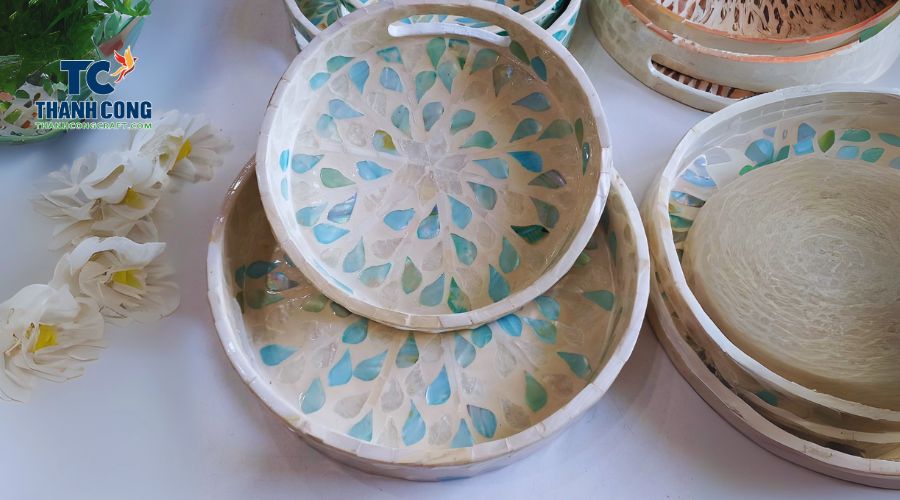
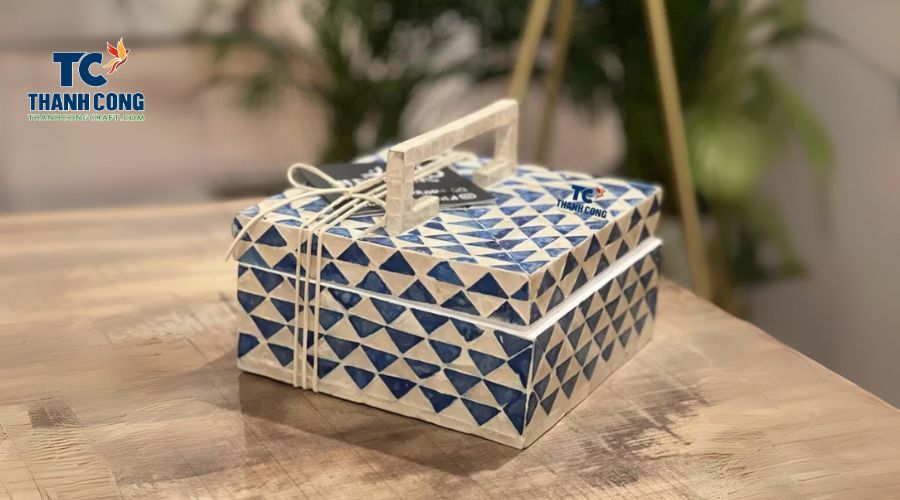
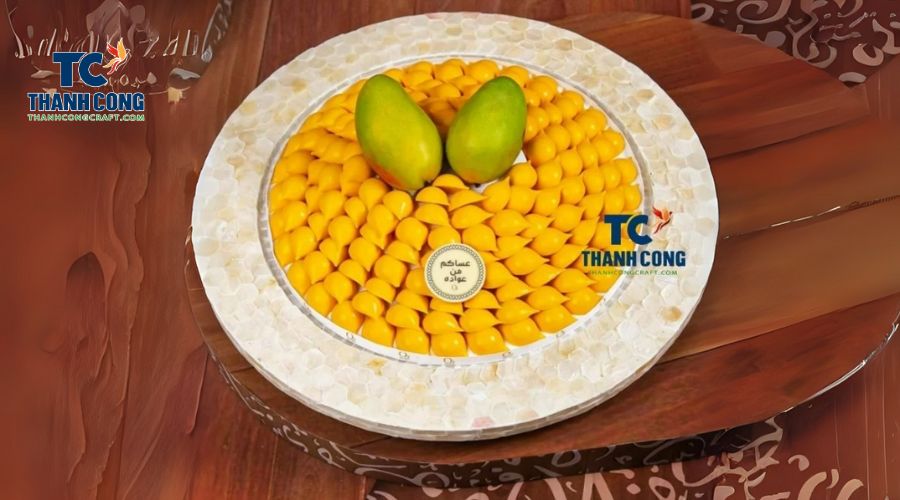
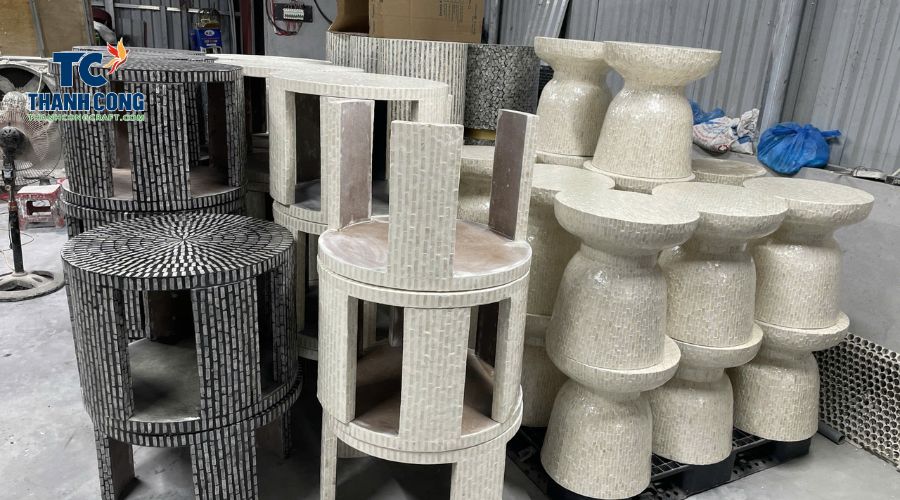
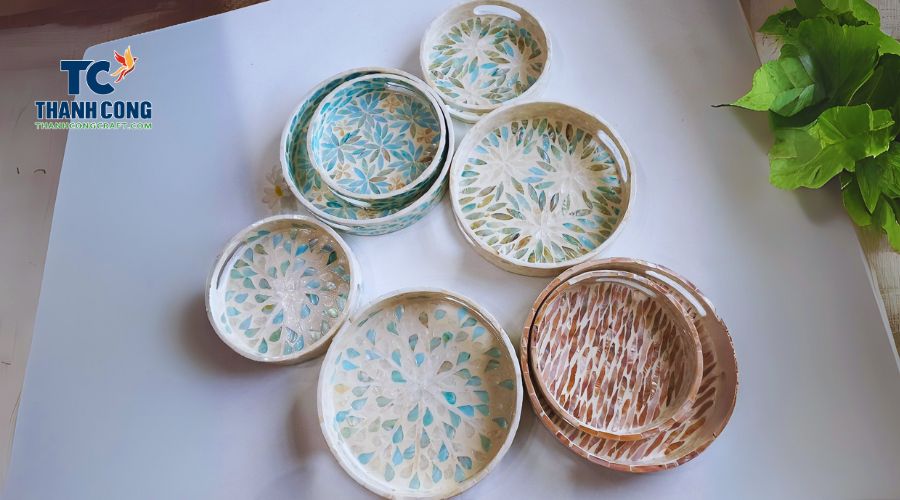
Materials such as wood, stone, or mother of pearl surfaces communicate value without instruction. Mother of pearl, in particular, reflects light naturally and carries long-standing associations with craftsmanship and refinement. Used subtly in display or serving contexts, it supports storytelling without competing for attention.
In other words, material becomes part of the narrative rather than a surface for text.
Explore related topics: Why Chocolate Brands Move Beyond Glass & Paper?
4. How Display Materials Influence Gifting Perception And Brand Memory?
Traditional display materials for premium chocolate often overlook one critical factor: gifting behavior. In many markets, chocolate is purchased not only for consumption but also as a present. Display materials strongly influence whether a product feels “gift-worthy.”
Paper-based displays tend to signal single-use interactions. Once the chocolate is consumed, the packaging and display disappear from the customer’s life. As a result, brand presence ends quickly.

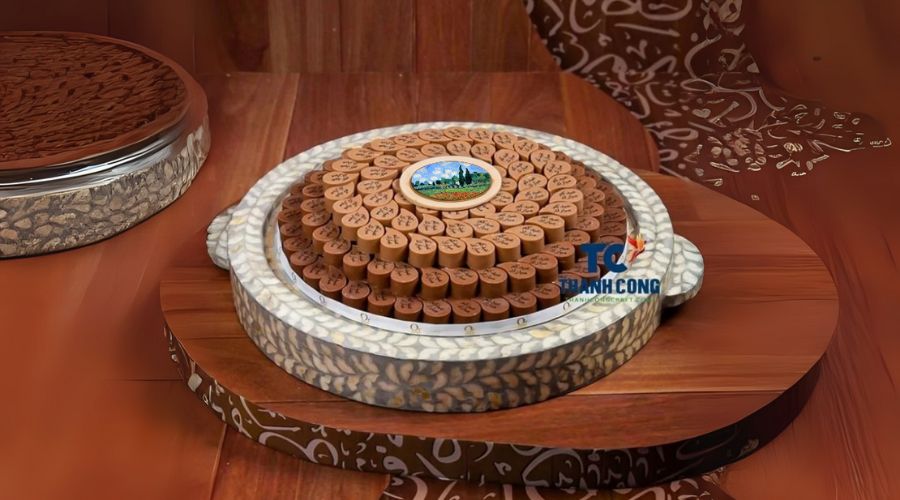
In contrast, handcrafted decorative or serving-related display elements extend the product experience. When displays resemble objects that could belong in a home—such as trays, stands, or serving pieces—they elevate the perceived value of the product itself.
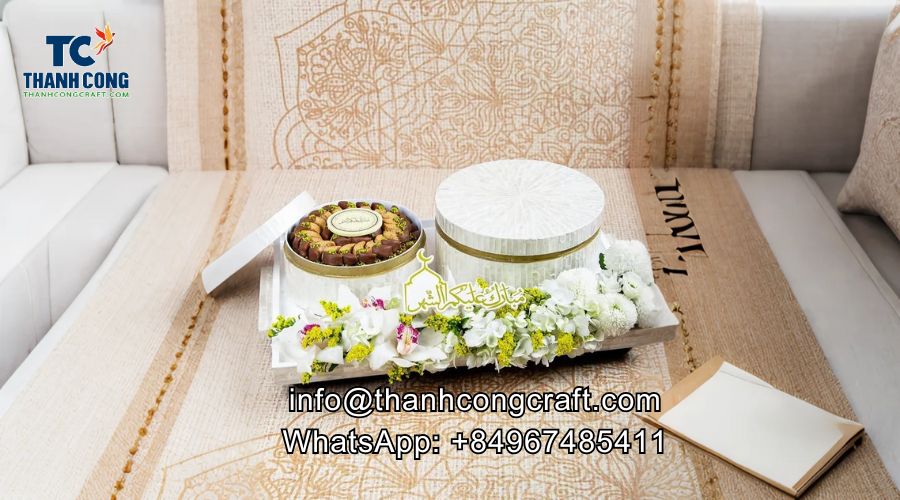
Mother of pearl accents are especially effective in this context. They are visually elegant yet restrained, and they align naturally with celebratory and gifting occasions. Importantly, they reinforce brand memory by associating chocolate with lasting materials rather than disposable ones.
Therefore, material choice directly affects how long a brand remains present in the customer’s environment and mind.
5. How Market Expectations Shape The Effectiveness Of Display Materials?
Traditional display materials for premium chocolate perform differently depending on market context. Cultural expectations, retail formats, and gifting traditions all influence how materials are perceived.
In the US, retail environments are fast-paced and visually dense. Displays must capture attention quickly and communicate premium value from a distance. Traditional materials often struggle here because they lack depth and tactile contrast.
In EU markets, buyers tend to value authenticity and material honesty. Overly decorative displays may feel excessive, but generic paper solutions can appear uninspired. Subtle material upgrades often perform better than graphic-heavy designs.
In the Middle East, gifting culture plays a central role in chocolate purchases. Displays that suggest longevity, elegance, and ceremonial use resonate strongly. Here, materials like mother of pearl, wood, or metal accents align more closely with consumer expectations than standard cardboard formats.
Understanding these differences helps explain why traditional display materials may succeed in one region but limit brand perception in another.
Recommended reading: What Interior Styles Does Mother of Pearl Furniture Suit Best?
Reach out to us today to learn more about our products or to place a wholesale order. We look forward to connecting with you!
- Thanh Cong Handicraft Co., Ltd
- Email: [email protected]
- Tel/WhatsApp: +84967485411
Explore our Products Collection for more choices! Contact Us!


