

Return costs are one of the most overlooked yet decisive factors in wholesale trade, especially in the furniture sector. When businesses import or distribute large-scale orders, damaged goods are an inevitable risk. What determines profitability is not only the cost of purchase and logistics but also how costs are allocated between buyer and wholesaler.
This article explores the role of return costs in wholesale contracts, how wholesalers across regions approach damaged goods, and what buyers can do to minimize financial losses. By examining return policies, insurance practices, and negotiation strategies, you will gain a clear roadmap for managing risks in furniture imports.
Contents
1. Return Costs and Their Impact on Wholesale Profitability
Return costs directly affect wholesale profitability because they create hidden expenses that erode margins. While businesses often calculate the landed cost of products (purchase price, shipping, customs duty), they rarely account for the possibility of goods arriving damaged.
For example, imagine importing $50,000 worth of rattan chairs from Vietnam. If 10% of the shipment arrives broken due to mishandling during transit, you face a $5,000 loss unless the wholesaler covers return costs or offers compensation. In many cases, buyers absorb these costs, which makes the difference between a profitable deal and a financial setback.
1.1 Types of Return Costs in Furniture Wholesale
Transportation Return Fees – Shipping bulky items like cabinets or tables back to the wholesaler often costs more than the value of the damaged pieces.
Restocking Fees – Some wholesalers charge buyers additional fees for processing returned goods.
Disposal Costs – When damaged goods cannot be resold, buyers must cover storage or disposal expenses.
Insurance Gaps – If the shipment is uninsured or partially covered, buyers may bear the full financial burden.
1.2 Case Example: Wholesale Furniture Imports
Consider a buyer in Dubai importing mother of pearl tables from Vietnam. If goods arrive scratched or chipped, return costs could exceed logistics savings from bulk purchasing. This illustrates why factoring return costs into initial negotiations is as crucial as comparing unit prices.
Read more about: Tax & Import Regulations for Lacquer Placemats in the UK

2. Do Wholesalers Typically Cover Return Expense?
Return costs are handled differently depending on the wholesaler’s region, industry, and business philosophy. There is no universal rule, which makes due diligence essential before signing contracts.
2.1 Regional Practices
Asian Wholesalers (Vietnam, China, India) – Many suppliers operate on FOB (Free on Board) terms, meaning once goods leave their port, responsibility shifts to the buyer. In these cases, wholesalers rarely cover return costs unless explicitly negotiated.
European Wholesalers – EU consumer protection laws indirectly influence B2B practices. Many European wholesalers are more willing to share responsibility for defective products.
Middle Eastern Markets – Wholesalers often pass the burden of return costs to buyers but may offer replacements in future orders as compensation.
2.2 Industry-Specific Practices
In the furniture industry, return costs are particularly sensitive due to product size, fragility, and transport complexity. Unlike electronics or textiles, furniture cannot easily be returned without high shipping fees. Some wholesalers prefer issuing discounts on the next order rather than accepting costly returns.
3. Negotiating Return Costs with Wholesalers
Return costs should be addressed during the negotiation stage, not after a problem occurs. Too many businesses discover unfavorable terms only after facing damaged shipments.
3.1 Questions to Ask Before Signing Contracts
- Who pays for transportation if goods arrive damaged?
- Are replacements or refunds available for defective units?
- Is there an inspection process at the factory before shipment?
- Does the wholesaler include insurance in their quoted price?
3.2 Building Leverage
Negotiating favorable terms requires leverage. Buyers who order in bulk, commit to repeat purchases, or represent large markets often gain stronger negotiating power. In some cases, offering to share marketing resources or exclusive distribution rights can motivate wholesalers to cover partial return costs.
3.3 Role of Third-Party Inspection
Independent inspection agencies can reduce disputes by verifying product quality before shipment. While this adds a small cost, it prevents larger financial losses and strengthens the buyer’s case if return costs become contested.
Learn more about: Amazing Benefits and Uses of Horn Combs
4. Insurance and Return Fees: Who Really Pays?
Return costs can often be avoided or reduced with comprehensive insurance coverage. Yet many businesses fail to secure adequate insurance, believing wholesalers automatically include it.
4.1 Types of Insurance in Furniture Wholesale
Marine Cargo Insurance – Protects against losses during sea freight, the most common shipping mode for bulky furniture.
All-Risk Insurance – Covers a wide range of damages, from theft to mishandling.
Limited Liability Coverage – Often provided by carriers, but coverage is minimal and rarely compensates the buyer fully.
4.2 Insurance Negotiation with Wholesalers
Some wholesalers bundle insurance into their prices, while others leave it entirely to the buyer. Clarifying this upfront avoids disputes. Buyers should request documentation of coverage and understand claim processes.
For fragile luxury items such as mother of pearl boxes, rattan lamps, or inlaid dining tables, proper insurance ensures that return costs do not fall solely on the buyer.
Explore our guide on: Process of making mother-of-pearl painting
5. Long-Term Strategies for Managing Costs
Return costs can be minimized through strategic partnerships and proactive planning. While no system eliminates all risks, businesses that establish strong supplier relationships and implement quality checks save significant money in the long run.
5.1 Choosing Ethical and Professional Wholesalers
Reliable wholesalers with strong reputations are less likely to ship defective goods. Ethical practices, such as fair labor conditions and quality assurance, directly reduce return rates.
5.2 Building Long-Term Partnerships
Over time, wholesalers and buyers develop trust, leading to shared responsibility for risks. Wholesalers who value long-term business may offer partial compensation, replacements, or flexible credit terms when returns occur.
5.3 Diversifying Supplier Base
Relying on a single supplier increases vulnerability to return costs. By diversifying across regions or product categories, businesses reduce dependency and spread risk.
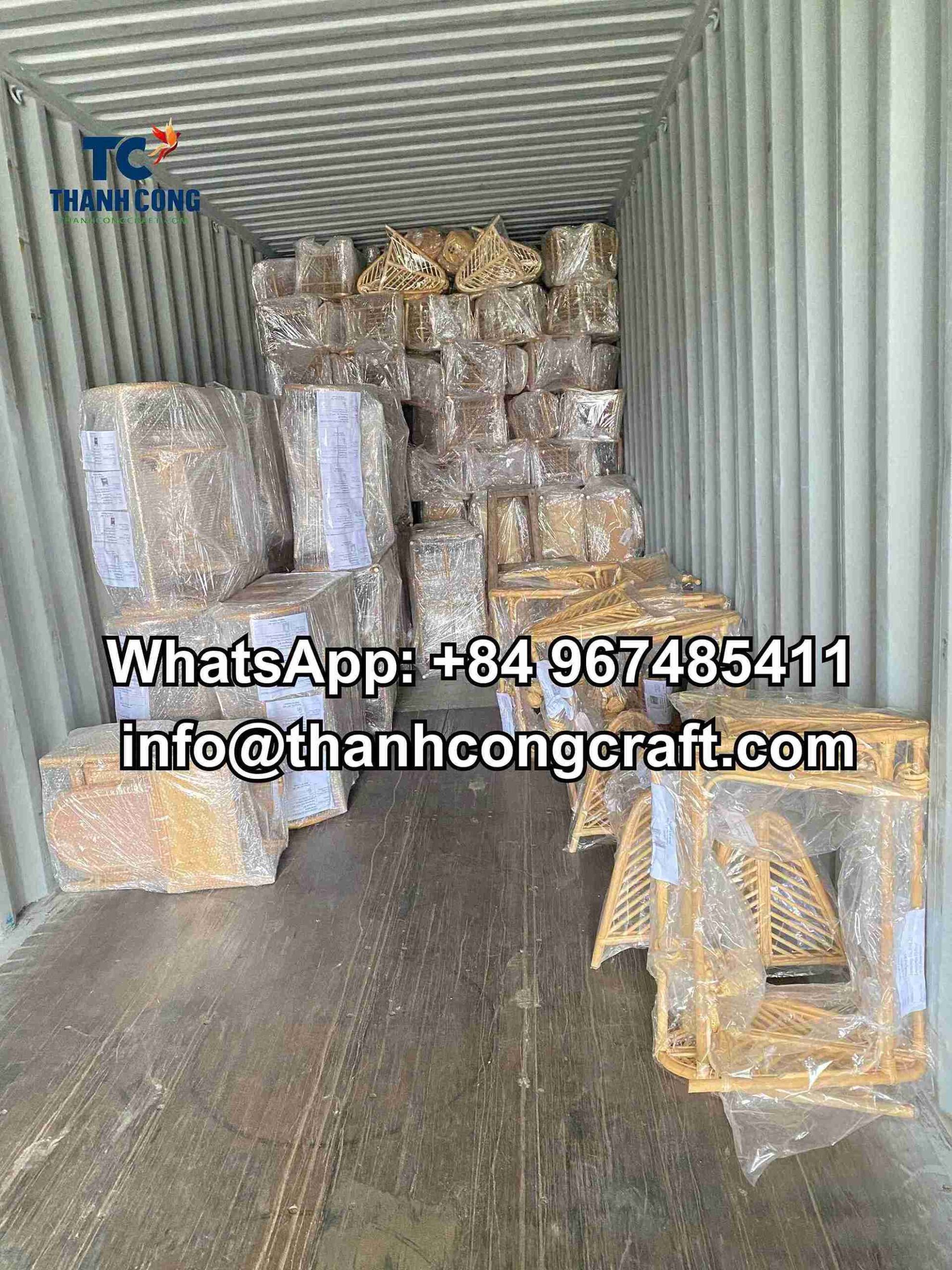
Reach out to us today to learn more about our products or to place a wholesale order. We look forward to connecting with you!
- Thanh Cong Handicraft Co., Ltd
- Email: [email protected]
- Tel/WhatsApp: +84967485411
Explore our Products Collection for more choices! Contact Us!


