

Reselling Handicrafts has emerged as a profitable business model for entrepreneurs who want to tap into the growing demand for sustainable, authentic, and handmade products. While many assume that reselling requires large investments, the reality is that success often comes from strategy rather than big capital. In this article, we will explore how resellers can build a thriving business with limited resources, focusing on sourcing, marketing, partnerships, and scalability.
Contents
1. Reselling Handicrafts as a Low-Capital Entry Business
Reselling Handicrafts is one of the most accessible ways to enter the global trade market. Unlike manufacturing, which requires significant upfront investments in materials, machinery, and labor, reselling allows entrepreneurs to start lean. With careful selection of artisans and wholesalers, businesses can test the market without risking large sums of money.
Moreover, handicrafts appeal to customers across multiple niches, from eco-conscious shoppers to luxury collectors. Because of this wide reach, small resellers can generate consistent revenue without owning factories or warehouses. For instance, Vietnamese bamboo baskets or Indian block-printed fabrics can be sourced at relatively low costs, then resold at premium prices in Western markets.
Check out our guide on: Tax & Import Regulations for Lacquer Placemats in the UK
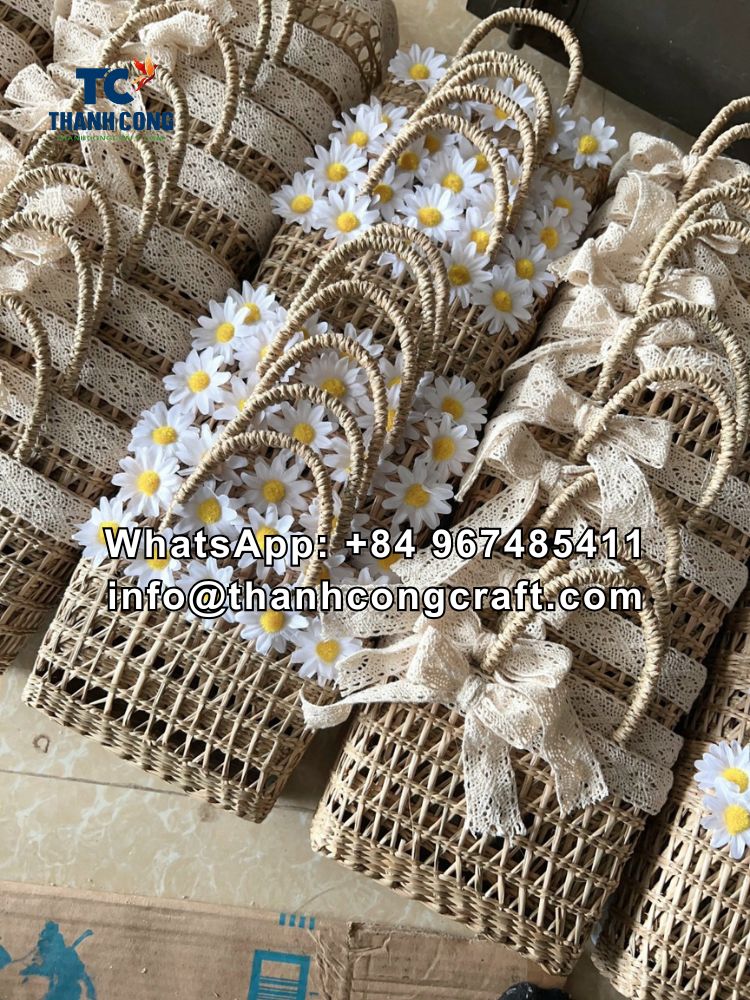
2. Key Advantages of Reselling Handicrafts
2.1 Minimal Inventory Risk
Reselling Handicrafts minimizes financial risks because entrepreneurs can begin with limited inventory. Many artisans and suppliers even offer dropshipping models, meaning products are shipped directly to customers. Therefore, resellers avoid the burden of storing large stocks, reducing overhead costs significantly.
2.2 High Value Perception
Handicrafts carry cultural and emotional value that mass-produced goods cannot replicate. Customers often see handmade products as unique and premium, allowing resellers to justify higher markups. Consequently, even small batches can bring healthy profit margins.
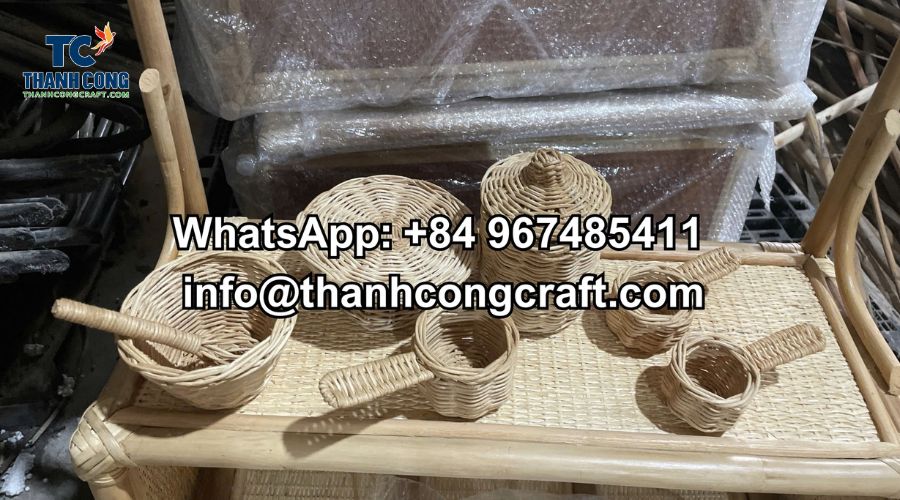
2.3 Flexibility in Niches
From home décor to fashion accessories, handicrafts span diverse categories. As a result, resellers can easily pivot to different product lines, such as mother-of-pearl inlay vases, woven baskets, or rattan lampshades, depending on demand.
Learn more about: Do Wholesalers Cover Return Costs for Damaged Furniture?

3. Strategies to Start Reselling Handicrafts Without Big Capital
Reselling Handicrafts successfully depends on creativity, resourcefulness, and networking. Even with minimal investment, entrepreneurs can build strong foundations.
3.1 Smart Product Sourcing
Reselling Handicrafts begins with identifying reliable artisan communities and wholesale exporters. Countries like Vietnam, India, Indonesia, and the Philippines are known for high-quality handmade goods. Importers can often start by purchasing small trial orders or requesting free samples.
See how: How to Choose a Wholesaler That Maximizes Your Profit
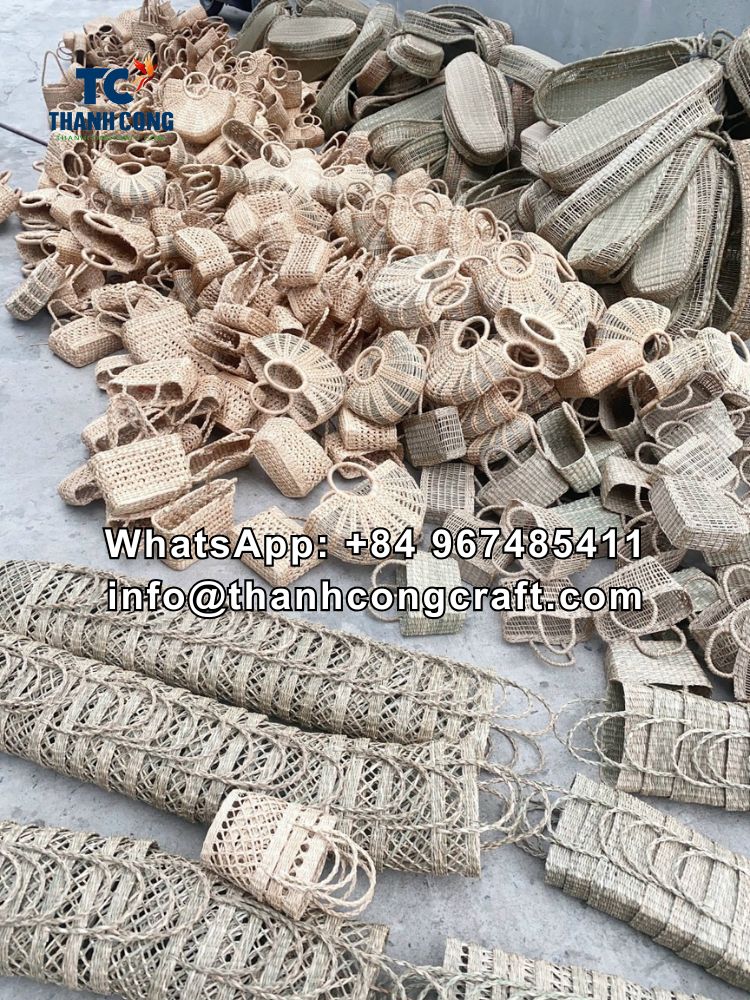
3.2 Leveraging Online Platforms
Today, global marketplaces like Etsy, Amazon Handmade, and Shopify make it easy for resellers to reach worldwide audiences. Setting up an online store requires little investment compared to opening a physical shop. Additionally, digital advertising on Facebook, TikTok, and Instagram allows resellers to build brand awareness with low-cost campaigns.
3.3 Building Supplier Relationships
Reselling Handicrafts thrives on trust. Strong partnerships with artisans ensure consistent quality and exclusivity. Many exporters offer customization services, such as engraved designs or tailored packaging, which can boost brand uniqueness. Establishing these relationships does not require large investments—only clear communication and long-term commitment.
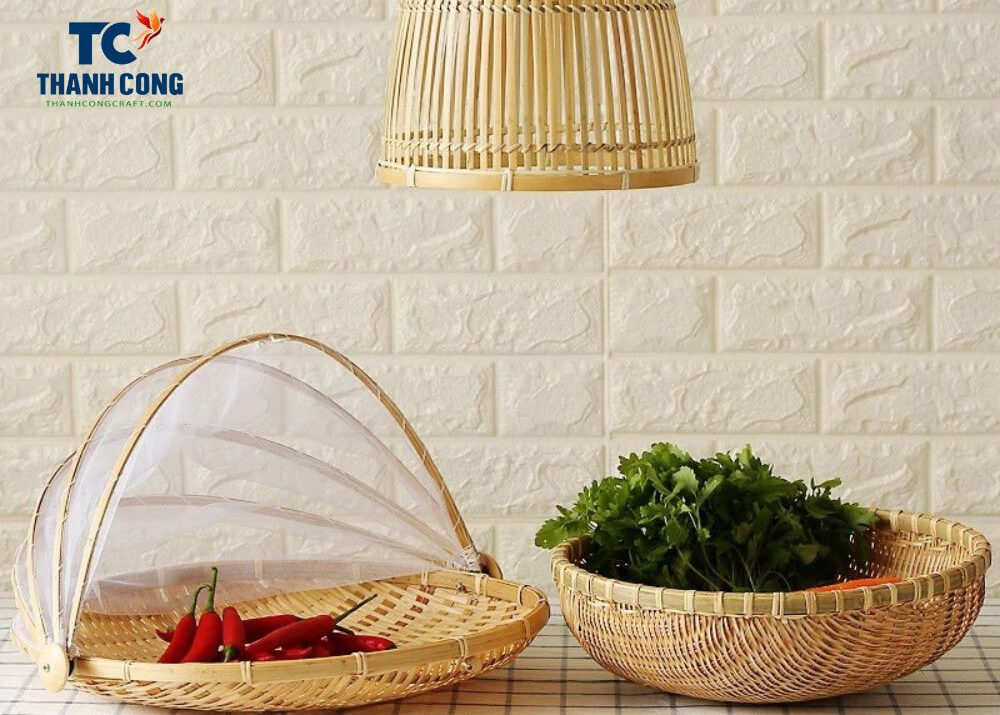
3.4 Creative Branding on a Budget
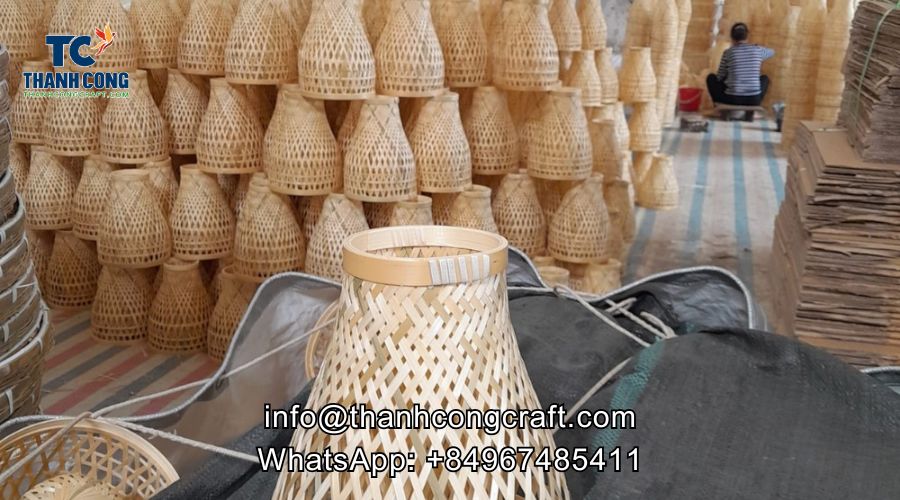
Even without big capital, resellers can create memorable brand identities. Simple yet elegant packaging, storytelling through social media, and consistent messaging help build recognition. For example, a reseller of rattan lampshades might highlight the artisan’s weaving techniques and eco-friendly values, giving the product emotional depth.
3.5 Collaborations with Local Retailers
Partnerships with boutiques, cafés, and yoga studios often open profitable retail channels. Instead of investing in standalone stores, resellers can use consignment models, where payment happens after sales. This reduces risk while ensuring exposure to niche audiences.
4. Challenges in Reselling Handicrafts and How to Overcome Them
Reselling Handicrafts is not without obstacles. However, with the right strategies, challenges can be turned into opportunities.
4.1 Quality Control Issues
Since products are handmade, variations are natural. Customers may misinterpret these differences as defects. Therefore, resellers must educate buyers through product descriptions and storytelling, emphasizing uniqueness rather than imperfection.
4.2 Logistics and Shipping Costs
International shipping can eat into profit margins. To manage this, resellers should consolidate orders, negotiate with freight forwarders, or work with local distribution partners. For example, resellers working with Vietnamese suppliers often use bulk shipping by sea to reduce per-unit costs.
4.3 Market Competition
The popularity of handicrafts means competition is increasing. Nonetheless, resellers can stand out through brand differentiation, focusing on sustainability, fair trade, or luxury positioning. Niche targeting is key to avoiding direct competition with low-cost sellers.
4.4 Seasonal Demand
Handicrafts often peak during holiday seasons, such as Christmas or Lunar New Year. To maintain stable cash flow, resellers can diversify into everyday-use products like baskets, trays, or home accessories.
Explore how: How to Clean a Mother-of-Pearl Thermos Bottle
5. Long-Term Growth Opportunities in Reselling Handicrafts
5.1 Expanding Wholesale Channels and Private Labeling
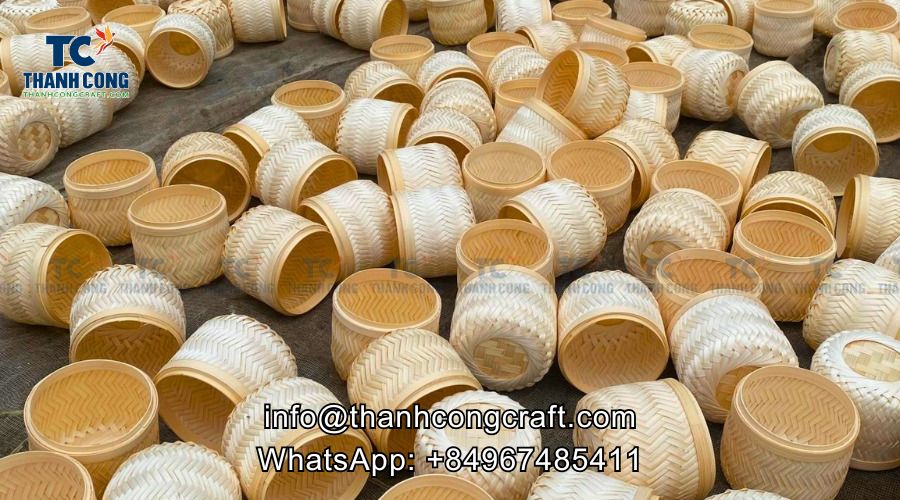
Reselling Handicrafts can begin small but scale rapidly when executed strategically. With growing consumer interest in handmade and eco-friendly goods, the market continues to expand. Initially, resellers may focus on individual buyers, but scaling often involves moving into wholesale channels. Partnering with hotels, spas, and retail chains provides consistent large orders, ensuring steady growth. At the same time, resellers can evolve by launching private-label handicraft collections. For instance, branding baskets or home décor under a unique name allows better control over pricing and customer loyalty. Since artisans often accept custom branding requests, this strategy requires far less capital compared to building an entire factory.
5.2 Sustainability and Storytelling as Growth Drivers
Beyond wholesale and private-label strategies, growth also depends on aligning with modern consumer values. Today’s customers increasingly demand eco-certifications, and resellers who invest in FSC-certified wood, organic dyes, or eco-friendly packaging can justify premium prices. These certifications establish credibility and strengthen brand trust, particularly in competitive Western markets. In addition, digital storytelling and content marketing play a decisive role in visibility. By publishing blogs, producing videos, and sharing behind-the-scenes artisan interviews, resellers not only humanize their products but also boost SEO traffic. For example, a well-written article on “how rattan baskets are made” both educates customers and attracts organic visitors to online shops.

Reach out to us today to learn more about our products or to place a wholesale order. We look forward to connecting with you!
- Thanh Cong Handicraft Co., Ltd
- Email: [email protected]
- Tel/WhatsApp: +84967485411
Explore our Products Collection for more choices! Contact Us!


