

Mother of Pearl does not fade easily under normal indoor conditions. However, it can gradually yellow or lose brightness over time when exposed to excessive UV light, heat, chemicals, or prolonged humidity. These changes are driven by environmental factors rather than material defects.
Contents
- 1. How Mother of Pearl Behaves as a Natural Material Over Time
- 2. What Causes Mother of Pearl to Fade or Yellow Over Time
- 3. How Environmental Conditions Affect Mother of Pearl in Key Markets
- 4. How Manufacturing, Finishing, and Usage Influence Long-Term Appearance
- 5. Best Practices for Preserving Mother of Pearl Over Time
1. How Mother of Pearl Behaves as a Natural Material Over Time
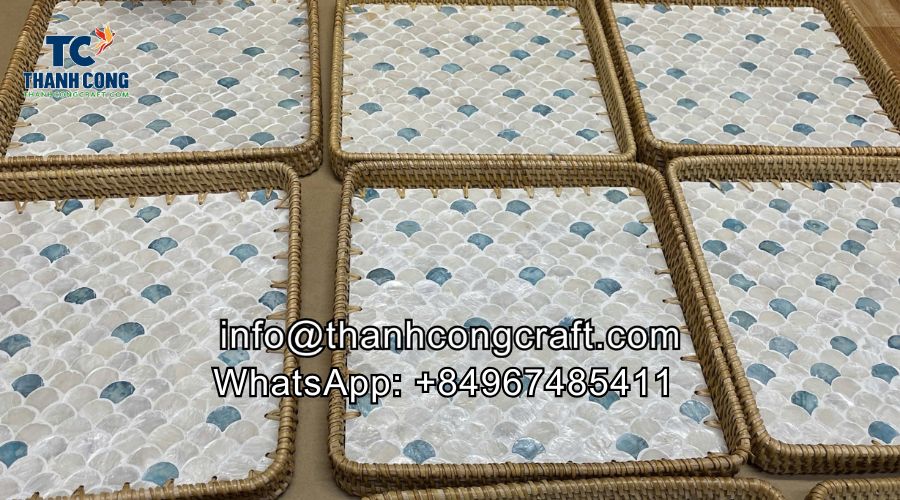
Mother of Pearl, also known as nacre, is a natural composite material formed by layered calcium carbonate crystals bound together with organic proteins. This unique structure gives the surface its distinctive iridescence, but it also means the material reacts to environmental conditions rather than remaining chemically inert. Unlike synthetic surfaces, Mother of Pearl ages gradually as part of its natural lifecycle.
Under stable indoor conditions, the material maintains its color and reflective quality for many years. Minor tonal shifts may occur, but they are usually subtle and uniform across the surface. From a manufacturing perspective, these changes are considered normal and do not compromise structural integrity or usability.
Issues arise when environmental stress exceeds what the organic protein layers can tolerate. Prolonged exposure to light, heat, or moisture accelerates chemical reactions within the shell structure. Over time, this can reduce surface clarity and slightly alter color, which is often perceived as yellowing by end users.
Explore our post: The Right Way to Use a Mother of Pearl Thermos for Tea Lovers
2. What Causes Mother of Pearl to Fade or Yellow Over Time
Mother of Pearl does not fade in the same way dyed or pigmented materials do. Instead, discoloration typically appears as yellowing or dullness caused by oxidation and breakdown of the organic binding proteins. This process occurs slowly and is heavily influenced by external conditions.
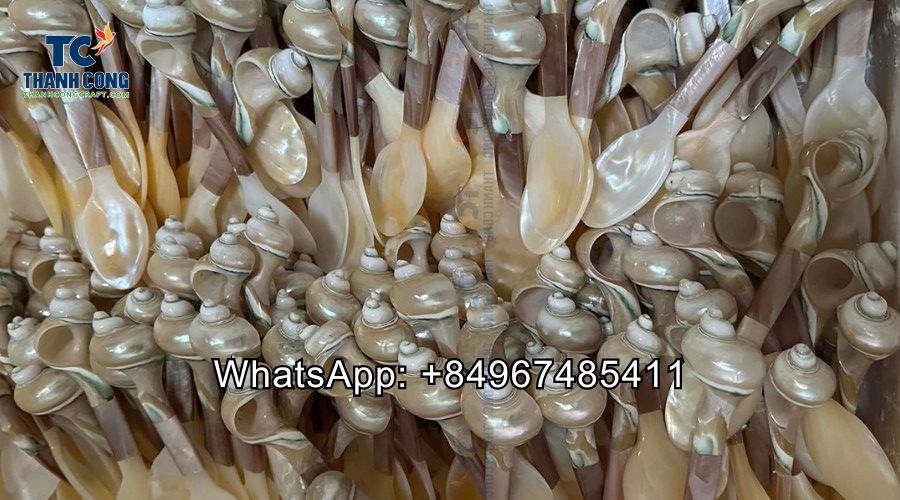
Ultraviolet light is one of the primary contributing factors. Continuous exposure to direct sunlight or high-intensity artificial lighting gradually alters the protein layers, especially in lighter shell varieties. Heat further accelerates this reaction, which is why discoloration is more common in sun-facing interiors or poorly ventilated spaces.
Chemical exposure is another significant cause. Cleaning agents containing acids, alcohol, or ammonia can strip surface polish and disrupt the shell’s natural balance. In the B2B supply chain, many reported discoloration issues trace back to improper cleaning practices rather than flaws in raw material or production.
Learn more about: What Makes Oud Burn Better in a Mother of Pearl Mabkhara?
3. How Environmental Conditions Affect Mother of Pearl in Key Markets
Environmental impact varies by region, which is important for international buyers sourcing Mother of Pearl products. Each market presents distinct risks depending on climate, usage patterns, and logistics.
In the United States and the UK, most applications involve indoor, climate-controlled environments. Under these conditions, Mother of Pearl remains visually stable for extended periods. However, items placed near windows or under strong retail lighting may experience gradual dulling or yellowing if exposure is constant.
Across the European Union, particularly in Northern and Western regions, higher ambient humidity plays a larger role. While humidity alone does not cause yellowing, prolonged moisture combined with limited airflow can reduce surface brilliance over time. Buyers in these markets often emphasize controlled storage and ventilation during both retail display and warehousing.
In the Middle East, intense sunlight and heat represent the primary challenges. Even indoor spaces may experience higher light intensity than in other regions. From export experience, discoloration issues in this market are more often linked to light exposure during use or transit rather than humidity-related factors.
4. How Manufacturing, Finishing, and Usage Influence Long-Term Appearance
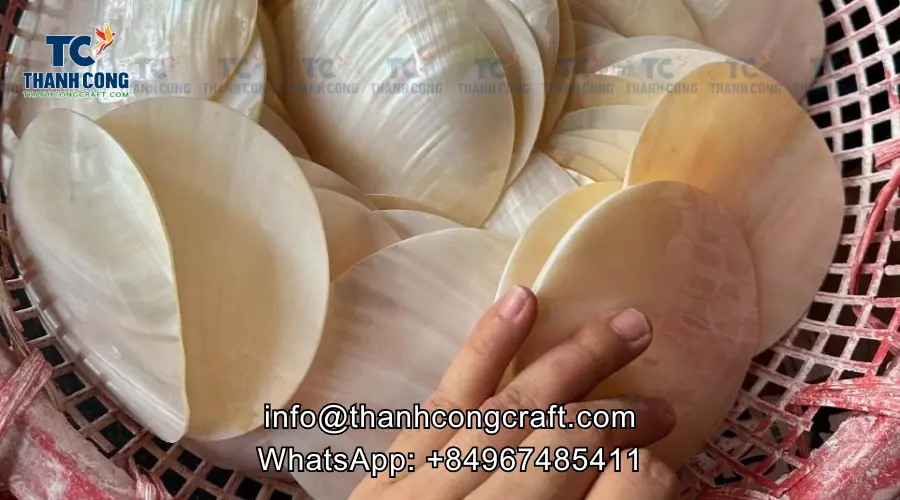
Production quality significantly influences how Mother of Pearl ages over time. Proper shell selection, curing, and polishing create a smoother surface that resists environmental interaction. Poorly prepared shell surfaces are more susceptible to early dullness and uneven discoloration.
Surface finishing also plays an important role. Clear sealants slow oxidation and reduce moisture absorption, but they cannot fully isolate the material from its surroundings. Excessive coating may protect the surface but often reduces natural iridescence, which is undesirable in high-quality applications. Experienced manufacturers aim for balance rather than complete sealing.
Usage patterns further affect appearance. Decorative items that remain stationary and are rarely handled tend to age more evenly. Functional products exposed to frequent touch, skin oils, or repeated cleaning show wear faster. From a producer’s perspective, variation in aging across product types is expected and should not be interpreted as inconsistent quality.
Visit our post on: Are Mother of Pearl Rattan Trays Eco-Friendly?
5. Best Practices for Preserving Mother of Pearl Over Time
Proper care significantly extends the visual life of Mother of Pearl. Routine cleaning should involve soft, non-abrasive cloths, with minimal moisture and no harsh chemicals. Gentle maintenance preserves surface polish without disturbing the shell structure.
Storage and display conditions are equally important in commercial settings. Products should be kept away from direct sunlight, excessive heat, and high humidity. Controlled lighting and airflow reduce the risk of gradual discoloration, especially in retail and hospitality environments.
From a B2B sourcing perspective, setting realistic expectations is essential. Mother of Pearl is a natural material that evolves over time rather than remaining unchanged. When buyers understand its behavior and limitations, long-term satisfaction improves and after-sales disputes decrease significantly.
Reach out to us today to learn more about our products or to place a wholesale order. We look forward to connecting with you!
- Thanh Cong Handicraft Co., Ltd
- Email: [email protected]
- Tel/WhatsApp: +84967485411
Explore our Products Collection for more choices! Contact Us!


