

Mother of Pearl does not scratch easily under normal decorative or tableware use, but it is not scratch-proof. Its layered nacre structure resists light abrasion, while sharp objects, grit, or repeated friction can leave visible marks over time. For B2B buyers, scratch performance depends on usage context, finishing quality, and handling throughout the supply chain.
Contents
- 1. What Determines Scratch Resistance in Mother of Pearl as a Natural Material?
- 2. How Does Mother of Pearl Compare to Other Decorative Materials in Scratch Resistance?
- 3. What Types of Use Commonly Cause Scratches on Mother of Pearl Products?
- 4. How Do Market Expectations in the US, EU, and Middle East Affect Scratch Perception?
- 5. How Can Manufacturers and Buyers Minimize Scratch Risk Over the Product Lifecycle?
1. What Determines Scratch Resistance in Mother of Pearl as a Natural Material?
Mother of Pearl is formed from nacre, a natural composite made of microscopic calcium carbonate plates bonded by organic proteins. This layered structure gives Mother of Pearl a unique balance between hardness and elasticity, allowing it to absorb light surface contact without immediate damage. Unlike brittle materials, it does not chip easily under minor impact.
From a manufacturer’s perspective, scratch resistance in Mother of Pearl is relative rather than absolute. The material resists everyday contact such as handling, stacking with protective layers, or contact with ceramic tableware. However, because nacre is softer than glass, stone, or metal, it remains vulnerable to pointed or abrasive objects.
Another important factor is shell thickness and species selection. Thicker nacre layers generally provide better resistance to surface abrasion, while thinner shell inlays are more sensitive to pressure and friction. This is why reputable manufacturers control raw material grading before production.
Discover more about: Mother of Pearl Tray That Turns Retail Buyers Into Collectors
2. How Does Mother of Pearl Compare to Other Decorative Materials in Scratch Resistance?
Mother of Pearl occupies a middle position among decorative materials used in home décor and tableware. It performs better than soft woods and lacquered finishes, which show scratches quickly, but it does not reach the hardness level of ceramic, stone, or tempered glass. This balance explains its popularity in premium decorative applications rather than heavy-duty use.
Compared to resin-based composites, Mother of Pearl tends to show scratches more visibly because the natural surface reflects light differently. Resin may hide micro-scratches, while nacre’s iridescence can highlight surface inconsistencies under certain angles. However, resin lacks the depth and authenticity valued in high-end markets.
The table below summarizes typical scratch behavior observed during long-term export production:
| Material | Scratch Resistance | Visibility of Scratches | Typical Use Case |
|---|---|---|---|
| Mother of Pearl | Moderate | Medium | Decorative trays, placemats |
| Solid Wood | Low–Moderate | Medium | Casual home décor |
| Resin Composite | Moderate–High | Low | Mass-market tableware |
| Ceramic / Stone | High | Low | Functional serving |
| Glass | High | High (once scratched) | Display surfaces |
For B2B buyers, this comparison helps align material choice with product positioning rather than expecting universal durability.
Explore our post: Why Use Mother of Pearl Spoon for Caviar ?
3. What Types of Use Commonly Cause Scratches on Mother of Pearl Products?
Mother of Pearl is most often scratched through misuse rather than intended application. Sliding metal objects, stacking products without protective padding, or placing items on gritty surfaces creates friction that gradually wears down the polished layer. These conditions commonly occur during warehousing, retail display, or consumer storage.
In dining and tabletop use, Mother of Pearl placemats and trays handle regular contact with plates and serving bowls well. Scratches become more likely when knives are dragged across the surface or when sand particles become trapped underneath tableware. These micro-particles act as abrasives and accelerate wear.
From an industry standpoint, many scratch-related complaints originate after delivery. This indicates that logistics, packaging, and handling play a critical role in maintaining surface quality. Manufacturers with export experience often invest heavily in protective packing to reduce post-production damage.
4. How Do Market Expectations in the US, EU, and Middle East Affect Scratch Perception?
Scratch tolerance varies by market and customer expectation. In the United States, buyers often expect decorative products to withstand casual daily use. Minor scratches may be perceived as quality defects, even when they do not affect functionality. Clear usage guidance is therefore essential for this market.
In the European Union, particularly in premium and design-driven segments, Mother of Pearl is widely accepted as a natural material. Light surface marks are often viewed as part of material authenticity, provided they do not disrupt the overall visual harmony. Buyers here prioritize craftsmanship and transparency over flawless uniformity.
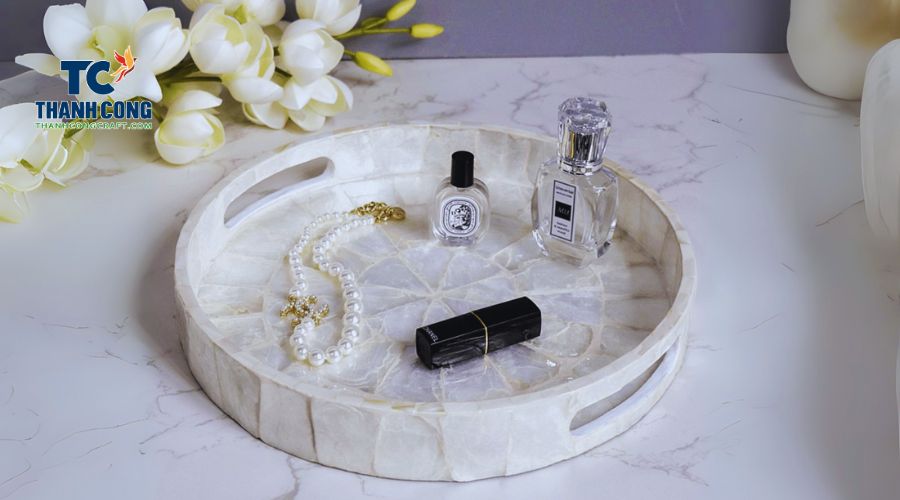
In the Middle East, Mother of Pearl products are frequently used for display, gifting, or ceremonial purposes. Functional wear is generally lower, but high-gloss finishes are favored. This makes even small scratches more noticeable under strong lighting, increasing the importance of polishing quality and surface inspection.
Understanding these regional expectations helps B2B buyers define realistic quality standards for each destination market.
See our article on: Mother of Pearl Trays for Hotels – Why Resorts Prefer Them
5. How Can Manufacturers and Buyers Minimize Scratch Risk Over the Product Lifecycle?
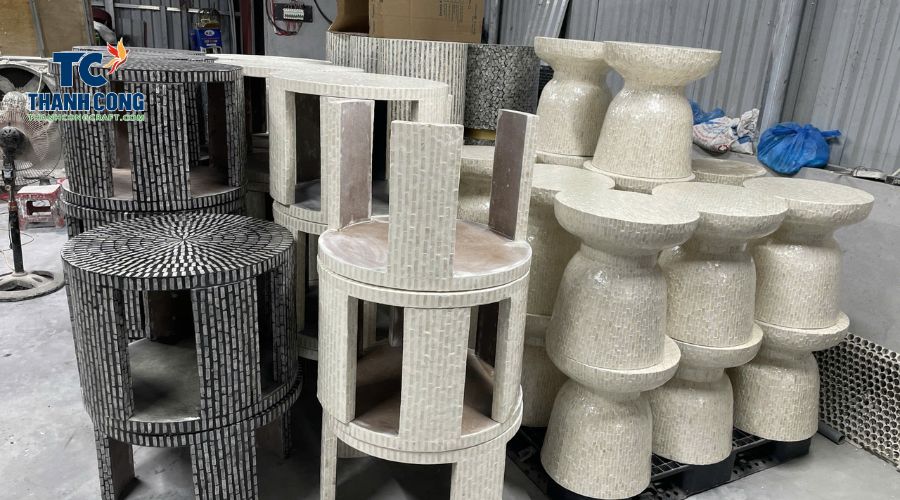
Scratch prevention begins at the manufacturing stage through careful sanding, polishing, and edge finishing. A well-prepared surface reduces micro-irregularities where scratches can originate. Some producers apply protective sealants to slow abrasion, though these coatings do not make Mother of Pearl scratch-proof.
Packaging design plays an equally important role. Separating surfaces with foam, fabric, or paper layers during shipping prevents friction caused by vibration. In export practice, inadequate packaging is one of the most common causes of surface damage.
At the retail and end-user level, clear care instructions significantly reduce long-term wear. Advising against dragging sharp objects or stacking items without protection preserves surface quality. From a B2B perspective, realistic communication improves customer satisfaction and reduces returns.
Reach out to us today to learn more about our products or to place a wholesale order. We look forward to connecting with you!
- Thanh Cong Handicraft Co., Ltd
- Email: [email protected]
- Tel/WhatsApp: +84967485411
Explore our Products Collection for more choices! Contact Us!


