

Fair quotation check is a vital skill when importing from overseas or contracting artisanal suppliers. Too often buyers accept quoted prices at face value and later regret hidden costs, poor quality, or unfair margins. This article will walk you through reliable ways to evaluate whether a quote is fair or inflated — with real examples from handicraft sourcing in Vietnam and strategic tips for negotiation.
Contents
1. Understanding What Makes a Quotation Fair
A fair quotation check begins by knowing exactly what a good quotation should include and what signals unfair pricing. A complete quotation is more than just a price per unit — it should clearly define product specifications, production stages, and export responsibilities.
A proper quote usually lists:
- Unit price (based on specific materials, dimensions, and finish)
- Labor and craftsmanship details
- Packaging type and cost (export carton, inner box, labeling)
- Inland transportation (from factory to port)
- Customs and documentation fees
- Profit margin or service charge
Without these elements, the quote becomes vague and can easily conceal inflated figures. For instance, a Vietnamese bamboo furniture manufacturer once quoted $35 per chair without specifying whether that price included cushions, assembly, or packaging. Later, the buyer discovered an additional $9 per chair in packaging and labor — pushing the cost well beyond fair market range.
Case Study: Rattan Basket Supplier in Binh Duong
A European wholesaler sourcing rattan baskets requested detailed cost breakdowns from three Vietnamese factories. Two suppliers gave lump-sum quotes, while Thanh Cong Handicraft Export Co., Ltd. provided itemized pricing that included weaving, lacquering, drying, packaging, and freight cost to Cat Lai Port. After evaluation, the buyer realized that the “cheapest” quote from another supplier excluded humidity treatment and finishing — crucial for export durability. Although Thanh Cong’s quote seemed higher initially, it was fairer and more complete, saving future replacement costs.
A fair quotation is not always the lowest — it’s the one that reflects realistic production and logistics expenses while ensuring consistent product quality and reliability.
See how: How Many Units Should You Import on Your First Order?
2. Comparing Quotes from Multiple Suppliers
Another essential method in a fair quotation check is comparing prices from multiple suppliers before committing. Comparison not only reveals the market range but also helps detect red flags in overly cheap or unusually expensive offers.
When collecting quotations, keep product specifications consistent — same materials, sizes, finishes, and incoterms (FOB, CIF, EXW). Even small differences, like a supplier using 1.2mm rattan instead of 1.5mm, can distort comparison.
Example: Seagrass Ottoman Project
An Australian brand wanted to import 500 seagrass ottomans. Supplier A quoted $28/unit FOB Haiphong, Supplier B quoted $24 but excluded moisture protection, and Supplier C quoted $31 including a custom color finish. The buyer initially leaned toward Supplier B for the low price but later discovered mildew issues in shipment because of lack of humidity-resistant coating. The real “fair quotation” turned out to be Supplier C — higher upfront but with total lifecycle value.
This is a classic reminder that a fair price is not just low; it’s transparent and complete.
Moreover, comparing quotes helps you understand each supplier’s capability and market positioning. Suppliers that respond quickly with detailed breakdowns often indicate strong management and financial transparency. In contrast, vague or incomplete replies can signal disorganization or deliberate ambiguity.
Explore how: Top-Selling Vietnamese Handicrafts – Retailers Can’t Keep in Stock
3. Evaluating Labor, Material, and Overhead Costs
A smart fair quotation check digs deeper into cost structure. Understanding raw material, labor, and overhead costs can help you estimate whether the supplier’s price is inflated or justified.
Material Cost Verification
Raw materials often account for 40–60% of total product cost in handicraft manufacturing. By asking suppliers for raw material invoices or at least typical local market ranges, you can easily spot inconsistencies.
For example, if natural seagrass currently costs around 18,000 VND per kg in Nam Dinh but your supplier’s material charge implies 35,000 VND/kg, that’s a red flag.
Some factories also use imported materials like lacquer, metal frames, or eco-friendly coatings. These legitimate costs can raise the quotation — but transparency is key. A fair supplier will gladly explain these additions.
Labor and Overhead Costs
Labor cost depends heavily on region and skill level. In traditional craft villages such as Phu Vinh (Ha Noi) or Chau Thanh (Ben Tre), artisans are paid by piecework. If a supplier quotes labor costs that are drastically below standard wage levels, they may be underpaying workers or rushing production, which could impact quality.
Conversely, a supplier quoting abnormally high labor costs may be padding profits. Ask how many artisans are involved and the estimated man-hours per product.
Overhead and Profit Margin
Overhead includes rent, energy, management salaries, and waste factors. A fair overhead allocation typically ranges from 10–20%, depending on factory size. Some small workshops overinflate overheads to compensate for low efficiency.
A practical example: A U.S. buyer sourcing lacquer boxes from Vietnam found “miscellaneous overhead” listed as 30% of the total quote. After questioning, the supplier admitted this included unutilized warehouse rent. Upon negotiation, the buyer reduced the total cost by 12%.
See how: How to Choose a Wholesaler That Maximizes Your Profit
4. Detecting Hidden and Post-Quotation Costs
Even after a quote seems clear, a fair quotation check must extend to hidden or post-quotation charges that can appear during production or shipment. These costs are the silent profit boosters that turn “cheap quotes” into costly mistakes.
Common Hidden Costs
- Additional charges for export documentation, fumigation, or ISPM-15 crates
- Inspection and testing fees not mentioned earlier
- Currency exchange adjustments when payment delays occur
- Repacking and relabeling fees for compliance with importing country standards
- Insurance and port storage if shipment delays happen
Real-World Case: Bamboo Furniture Shipment
A U.K. importer accepted a quote of $60 per bamboo chair FOB Ho Chi Minh City. Later, the factory added $3 for export inspection, $2 for crate fumigation, and $1.5 for special labeling — unlisted in the quote. The “cheap” quote turned into $66.5 per chair. The supplier wasn’t dishonest but careless with quotation completeness. The importer now insists on “All-inclusive FOB” quotes with full itemization.
Another case involved a seagrass rug supplier that excluded freight insurance from their CIF quotation. When a container was delayed, the importer discovered they had to pay for additional warehouse storage. Always ask clearly: “Which services are included and excluded?”
Transparent communication during quotation review prevents future disputes and financial surprises.
5. Negotiation Strategies After Fair Quotation Check
Once a fair quotation check is complete, the next phase is negotiation. However, negotiation should aim not only for lower prices but for sustainable collaboration. A fair quote gives both sides room for growth.
Tactics for Effective Negotiation
- Use Comparison as Leverage
Politely mention competitor pricing to encourage suppliers to improve their offers. Example: “Supplier B offers the same design with export-grade varnish at $2 lower. Can you match or provide better finishing?” - Propose Tiered Pricing
Suggest different price levels for bulk orders, private labeling, or faster lead times. This allows flexibility and fair compensation for both sides. - Trade Long-Term Commitment for Lower Margins
Offer repeat orders or annual contracts in exchange for small price reductions. Reliable buyers often gain better deals than one-time importers. - Request Performance Clauses
Insert clauses like “Penalty for quality deviation >5%” or “Rework at supplier’s expense.” These terms ensure the price stays fair in performance.
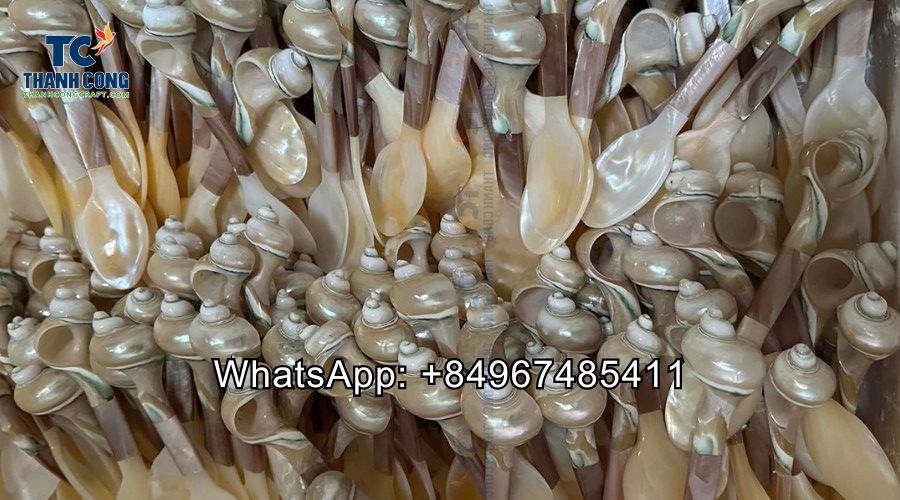
Example: Thanh Cong Handicraft’s Approach
A French home décor brand negotiating with Thanh Cong Handicraft noticed the quote was 7% higher than a Thai supplier. After discussion, Thanh Cong offered a value-added solution — moisture-proof packing and custom logo printing — making their quote more cost-effective long term. This shows that fairness often lies not in the lowest number but in total delivered value.
Cultural Insight
In Vietnam, negotiation is relational. Building trust through transparent communication and mutual respect leads to better pricing over time. Pushing for unrealistic discounts can cause suppliers to silently reduce quality or delay shipments — a lose-lose outcome.
Reach out to us today to learn more about our products or to place a wholesale order. We look forward to connecting with you!
- Thanh Cong Handicraft Co., Ltd
- Email: [email protected]
- Tel/WhatsApp: +84967485411
Explore our Products Collection for more choices! Contact Us!


