

Handmade Bamboo Bowls are more than dining accessories; they are cultural symbols, eco-friendly alternatives, and meaningful gifts for modern lifestyles. From their deep historical roots to their increasing popularity in sustainable homes, bamboo bowls offer both functionality and artistry. This article explores their cultural significance, growing demand, craftsmanship, design versatility, and practical tips for sourcing and maintaining authentic pieces. If you are a retailer, importer, or simply an eco-conscious consumer, you will find valuable insights to help you appreciate these timeless products.
Contents
1. Cultural and Historical Significance of Handmade Bamboo Bowls
Handmade bamboo bowls have played an important role in communities across Asia, Africa, and South America for centuries. More than just utilitarian objects, they reflect a philosophy of simplicity, harmony, and deep respect for nature. For instance, in Vietnam, bamboo bowls are used in family meals as a symbol of unity and continuity. In Japan, bamboo objects are central in tea ceremonies, where their presence underscores purity and mindfulness. Similarly, across rural communities in Africa, bamboo and similar natural fibers are crafted into bowls for communal meals, embodying a sense of shared living and hospitality.
Explore our post on: Vietnam Bamboo Crafts Leading the Global Export Market
2. Why Handmade Bamboo Bowls Appeal to Eco-Lovers
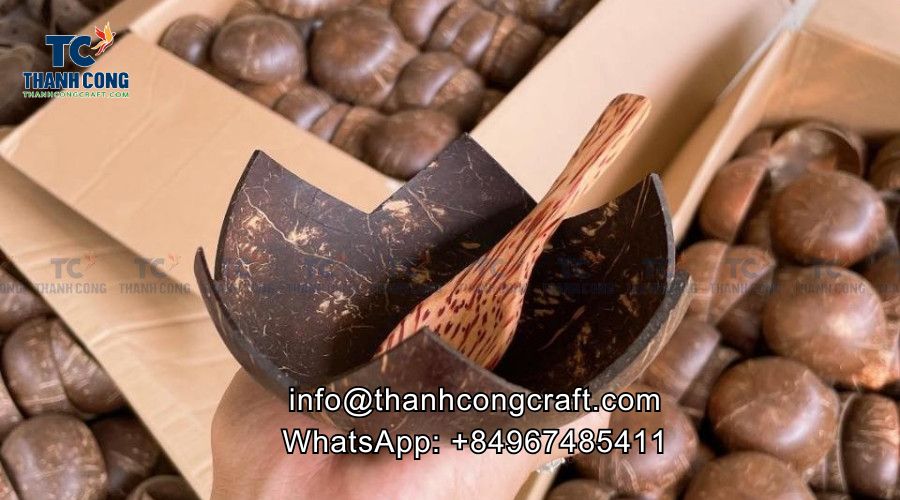
In today’s market, handmade bamboo bowls are becoming a favorite among eco-conscious buyers. They represent sustainability, durability, and timeless beauty while offering practical functionality in daily life. As environmental concerns shape consumer behavior, products like bamboo bowls stand out as both stylish and sustainable.
2.1 A Sustainable Choice for Modern Homes
One of the strongest appeals of bamboo is its renewable nature. Unlike hardwood trees that take decades to mature, bamboo regenerates in just a few years. It grows with minimal resources, often without pesticides or artificial fertilizers. As a result, handmade bamboo bowls are excellent eco-friendly alternatives to plastics, ceramics, or synthetic kitchenware. Choosing them directly supports sustainable consumption, reducing environmental footprints while encouraging greener lifestyles.
2.2 Versatility and Aesthetic Value
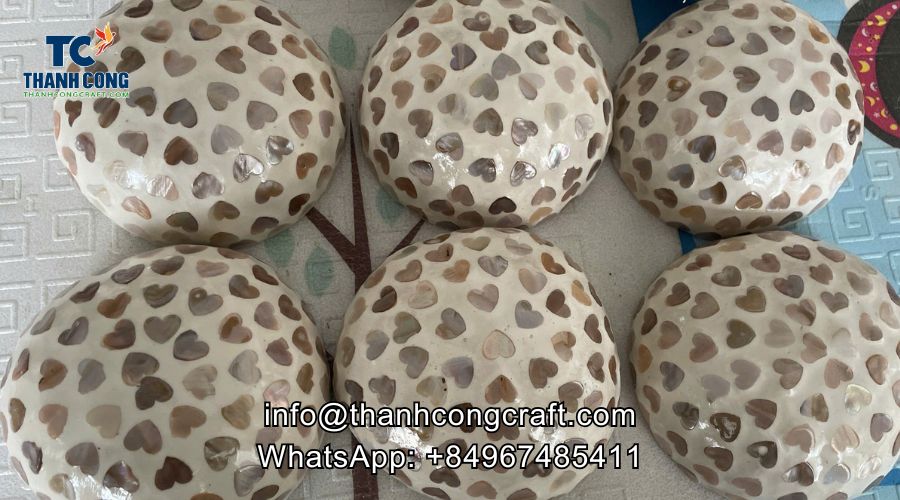
Handmade bamboo bowls fit effortlessly into many interior design styles. Their neutral tones and natural patterns complement minimalist, Scandinavian, bohemian, and rustic décor. They can serve as everyday dining bowls, elegant serving pieces, or decorative centerpieces. For eco-lovers, this versatility is especially attractive, since they prefer items that combine beauty with function. Consequently, bamboo bowls enhance both the dining experience and the aesthetics of any home environment.
2.3 Long-Lasting Durability
Although bamboo is lightweight, it is remarkably durable when crafted by skilled artisans. Handmade bamboo bowls can withstand daily use for soups, salads, rice, or fruits without losing their appeal. With proper care, they resist stains, cracks, and warping. Compared with fragile ceramics or disposable plastics, bamboo offers lasting value. Therefore, buyers see them as long-term investments that align with eco-friendly living principles.
Visit our post: Which Country Is Famous for Bamboo – Vietnam on Top
3. The Craftsmanship Behind Handmade Bamboo Bowls
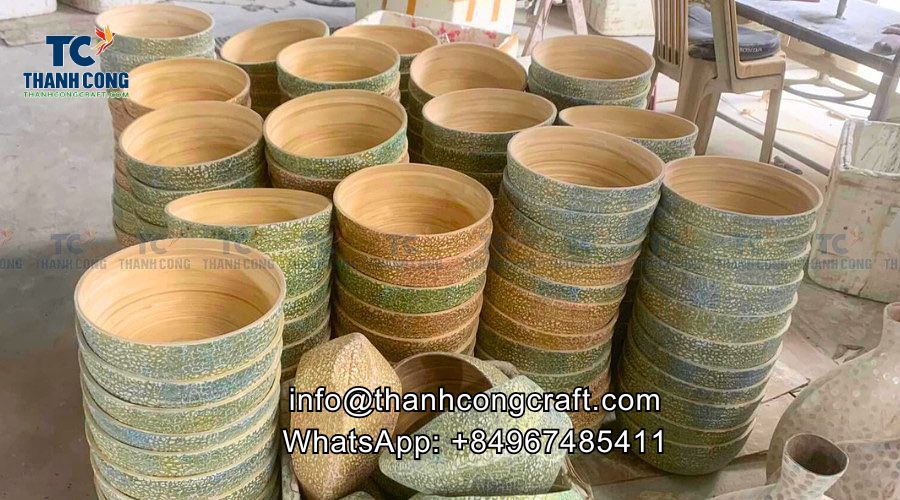
The artistry behind handmade bamboo bowls is what truly distinguishes them from mass-produced alternatives. Each bowl represents hours of skill, passed down through generations of artisans.
3.1 Traditional Crafting Techniques
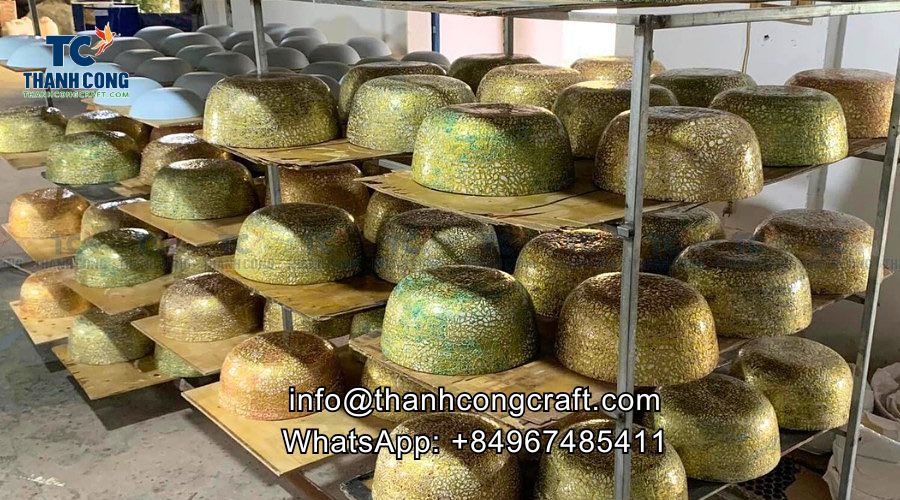
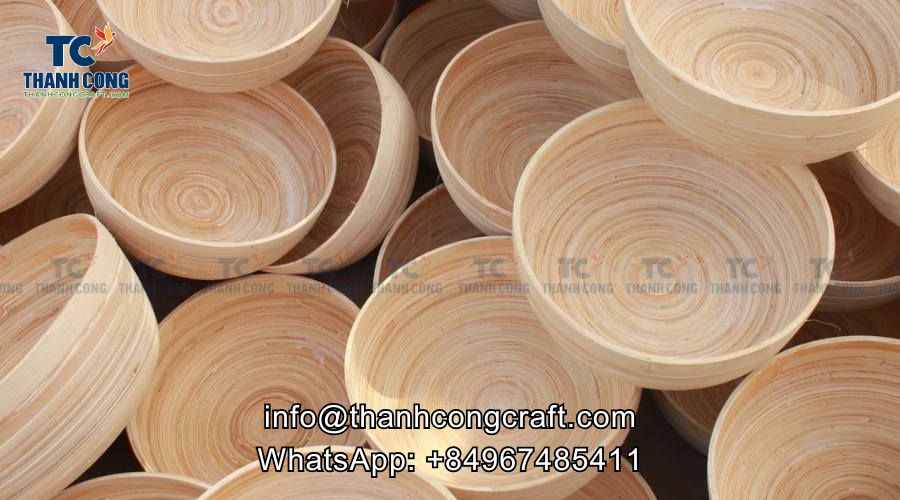
Artisans follow meticulous processes to transform raw bamboo into elegant bowls. First, bamboo is steamed and softened, making it pliable enough to mold. Then, strips are carefully shaped into curved forms, polished, and refined by hand. Natural oils or food-safe finishes are applied to protect the surface and highlight the grain. This handcrafted process ensures that no two bowls are exactly alike—each piece carries unique textures and patterns.
3.2 Modern Innovations for Global Buyers
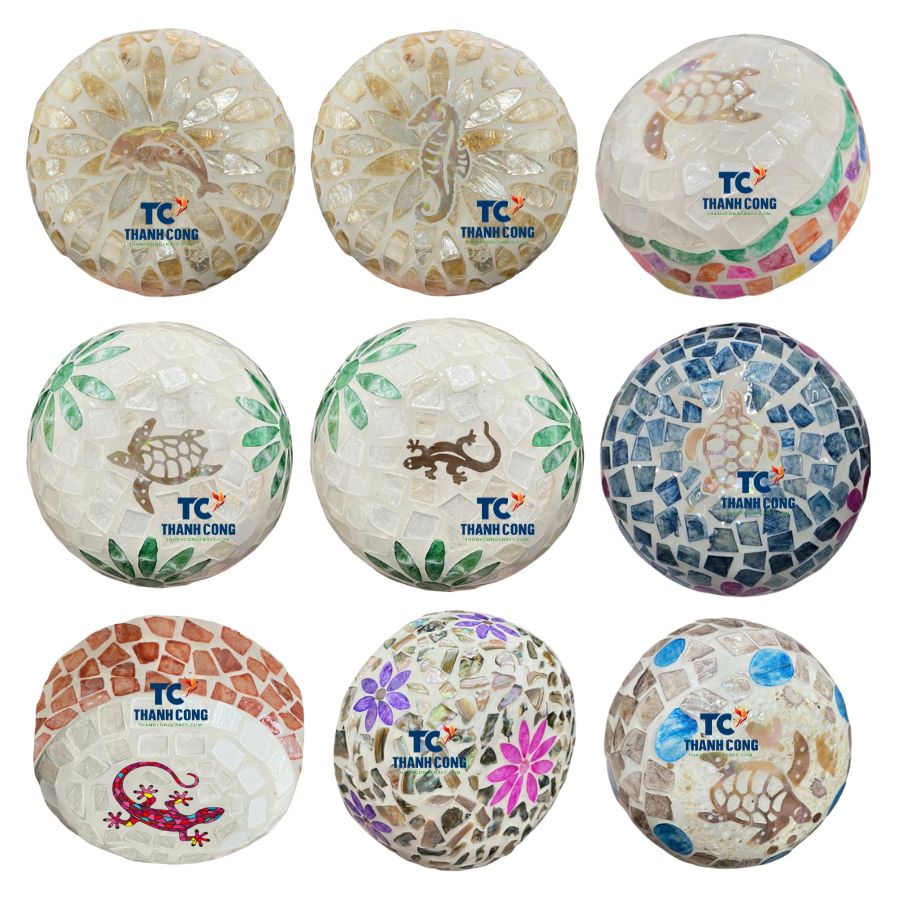
To appeal to international markets, producers now incorporate modern adaptations such as lacquer finishes, engravings, and vibrant colors. These innovations make handmade bamboo bowls relevant for both traditional households and contemporary restaurants. Importantly, the addition of food-safe coatings ensures they meet safety standards required in Europe and North America. By merging tradition with innovation, these bowls appeal to a broad global audience.
3.3 Empowering Artisan Communities
Supporting handmade bamboo bowl production also empowers rural communities. In countries like Vietnam and Indonesia, bamboo craftsmanship provides stable income for artisan families. By choosing authentic, fair-trade suppliers, retailers and importers help preserve cultural traditions while sustaining livelihoods. For eco-conscious consumers, this ethical dimension adds even greater value to each purchase.
Visit our post: Which Country Is Famous for Bamboo – Vietnam on Top
4. Design Varieties and Uses of Handmade Bamboo Bowls
Handmade bamboo bowls come in a wide variety of designs, each suited for different functions and settings. Their adaptability is one reason they continue to gain popularity among both households and businesses.
4.1 Everyday Dining Bowls
For daily meals, bamboo bowls provide lightweight and practical options. They are ideal for serving rice, noodles, soups, or snacks. Their smooth surfaces and simple beauty elevate ordinary meals into pleasant dining experiences. Moreover, they are safe for both children and adults, offering a natural and toxin-free option for families.
4.2 Decorative and Multi-Purpose Bowls
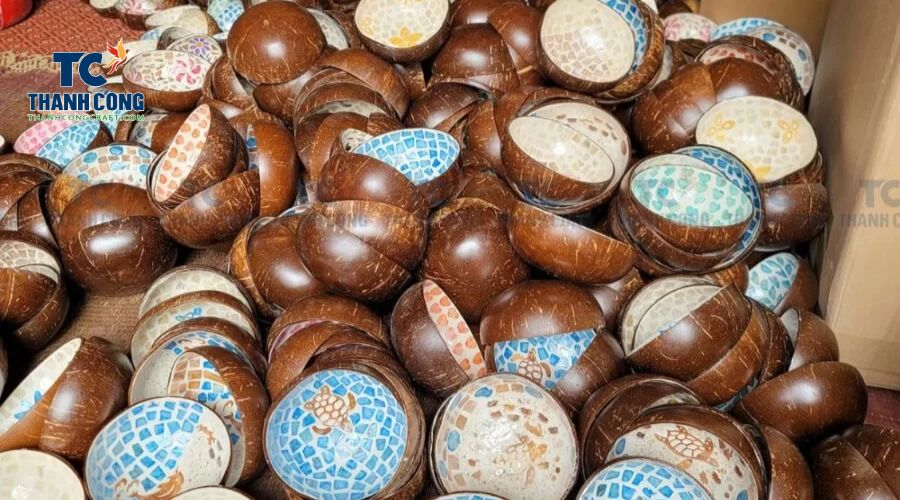
Beyond the kitchen, handmade bamboo bowls function beautifully as decorative pieces. Larger bowls can hold fruits, bread, or salads, while oversized designs serve as eye-catching centerpieces. Placed on coffee tables or sideboards, they bring a touch of nature indoors, blending functionality with home décor. Their aesthetic versatility makes them valuable for homeowners and interior designers alike.
Related reading: The most popular wholesale rattan and bamboo baskets
5. Care, Maintenance, and Sourcing Authentic Handmade Bamboo Bowls
5.1 Proper Care for Longevity
Maintaining handmade bamboo bowls requires only simple steps. Wash them by hand using mild soap and lukewarm water, then dry immediately. To preserve their luster, apply food-safe oil occasionally. Avoid soaking them in water or placing them in dishwashers, as this can weaken their fibers. With these steps, bamboo bowls can last for many years while retaining their natural charm.
5.2 Partnering with Trusted Exporters
For retailers and importers, sourcing authentic bamboo bowls is crucial. Working with established exporters such as Thanh Cong Handicraft ensures compliance with international safety and sustainability standards. These suppliers provide customizable options, enabling businesses to meet diverse market demands while supporting ethical trade. Authentic partnerships guarantee high-quality products and long-term trust.
Reach out to us today to learn more about our products or to place a wholesale order. We look forward to connecting with you!
- Thanh Cong Handicraft Co., Ltd
- Email: [email protected]
- Tel/WhatsApp: +84967485411
Explore our Products Collection for more choices! Contact Us!


