

The Hidden Signs a Vietnamese Supplier Can—or Can’t—Handle Big Orders are often overlooked by wholesalers rushing into contracts. This article explores practical ways to evaluate suppliers before committing to bulk purchases. With detailed insights, you’ll learn how to identify red flags, measure capacity, and build long-term partnerships that minimize costly mistakes.
Contents
1. Why Supplier Reliability Matters in Vietnam’s Wholesale Market
The Hidden Signs a Vietnamese Supplier Can—or Can’t—Handle Big Orders often appear during early negotiations, but wholesalers sometimes miss them. Vietnam has grown into one of the world’s top sourcing destinations for handicrafts, furniture, and home décor. Because of this, the demand for reliable large-scale suppliers is higher than ever.
However, trust cannot be built solely on catalog images or enthusiastic promises. In fact, many overseas buyers discover too late that a supplier’s real production capacity falls short of their claimed capabilities. Consequently, contracts collapse, deliveries are delayed, and reputations suffer in destination markets.
Moreover, Vietnam’s fragmented supply chain means that small workshops frequently collaborate to fill big orders. While this practice is common, it can also cause uneven quality control, longer lead times, and confusion in communication. Therefore, identifying hidden signs of reliability—or unreliability—is essential.
For wholesalers in sectors such as bamboo baskets, rattan lamps, and mother-of-pearl trays, supplier trustworthiness directly affects profitability. If an order arrives late or with inconsistent quality, retailers lose confidence, which leads to fewer repeat sales. Hence, a structured evaluation process is not optional—it is mandatory for sustainable growth.
Explore more: Which Vietnamese Handicrafts Sell Best in the U.S. and Europe?
2. Key Indicators of Supplier Capacity
The Hidden Signs a Vietnamese Supplier Can—or Can’t—Handle Big Orders are closely tied to measurable capacity indicators. When assessing a supplier, wholesalers should avoid relying solely on verbal assurances. Instead, they should demand hard data and verifiable processes.
2.1 Production Facilities and Machinery
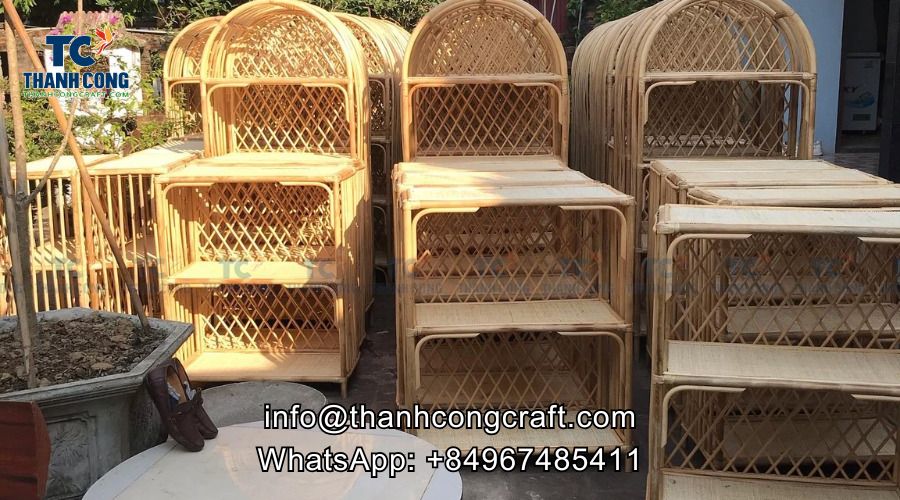
First, examine the scale of production facilities. Do they own their factory, or do they outsource everything to smaller workshops? Reliable suppliers usually have in-house machinery, storage, and quality inspection areas. On the other hand, if a factory seems too small to handle your minimum order quantity, it is a clear warning sign.
2.2 Workforce Stability
Second, evaluate workforce stability. Suppliers that frequently rely on seasonal or temporary labor often struggle to meet consistent standards. Conversely, factories with long-term skilled workers deliver products with uniform quality.
2.3 Raw Material Sourcing
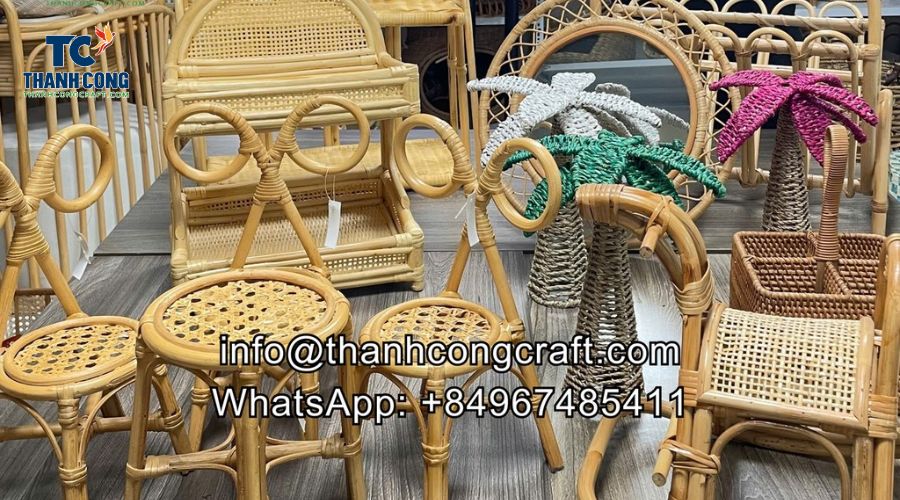
Third, ask about raw material sourcing. For instance, in the handicraft sector, stable access to bamboo, rattan, or mother-of-pearl determines both delivery time and product quality. If suppliers rely on irregular local vendors, production delays become inevitable.
2.4 Previous Large Orders
Finally, request case studies or references from past bulk shipments. Suppliers who successfully managed orders of thousands of units for international clients provide greater confidence. In contrast, vague responses or reluctance to share examples reveal hidden weaknesses.
Learn about: Why Importing Baskets in Bulk From Vietnam Could 5x Your Profit
3. Warning Signs During Negotiations
The Hidden Signs a Vietnamese Supplier Can—or Can’t—Handle Big Orders often emerge during contract discussions. While suppliers may sound convincing, subtle details reveal the truth.
3.1 Overpromising on Lead Times
If a supplier promises extremely short delivery windows without concrete evidence, treat this as a red flag. Because bulk production involves multiple steps—sourcing, manufacturing, quality control, packing, and shipping—unrealistic promises often lead to missed deadlines.
3.2 Vague Responses About Quality Control
Suppliers who cannot clearly explain their quality assurance process usually lack systematic controls. Instead, they may rely on last-minute fixes that compromise consistency.
3.3 Lack of Transparent Documentation
Reliable suppliers are comfortable sharing certifications, export records, or compliance documents. On the contrary, reluctance to provide paperwork suggests disorganization—or worse, non-compliance with international standards.
3.4 Inflexibility in Communication
When communication feels one-sided or slow, expect more significant issues later. A trustworthy supplier must respond promptly, clarify concerns, and adapt to changes. Otherwise, small misunderstandings will escalate into costly disputes.
See more: Do Wholesalers Cover Return Costs for Damaged Furniture?

4. Building Long-Term Supplier Partnerships
The Hidden Signs a Vietnamese Supplier Can—or Can’t—Handle Big Orders should not discourage you from sourcing in Vietnam. Instead, they should help you build stronger, more strategic partnerships.
4.1 Start with Pilot Orders
Begin with smaller trial shipments before committing to container loads. This approach reduces risk while testing the supplier’s true capacity.
4.2 Invest in On-Site Inspections
Whenever possible, arrange a trusted local partner or third-party inspector to visit production sites. Because personal visits reveal details impossible to detect over email, they remain the most effective evaluation method.
4.3 Develop Transparent Communication Systems
Establish clear reporting schedules and digital communication channels. Regular updates on production stages create accountability and minimize surprises.
4.4 Strengthen with Long-Term Contracts
Suppliers often prioritize clients who commit to regular orders rather than one-time bulk deals. Consequently, building a stable relationship encourages them to allocate more resources and ensure consistent quality.
Discover more post: Wholesale Price vs Small Order: Truth Every Importer Must Know
5. Turning Risks into Opportunities
The Hidden Signs a Vietnamese Supplier Can—or Can’t—Handle Big Orders exist in every negotiation, factory tour, and email exchange. Instead of ignoring them, wholesalers should use these signals to make informed decisions. With structured evaluation, small pilot orders, and consistent communication, sourcing from Vietnam becomes not only reliable but also highly profitable.
Because Vietnam’s handicraft and furniture industries are expanding rapidly, international buyers who master supplier evaluation today will gain long-term competitive advantages tomorrow.
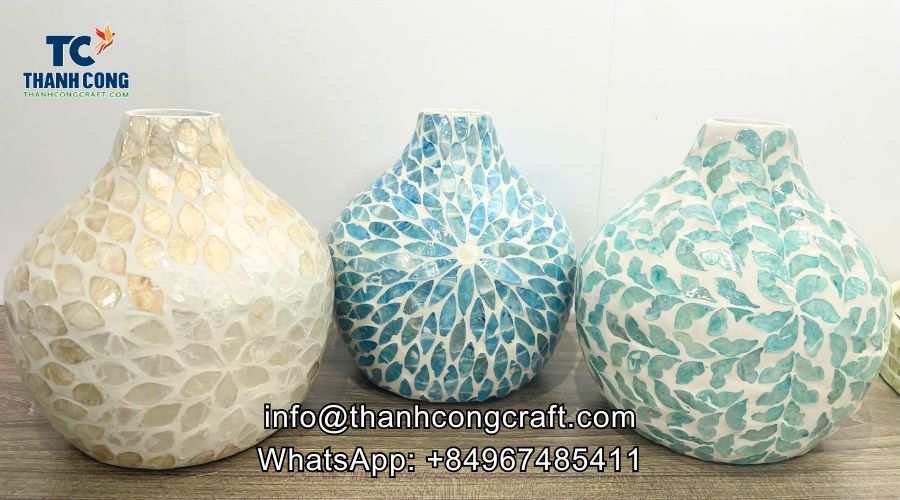
Reach out to us today to learn more about our products or to place a wholesale order. We look forward to connecting with you!
- Thanh Cong Handicraft Co., Ltd
- Email: [email protected]
- Tel/WhatsApp: +84967485411
Explore our Products Collection for more choices! Contact Us!


