

Brand display consistency is shaped by the physical display choices customers see, touch, and remember over time. When materials, presentation styles, or display quality change too frequently, brand perception becomes fragmented. Consistent display choices help customers recognize and trust a brand beyond logos, packaging, or advertising.
Contents
- 1. Why Display Choices Quietly Shape Brand Perception Over Time?
- 2. How Material Choice Builds Familiarity and Emotional Trust?
- 3. Why Constant Display Refreshes Can Undermine Brand Stability?
- 4. How Real-Life Use Reveals the True Strength of Display Choices?
- 5. How Display Consistency Is Experienced Differently Across Markets?
1. Why Display Choices Quietly Shape Brand Perception Over Time?
Brand display consistency rarely feels urgent because display decisions often sit between marketing, merchandising, and operations. As a result, they are treated as practical choices rather than brand-defining ones. However, for customers, displays are not background details—they are part of the brand experience itself.
Think about how often people actually interact with display elements. A tray, stand, or serving piece may sit in a retail space, hotel lounge, or home for months or years. During that time, it silently communicates the brand’s values through its material, weight, finish, and durability. Customers may not consciously analyze these details, but they remember how the brand “felt.”
When display materials feel stable and intentional, brands come across as confident and reliable. On the other hand, when display choices shift from solid to disposable, or from refined to generic, customers sense inconsistency. Even if they cannot explain it, trust slowly erodes.
For handcrafted decorative and serving products, this effect is amplified. These items are meant to be reused and displayed repeatedly. Over time, they become part of the environment where people live, host, or gift. That long-term presence makes display choices far more influential than many brands expect.
Learn more about this topic: Will Mother of Pearl Inlay Fade, Crack, or Discolor Over Time?
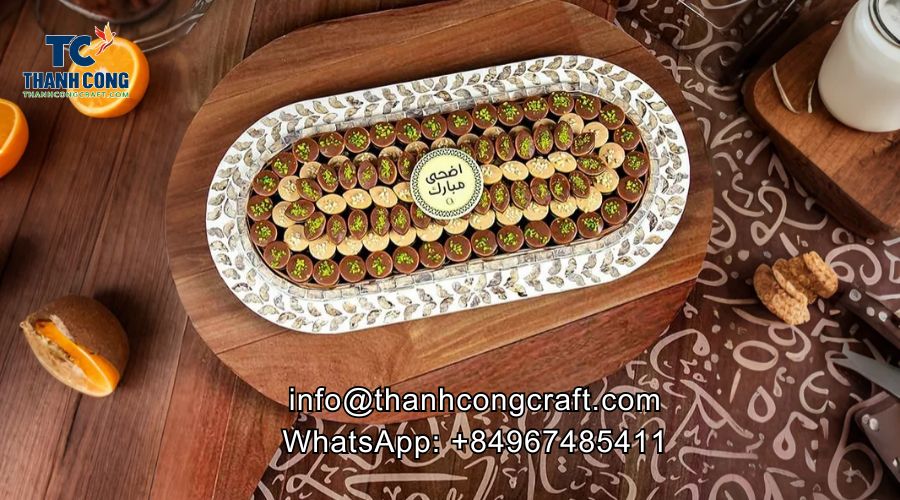
2. How Material Choice Builds Familiarity and Emotional Trust?
Brand display consistency is closely tied to material choice because people respond emotionally to materials before they think rationally. Texture, temperature, and visual depth all shape first impressions. Over repeated exposure, those impressions turn into familiarity.
Materials like mother of pearl naturally support this process. Its surface reflects light softly rather than aggressively, creating a sense of depth rather than shine. When customers encounter it repeatedly, it feels calm, refined, and deliberate. This quiet richness encourages trust rather than attention-seeking.
By contrast, materials that feel lightweight or overly processed often communicate short-term thinking. Even when designs look modern, they may lack emotional weight. Over time, this can make a brand feel less serious or less enduring, especially in premium contexts.
From a user’s perspective, consistency does not require identical designs. It requires a recognizable material language. When customers begin to associate certain materials with a brand, recognition happens naturally—even without logos or labels.
For brands evaluating display options, the key question is not “Does this look good now?” but “How will this material feel after repeated use and exposure?”
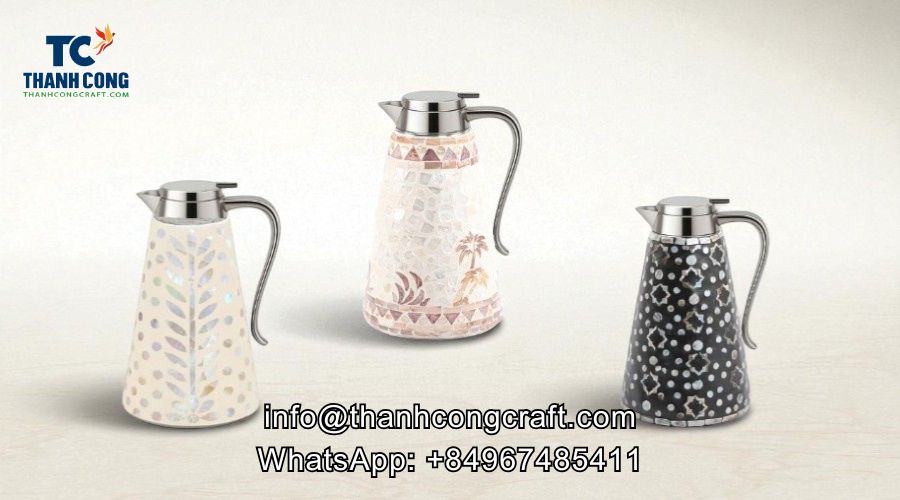
3. Why Constant Display Refreshes Can Undermine Brand Stability?
Brand display consistency often weakens when brands attempt to stay visually fresh at all costs. Seasonal updates, trend-driven materials, or cost-led substitutions may appear harmless individually. However, over time, they create a fragmented brand story.
Customers do not experience displays in isolation. They remember patterns. When display materials change too frequently, brands lose visual and emotional continuity. As a result, the brand becomes harder to recall and easier to replace.
This issue is especially common when brands prioritize novelty over familiarity. While new designs can attract attention, they do not always build recognition. Materials like mother of pearl work differently. They support continuity because they do not feel tied to a specific trend or moment.
That does not mean brands should avoid change entirely. Evolution is natural. However, strong brands change within a consistent material framework. Forms and proportions may shift, but the material language remains stable enough to feel familiar.
In practice, customers are more likely to trust brands that evolve slowly and intentionally rather than those that constantly reinvent their visual identity.
Find out more: What Interior Styles Does Mother of Pearl Furniture Suit Best?
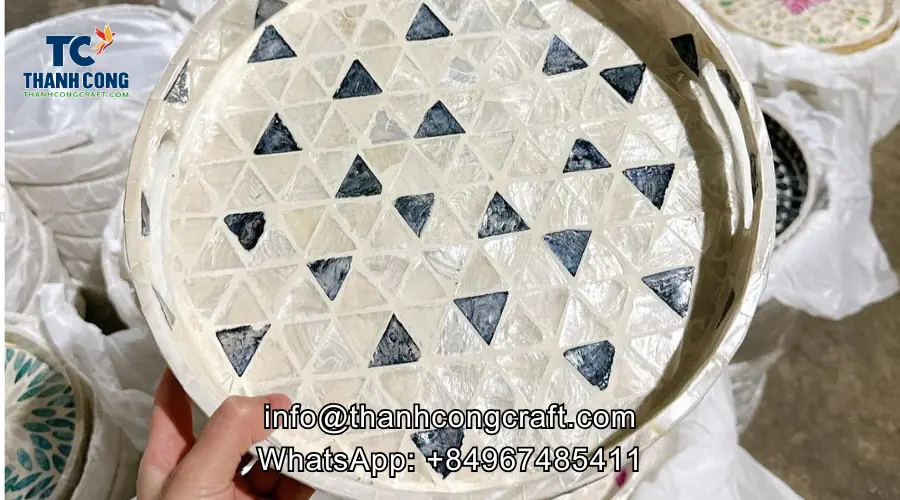
4. How Real-Life Use Reveals the True Strength of Display Choices?
Brand display consistency becomes most visible once display items move beyond the showroom. A display that looks impressive under perfect lighting but feels fragile in use creates disappointment. These moments matter more than brands often realize.
When a decorative tray or serving piece is reused in homes, hotels, or events, it becomes a brand representative without explanation. If it holds up well, feels balanced, and ages gracefully, the brand benefits. If it chips, fades, or feels impractical, the brand quietly loses credibility.
Mother of pearl performs well in this context because it balances visual elegance with physical substance. It does not demand constant care, yet it retains its appearance over time. This reinforces the idea that the brand values long-term experience, not just first impressions.
Customers remember how objects behave in real life. Over time, those memories shape whether a brand feels dependable or superficial. Display consistency, therefore, is not only about appearance but about performance.
For brands using handcrafted products, durability and usability are not secondary concerns—they are central to maintaining brand trust.
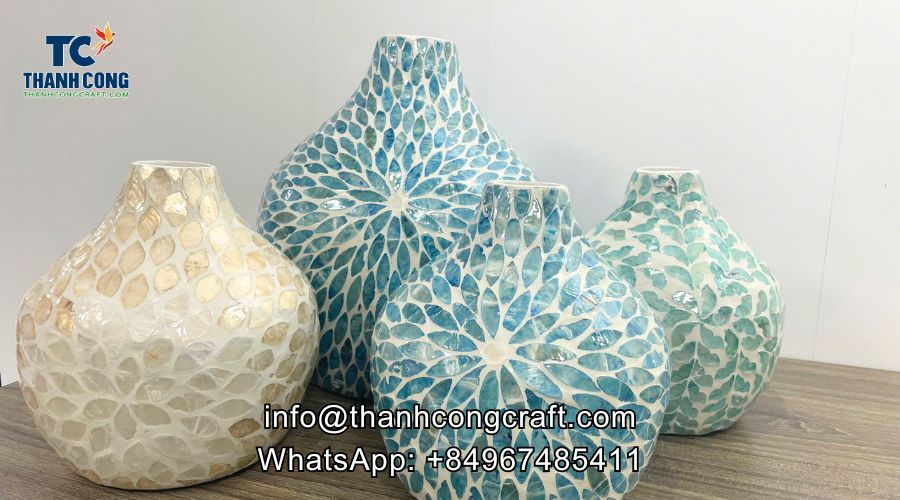
5. How Display Consistency Is Experienced Differently Across Markets?
Brand display consistency does not mean uniformity across all markets. Instead, it means expressing the same brand values in culturally appropriate ways.
In the US, customers often expect displays to integrate seamlessly into everyday life. Practicality and ease of use matter. Displays that feel too ceremonial may feel distant. Consistency here comes from functionality and familiarity.
In European markets, especially in design-conscious segments, subtle craftsmanship carries weight. Displays are expected to feel refined without being showy. Materials that age well and show restraint support long-term brand respect.
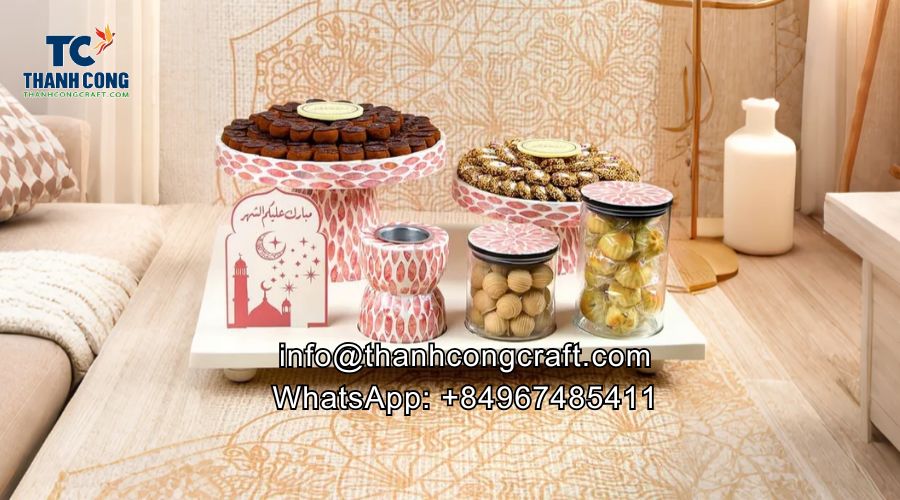
In the Middle East, display plays a more expressive role. Gifting and hospitality are deeply rooted in social relationships. Materials are expected to communicate generosity, presence, and dignity. Mother of pearl fits naturally into this context because it feels ceremonial without being excessive.
Across all markets, consistency is not about repeating the same design. It is about maintaining a coherent material and emotional language that aligns with cultural expectations.
Brands that understand this balance appear thoughtful rather than generic.
Related posts: Can Artificial Lighting Cause Mother of Pearl Inlay to Fade?
Reach out to us today to learn more about our products or to place a wholesale order. We look forward to connecting with you!
- Thanh Cong Handicraft Co., Ltd
- Email: [email protected]
- Tel/WhatsApp: +84967485411
Explore our Products Collection for more choices! Contact Us!


