

Rattan Basket Production Time is a key factor importers often overlook when sourcing handcrafted products from Vietnam, Indonesia, or other leading suppliers. This article explores the real production timelines for 1,000 baskets, the critical factors that influence output, and strategies businesses can use to speed up delivery without compromising quality. By the end, you’ll know exactly what to expect when placing bulk orders and how to communicate effectively with suppliers to meet deadlines.
Contents
1. Rattan Basket Production Time: Why Importers Need to Understand It
Rattan Basket Production Time is not just a number; it’s the foundation of successful supply chain management in the handicraft industry. Many importers underestimate how much effort goes into crafting 1,000 baskets, only to face delays that disrupt retail launches or seasonal sales.
The first reason to pay attention is seasonality. Export demand often spikes before major holidays such as Christmas or Ramadan. During these periods, small workshops face overwhelming pressure, and a project that usually takes four weeks might extend to six or more. Secondly, raw material availability significantly impacts scheduling. If rattan has not been harvested, treated, and dried in time, artisans cannot begin weaving.
Importers who ignore these details often suffer unexpected consequences. For example, one retailer in Germany placed a bulk order in late October expecting Christmas delivery, only to realize that the workshop needed nearly six weeks to complete 1,000 pieces. Instead of hitting shelves in December, the products arrived in January, missing the most profitable season. Understanding realistic timelines is therefore critical for planning promotions, shipping logistics, and cash flow.
Read also: 5 Genius Styling Rattan Wall Decor Ideas for Small Apartments
2. Step-by-Step Process from Harvest to Packaging
The basket production timeline begins long before artisans sit down to weave. The process includes raw material preparation, skilled hand-weaving, drying, quality inspection, and packaging. Each stage adds days to the total lead time.
2.1 Material Harvesting and Preparation
The schedule starts with raw materials. Freshly harvested rattan needs to be peeled, cleaned, and dried. Drying alone can take 5–7 days depending on humidity. If untreated, rattan is prone to mold during production and transport. Importers should note that any delay at this stage directly pushes back the entire schedule.
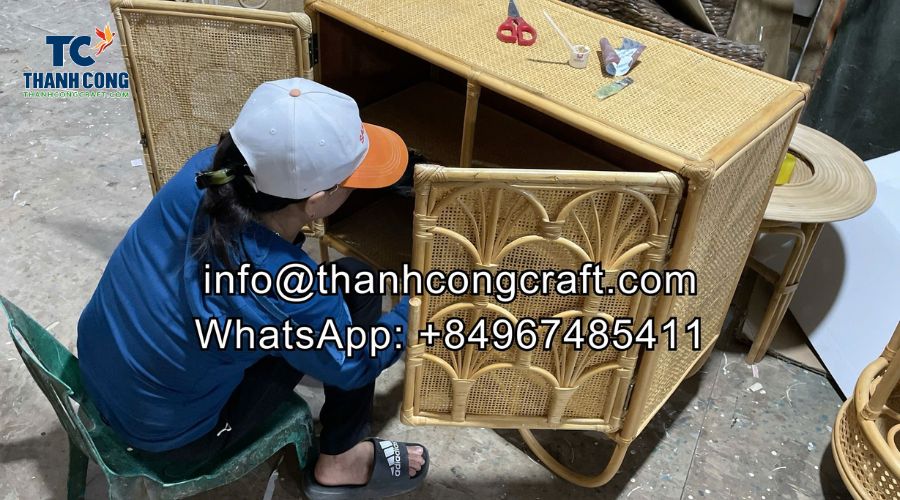
2.2 Hand-Weaving by Artisans
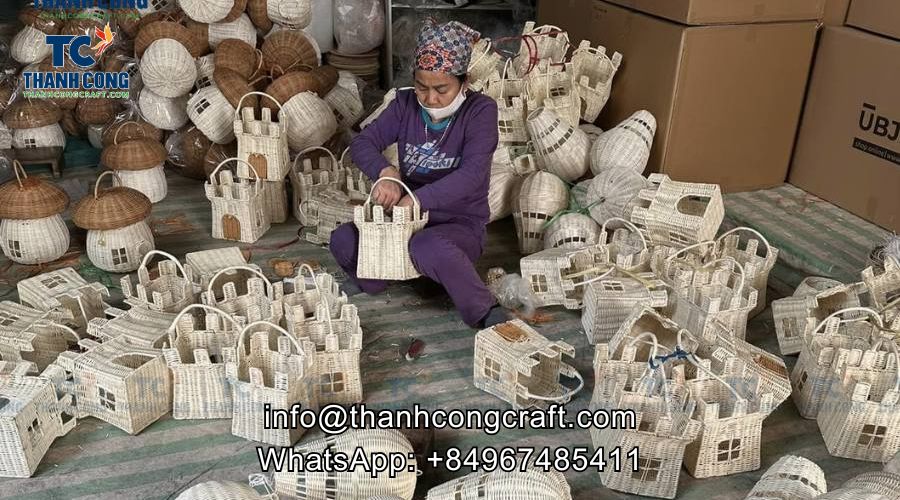
The actual crafting stage is where weaving capacity matters most. A skilled artisan can produce two to five baskets per day, depending on complexity. For a bulk order of 1,000 units, this requires coordination of multiple artisans working simultaneously. A large workshop might assign 30 artisans to complete weaving in under three weeks, while a smaller family-owned supplier could take twice as long.
2.3 Drying and Hardening
Once woven, baskets must be sun-dried or heat-treated to maintain shape and strength. This step usually takes 3–5 days, but in humid climates it may take up to 10 days. Skipping proper drying leads to warping during transport, a costly mistake importers cannot afford.
2.4 Quality Inspection and Finishing
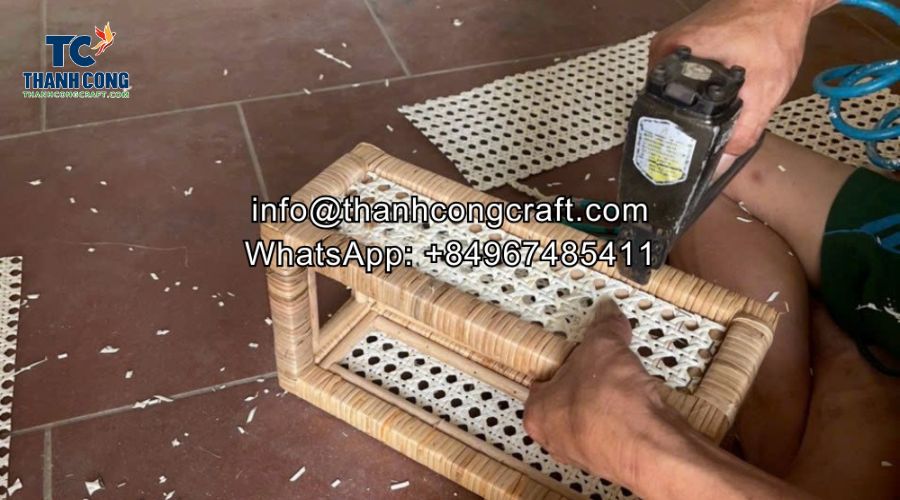
The crafting duration also includes finishing touches. Artisans cut off loose fibers, apply coatings to resist moisture, and check measurements for consistency. Quality inspection ensures baskets meet international export standards. Depending on the order size, inspection may take 3–7 days.
2.5 Packing and Export Preparation
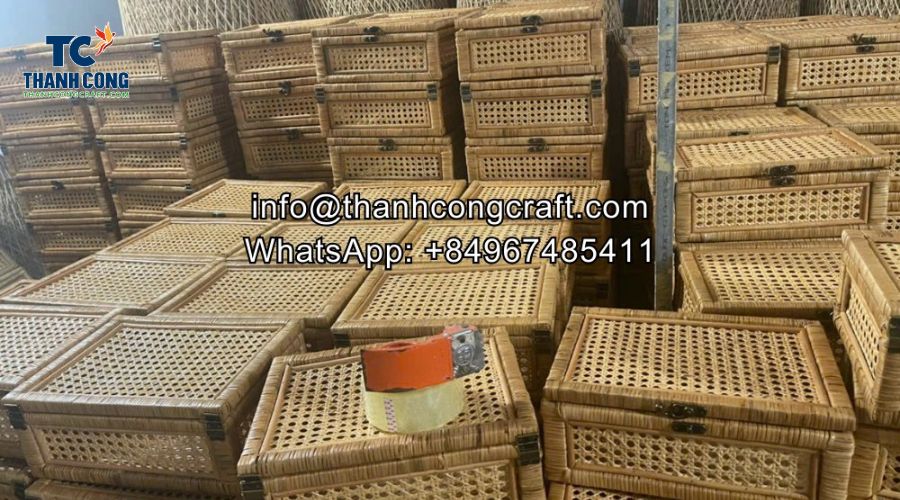
Finally, the turnaround time ends with packaging. Baskets are stacked, wrapped in protective materials, and boxed for shipment. Packaging for 1,000 baskets can take another 2–3 days, especially if custom labeling or barcoding is required.
Explore more: Rattan Wall Decor Export Documents – Saudi Arabia Requirements

3. Key Factors That Affect Speed
The production lead time is influenced by several external and internal variables. Understanding these factors helps importers predict realistic delivery schedules.
3.1 Complexity of Design
The weaving schedule extends significantly for complex designs. A simple storage basket may take an artisan two hours, while a decorative basket with handles, lids, or intricate patterns could take six or more. For bulk orders, design complexity can double the total completion time.
3.2 Size of the Workforce
The crafting duration depends heavily on the number of artisans available. A large-scale supplier with 100 artisans can complete 1,000 baskets in less than three weeks. In contrast, a small workshop with 10 artisans may require two months. Importers should always ask about workforce capacity before placing orders.

3.3 Seasonal Demand
Timelines stretch during peak export seasons. When multiple buyers compete for the same artisans, smaller orders may be delayed. Importers who schedule orders off-season often enjoy faster turnaround times and better prices.
3.4 Weather and Climate
The production process is vulnerable to climate. High humidity slows down drying, while excessive rain prevents sun-drying altogether. Many Vietnamese and Indonesian workshops rely on natural weather conditions, meaning rainy season production is less predictable.
Related post: Rattan Basket Return and Refund Policy for Defective Items
4. Strategies to Shorten Lead Times
The rattan basket lead time can be reduced through careful planning and supplier collaboration. Importers who take proactive steps often receive products weeks earlier than competitors.
4.1 Placing Orders in Advance
Timelines shorten when orders are placed early. Importers who confirm orders months before peak season avoid delays. This strategy also ensures priority in artisan allocation.
4.2 Splitting Large Orders into Batches
The production cycle becomes more flexible with batch production. Instead of waiting for all 1,000 baskets, importers can receive the first 300 while the rest are completed. This enables earlier market entry and gradual inventory buildup.
4.3 Partnering with Scalable Suppliers
Lead times are faster with suppliers that can scale operations. Workshops with established subcontractor networks can quickly expand artisan capacity, completing large orders in half the time. Importers should ask potential suppliers about scalability before committing.
4.4 Transparent Communication and Contracts
Delivery schedules improve when timelines are clearly defined in contracts. Importers who demand milestone updates at each stage—raw material preparation, weaving, drying, and packaging—are less likely to face unpleasant surprises.
5. What Importers Should Realistically Expect
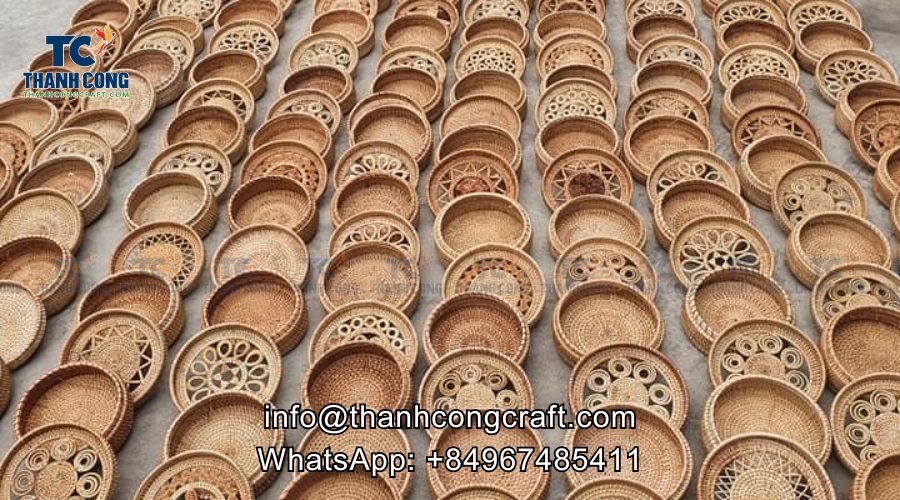
The average production timeline for 1,000 baskets typically ranges between four to eight weeks, depending on complexity, workforce, and seasonal conditions. Importers who expect completion in just two weeks usually end up disappointed.
The most realistic scenario is:
-
2 weeks for weaving with a large artisan team
-
1 week for drying and hardening
-
1 week for finishing and packaging
This adds up to four weeks minimum. However, small suppliers may need six to eight weeks. Smart importers always build in buffer time for shipping delays, customs clearance, and unexpected events such as weather disruptions.
Ultimately, production is not just about counting days—it’s about building trust and sustainable partnerships with suppliers. When both sides understand the process, orders are delivered on time, quality is maintained, and business relationships thrive.
Learn more about: Rattan Wall Decor Mistakes – Top 5 Styling Errors to Avoid
Reach out to us today to learn more about our products or to place a wholesale order. We look forward to connecting with you!
- Thanh Cong Handicraft Co., Ltd
- Email: [email protected]
- Tel/WhatsApp: +84967485411
Explore our Products Collection for more choices! Contact Us!


