

How mother of pearl inlay is made is not only a story about a craft—it is the narrative of a tradition that merges artistry, skill, and heritage into objects that outlast fleeting trends. This ancient technique, still practiced today, transforms discarded shells into shimmering patterns embedded into wood, resin, or metal. Artisans from regions with rich cultural legacies, including Vietnam, India, and parts of the Middle East, have perfected the method over centuries. The result is a product that radiates both visual beauty and cultural depth, elevating functional items into works of timeless luxury. In this article, you will discover each stage of the process, why the craft remains relevant in the modern world, and how companies like Thanh Cong Handicraft preserve this heritage for global markets.
Contents
1. The Origins and Cultural Significance of Mother of Pearl Inlay
Before understanding the technical process, it is important to appreciate the origins of mother of pearl inlay. Historically, artisans reserved the craft for royalty and the wealthy elite because sourcing materials was difficult and the skill required was high. Ancient Chinese furniture, Mughal decorative boxes, and Vietnamese lacquer panels all tell stories through intricate shell patterns, each shimmering under the light with an iridescent glow.
Today, although technology has introduced faster cutting methods, the essence of the work remains rooted in tradition. The appeal is not only visual but also emotional. Each pattern reflects cultural motifs—from lotus flowers symbolizing purity in Asia to geometric patterns found in Islamic art. This cross-cultural relevance has made mother of pearl inlay a universally admired form of decorative art.
Explore our post: Eco-Friendly Mother of Pearl Thermos vs Stainless Steel
2. Materials and Tools: The Foundation of the Craft
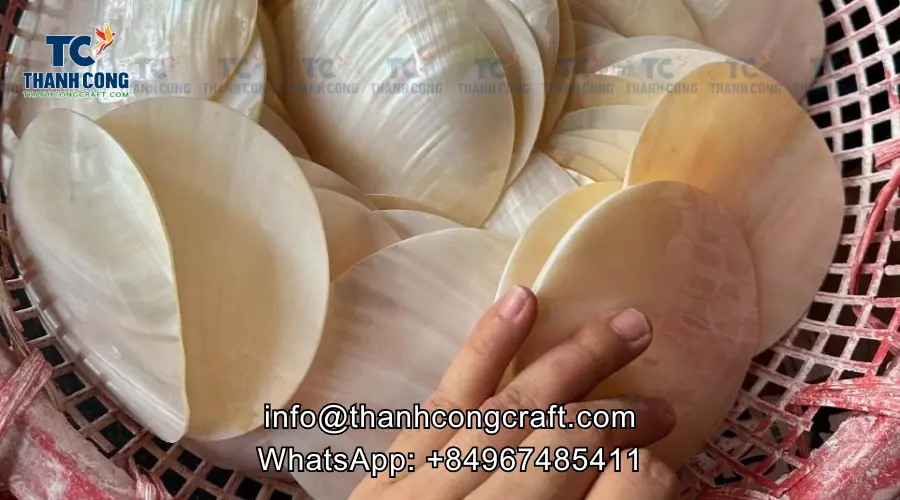
The process begins with selecting the right raw materials. Mother of pearl comes from the inner layer of mollusk shells, often sourced as a byproduct of the seafood industry. This sustainable approach means artisans are not harvesting shells solely for decorative purposes, reducing environmental impact while ensuring material authenticity.
The shells are sorted based on thickness, iridescence, and natural patterning. Only the most lustrous pieces are selected for fine inlay work. Artisans then prepare the base material—commonly hardwood like teak or rosewood—ensuring it is stable and smooth. The choice of wood affects not only durability but also how the final design interacts with light.
Specialized tools are required:
-
Fine saws for cutting shell pieces into delicate shapes.
-
Chisels for carving recesses in the base material.
-
Files and abrasives for smoothing both shell and wood surfaces.
Each tool has evolved to balance precision with efficiency, but the artisan’s hand remains the most critical element.
See our article on: Top 5 Stunning Luxury Mother of Pearl Serving Trays for Parties.

3. Step-by-Step Process: How Mother of Pearl Inlay Is Made
3.1 Designing the Pattern
The journey starts with a detailed design, often inspired by cultural motifs or bespoke client requests. The artist draws the pattern directly onto the wood or creates a stencil. The design stage is crucial—once the carving begins, adjustments become difficult. Many luxury clients request personalized motifs, making this step deeply collaborative.
3.2 Cutting the Shell Pieces
The selected mother of pearl is soaked to soften it slightly, making it less brittle. Using a fine jeweler’s saw, the artisan cuts the shell into shapes according to the pattern. This step requires immense patience; one slip can fracture the piece and waste hours of work.
3.3 Carving the Base Material
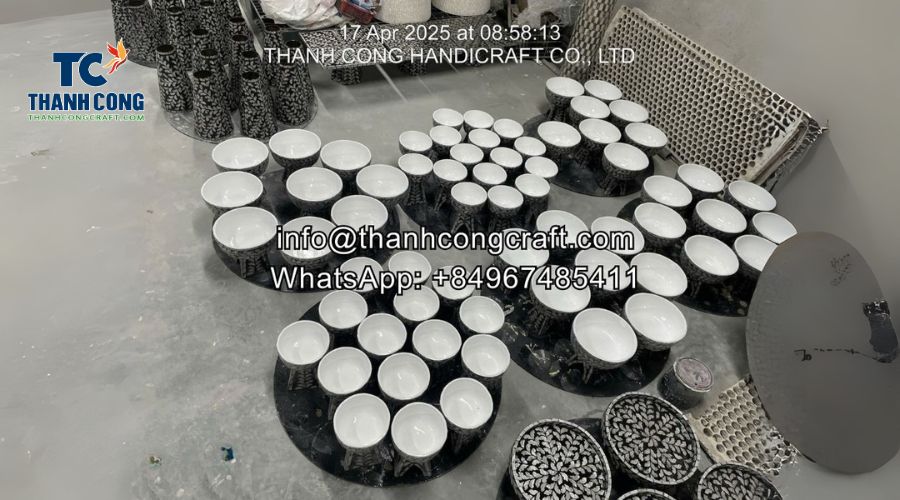
The wood or base surface is carved to match the exact thickness and shape of the shell pieces. This precision ensures the inlays sit flush with the surface, preventing future cracking or loosening.
3.4 Inserting and Securing the Inlay
Craftsmen carefully glue each shell piece into its recess. Traditionally, they used natural adhesives, but modern craftsmen may choose high-quality epoxy for greater durability, especially in export markets where climate variations can affect bonding
3.5 Sanding and Polishing
Once the adhesive sets, the surface is sanded so the inlay and surrounding material form a seamless plane. The final step is polishing—either with natural waxes or modern lacquers—to bring out the deep, shimmering luster of the shell.
Discover more about: Mother of Pearl Real or Fake: Top 5 Tips from Vietnam’s Craft Experts
4. Modern Adaptations and Sustainable Practices
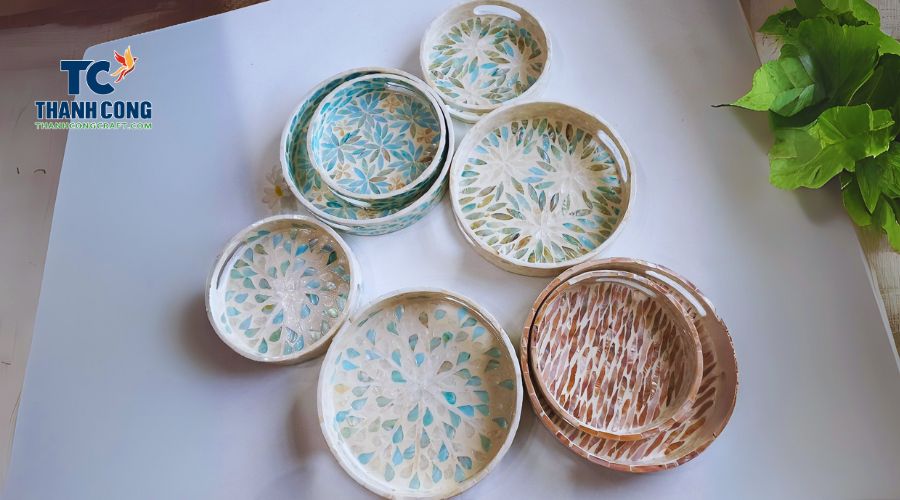
While the core process of how mother of pearl inlay is made remains consistent, modern demands have encouraged adaptation. Contemporary artisans experiment with combining shell inlay with resin, metal, or glass to create fresh looks that appeal to global consumers.
Sustainability plays a significant role. Many workshops now source shells exclusively from food industry waste, ensuring the craft supports a circular economy. Additionally, hardwood substitutes like engineered bamboo are being used in certain designs to reduce deforestation.
Thanh Cong Handicraft, for example, has invested in ethical sourcing programs and training initiatives that not only preserve traditional skills but also provide stable livelihoods for rural artisans. These commitments allow the art form to thrive in a competitive, eco-conscious market.
5. Why Mother of Pearl Inlay Remains Timeless Luxury
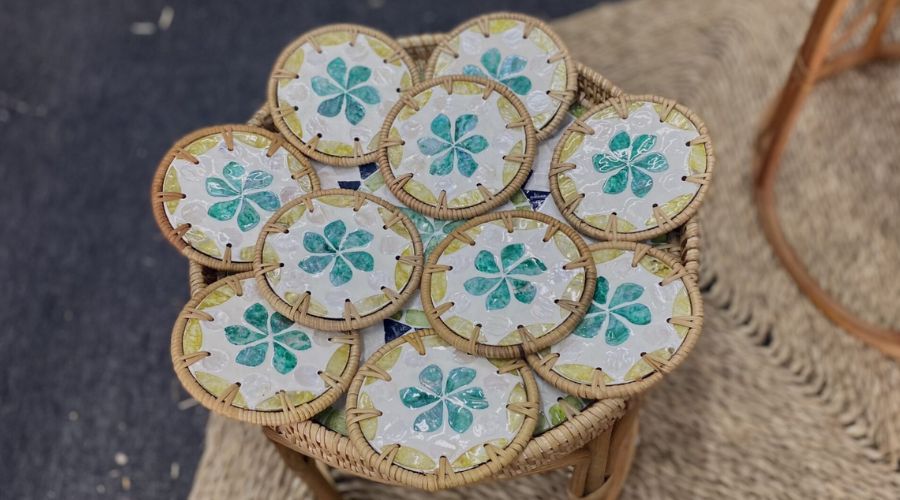
The timelessness of mother of pearl inlay comes from a rare combination of visual appeal, craftsmanship, and cultural resonance. In an era of mass production, a handcrafted inlay piece tells a story—it bears the marks of human effort and creative vision. Each shimmering tile captures light differently depending on the viewing angle, giving the object a dynamic quality that industrial finishes cannot replicate.
Luxury consumers increasingly value products that merge beauty with sustainability. Owning a mother of pearl inlay piece is not just about decoration; it’s about supporting heritage crafts and ethical production. This is why furniture, jewelry boxes, and decorative trays featuring this technique remain in demand among interior designers, collectors, and B2B buyers in the hospitality industry.
See our article on: How to Import Mother of Pearl into the EU with Legal Origin Proof.
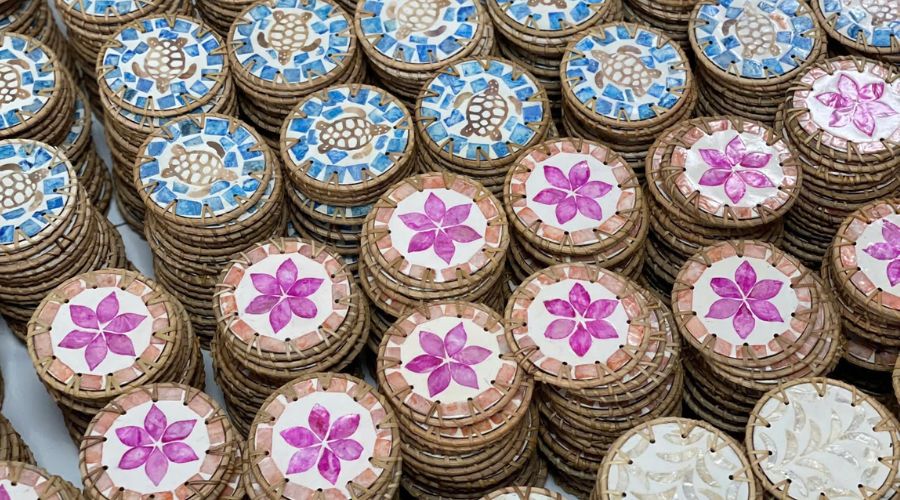
Reach out to us today to learn more about our products or to place a wholesale order. We look forward to connecting with you!
- Thanh Cong Handicraft Co., Ltd
- Email: [email protected]
- Tel/WhatsApp: +84967485411
Explore our Products Collection for more choices! Contact Us!


