

Seagrass helps coastal communities survive environmental changes and thrive economically in ways few people realize. These underwater plants not only capture carbon faster than rainforests but also stabilize coastlines, restore marine life, and support sustainable livelihoods for millions living along tropical shores — especially in countries like Vietnam, Indonesia, and the Philippines.
This article explores how seagrass ecosystems directly contribute to climate resilience, how they support eco-friendly industries such as handicraft exports, and why their preservation has become a global priority.
Contents
1. The Hidden Power of Seagrass Ecosystems
1.1 What Makes Seagrass Unique
Unlike seaweed, seagrass is a flowering plant that grows underwater in shallow coastal zones. Its complex root system stabilizes the seabed, while its long, ribbon-like leaves absorb carbon and provide food and shelter for marine species.
Globally, there are about 60 species of seagrass, covering over 300,000 square kilometers of the ocean floor. Although this represents only a fraction of the planet’s surface, their environmental value is enormous.

1.2 A Natural Carbon Sink
Seagrass meadows can capture carbon dioxide 35 times faster than tropical rainforests. Known as “blue carbon,” this stored CO₂ remains trapped in the sediments for centuries.
This means that protecting seagrass habitats has the same climate benefit as planting millions of trees — but with the added advantage of preserving marine biodiversity.
1.3 Protection Against Coastal Erosion
Coastal erosion threatens communities across Asia and Africa. The root systems of seagrass act as natural barriers, reducing wave impact and keeping shorelines stable.
For low-lying countries like Vietnam or Bangladesh, seagrass meadows are vital shields against storms and rising sea levels — nature’s own form of infrastructure that never stops working.
Explore more: How to Clean and Maintain Seagrass Furniture for Long Life
2. Economic Lifelines: How Seagrass Supports Coastal Communities
2.1 A Source of Sustainable Livelihoods
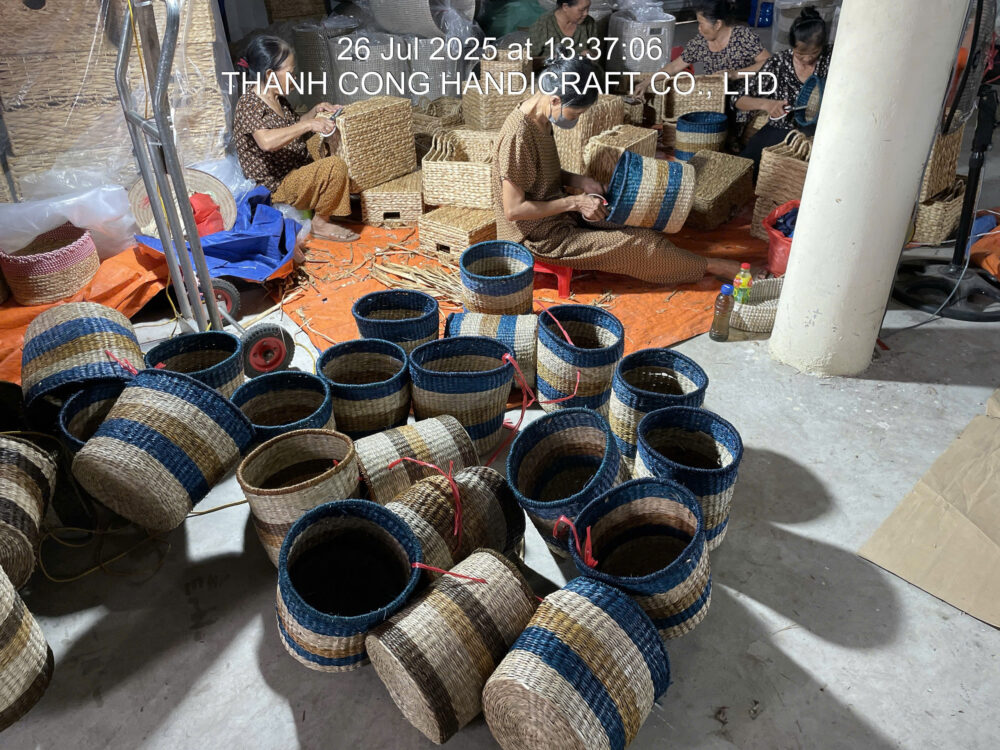
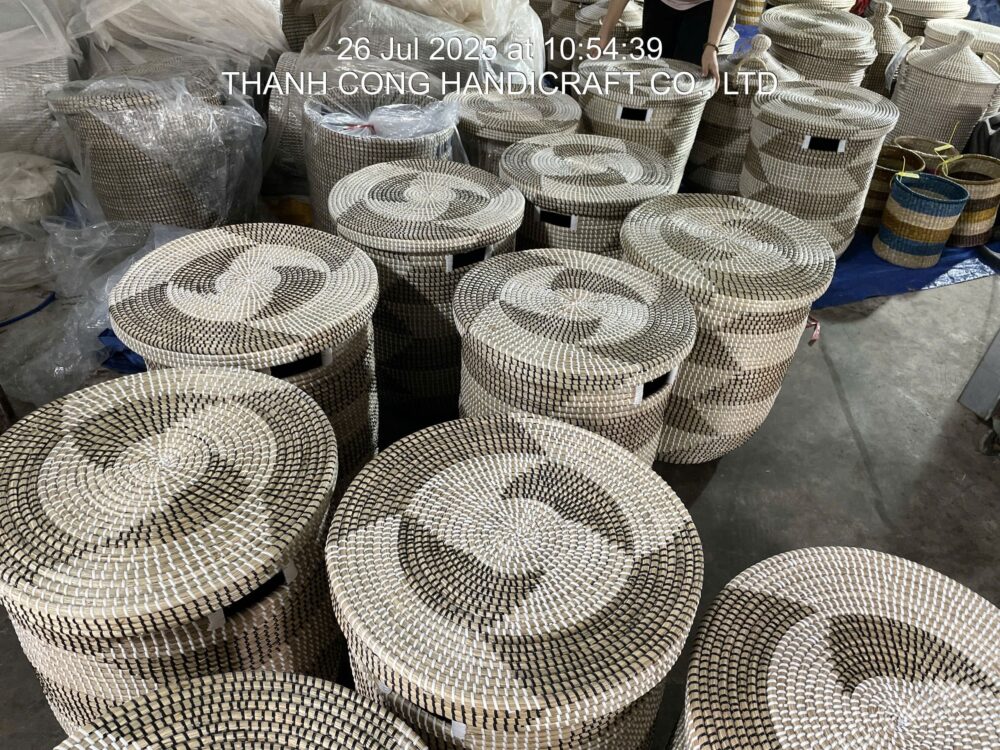
For many coastal families, seagrass represents opportunity. The leaves, once harvested and dried, are used to craft eco-friendly products such as baskets, mats, rugs, and storage boxes.
In Vietnam, hundreds of villages along the Mekong Delta and Central Coast rely on seagrass weaving as a supplementary income source. This not only empowers women artisans but also reduces dependence on fishing — a sector vulnerable to climate and market fluctuations.
2.2 Local Employment and Gender Empowerment
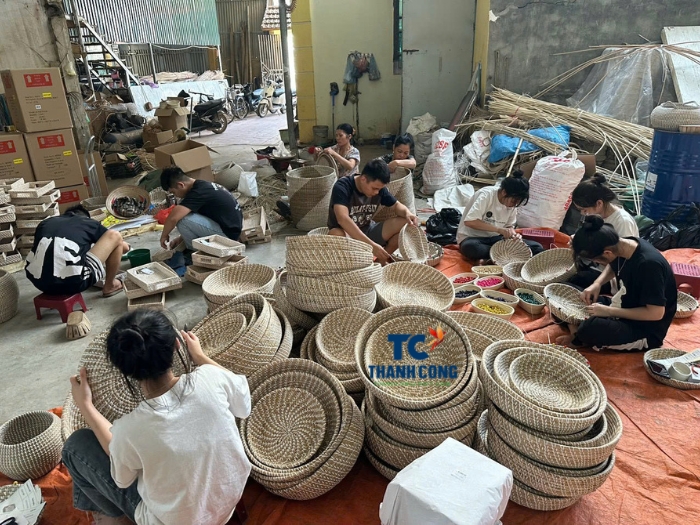
Seagrass weaving cooperatives often employ women who can work from home while caring for their families. This flexibility increases household income and keeps traditional skills alive.
Additionally, community-based seagrass restoration projects provide seasonal work — from planting to harvesting — creating a circular economy that sustains both people and nature.
2.3 Export and Global Market Demand
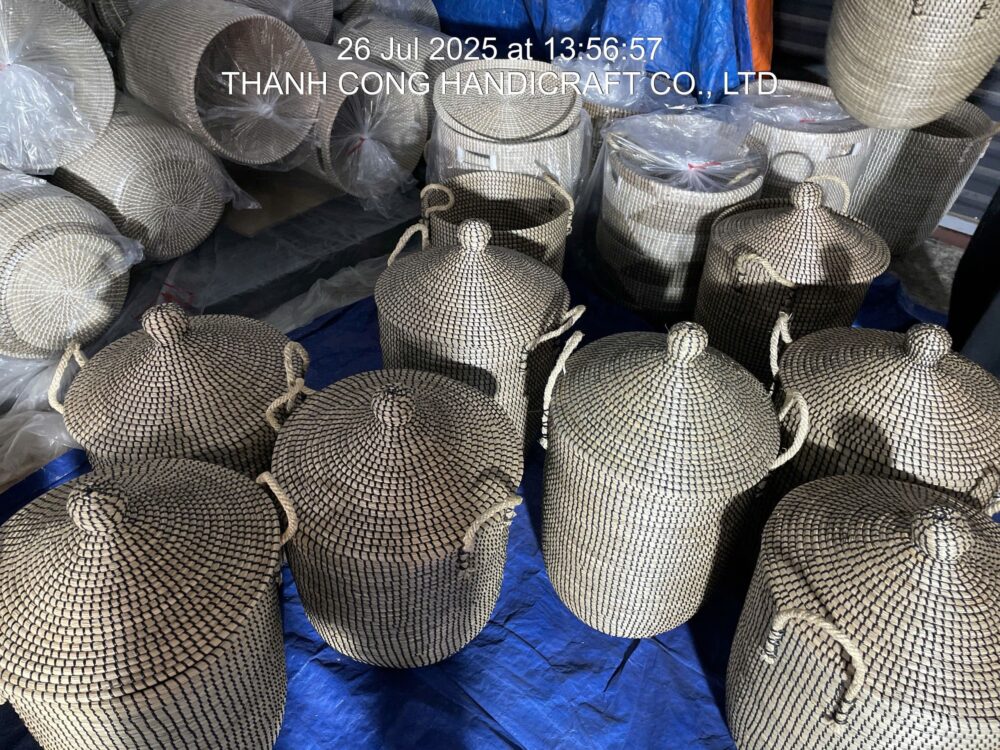
With rising awareness of sustainability, international demand for seagrass furniture and décor has grown steadily. Retailers in Europe, the U.S., and Japan prefer products made from renewable, biodegradable materials.
Vietnam alone exports thousands of tons of seagrass craft products annually, making it one of the top suppliers in the eco-handicraft industry.
Explore how: The Seagrass Lampshade Secret Hotels Don’t Want You to Discover
3. Environmental Benefits Beyond Carbon Capture
3.1 Biodiversity Protection
Seagrass meadows are home to over 20% of known marine species. They serve as nurseries for fish, crabs, and even endangered sea turtles. By restoring seagrass beds, coastal communities also restore food chains essential to local fisheries.
3.2 Water Filtration and Clarity
Seagrass filters sediments and pollutants from the water, improving clarity and oxygen levels. This process benefits nearby coral reefs, mangroves, and tourism-dependent industries.
For example, clear, seagrass-protected lagoons in Central Vietnam attract eco-tourists seeking kayaking or diving experiences, generating new income sources for villagers.
3.3 Natural Flood Control
During storms or typhoons, seagrass reduces wave energy and storm surge impact. Research from the University of Queensland shows that healthy seagrass meadows can reduce wave height by up to 20% before it reaches the shore. This ecosystem service saves coastal regions millions in potential infrastructure damage each year — a natural buffer that outperforms many artificial seawalls.
Read more: The Secret Behind Seagrass Lampshades?
4. The Role of Sustainable Harvesting and Handicraft Exports
4.1 Responsible Harvesting Practices
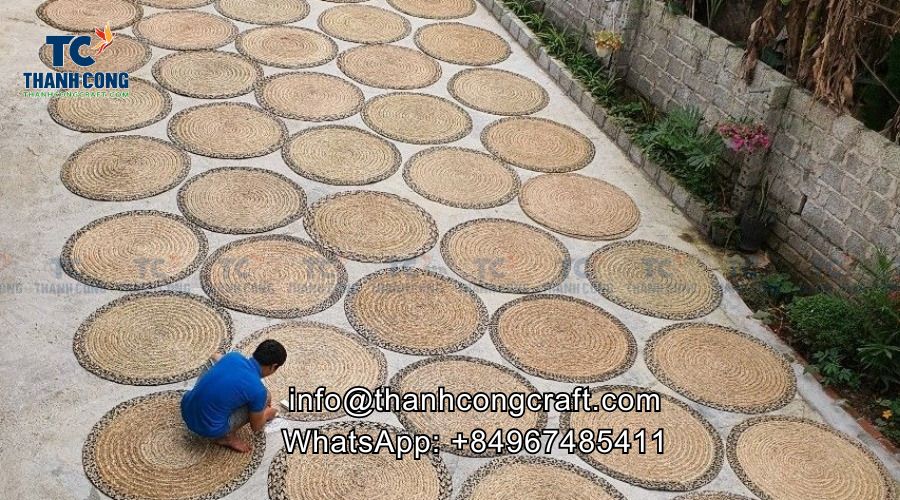
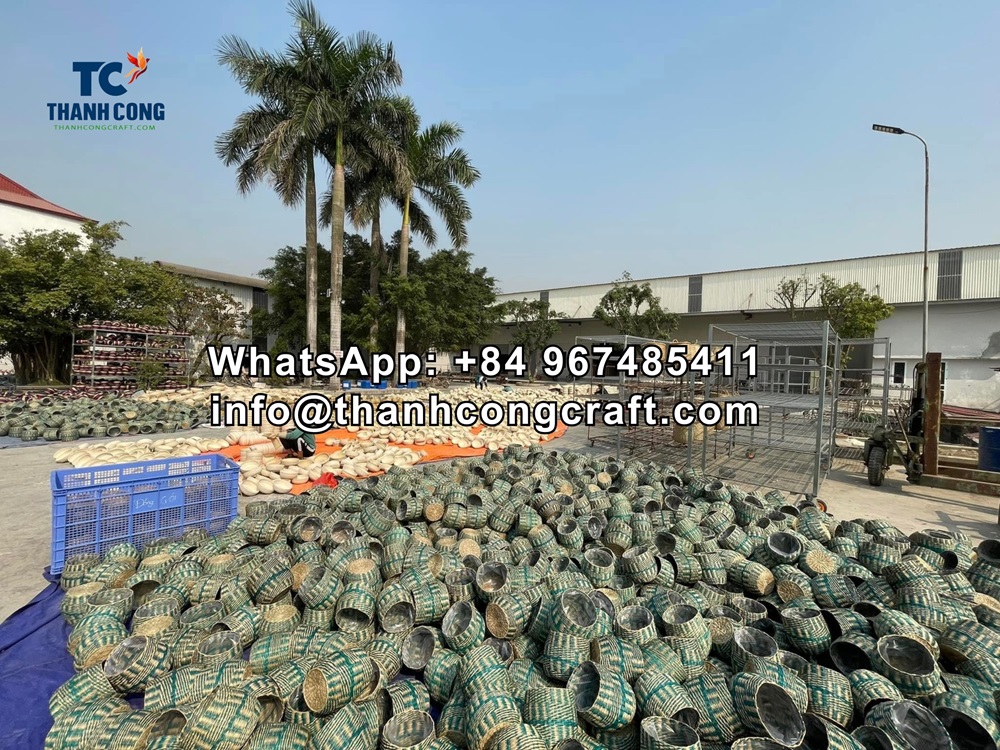
Sustainability begins with how seagrass is harvested. Ethical suppliers cut only mature leaves, leaving roots intact so the plant regrows naturally. The dried fibers are then sun-dried and handwoven into products without chemical treatment.
These practices maintain environmental balance while ensuring long-term resource availability.
4.2 From Raw Material to Eco Product
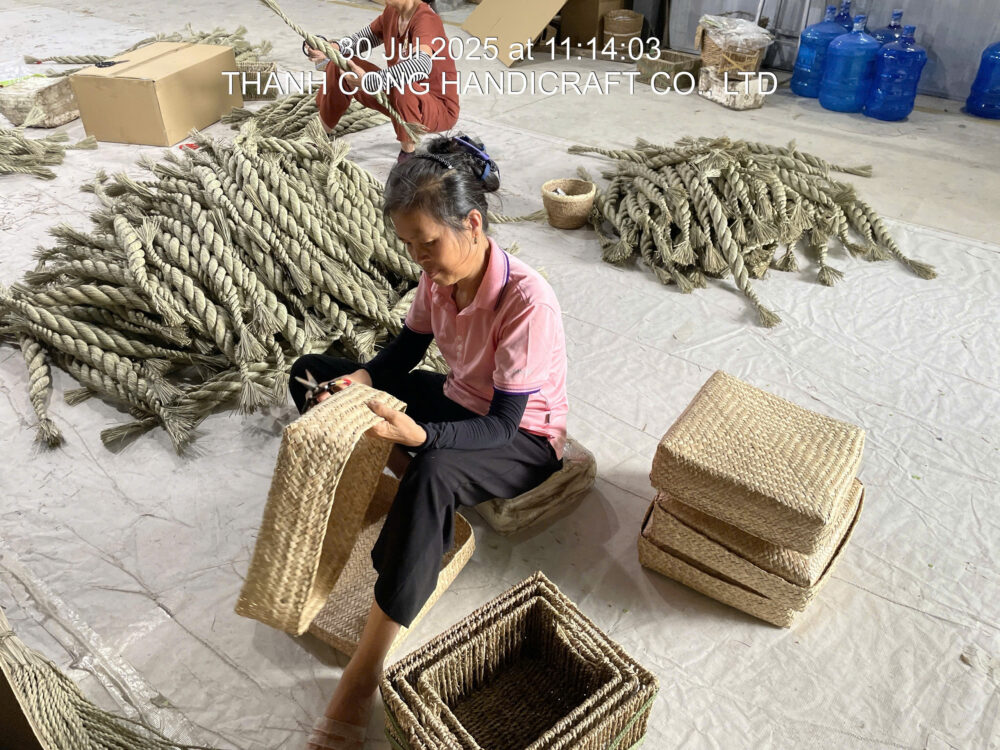
The transformation of seagrass into home décor or furniture involves careful craftsmanship. After drying, artisans twist the fibers into ropes or flat braids, which are then woven into baskets, placemats, or lampshades.
Each piece reflects not just artisan skill but also a story of sustainability — connecting rural craftsmanship to global eco-conscious consumers.
4.3 Reducing Plastic Dependence
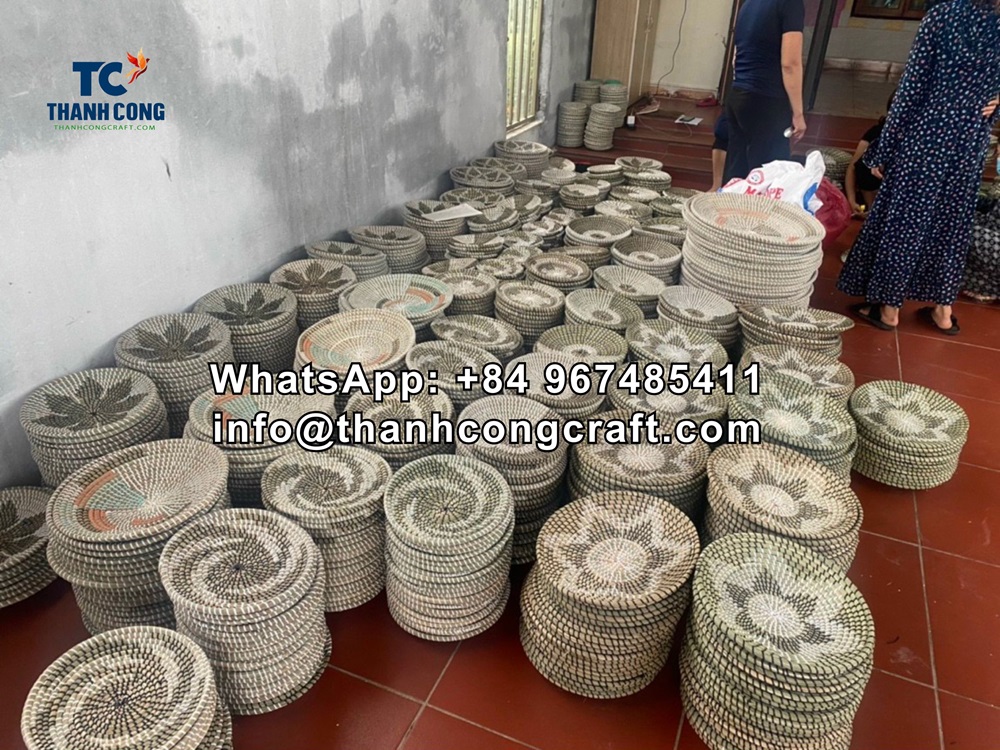
The popularity of seagrass products also drives down plastic consumption in interior design and packaging. Many retailers now use seagrass trays or storage boxes as eco alternatives to plastic bins, aligning with global sustainability goals.
4.4 Traceability and Fair Trade
Leading Vietnamese exporters are now adopting traceability systems that track raw materials from coastal farms to finished exports. Combined with Fair Trade certifications, these measures ensure fair wages and responsible sourcing — enhancing brand credibility in markets like Germany, Japan, and Australia.
Visit our post: Are Seagrass Coasters Waterproof? How to Maintain Them Properly
5. Climate Change Mitigation Through Seagrass Restoration
5.1 The Blue Carbon Revolution
Seagrass plays a vital role in the blue carbon movement, which recognizes marine plants as essential carbon sinks. Restoring even one hectare of seagrass meadow can absorb over 15 tons of CO₂ annually.
Several international NGOs are partnering with local cooperatives in Vietnam and Indonesia to replant degraded seagrass beds, providing both ecological and financial incentives for coastal communities.
5.2 Community-Led Restoration Projects
In Vietnam’s Quang Nam Province, artisan families participate in seagrass restoration programs supported by local exporters. After replanting, they receive guaranteed purchase agreements for future harvests, ensuring stable income and motivation to protect the ecosystem.
This model creates a self-sustaining cycle — restore, harvest, produce, and export — where both people and the planet benefit.
5.3 Education and Youth Engagement
Schools and local NGOs now teach young generations about seagrass ecology, turning environmental stewardship into a source of pride. Coastal children often help in planting activities, building awareness that conservation can coexist with commerce.
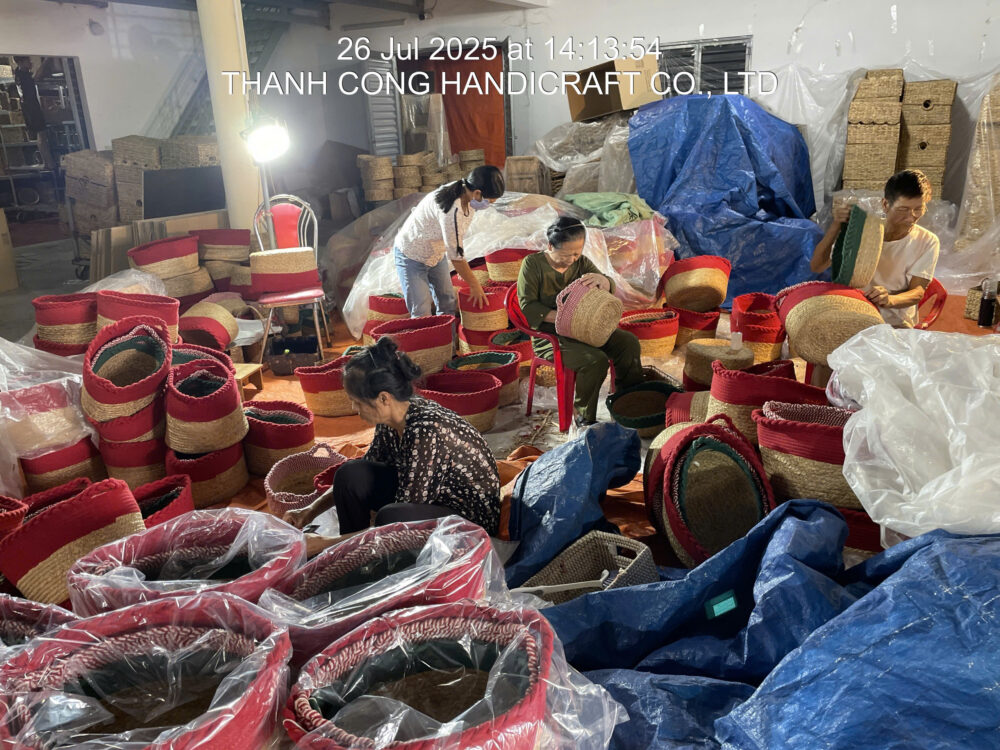
Reach out to us today to learn more about our products or to place a wholesale order. We look forward to connecting with you!
- Thanh Cong Handicraft Co., Ltd
- Email: [email protected]
- Tel/WhatsApp: +84967485411
Explore our Products Collection for more choices! Contact Us!


