

Vietnam handicraft sourcing has become a global trend for retailers, wholesalers, and interior designers seeking unique, eco-friendly, and affordable products. However, with rising demand comes the challenge of avoiding low-quality items that can damage brand reputation and customer trust. This article explores the essential steps for ensuring reliable sourcing from Vietnam, from understanding hidden quality issues to identifying trustworthy suppliers and building long-term partnerships.
Contents
1. Vietnam Handicraft Sourcing: Why Quality Matters
Vietnam handicraft sourcing offers enormous potential for international buyers, but poor quality can ruin the benefits. Handicrafts are often handmade, meaning quality depends heavily on the skill of artisans, the materials used, and the supplier’s production standards. Unlike machine-made items, even slight inconsistencies can impact durability, customer satisfaction, and resale value.
When sourcing from Vietnam, buyers must balance cost with quality. While cheap products may seem attractive, they often come with hidden issues such as weak joints, poor finishing, or untreated natural materials that degrade quickly. Therefore, rigorous quality checks are non-negotiable for businesses that want to maintain high standards.
Additionally, premium-quality handicrafts elevate a retailer’s brand. Consumers increasingly associate authentic Vietnamese handicrafts with cultural heritage and sustainability. High-quality items command higher profit margins, attract repeat customers, and enhance long-term brand loyalty.
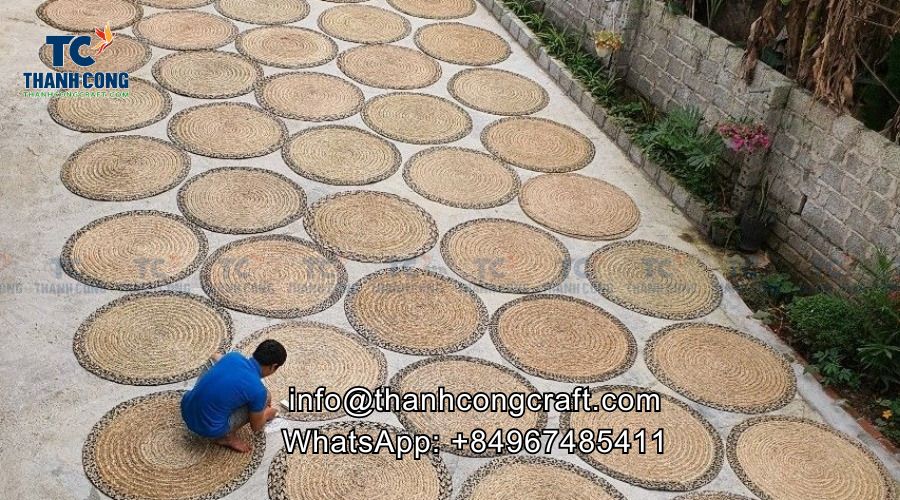
2. Common Hidden Quality Issues in Vietnam Handicraft Sourcing
Vietnam handicraft sourcing can sometimes present hidden risks that international buyers overlook. Identifying these issues early saves both money and reputation.
2.1 Material Substitutions
Some suppliers may replace natural materials with cheaper alternatives. For example, bamboo can be swapped with inferior reeds, or seagrass may be mixed with synthetic fibers. These substitutions lower durability and weaken product authenticity.
2.2 Inconsistent Craftsmanship
Since many products are handmade, inconsistencies in weaving, carving, or inlay work may occur. Small flaws are acceptable in artisanal goods, but major irregularities reduce market value.
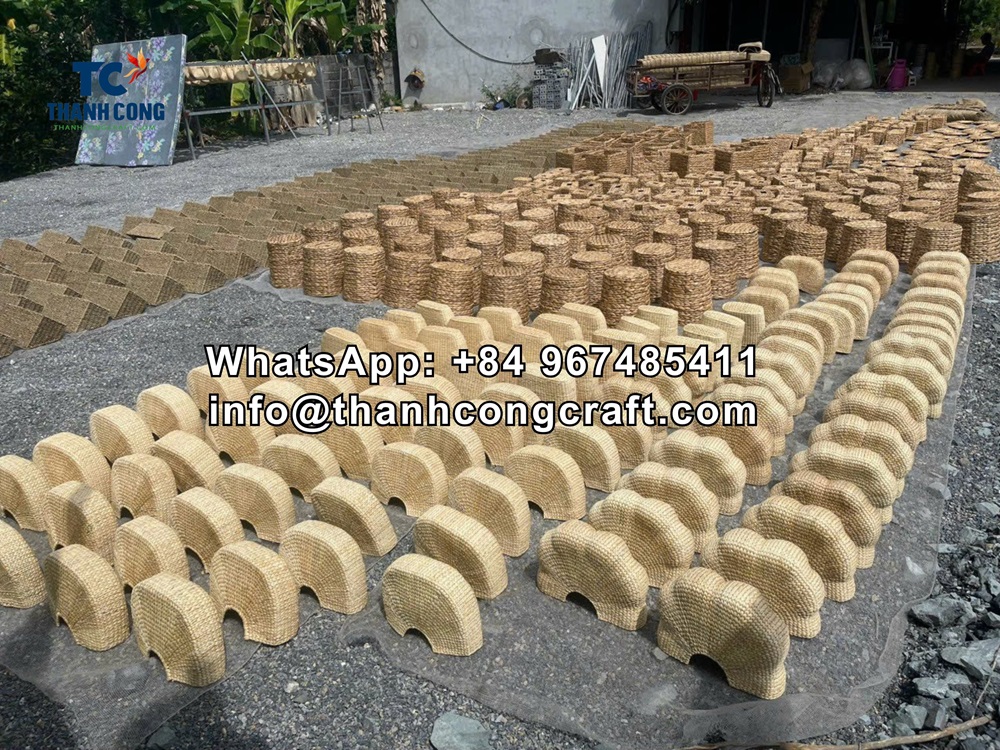
2.3 Weak Finishing and Coatings
Waterproofing, polishing, or painting shortcuts are common problems. Without proper finishing, products deteriorate quickly, especially in humid climates or export markets.
2.4 Packaging and Export Readiness
Even when products are well-made, poor packaging can lead to breakage during international shipping. Buyers should ensure suppliers follow export-standard packing methods.
2.5 Lack of Compliance with International Standards
Some handicrafts may not meet safety, ethical, or sustainability requirements. Certifications like FSC, Fair Trade, or ISO can reassure buyers of compliance.
Discover more about: Do You Really Need to Fly to Vietnam for Trusted Suppliers?

3. How to Identify Reliable Suppliers in Vietnam
Vietnam handicraft sourcing becomes much smoother when buyers partner with trustworthy suppliers. However, spotting reliable producers requires careful vetting.
3.1 Factory Visits and Audits
Whenever possible, visiting the supplier’s workshop or factory provides first-hand insight into operations, workforce conditions, and product quality. Buyers unable to travel can hire local third-party auditors.
3.2 Supplier Certifications
Reliable suppliers often hold certifications such as Fair Trade, BSCI, or ISO 9001. These documents indicate compliance with ethical and quality standards.
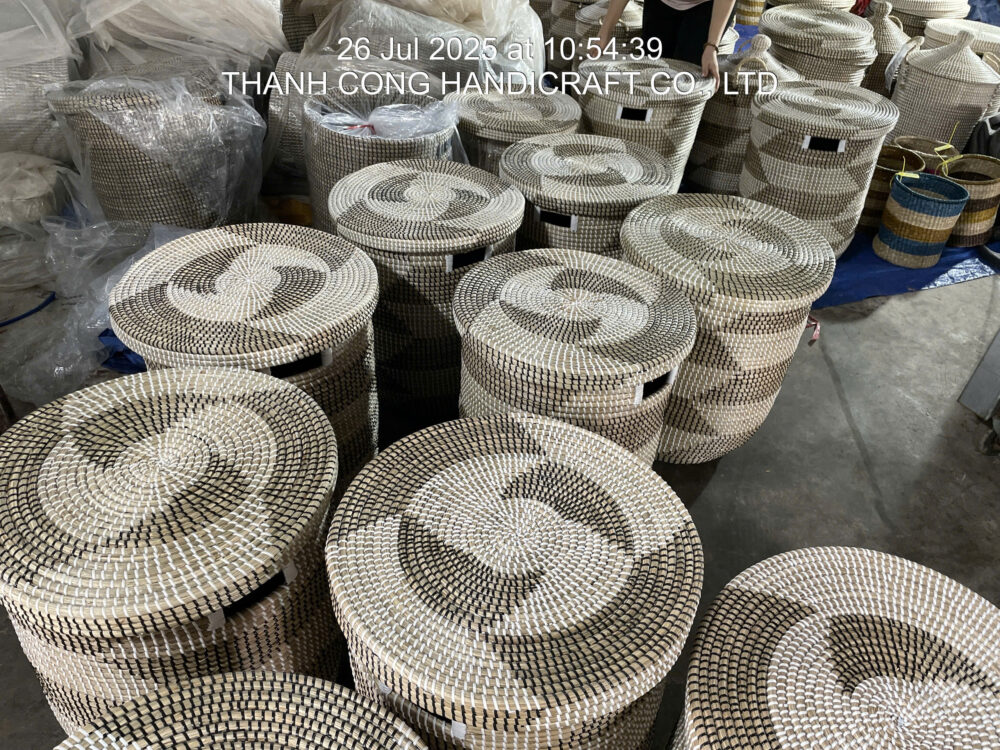
3.3 Proven Export Experience
Suppliers with international trade experience understand export regulations, shipping documentation, and packaging standards. Checking past clients and references can confirm credibility.
3.4 Transparent Communication
Clear, timely, and consistent communication indicates professionalism. Suppliers who are responsive and provide detailed answers are more likely to be dependable.
3.5 Sample Testing
Ordering samples is one of the best ways to test craftsmanship, material authenticity, and finishing before committing to bulk orders.
Read more about: Vietnamese Handicrafts Quality Test: Wholesalers Don’t Tell You
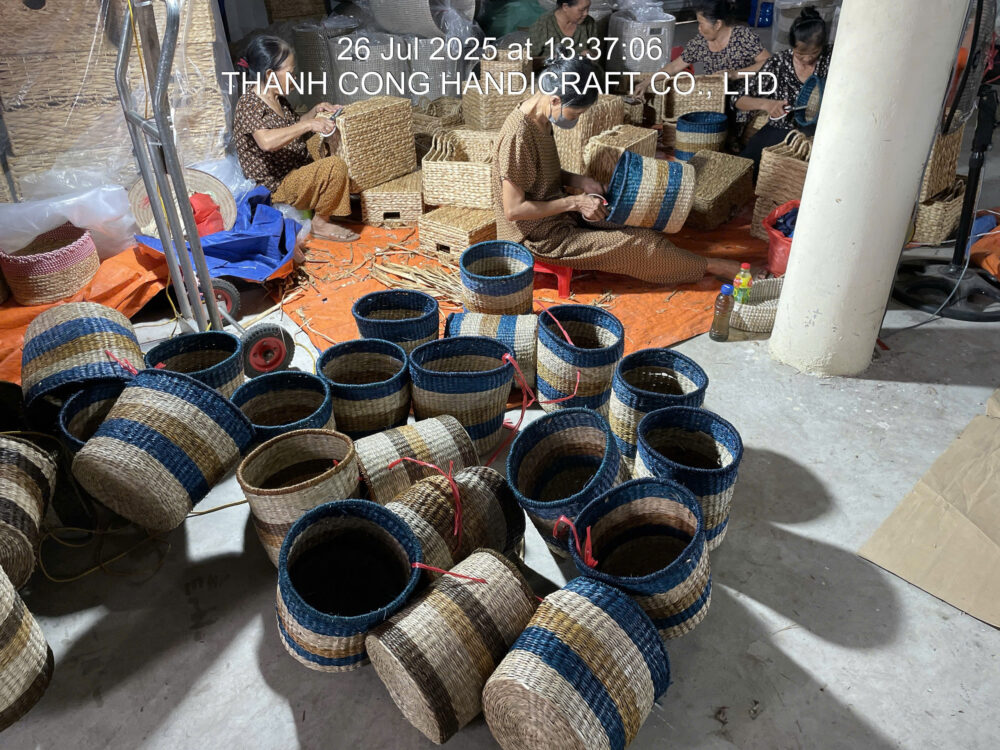
4. Ensuring Quality Control During the Sourcing Process
Vietnam handicraft sourcing requires systematic quality control to guarantee products meet international standards. Businesses should not rely solely on supplier assurances.
4.1 Establishing Strong Quality Foundations
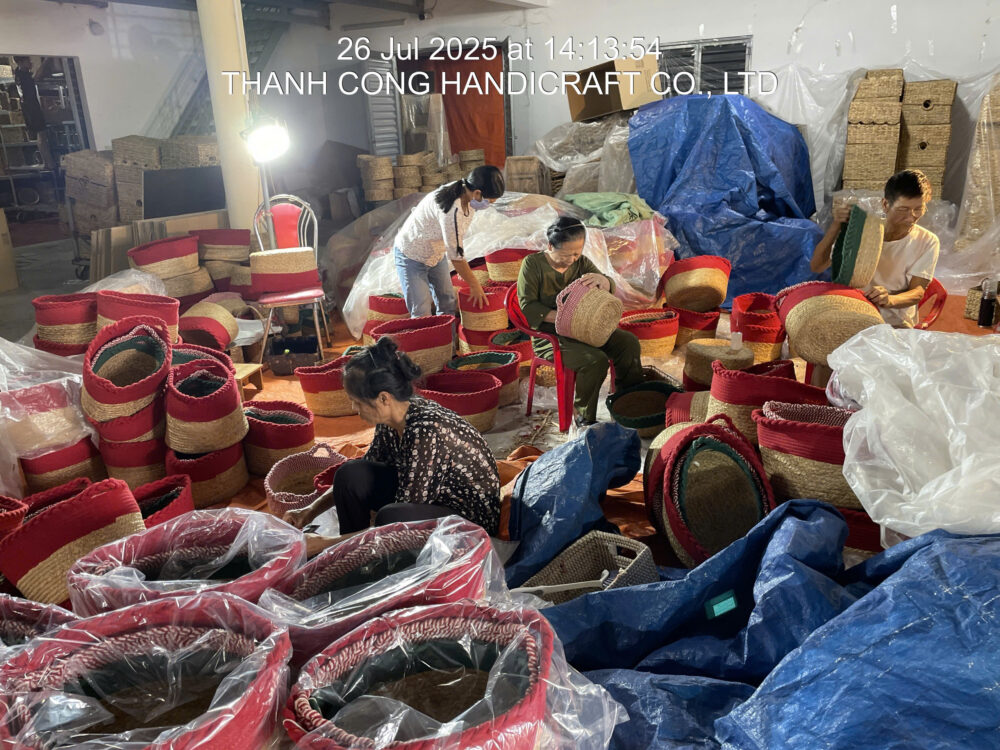
Vietnam handicraft sourcing requires systematic quality control to meet international standards, and the process begins with clear agreements. Buyers should draft detailed contracts that specify materials, dimensions, finishing details, and packaging standards to avoid misunderstandings. Additionally, hiring third-party inspectors to conduct on-site checks at various stages—before production, during manufacturing, and pre-shipment—helps ensure that items align with agreed specifications. These measures prevent costly mistakes and reinforce accountability across the production cycle.
4.2 Maintaining Consistency and Reliability
Quality assurance does not stop at inspections; it extends to consistency and long-term performance. Random batch testing verifies durability, finish quality, and compliance with order requirements, while secure packaging standards—such as double-boxing, bubble wrap, and humidity-resistant cartons—reduce transit risks. Equally important, establishing a feedback loop after each shipment builds trust and strengthens supplier relationships. Over time, these practices elevate product standards and create resilient, reliable sourcing partnerships.

5. Building Profitable and Sustainable Partnerships
Vietnam handicraft sourcing is most effective when buyers build long-term partnerships rather than seeking one-time deals. Reliable suppliers often prioritize consistent clients, offering better prices, flexible customization, and priority production schedules.
Developing sustainable partnerships also allows for co-creation of products. Retailers can collaborate with artisans on exclusive designs, giving them an edge in competitive markets. Additionally, partnerships support rural communities in Vietnam, sustaining livelihoods and preserving traditional craftsmanship.
For wholesalers and retailers, this approach leads to more than financial gain. It creates stronger supply chains, ethical sourcing credibility, and long-term growth. As global consumers demand authenticity and sustainability, businesses that align with these values enjoy lasting competitive advantages.
See our post: Price Negotiation Secrets With Vietnamese Wholesalers
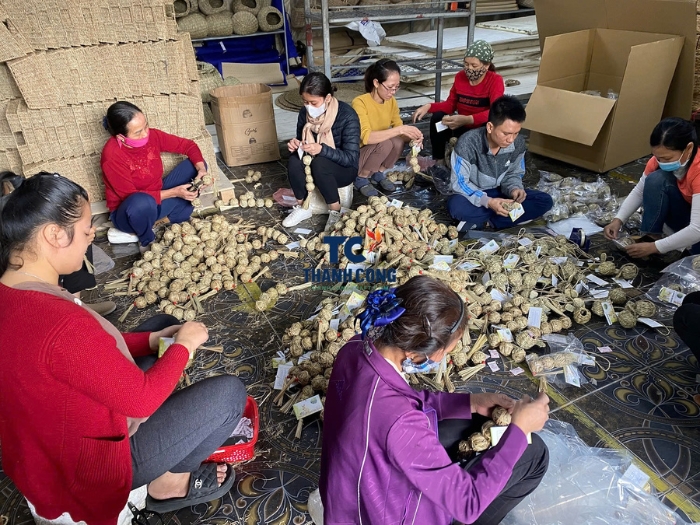
Reach out to us today to learn more about our products or to place a wholesale order. We look forward to connecting with you!
- Thanh Cong Handicraft Co., Ltd
- Email: [email protected]
- Tel/WhatsApp: +84967485411
Explore our Products Collection for more choices! Contact Us!


