

Total Landed Costs When Importing From Vietnam are more complex than they first appear. Many importers focus only on product pricing, overlooking logistics, customs duties, insurance, and hidden handling fees. The result is unexpected cost overruns that damage profit margins. This article provides a step-by-step guide to calculating landed costs accurately. By understanding each component, businesses can protect their bottom line and negotiate better deals with Vietnamese suppliers.
Contents
1. Why Total Landed Costs Matter in Vietnam Imports
Total Landed Costs When Importing From Vietnam form the foundation of every successful sourcing strategy. Focusing only on factory quotes is misleading because real profitability depends on the entire landed cost structure.
1.1 The True Measure of Profitability
Retailers and wholesalers in Europe and the U.S. often miscalculate profitability by excluding logistics, customs, and compliance expenses. A low product cost from Vietnam can quickly turn into a financial risk if landed costs are ignored.
1.2 The Vietnamese Sourcing Context
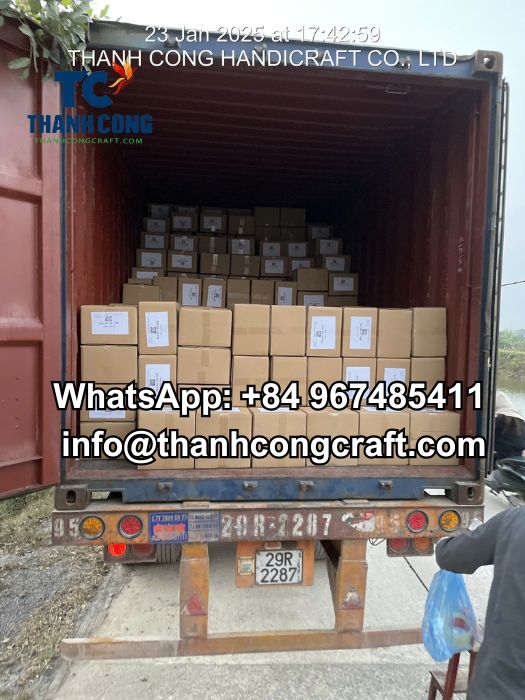
Vietnam has become a manufacturing hub for furniture, handicrafts, textiles, and electronics. Competitive labor costs and trade agreements make it attractive. However, fluctuating shipping rates, regulatory differences, and tariff changes can significantly affect final costs.
Read our post on: Which Vietnamese Handicrafts Sell Best in the U.S. and Europe?
2. Breaking Down the Components of Landed Costs
Total Landed Costs When Importing From Vietnam are composed of multiple layers beyond the ex-factory price. Importers must consider direct and indirect expenses.
2.1 Ex-Factory Price
This is the starting point: the cost charged by the Vietnamese supplier for manufacturing. While attractive, it represents only a fraction of the final landed cost.
2.2 Freight and Transportation
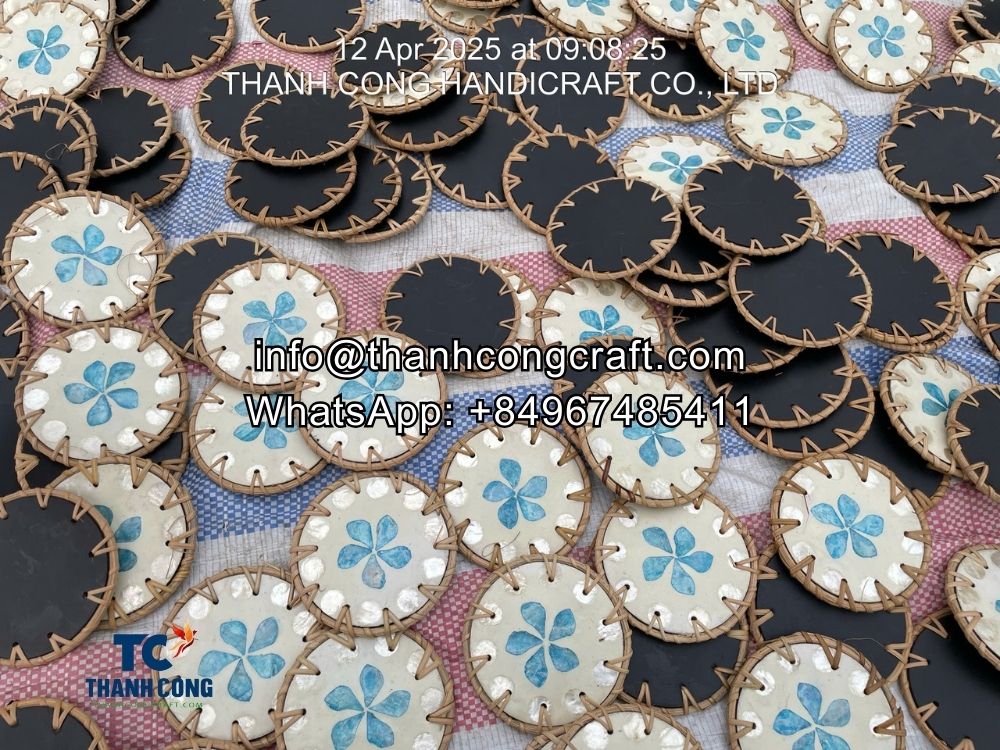
Shipping costs can vary dramatically depending on whether you choose sea freight, air freight, or express couriers. Factors such as fuel surcharges, container shortages, and peak season demand further impact expenses.
2.3 Customs Duties and Tariffs
Every importing country applies tariffs differently. For example, importing rattan baskets into the U.S. may incur different HS codes and duty rates compared to the EU.
2.4 Insurance and Risk Coverage
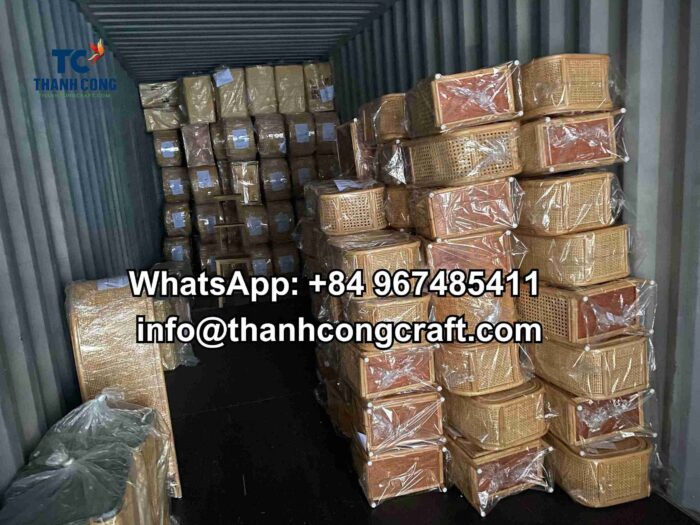
Many importers overlook cargo insurance, yet it is critical. Without coverage, damage or loss at sea can wipe out profit margins.
2.5 Port and Handling Fees
Local port charges, warehouse handling, and unloading costs at destination ports are often underestimated. These hidden fees can significantly inflate landed costs.
2.6 Compliance and Certification Expenses
Certain goods require compliance testing, labeling, or certification. Furniture and handicrafts imported into Europe must sometimes meet REACH or FSC requirements.
See our detailed guide on: How to Choose a Reliable Wholesaler in Vietnam Without Scams?
3. Calculating Total Landed Costs Step by Step
Total Landed Costs When Importing From Vietnam can be calculated by adding up all direct and indirect costs.
3.1 Basic Formula
Landed Cost = Ex-Factory Price + Freight + Duties + Insurance + Handling + Compliance Costs
3.2 Example: Importing Rattan Furniture to the U.S.
-
Ex-Factory Price: $50 per unit
-
Sea Freight (per unit): $10
-
Customs Duty: $5 (based on HS code 9403.60)
-
Insurance: $2
-
Port & Handling: $3
-
Compliance Testing: $5
Total Landed Cost per unit = $75
A product that initially looked like a $50 bargain is in fact a $75 landed cost item.
3.3 Impact of Volume and Incoterms
Using FOB (Free On Board) vs CIF (Cost, Insurance, and Freight) can drastically shift landed costs. Buyers must understand how Incoterms affect responsibility for freight and risk.
Learn more about: Which Handicraft Is the “Silent Goldmine” No One Talks About?
4. Total Landed Costs When Importing From Vietnam: Case Studies
4.1 Handicrafts and Home Décor
An importer buying seagrass lampshades at $4 per piece may end up paying $7.50 landed cost after freight, customs, and eco-labeling requirements. This example shows how overlooking additional costs reduces profit margins.
4.2 Textiles and Apparel
A Vietnamese textile supplier may quote $3 per shirt. After duties, logistics, and warehousing, the true landed cost is closer to $5. Importers who fail to calculate this risk mispricing their products in Europe and the US.
4.3 Furniture and Bulky Goods
Bulky items like rattan chairs or cabinets consume more container space, increasing shipping costs. Even if the factory price is competitive, oversized packaging inflates per-unit landed costs.
See our insights on: Wholesale Price vs Small Order: Truth Every Importer Must Know

5. Strategies to Reduce Landed Costs Without Compromising Quality
Total Landed Costs When Importing From Vietnam can be optimized with proactive strategies.
5.1 Smarter Freight and Supplier Partnerships
Total Landed Costs When Importing From Vietnam can be reduced through smart logistics and reliable partnerships. By consolidating shipments, working with experienced freight forwarders, or negotiating better Incoterms, importers minimize per-unit costs. Moreover, long-term supplier relationships often lead to flexible shipping arrangements and greater trust, which strengthen cost efficiency without sacrificing product quality.
5.2 Design Efficiency and Trade Benefits
Another way to cut landed costs is by rethinking product and packaging design. Flat-pack solutions and optimized packaging save container space and reduce freight charges. Additionally, importers in Europe can benefit from the EU–Vietnam Free Trade Agreement (EVFTA), which lowers or eliminates tariffs on many goods, making Vietnamese exports more competitive while supporting sustainable sourcing.
See more: What Extra Costs Come with Importing from Vietnam?

Reach out to us today to learn more about our products or to place a wholesale order. We look forward to connecting with you!
- Thanh Cong Handicraft Co., Ltd
- Email: [email protected]
- Tel/WhatsApp: +84967485411
Explore our Products Collection for more choices! Contact Us!


