

Vietnam wholesale suppliers are becoming a key gateway for global retailers seeking competitive prices and sustainable products. However, choosing the right partner without falling into scams requires careful research, negotiation, and long-term strategy. This article explores how wholesalers can navigate Vietnam’s booming supply chain while ensuring reliability and profitability.
Contents
- 1. Why Vietnam Wholesale Suppliers Attract Global Buyers
- 2. Common Scams to Avoid When Working With Vietnam Wholesale Suppliers
- 3. Verifying the Legitimacy of Vietnam Wholesale Suppliers
- 4. Negotiating Contracts and Payment Terms With Vietnam Wholesale Suppliers
- 5. Building Long-Term Partnerships With Vietnam Wholesale Suppliers
1. Why Vietnam Wholesale Suppliers Attract Global Buyers
Vietnam wholesale suppliers stand out in today’s competitive market because they combine affordability, craftsmanship, and flexibility. Unlike larger supply hubs such as China, Vietnam maintains a balance between competitive pricing and unique product offerings. Retailers are increasingly turning to Vietnam for handmade goods, eco-friendly crafts, and large-scale production options.
First, Vietnam’s cost advantage cannot be ignored. Labor costs are lower compared to many Asian manufacturing hubs, yet the quality remains competitive. Wholesalers can access products ranging from bamboo baskets and rattan furniture to lacquerware and textiles, all produced with meticulous craftsmanship. Transitioning from generic imports to Vietnam wholesale suppliers allows retailers to improve margins while offering customers something different.
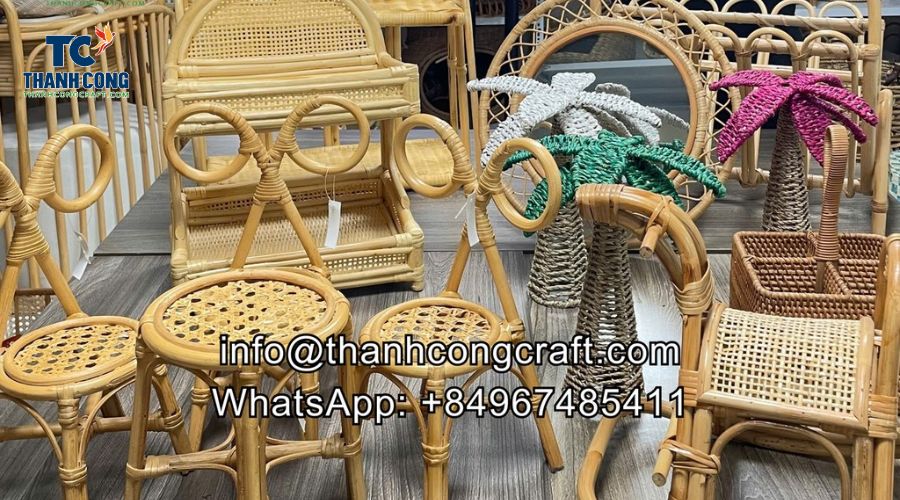
Second, cultural adaptability has helped Vietnamese suppliers adjust to diverse markets. For example, Middle Eastern buyers often seek decorative and functional handmade goods with traditional motifs, while European retailers prioritize eco-certified, sustainable options. Vietnamese artisans adapt their designs to meet both demands, giving wholesalers flexibility across markets. Additionally, bulk orders are easier to negotiate because suppliers often provide customizations without heavy minimum order requirements.
Finally, logistics infrastructure in Vietnam has dramatically improved. Major ports like Hai Phong and Ho Chi Minh City are now well-integrated with global shipping networks. This development reduces delays and supports wholesalers who need fast restocking cycles. In other words, Vietnam wholesale suppliers offer not just products but also logistical efficiency, which is crucial for retailers with demanding timelines.
2. Common Scams to Avoid When Working With Vietnam Wholesale Suppliers
Vietnam wholesale suppliers are generally reliable, but just like in any global sourcing hub, scams and low-quality deals do exist. Understanding common pitfalls helps wholesalers avoid losses and protect their reputation.
One of the most frequent issues is the bait-and-switch scam. A supplier may present high-quality product samples during initial negotiations but later deliver bulk shipments with inferior materials. For instance, a promised bamboo basket made from durable natural fibers could be replaced with cheaper blends, cutting costs at the wholesaler’s expense. To prevent this, always request production photos and arrange third-party quality checks before final payment.

Another red flag involves ghost suppliers and middlemen. Some individuals pose as manufacturers but are actually unverified agents charging inflated prices. They may disappear after receiving deposits, leaving buyers without recourse. To safeguard against this, wholesalers should verify the supplier’s physical address, request business licenses, and cross-check details using Vietnam’s official business registry.
Additionally, payment scams are common in cross-border trade. Fraudsters may insist on full upfront payment or push for unusual transfer channels. A reliable practice is to split payments: 30% upfront to start production, and 70% after inspection. Using escrow services or secure trade platforms further reduces risks. When working with new Vietnam wholesale suppliers, avoid rushing deals even if prices seem attractive. Scammers often exploit urgency by pressuring buyers to commit quickly.
Finally, intellectual property misuse is a subtle yet costly issue. Some unverified suppliers may reproduce a wholesaler’s designs and sell them to competitors. Wholesalers dealing with custom-made crafts or branded products must ensure contracts include intellectual property clauses. Protecting designs early ensures exclusivity and market competitiveness.
Discover our post: Wholesale Price vs Small Order: Truth Every Importer Must Know
3. Verifying the Legitimacy of Vietnam Wholesale Suppliers
Vietnam wholesale suppliers can be legitimate partners, but thorough verification is critical. Establishing credibility ensures wholesalers avoid risks while building a stable foundation for long-term cooperation.
The first verification step is on-site inspection. If possible, visit the supplier’s factory or workshop. Many reliable Vietnamese suppliers welcome visits as proof of transparency. This allows buyers to confirm production capacity, meet artisans, and review working conditions. For wholesalers unable to travel, hiring a local sourcing agency or third-party auditor ensures similar verification.
Another important approach involves document checks. Wholesalers should request company registration certificates, tax codes, and export licenses. Vietnam’s Ministry of Planning and Investment provides official records, making it possible to cross-check company authenticity. Legitimate suppliers willingly provide such documents without hesitation. Those who delay or refuse likely have credibility issues.
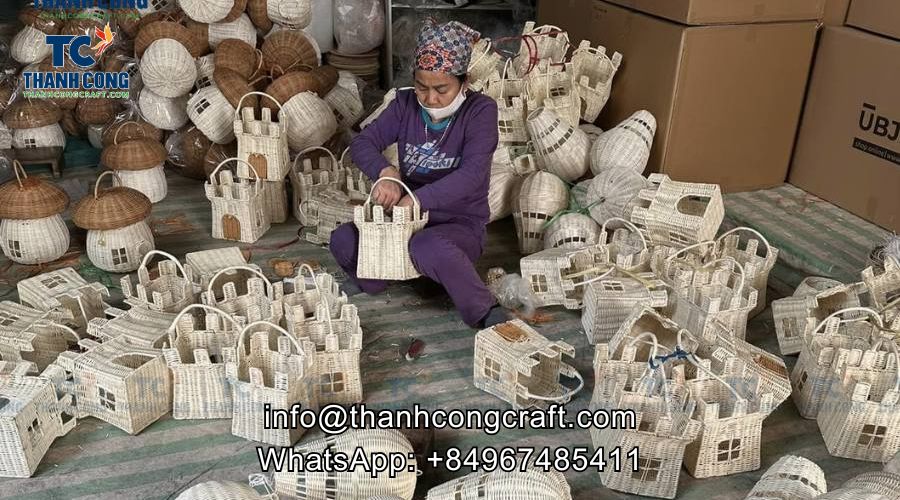
Communication also reveals much about reliability. Professional Vietnam wholesale suppliers respond quickly, provide detailed product specifications, and remain consistent in pricing discussions. Conversely, vague answers or frequent changes in contract terms signal caution. To test reliability, wholesalers can begin with smaller trial orders. Reliable partners consistently deliver on time and meet quality expectations, even with small quantities.
Third-party platforms also assist in verification. Websites like Alibaba, Global Sources, and Vietnam’s own B2B directories list verified exporters with feedback from previous buyers. Checking reviews and trade history prevents wholesalers from falling into untested partnerships. Additionally, sourcing events and international trade fairs in Hanoi and Ho Chi Minh City offer direct access to reputable suppliers. Meeting them face-to-face strengthens trust and ensures long-term cooperation.
4. Negotiating Contracts and Payment Terms With Vietnam Wholesale Suppliers
Vietnam wholesale suppliers expect clear negotiations, and successful wholesalers know that contracts and payment terms must balance trust and security. Without structured agreements, misunderstandings can disrupt supply chains and profits.
When drafting contracts, clarity is essential. Terms should define product specifications, delivery timelines, quality standards, and penalties for late or defective shipments. Including international commercial terms (Incoterms) ensures both parties understand responsibility for shipping, customs, and insurance. A detailed contract protects wholesalers while signaling professionalism to suppliers.
Payment structures require careful planning. The most common approach involves 30/70 split payments, where wholesalers deposit 30% upfront and pay 70% after inspection or before shipping. This method gives suppliers working capital while safeguarding buyers from full upfront risks. For high-value orders, using letters of credit offers additional protection. Reliable Vietnam wholesale suppliers are accustomed to such practices and respect structured payment systems.
Cultural awareness also plays a role in negotiations. Vietnamese suppliers value long-term relationships and respect consistent communication. Building rapport through regular updates, transparency about market demands, and flexible negotiations fosters trust. For example, wholesalers who share sales data may receive better prices or priority in production scheduling. This cooperative approach benefits both sides.
Finally, wholesalers should consider currency fluctuations when structuring payments. Most suppliers prefer USD, but exchange rate shifts can affect profitability. Including currency adjustment clauses in contracts ensures stability for both parties. A well-negotiated agreement not only protects profits but also builds confidence, encouraging suppliers to prioritize wholesalers in peak demand seasons.
Learn more about: How Many Units Should You Import on Your First Order?
5. Building Long-Term Partnerships With Vietnam Wholesale Suppliers
Vietnam wholesale suppliers provide long-term value when wholesalers invest in relationships beyond transactions. Trust, consistency, and mutual growth turn suppliers into strategic partners rather than temporary vendors.
To build enduring partnerships, wholesalers should maintain transparent communication, honor commitments, and reward reliability with repeat orders. Suppliers who feel valued often offer priority access to new designs, flexible pricing, and faster production cycles. Additionally, engaging in joint product development ensures exclusivity in crowded markets, giving wholesalers a competitive edge.
Another key element is embracing sustainability. Many Vietnamese artisans now focus on eco-friendly crafts such as bamboo products, recycled textiles, and water hyacinth baskets. Wholesalers who support these efforts align with global consumer trends while strengthening trust with forward-thinking suppliers. In this way, building sustainable partnerships guarantees profitability and resilience for years to come.
Reach out to us today to learn more about our products or to place a wholesale order. We look forward to connecting with you!
- Thanh Cong Handicraft Co., Ltd
- Email: [email protected]
- Tel/WhatsApp: +84967485411
Explore our Products Collection for more choices! Contact Us!


