

Water Hyacinth Baskets are beloved for their natural beauty, durability, and eco-friendly origin. However, even the most timeless pieces sometimes need a fresh update to match changing trends or personal style. This guide will walk you through everything you need to know about coloring your baskets — from understanding the material to picking the perfect hues and applying the right techniques. You’ll also discover creative uses for your refreshed baskets, as well as tips on keeping the finish looking great for years. Whether you want a subtle wash or a bold transformation, this tutorial will give you the confidence to refresh your baskets in a way that’s both stylish and safe.
Contents
1. Understanding the Material Before Adding Color
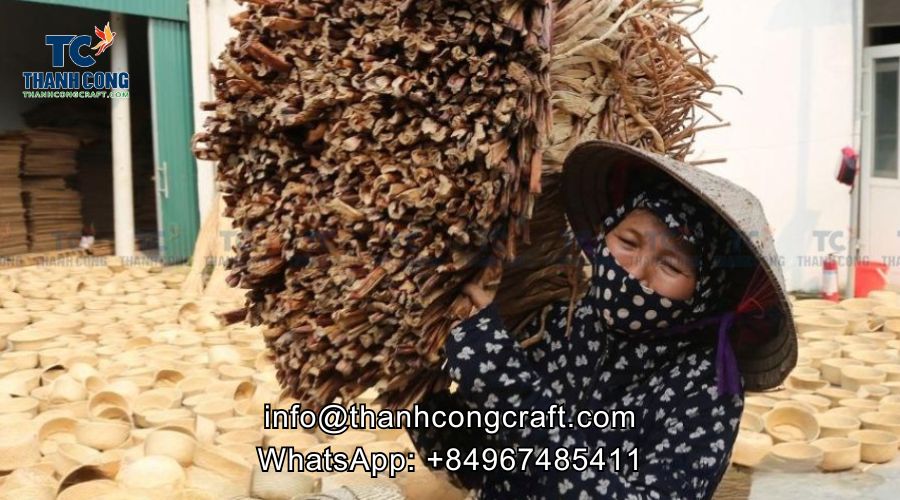
Water Hyacinth Baskets are made from the dried stalks of the water hyacinth plant, an aquatic species that grows rapidly and abundantly in many tropical and subtropical regions. The plant’s long, flexible fibers are harvested, dried, and woven into baskets, mats, and other household items. Their natural honey-brown color and textured weave make them a warm, inviting addition to any home.
Before adding color, it’s important to understand the behavior of this material. Water hyacinth fibers are naturally porous, which means they absorb paints and dyes deeply. This property makes them excellent candidates for color application, but it also means you need to control moisture levels to prevent structural damage. Too much water-based paint can soften the fibers, causing the weave to lose shape.
The first step is thorough cleaning. Use a vacuum with a soft brush attachment to remove dust, or gently brush the basket with a clean, dry paintbrush. For stains, use a slightly damp cloth and mild soap, but allow the basket to dry completely in a shaded, well-ventilated area before painting. Never leave it under direct sunlight while wet — the rapid drying can cause fibers to crack.
If your basket has a glossy finish or protective oil layer, light sanding with fine-grit sandpaper helps create a surface that paint can grip. Avoid heavy sanding, as it can damage the fibers and alter the basket’s structure. For baskets that will hold food, toys, or linens, opt for non-toxic, food-safe paints or natural dyes.
Lastly, think about placement after coloring. If you choose vibrant tones, keep your basket out of direct sunlight to prevent fading. For a rustic or vintage patina, allow some sun exposure over time for natural weathering.
Learn more: 5 Popular Water Hyacinth Weaving Styles
2. Choosing the Right Colors for Your Basket Makeover
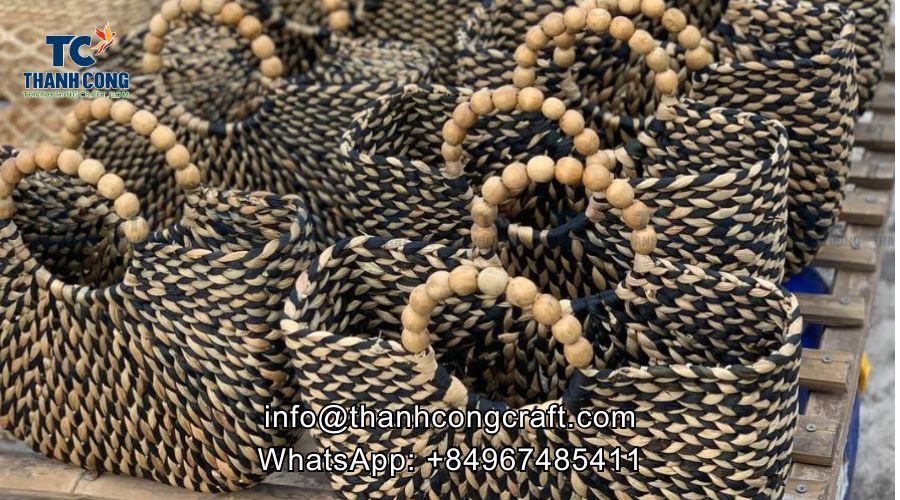
When selecting a color palette for water hyacinth baskets, consider the mood and function of the space. Soft neutrals like beige, taupe, or dusty white blend effortlessly with Scandinavian and minimalist interiors. These colors enhance the natural weave without overpowering it. Conversely, bold hues like teal, mustard yellow, or deep emerald make a striking focal point in eclectic or bohemian rooms.
For a coastal vibe, think blues, seafoam greens, and sandy whites. For a modern farmhouse look, earthy reds, muted greens, and creamy whites work beautifully. You can also experiment with ombre effects, blending two or more shades to create a gradient. This technique works especially well for tall baskets, drawing the eye upward.
Seasonal colors are another creative option. A soft pastel basket might be perfect for spring, while deep burgundy or forest green can add warmth during winter. If you like to change colors frequently, consider chalk paint — it adheres well to porous surfaces and can be easily sanded off for a new look.
Explore more: Tips For Effective Water Hyacinth Treatment For Mold
Also, don’t overlook the power of metallic accents. A touch of gold or copper dry-brushed over a painted surface can add sophistication without overpowering the basket’s texture. Similarly, whitewashing — where you dilute paint with water — allows the natural fiber color to show through for a softer, more rustic look.
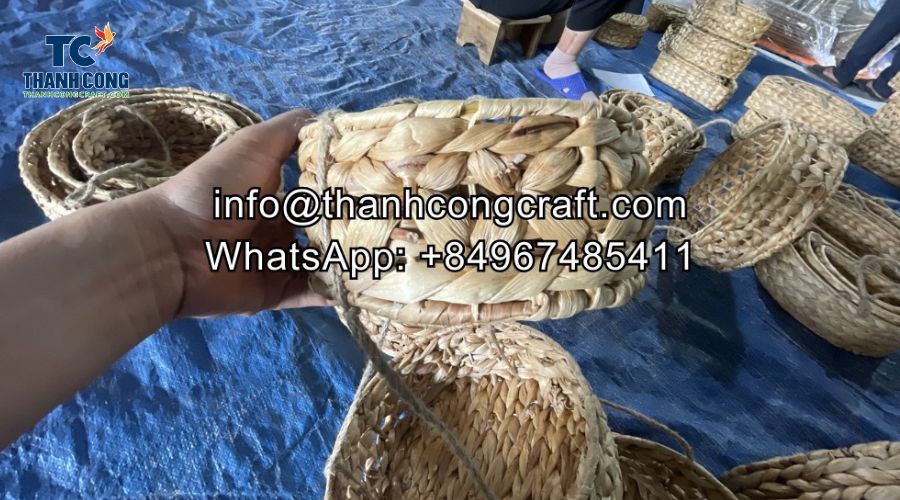
3. Step-by-Step Techniques for Coloring Water Hyacinth Baskets
The method you choose depends on the desired finish. Here are three popular approaches:
3.1. Using Acrylic Paint
Acrylic paint is durable, vibrant, and water-resistant once sealed. To apply:
-
Protect your workspace with drop cloths.
-
Use a soft-bristle brush for even coverage.
-
Apply thin coats, allowing each to dry before adding the next.
-
Seal with a water-based varnish for longevity.
3.2. Natural Dyes for an Eco-Friendly Approach
Boiling natural ingredients such as turmeric, tea, or beetroot creates earthy tones. Submerge the basket briefly for light coloring, or longer for deeper saturation. This method is safe and non-toxic.
3.3. Spray Painting for Quick Results
Spray paint offers even coverage and is ideal for achieving a smooth finish without brush marks. Use light, controlled passes to avoid oversaturation. Always remember to wear gloves and work in a well-ventilated space. Allow at least 24 hours of drying time before using your newly colored basket.
See our post: What Is The Common Water Hyacinth Plant?
4. Creative Uses for Your Freshly Colored Baskets
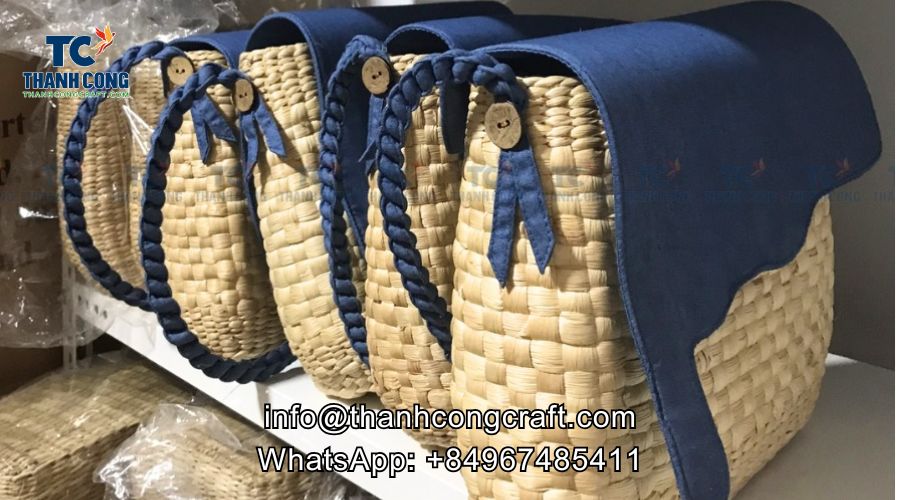
Once you’ve colored your water hyacinth baskets, they can become eye-catching décor elements. In the living room, use them to store blankets while adding a pop of color. In the bathroom, a pastel-toned basket can hold towels and toiletries, brightening up the space. For a kids’ room, bright and playful colors make organization fun and engaging. You can even use smaller baskets as planter covers for indoor plants, pairing natural greenery with your chosen color scheme.
Mix and match baskets of different sizes and shapes for a layered, textured effect. Group them in corners, under benches, or on shelves for maximum visual impact.
5. Maintaining the Color and Finish Over Time
Proper care ensures your newly styled basket stays fresh. Keep them away from prolonged moisture exposure, which can weaken fibers and dull the color. For cleaning, dust regularly with a soft cloth or vacuum brush attachment. If a spill occurs, blot immediately — rubbing can push liquid deeper into the fibers.
Reapply a protective sealant every 6–12 months if you’ve used paint. For naturally dyed baskets, occasional re-dyeing might be needed to restore vibrancy. Store unused baskets in a cool, dry place away from direct sunlight.
Learn more about: How To Clean Water Hyacinth Baskets?
Reach out to us today to learn more about our products or to place a wholesale order. We look forward to connecting with you!
- Thanh Cong Handicraft Co., Ltd
- Email: [email protected]
- Tel/WhatsApp: +84967485411
Explore our Products Collection for more choices! Contact Us!


