

Warning Signs of an Unreliable Vietnamese Supplier are often subtle, but ignoring them can cost importers huge losses in time, money, and reputation. Many businesses entering the Vietnamese market are drawn by competitive pricing and strong craftsmanship, yet not every supplier meets international standards. In this article, we explore how importers can identify early red flags before signing contracts, ensuring safer partnerships, smoother logistics, and more consistent product quality.
Contents
1. Understanding the Growing Appeal of Vietnamese Suppliers
Vietnam has rapidly become a sourcing hub for buyers worldwide. With competitive labor costs, skilled craftsmanship, and access to natural materials, it offers unique opportunities, particularly in sectors such as furniture, textiles, and handicrafts. However, this very appeal attracts both reliable manufacturers and opportunistic traders.
For B2B buyers, it is crucial to distinguish between established suppliers with proven compliance and those who cut corners. This section outlines the structural context of Vietnam’s supplier ecosystem and why warning signs may appear hidden.
1.1 Vietnam’s Position in Global Sourcing
Vietnam has emerged as one of the top alternatives to China, offering both cost savings and trade advantages. Many U.S. and European buyers prefer Vietnam because of trade agreements, reduced tariffs, and diversified supply chains.
Yet, rapid growth in demand has also resulted in an influx of inexperienced suppliers. These newcomers may lack the systems to deliver large-scale, consistent orders. That is where early detection of unreliable practices becomes essential.
1.2 The Attraction of Handicraft and Furniture Sectors
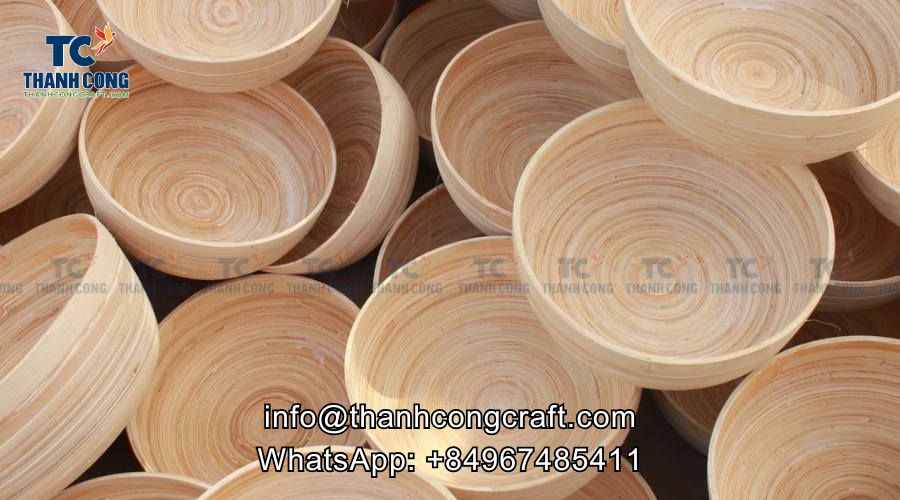
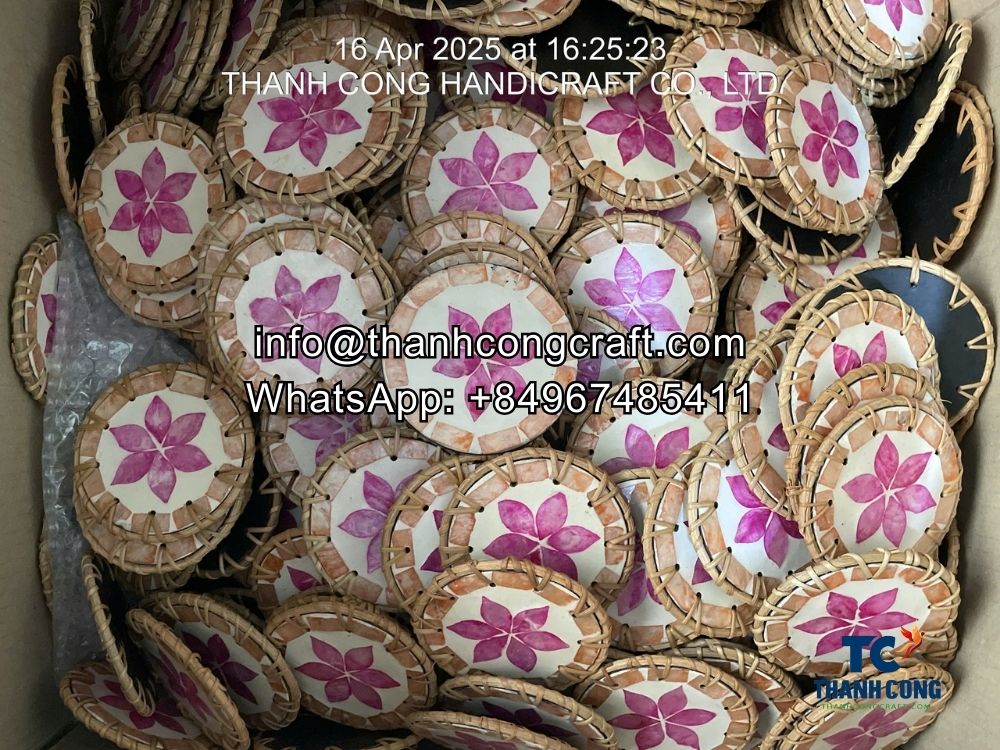
Vietnamese handicrafts and furniture are particularly attractive due to sustainable sourcing and handmade techniques. Buyers in Europe and the U.S. often look for eco-friendly products such as rattan furniture, bamboo baskets, or mother-of-pearl inlay décor.
However, not every supplier adheres to sustainable or ethical standards. Without proper verification, businesses risk associating their brand with greenwashing, poor quality, or delayed deliveries.
Explore our guide on: Top-Selling Vietnamese Handicrafts – Retailers Can’t Keep in Stock
2. Key Warning Signs of an Unreliable Vietnamese Supplier
Warning Signs of an Unreliable Vietnamese Supplier should not be underestimated. Detecting them early prevents bigger risks later.
2.1 Inconsistent Communication
One of the earliest red flags is inconsistent or vague communication. Reliable suppliers respond promptly, provide clear answers, and demonstrate transparency. In contrast, unreliable suppliers may delay responses, avoid details, or make excuses.
Long silence during the negotiation stage often indicates trouble later in the order fulfillment process.
2.2 Overpromising on Capabilities
Another common warning sign is unrealistic claims. A supplier who promises any product in any quantity without evidence of prior production experience is likely overpromising.
Ask for factory visit photos, certifications, or references. If they cannot provide proof, this signals unreliability.
2.3 Poor Documentation and Lack of Certifications
Reliable Vietnamese suppliers usually have clear documentation, including export licenses, ISO certifications, or sustainability labels. If documentation appears incomplete or inconsistent, this is a red flag.
Learn more about: Hidden Signs Your Vietnamese Supplier Can’t Handle Big Orders
2.4 Quality Samples That Do Not Match Mass Production
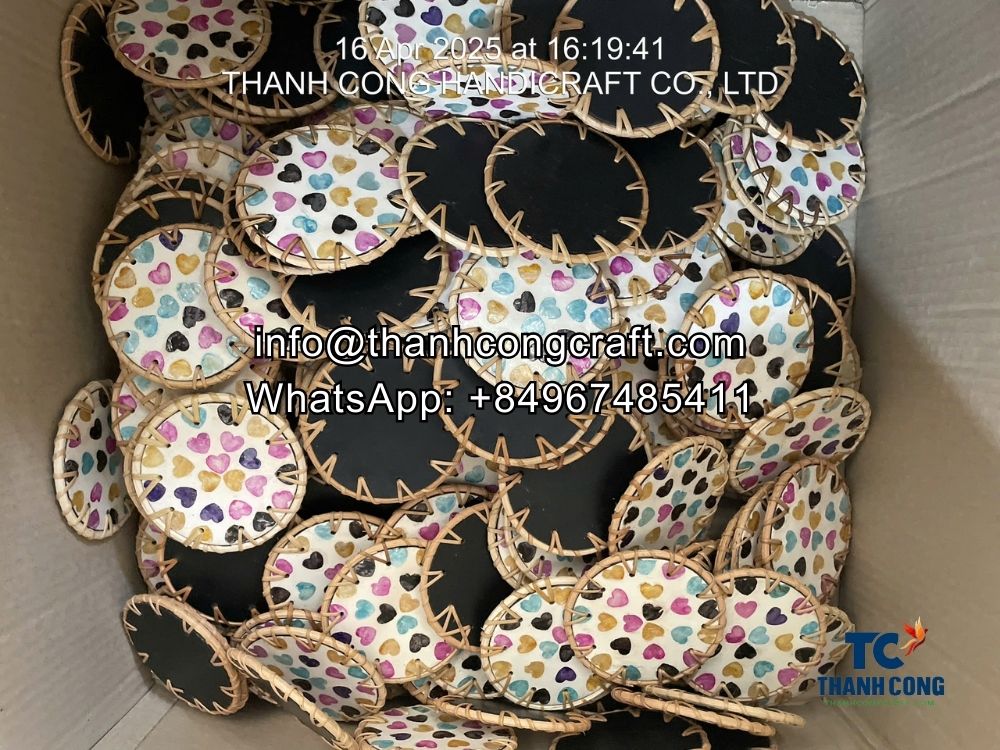
One of the most dangerous issues importers face is when samples look perfect, but bulk shipments arrive in poor quality. This often indicates subcontracting or lack of quality control.
Conduct pre-shipment inspections and compare bulk production with the original sample before making final payments.
2.5 Avoiding Factory Visits
Trustworthy suppliers usually welcome buyers to visit their facilities. If a supplier constantly avoids or delays factory visits, it is a sign they may not be the actual manufacturer.
2.6 Unusual Payment Terms
Warning signs also appear in payment structures. Reliable Vietnamese suppliers generally follow standard terms: 30% deposit, 70% before shipment. If a supplier pushes for full advance payment, or only accepts unusual channels, you should proceed with caution.

3. The Hidden Risks of Ignoring Warning Signs
Warning Signs of an Unreliable Vietnamese Supplier become dangerous when importers overlook them. Risks include financial loss, delayed shipments, damaged reputation, and even legal disputes.
3.1 Financial Loss and Refund Challenges
Payments made to unreliable suppliers are often unrecoverable. Many importers report that once they send funds, communication stops. In some cases, products are delivered late or not at all.
3.2 Damaged Brand Reputation
Selling poor-quality goods to customers in Europe or the U.S. can permanently damage brand trust. Retailers and wholesalers risk losing long-term clients due to inconsistent supply.
3.3 Logistics and Compliance Problems
Unreliable suppliers may fail to meet packaging, labeling, or safety regulations. Non-compliance can lead to products being seized at customs, creating massive costs.
Check our detailed post on: Vietnamese Handicrafts Quality Test: Wholesalers Don’t Tell You

4. How to Vet Vietnamese Suppliers Effectively
Warning Signs of an Unreliable Vietnamese Supplier can be mitigated through structured vetting strategies. Importers should use a step-by-step process to evaluate partners before committing.
4.1 Conduct Thorough Background Checks
Request company registration documents, tax codes, and business licenses. Use third-party verification agencies to confirm legitimacy.
4.2 Request Factory Audits and Third-Party Inspections
Independent audits are the most effective way to verify production capacity. Auditors can check labor practices, production lines, and compliance with environmental standards.
4.3 Compare Multiple Suppliers
Do not rely on a single supplier. Comparing quotations and responses across three to five vendors will quickly reveal who is reliable and who is not.
4.4 Use Escrow or Secure Payment Methods
When dealing with new suppliers, consider escrow services or letters of credit. These mechanisms reduce financial risk.
4.5 Build Gradual Trust Through Smaller Orders
Instead of immediately placing a large order, test reliability with smaller shipments. Suppliers who consistently deliver quality products on time are more likely to be long-term partners.
See our guide on: Do You Really Need Big Capital to Start Reselling Handicrafts?
5. Building Long-Term Reliable Partnerships
Warning Signs of an Unreliable Vietnamese Supplier are not just about avoiding risks—they also help identify trustworthy partners worth long-term investment.
5.1 Benefits of Strong Supplier Relationships
Long-term partnerships reduce negotiation friction, ensure stable pricing, and improve product innovation. Many Vietnamese manufacturers are open to co-developing new designs, particularly in handicrafts and furniture.
5.2 Supporting Suppliers for Mutual Growth
Reliable partnerships are built on trust and shared growth. Importers who support training, certification, and technology upgrades in their suppliers often benefit from exclusive deals and priority production slots.

Reach out to us today to learn more about our products or to place a wholesale order. We look forward to connecting with you!
- Thanh Cong Handicraft Co., Ltd
- Email: [email protected]
- Tel/WhatsApp: +84967485411
Explore our Products Collection for more choices! Contact Us!


