

Reliable Seagrass Suppliers are the backbone of Vietnam’s eco-handicraft export industry, connecting local artisans with wholesalers in Europe, the US, and the Middle East. Yet, not all suppliers deliver consistent quality or ethical standards. This article reveals how to identify trusted partners, verify authenticity, and build strong, long-term relationships in the seagrass wholesale market.
Contents
1. Reliable Seagrass Suppliers and Vietnam’s Growing Export Industry
Reliable seagrass suppliers represent the core of Vietnam’s handmade export economy. Seagrass—harvested from coastal areas—is one of the most sustainable natural fibers available today. It is widely used for baskets, storage boxes, placemats, and furniture.
Over the past decade, Vietnam’s seagrass industry has expanded to meet international demand for eco-friendly materials. Global buyers value Vietnamese craftsmanship because it combines natural beauty with sustainable production methods.
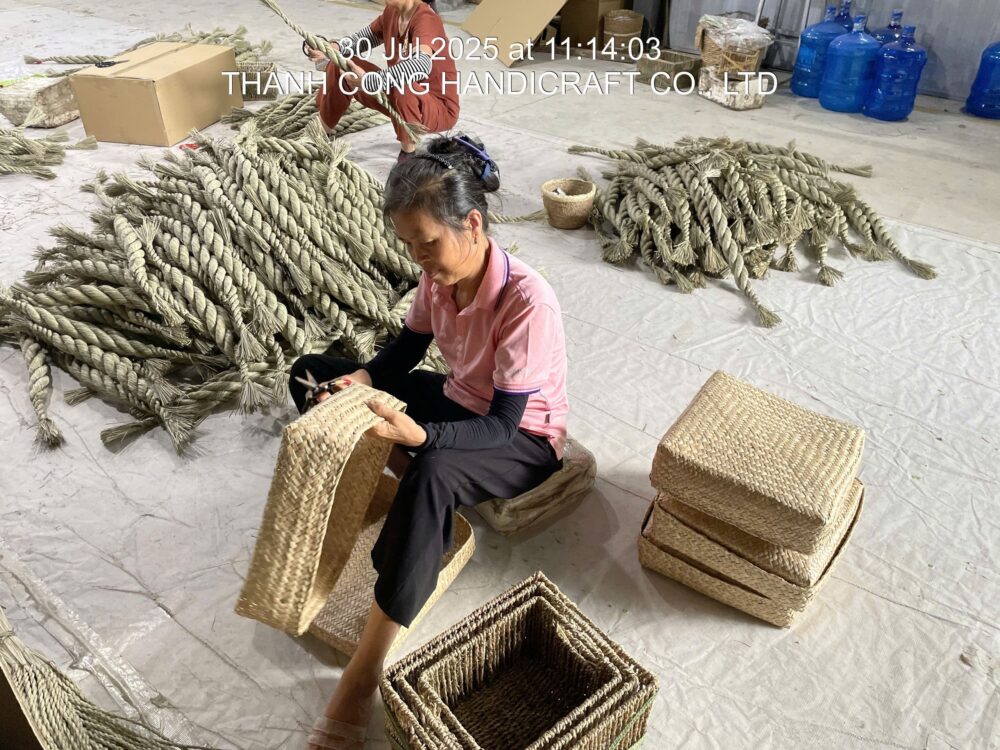
To remain competitive, reliable suppliers ensure their seagrass is ethically harvested, carefully dried, and woven to international quality standards. Unlike local-grade items, export-ready products must pass moisture, mold, and color stability tests before shipping.
Learn how: How to Avoid Low-Quality Handicrafts When Sourcing in Vietnam
2. Key Qualities of Reliable Seagrass Suppliers
Not all suppliers are equal. Understanding what makes a partner trustworthy can save importers time, money, and reputation.
2.1 Transparent Sourcing and Fair Trade
Reliable suppliers always disclose where and how their seagrass is collected. They often collaborate with local cooperatives that follow fair trade practices. Transparency builds confidence and ensures materials meet environmental regulations required by importers in the EU or the US.
2.2 Consistent Product Quality and Finishing
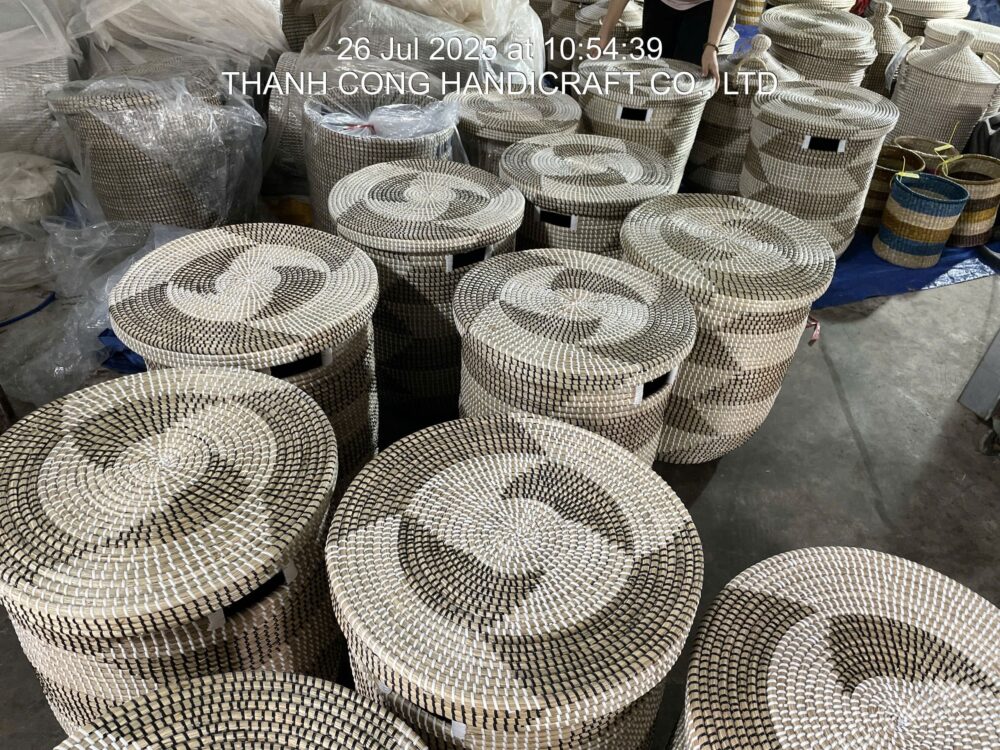
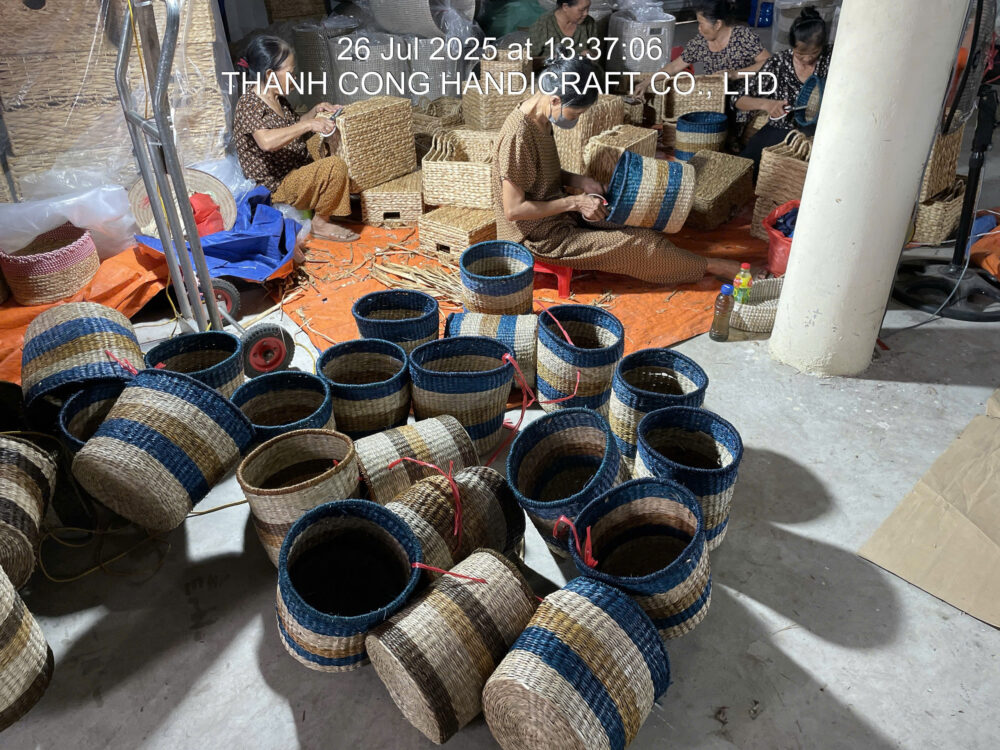
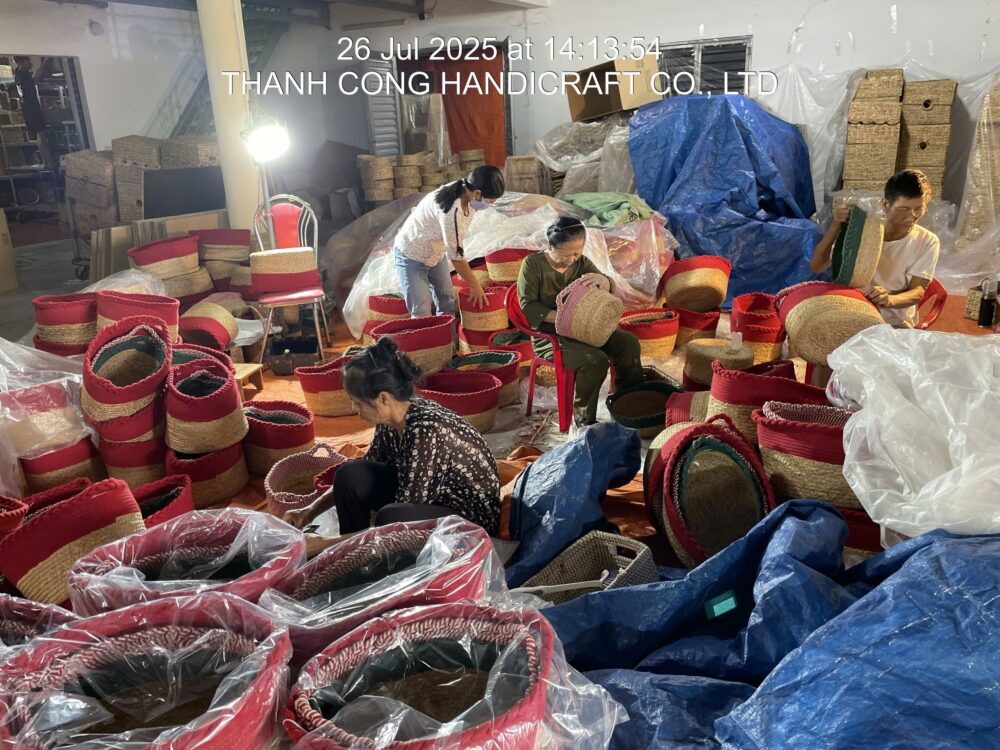
Uniform weave, color tone, and finishing define export-level craftsmanship. Reliable seagrass suppliers use trained artisans and multi-stage inspections. They reject defective products early, reducing complaints after delivery.
2.3 Communication and Documentation
Professional communication reflects operational reliability. Suppliers should reply promptly, provide complete quotations, and share packing lists and HS codes before shipment. A supplier who avoids these details may lack export experience.
2.4 Scalability and Flexibility
Top Vietnamese suppliers have multiple production workshops. This allows them to manage large orders and seasonal surges without compromising quality. Flexibility also includes custom designs, OEM/ODM services, and private labeling.
See how: How to Spot Hidden Quality Issues Before Importing From Vietnam
3. How to Verify a Supplier’s Reliability Before Importing
Verifying suppliers requires more than a quick Google search. Careful evaluation prevents delays, defects, and losses in global trade.
3.1 Online Research and Authenticity Check
A trustworthy supplier usually has a professional website, business registration number, and verified contact information. Avoid suppliers who only operate via messaging apps without company details or tax codes.
3.2 Request Documents and Certifications
Ask for export licenses, product test reports, and sustainability certificates such as FSC or Fair Trade. Reliable suppliers are always ready to share these. If they hesitate, proceed cautiously.

3.3 Order Samples Before Bulk Production
Never place a bulk order without checking samples first. Samples reveal material quality, weaving accuracy, and finishing methods. Reliable suppliers ensure samples match the final production.
3.4 Factory Visits or Virtual Tours
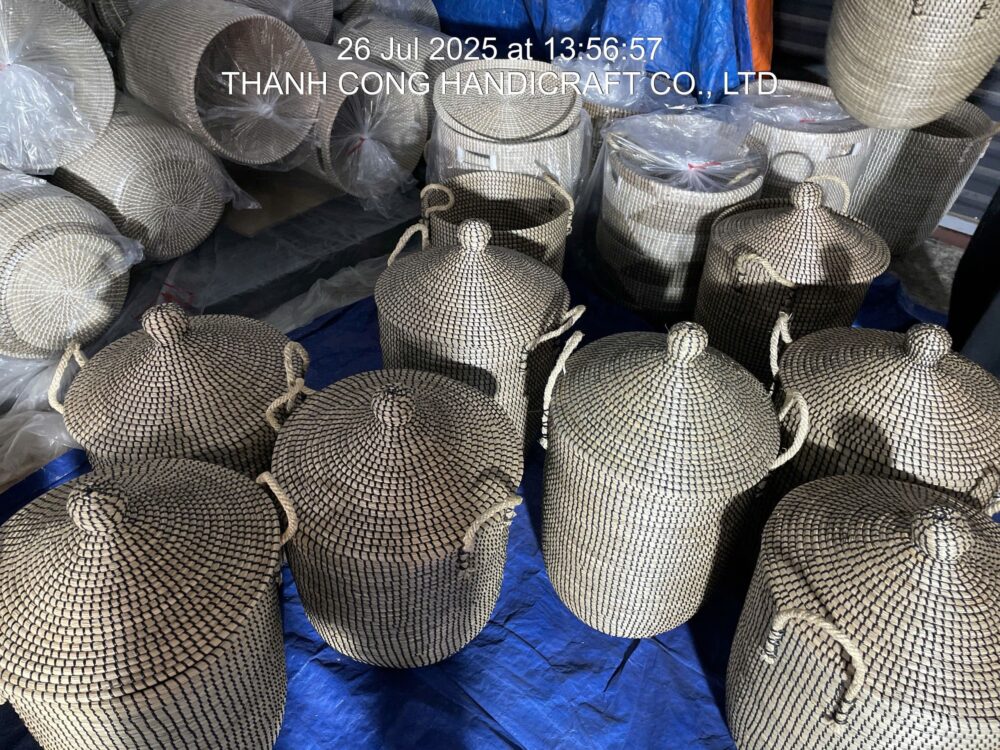
Visiting the workshop—or requesting a live video tour—offers real insight. Reliable suppliers are transparent about facilities, workforce, and production stages.
Explore how: How to Choose a Reliable Wholesaler in Vietnam Without Scams?
4. Warning Signs When Choosing Seagrass Suppliers
Many importers have learned that “too good to be true” prices often are. Recognizing red flags early prevents major losses.
4.1 Unrealistic Prices and Hidden Costs
If prices are far below the market rate, the supplier may compromise on quality or use untreated fibers that quickly mold. These defects can destroy brand reputation.
4.2 Poor Communication or Delayed Responses
Slow replies or inconsistent updates often signal internal disorganization. Reliable seagrass suppliers maintain clear, timely communication throughout the order cycle.
4.3 No References or Export History
A legitimate exporter usually provides references or previous client testimonials. If a supplier refuses, it’s safer to walk away.
4.4 Payment and Shipping Risks
Avoid suppliers who demand full payment before production or reject standard terms like LC or partial deposits. Established exporters understand standard B2B payment structures.
Discover how: How to Calculate Landed Costs When Importing From Vietnam
5. Building Long-Term Partnerships with Reliable Seagrass Suppliers
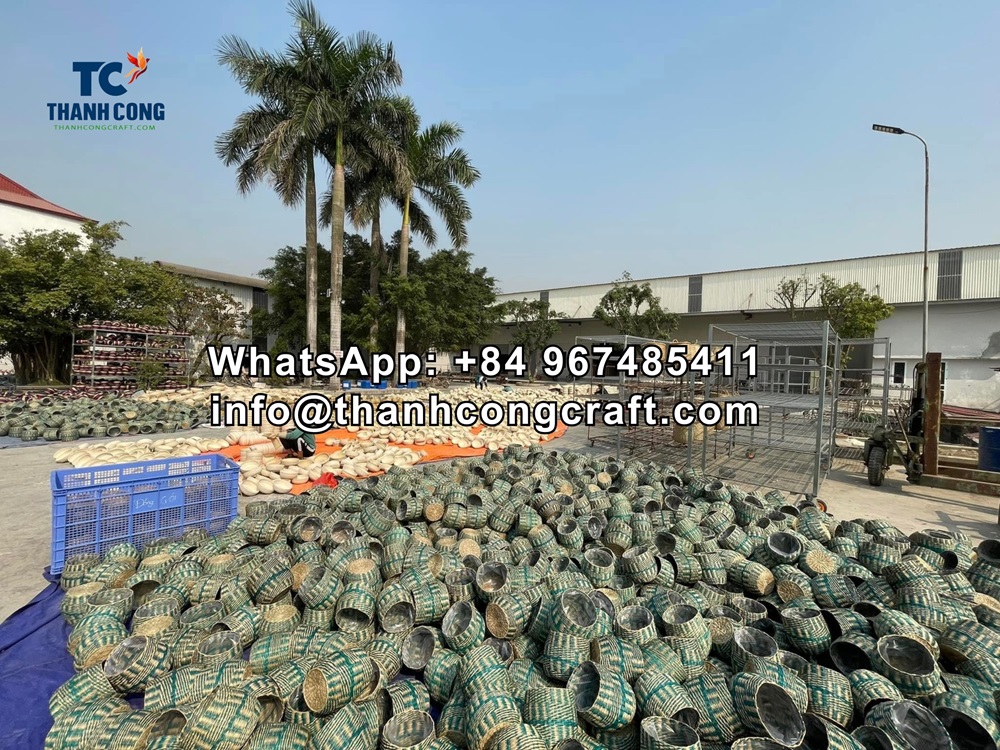
Building long-term partnerships with reliable seagrass suppliers is the key to maintaining consistency, trust, and mutual growth in the global handicraft trade. While finding a dependable supplier marks the first step, sustaining that relationship through collaboration and transparency ensures business longevity. Regular communication about seasonal trends, customer feedback, or shifting market preferences allows suppliers to adjust their production and design choices, helping importers stay relevant and competitive in dynamic retail environments.
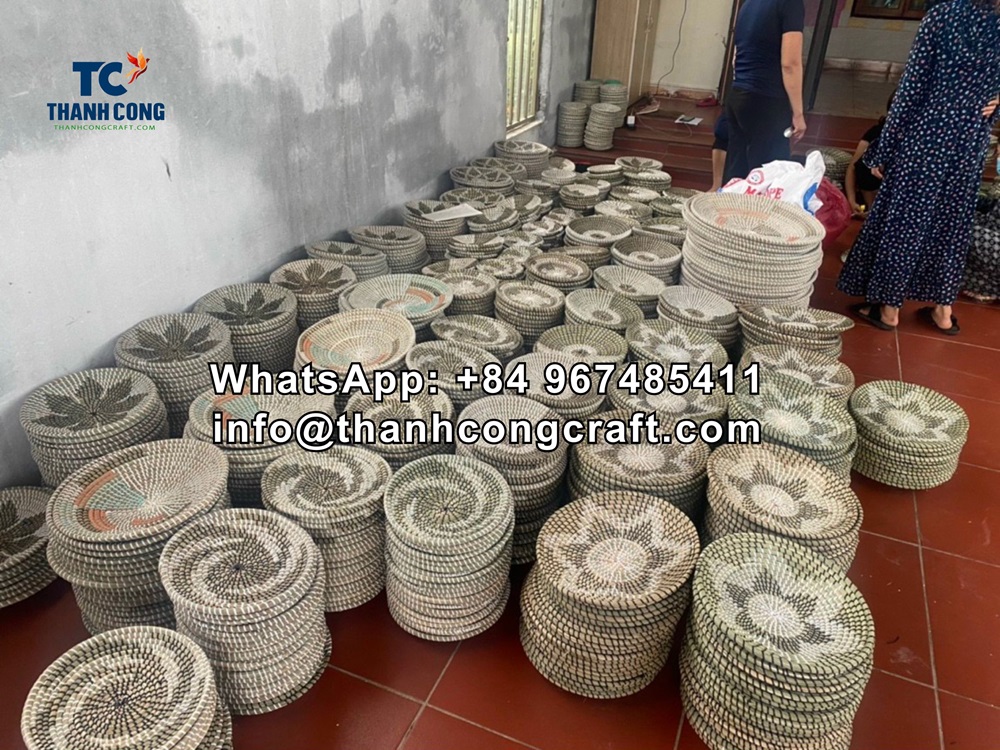
Vietnamese seagrass manufacturers often go beyond basic supply—they engage in co-development, offering tailored designs, customized packaging, and product exclusivity that empower brands to stand out in crowded marketplaces. This collaborative process builds strong brand identity while nurturing trust between partners. Additionally, periodic factory audits and quality evaluations reinforce professionalism. Rather than viewing inspections as a sign of distrust, reliable seagrass suppliers embrace them as opportunities to showcase their standards and commitment to excellence.
Sustainability remains at the heart of these partnerships. Many Vietnamese suppliers replant coastal seagrass beds, minimize plastic packaging, and invest in community-driven sourcing. Importers who choose to align with such suppliers not only strengthen their brand reputation but also appeal to the growing segment of eco-conscious consumers. As global demand for natural and ethical materials continues to rise, partnerships built on transparency, responsibility, and sustainability will define the future of seagrass trade—ensuring that “green value” remains a business principle, not just a marketing claim.

Reach out to us today to learn more about our products or to place a wholesale order. We look forward to connecting with you!
- Thanh Cong Handicraft Co., Ltd
- Email: [email protected]
- Tel/WhatsApp: +84967485411
Explore our Products Collection for more choices! Contact Us!


