

Mother-of-pearl inlay is a delicate and sophisticated form of handicraft that is increasingly popular in today’s market. However, with rising demand comes a surge in more sophisticated counterfeit products. Therefore, understanding how to distinguish between genuine and fake inlays is essential to avoid unnecessary loss. In this article, ThanhCongCraft will guide you on how to identify authentic mother-of-pearl inlay and spot imitations.
Contents
1. What Is a Mother-of-Pearl Inlay Product?
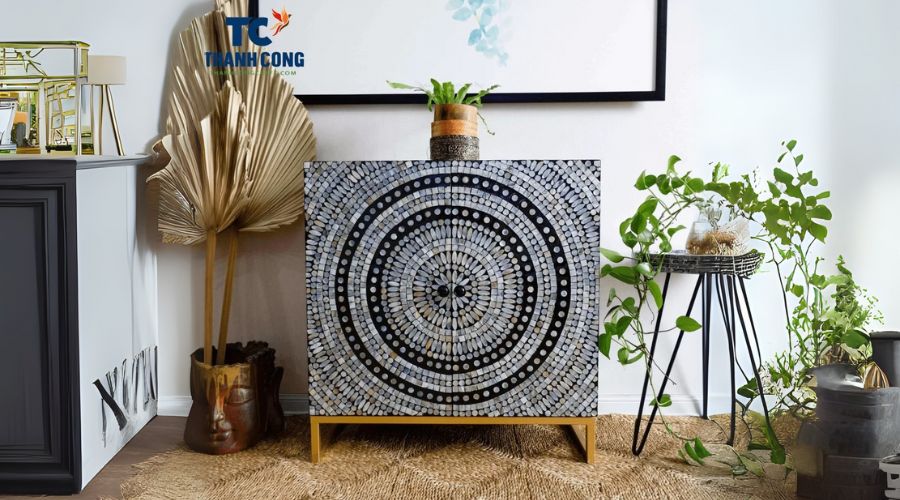
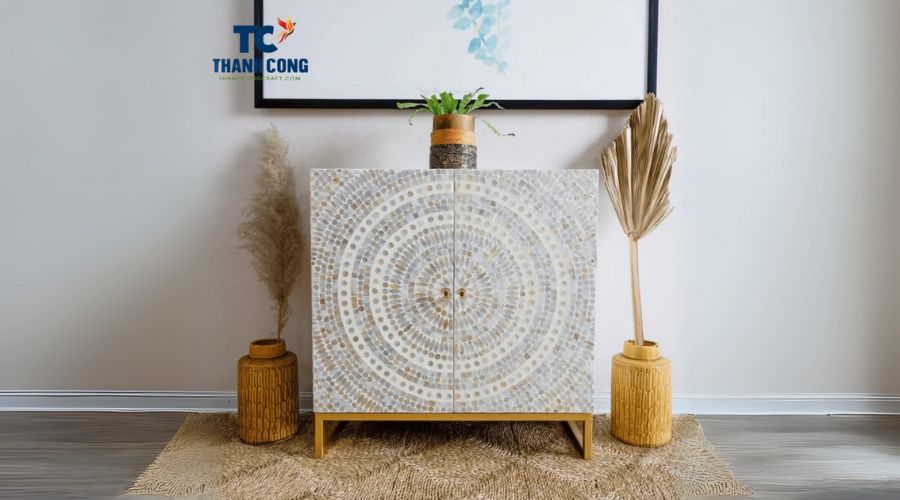
Mother-of-pearl inlay is known as a traditional handicraft technique in which artisans use shells, such as pearl oyster or sea snail shells, to inlay onto surfaces. The beauty of this art lies in the natural iridescence and the unique color-shifting effect when light hits the surface. These characteristics give the finished products a high aesthetic value and embody the essence of East Asian cultural identity.
The crafting process of mother-of-pearl inlay is often highly intricate, requiring skilled hands and meticulous attention to detail in every stage. It begins with selecting raw materials (pearl or snail shells) and cutting them into the desired shapes. After the inlaying step, the product undergoes several finishing processes—such as grinding, polishing, and lacquer coating—to complete the surface and enhance durability.
2. Why Is It Important to Distinguish Between Genuine and Fake Mother-of-Pearl Inlay?
As mentioned earlier, being able to tell the difference between authentic and fake mother-of-pearl inlay allows you to choose the best-quality products. Here are a few key reasons why you should learn to distinguish between them before making a purchase.
2.1. Protecting Consumer Rights
In today’s increasingly diverse handicraft market, many counterfeit inlay products are being sold at high prices under the guise of genuine craftsmanship. With proper knowledge of how to identify authenticity, consumers can take a more active role in evaluating product quality. This ensures that the amount they spend is truly worth the value they receive.
2.2. Ensuring Aesthetic Value and Durability
Authentic mother-of-pearl inlay offers natural beauty and refined craftsmanship, thanks to its shimmering nacre and the meticulous artistry involved in each detail. On the other hand, counterfeit products usually imitate only the surface appearance and fail to capture the signature elegance of real inlay work. Moreover, genuine inlays are highly durable, retaining their color and patterns over time, which helps preserve their artistic value for years. Therefore, proper identification helps consumers invest in products with true aesthetic and functional value.
2.3. Avoiding Low-Quality Purchases
One of the biggest risks of not being able to distinguish real from fake inlays is purchasing items made from cheap materials. These may include plastic, pressed paper, or printed decals that peel off or degrade after only a short period of use. Such products not only deteriorate quickly but also lose their visual appeal, negatively impacting your living space or the value of a gift. Hence, identifying genuine mother-of-pearl inlay is a practical way to avoid waste and ensure lasting quality in the items you choose.
3. How to Identify Genuine Mother-of-Pearl Inlay and Counterfeit Products
If you’re unsure how to tell the difference between authentic and fake mother-of-pearl inlay, don’t worry — ThanhCongCraft is here to share the simplest and most effective tips to help you spot the difference.
3.1. Observe the Surface Light and Color
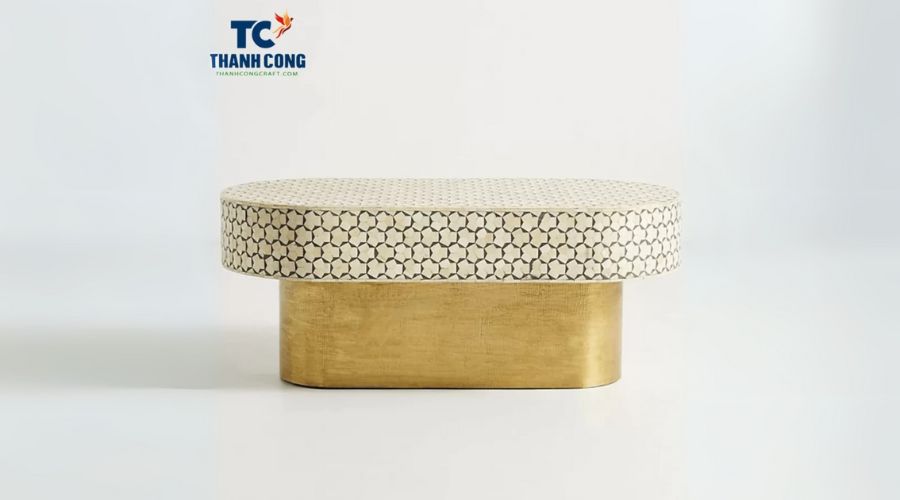
One of the easiest ways is to look closely at how the surface reflects light. Genuine mother-of-pearl has a natural iridescent quality, which means that when viewed from different angles or under light, it reflects shimmering rainbow-like colors. In contrast, counterfeit products often use plastic materials, printed decals, or painted imitations that lack this optical effect. They typically appear flat, dull, and monotonous when examined carefully.
3.2. Check the Thickness and Patterns
Authentic inlay is typically embedded seamlessly into the surface with an even, thin layer, creating a smooth and refined appearance. The patterns are formed from individually cut shell pieces, showing precise craftsmanship and artistry. Fake products, on the other hand, often have thick inlays that stick out unnaturally from the surface like stickers. These are prone to peeling or cracking due to poor finishing. The designs are usually clumsy, lacking detail and aesthetic harmony, which detracts from the traditional value of the craft.
3.3. Feel the Surface by Hand
Touching the product is another useful method. A genuine inlay surface is finely polished and smooth to the touch. In contrast, fake versions often feel uneven, bumpy, or rough—especially at the joints between the fake inlay pieces. Some may even expose glue marks or lack a proper protective coating, making them less attractive and more prone to damage.
3.4. Inspect Under Strong Light
When placed under strong light, such as a flashlight or sunlight, real mother-of-pearl emits a brilliant, reflective glow that is difficult to replicate. Fake materials made from plastic or printed images do not emit this kind of light and will instead appear as flat, matte surfaces. Using a light test is a quick and effective way to identify true craftsmanship.
3.5. Consider Price and Provenance
Finally, price is a key indicator. Genuine mother-of-pearl products tend to be significantly more expensive than imitations due to the materials and craftsmanship involved. So, if a product seems unusually cheap, it’s wise to reconsider.
Additionally, if you’re looking for a trusted source of high-quality mother-of-pearl inlay products in Vietnam, don’t hesitate to visit ThanhCongCraft.
These are the most detailed and practical methods to help you identify authentic mother-of-pearl inlay. We hope this guide helps you make informed decisions and choose only the best. Be sure to check out ThanhCongCraft for exceptional handcrafted inlay pieces.


