

Mother of pearl proof of legal origin EU is an essential document required by importers to bring mother of pearl products legally into the European Union. This article guides businesses through the necessary legal framework, documentation, and practical steps for smooth and compliant imports. Understanding these requirements will help avoid customs delays, fines, and support sustainable trade practices aligned with EU standards.
Contents
- 1. Understanding the Importance of Mother of Pearl Proof of Legal Origin EU
- 2. Step-by-Step Process for Obtaining Mother of Pearl Proof of Legal Origin EU
- 3. Customs Clearance and Compliance Tips for Mother of Pearl Importers in the EU
- 4. Legal and Ethical Considerations in the Mother of Pearl Trade
- 5. Future Trends and Recommendations for Importers of Mother of Pearl into the EU
1. Understanding the Importance of Mother of Pearl Proof of Legal Origin EU
1.1 What Is Mother of Pearl and Its Uses?
Mother of pearl, also called nacre, is the iridescent inner shell layer produced by certain mollusks. It is prized for its shimmering appearance and durability, widely used in jewelry, luxury handicrafts, musical instruments, and decorative items. The growing demand for natural, sustainable materials has increased mother of pearl’s popularity globally, particularly in Europe.
1.2 Why Does the EU Regulate Mother of Pearl Imports?
The European Union imposes strict regulations on mother of pearl imports to protect marine ecosystems from overexploitation and illegal harvesting. These rules fall under broader environmental protection and wildlife trade laws that aim to ensure all imported materials originate from legal and sustainable sources.
1.3 The Role of Proof of Legal Origin
The proof of legal origin confirms that the mother of pearl product was sourced and exported legally, following the laws of the country of origin. This document is critical during customs clearance, as it prevents illegal or unverified products from entering the EU market. Importers must ensure their shipments are accompanied by valid certificates to avoid customs holds or sanctions.
Check our post on:Top 5 Reasons Mother of Pearl Vases Lead Interior Design Trends
2. Step-by-Step Process for Obtaining Mother of Pearl Proof of Legal Origin EU
2.1 Verifying the Source Country and Supplier Credentials
The first critical step in importing mother of pearl into the EU is to thoroughly verify the source country’s legal framework concerning the harvesting and export of mother of pearl. Importers should conduct due diligence to confirm that suppliers possess all necessary permits and comply with their country’s environmental and trade regulations. This verification helps ensure that the materials are harvested sustainably and legally. Reliable suppliers typically provide export licenses or certificates issued by official governmental bodies, such as fisheries or environmental agencies.
2.2 Required Documentation for Proof of Legal Origin
Importing into the EU mandates specific documentation that officially certifies the legal origin of mother of pearl products. This includes certificates issued by competent authorities that detail the origin, harvest date, and quantity. Additionally, chain of custody documents that trace the product from source to export are essential. In some cases, importers may also need to provide sustainability certifications or third-party audits to meet EU standards. The completeness and authenticity of these documents are vital to avoid customs clearance delays.

2.3 Applying for Proof of Legal Origin
Obtaining proof of legal origin usually involves an application process coordinated with the relevant authorities in the exporting country. Importers or suppliers must submit detailed requests along with supporting documents that demonstrate compliance with local laws. Processing times vary by country but generally require advanced planning to align with shipment schedules. Fees may apply depending on the issuing agency’s regulations.
2.4 Validation and Verification Procedures at EU Customs
Upon arrival in the EU, customs officials will scrutinize the submitted proof of legal origin alongside other import documents. The EU regulatory bodies may cross-verify the certificate’s authenticity with issuing authorities to ensure validity. Customs may conduct random audits or physical inspections of shipments, especially if the paperwork raises concerns. Therefore, maintaining transparency and readiness for verification helps streamline import clearance and build trust with regulators.
Explore our post on: Handcraft a Mother of Pearl Tray – Complete Artisan Guide
3. Customs Clearance and Compliance Tips for Mother of Pearl Importers in the EU
3.1 Accurate Import Declaration Preparation
Properly preparing import declarations is fundamental to smooth customs clearance. Importers must correctly classify mother of pearl products using Harmonized System (HS) codes, which specify the product type for tariff and regulatory purposes. Detailed and accurate product descriptions, including origin information and value declarations, should be provided. Importantly, proof of legal origin documentation must be included in the submission to prevent hold-ups.
3.2 Collaborating with Experienced Customs Brokers
Partnering with customs brokers who specialize in wildlife, marine products, and natural material regulations can significantly simplify the import process. These professionals understand the nuances of EU import laws concerning mother of pearl and ensure that paperwork is complete and compliant. Effective communication with brokers is essential to preemptively address potential issues and keep shipments on schedule.

3.3 Managing Inspections and Delays
Customs inspections may occasionally occur due to heightened regulatory scrutiny or random checks. Common reasons for delays include incomplete documentation, inconsistencies in paperwork, or questions about the origin’s legality. Importers should be prepared to promptly respond to queries and provide additional evidence if required. Developing a proactive compliance approach helps reduce the risk of repeated inspections and associated delays.
3.4 Post-Clearance Record-Keeping and Compliance
Maintaining thorough records of all import documents, including proof of legal origin certificates, is mandatory for potential audits by EU authorities. Importers should establish internal compliance protocols to monitor supplier legitimacy continually and renew permits when necessary. Staying updated with changing regulations also safeguards long-term business operations and reputation.
Visit our post on: Top 8 Mother-of-Pearl Gifts Tourists Should Buy When Visiting Vietnam
4. Legal and Ethical Considerations in the Mother of Pearl Trade
4.1 Environmental Sustainability and Protection Efforts
Unsustainable harvesting of mother of pearl can cause significant damage to marine ecosystems, including overfishing and habitat destruction. Recognizing this, the EU strongly promotes environmentally responsible sourcing. Importers are encouraged to work with suppliers who employ sustainable harvesting methods and adhere to conservation guidelines, thereby supporting ecosystem health and biodiversity.
4.2 Impact of International Agreements
International treaties such as the Convention on International Trade in Endangered Species of Wild Fauna and Flora (CITES) may apply to certain mother of pearl species or related marine products. These agreements establish controls and permit requirements that influence EU import policies. Compliance with such treaties ensures legal trade and helps protect vulnerable marine species.
4.3 Corporate Social Responsibility and Brand Benefits
In addition to legal compliance, ethical sourcing of mother of pearl contributes positively to brand reputation. Companies demonstrating commitment to sustainability and legal trade practices often gain consumer trust and loyalty, which can translate into competitive advantages in the EU market. Transparent sourcing and certifications also open opportunities for collaborations with environmentally conscious retailers and wholesalers.
 .
.
5. Future Trends and Recommendations for Importers of Mother of Pearl into the EU
5.1 Increasing Regulatory Scrutiny and Advanced Traceability
The EU continues to enhance its import regulations, leveraging technologies like blockchain to improve traceability and transparency in supply chains. These innovations facilitate real-time verification of product origins, making compliance easier for responsible importers while deterring illegal trade.
5.2 Strategic Recommendations for Importers
To stay ahead, importers should cultivate strong partnerships with verified suppliers, invest in training staff on regulatory changes, and utilize digital tools for document management. Proactively adapting to evolving EU policies not only ensures smooth imports but also builds resilience and sustainability in business operations.
Check our page on: How to Preserve Mother-of-Pearl Inlay Trays During the Rainy Season
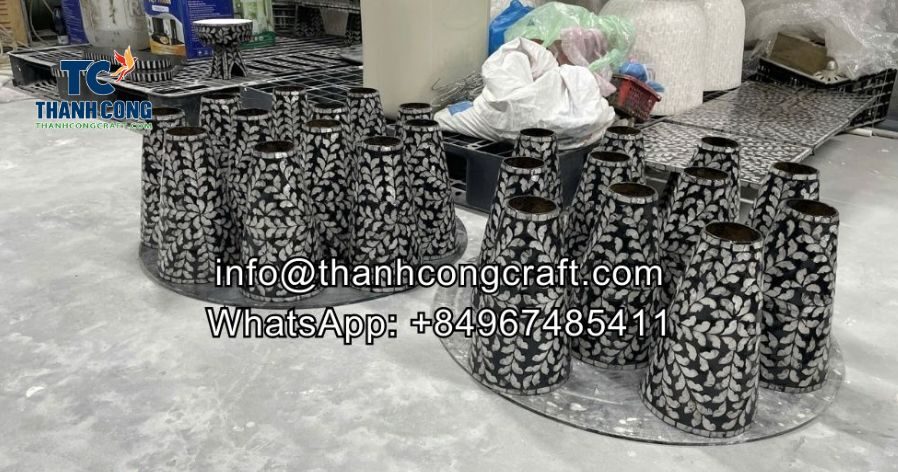
Reach out to us today to learn more about our products or to place a wholesale order. We look forward to connecting with you!
- Thanh Cong Handicraft Co., Ltd
- Email: [email protected]
- Tel/WhatsApp: +84967485411
Explore our Products Collection for more choices! Contact Us!


