

How to Import Permits Mother Of Pearl Mabkhara Saudi Arabia is a key question for businesses aiming to bring handcrafted incense burners into the Kingdom. The mabkhara, a traditional incense burner, carries deep cultural and spiritual significance across the Middle East. Therefore, importers must not only understand regulatory steps but also appreciate cultural expectations. This guide outlines the complete process, from HS Codes to Saudi standards, and consequently offers practical tips for B2B businesses entering this expanding market.
Contents
1. Understanding Import Permits for Mother Of Pearl Mabkhara
Import permits are legal authorizations issued by Saudi authorities that allow specific goods into the country. For mother of pearl mabkhara, the process involves classification under customs law, adherence to religious and cultural norms, and compliance with quality standards. Moreover, these permits reassure wholesale partners that the goods meet Saudi requirements.
1.1 Why Import Permits Matter in Saudi Arabia
Saudi Arabia strictly regulates the entry of cultural and decorative goods. The mabkhara, while traditional, must be accurately classified under customs codes. Because of this, failure to obtain or declare the correct permit can result in shipment delays, fines, or confiscation of goods.
For B2B importers, having the right permits ensures:
-
Accurate tariff application.
-
Smooth customs clearance.
-
Legal compliance under Saudi trade law.
-
Confidence when negotiating with wholesale buyers.
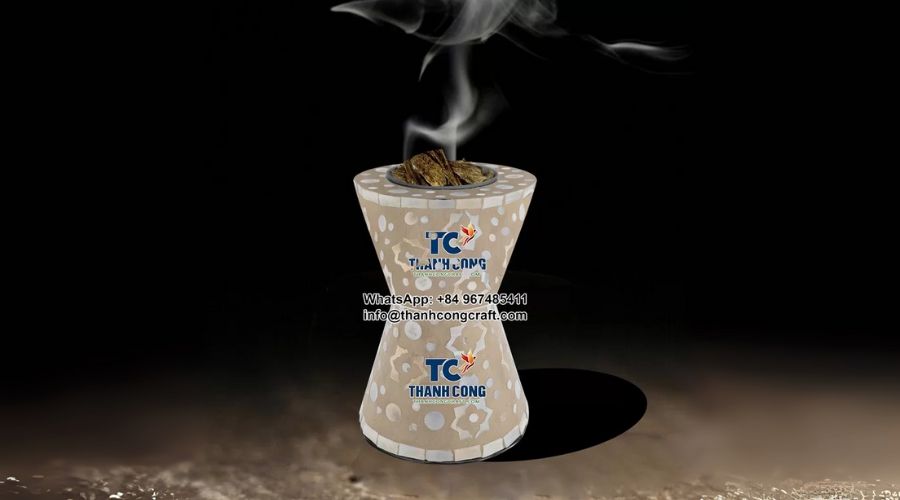
1.2 HS Code Classification
The HS Code determines how mabkhara is taxed. In fact, mother of pearl inlay categorizes it under decorative handicrafts rather than standard household items. Most incense burners fall within:
-
HS Code 7020.00 (articles of glass combined with decoration).
-
HS Code 7116.20 (articles of mother of pearl and other natural materials).
Therefore, importers should consult Saudi Arabia’s official customs tariff database for the final classification. Misclassification may result in higher duties or serious delays.
1.3 Mother Of Pearl as a Material
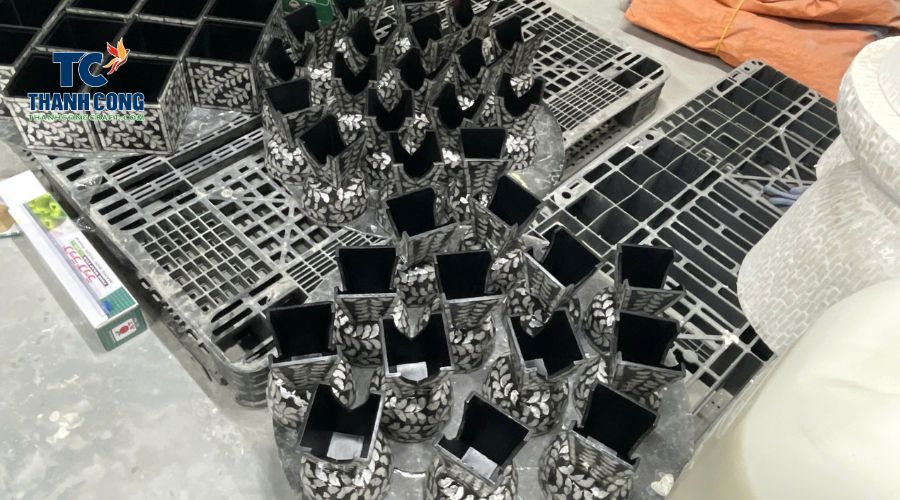
Mother of pearl, derived from mollusk shells, is considered a semi-precious natural material. Saudi customs often treat it as part of luxury decorative goods. Consequently, importers must declare its presence in the mabkhara to ensure correct valuation and duties.
Learn more about: Top 5 Stunning Luxury Mother of Pearl Serving Trays for Parties
2. Cultural and Market Significance of Mabkhara in Saudi Arabia
The mabkhara is more than a household item in Saudi Arabia—it is a cultural icon. As a result, understanding its significance helps importers align products with consumer expectations.
2.1 Role of Mabkhara in Daily Life
Mabkhara burners are used for:
-
Burning oud or bakhoor during family gatherings.
-
Welcoming guests with fragrance.
-
Spiritual rituals and religious occasions.
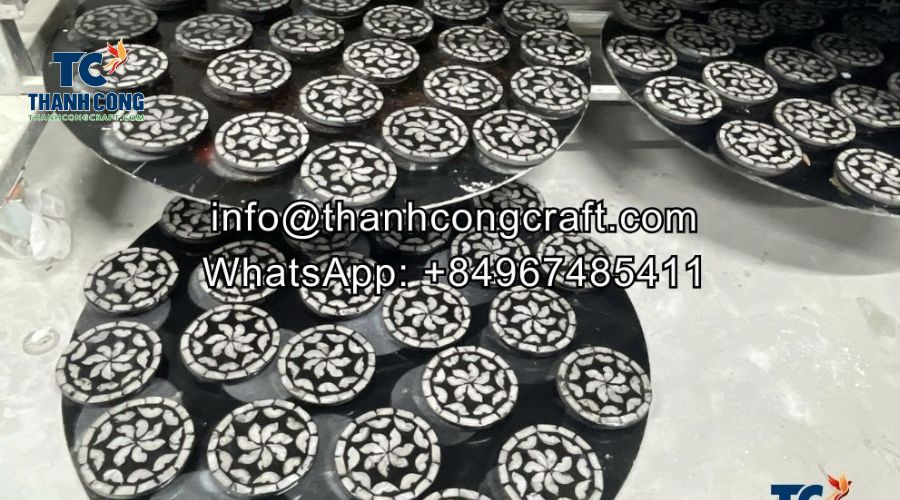
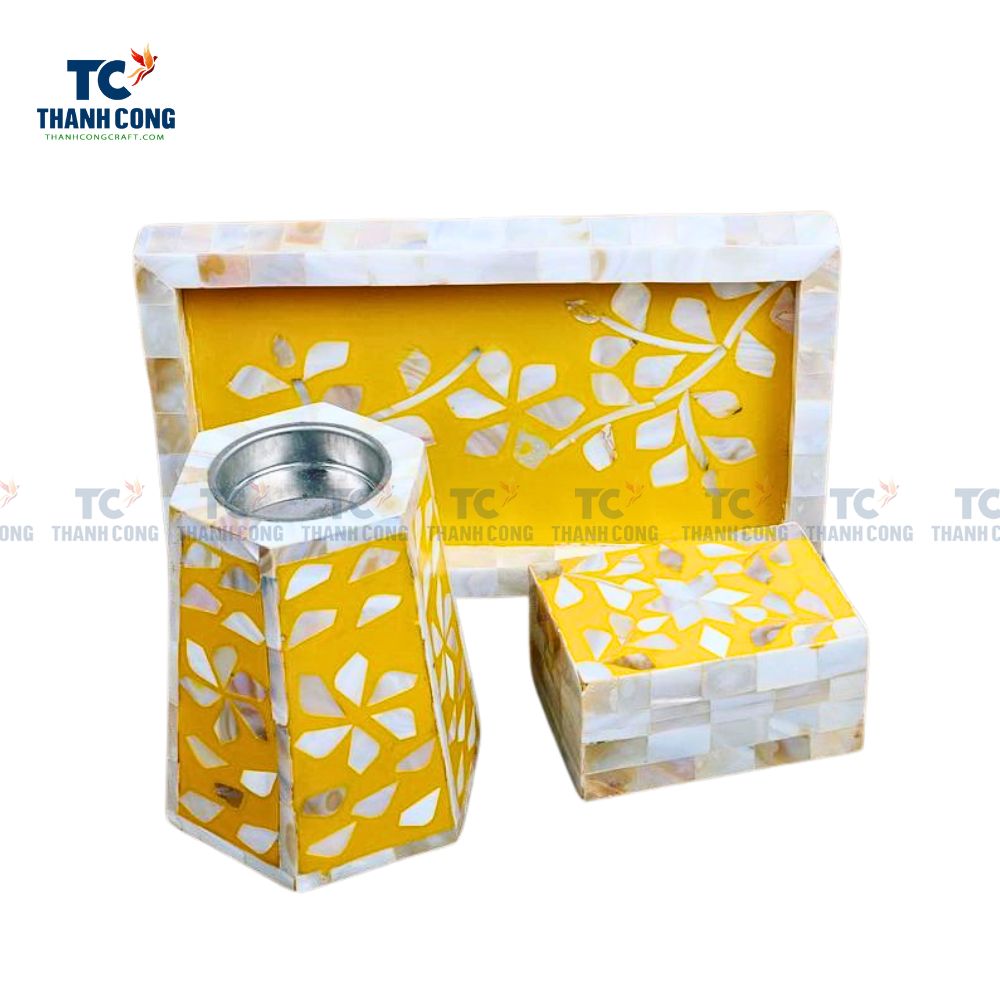
In addition, mother of pearl decoration enhances these items, making them suitable for gifting, weddings, and luxury settings.
2.2 Growing Market Demand
With rising disposable income and a preference for heritage-inspired décor, Saudi consumers increasingly favor luxury mabkhara. Retailers stock both locally produced and imported varieties. However, imported items (Import Permits Mother Of Pearl) often carry a premium appeal because of their craftsmanship.
Read our guide on: 5 Reasons to Choose an Eco Friendly Mother of Pearl Thermos
2.3 Why Mother Of Pearl Mabkhara Attracts Buyers
-
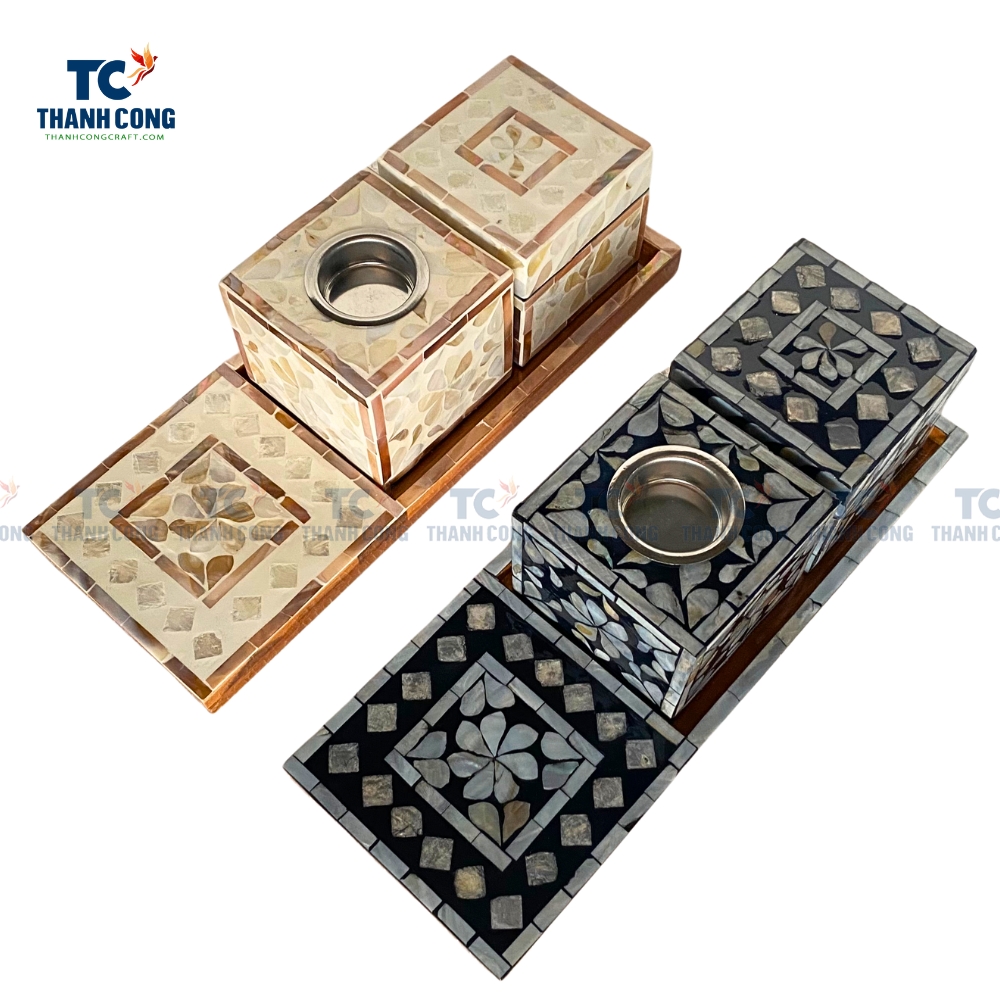
Luxury appeal: The shimmering inlay transforms a simple mabkhara into a statement piece.
-
Cultural authenticity: Handcrafted designs resonate with traditional aesthetics.
-
Eco-friendly values: Natural materials align with consumer demand for sustainability.
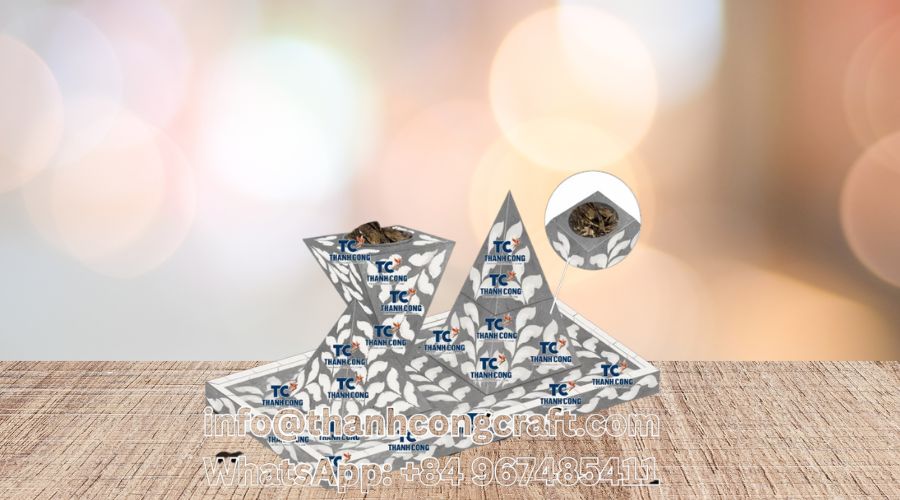
3. Importing Procedures for Mother Of Pearl Mabkhara
Importing goods into Saudi Arabia requires strict adherence to customs rules. Therefore, businesses must prepare permits, paperwork, and quality compliance well in advance.
3.1 Required Documents
Commonly required documents include:
-
Commercial Invoice – Declares product details and value.
-
Packing List – Specifies shipment contents.
-
Bill of Lading – Transport contract between shipper and carrier.
-
Certificate of Origin – Certifies production in the exporting country.
-
SASO Certificate – Ensures compliance with Saudi product standards.
Because of this, missing documentation often leads to detention of goods at ports.
3.2 Customs Duties and VAT
Under HS Codes for decorative goods, Saudi Arabia applies duties between 5% and 12%. Additionally, importers must pay 15% VAT on the total landed cost.
3.3 Licensing and Regulatory Bodies
The main authorities include:
-
Saudi Customs (ZATCA) – For tariff classification and duty collection.
-
SASO – For quality and conformity assessment.
-
SFDA – If products use chemical coatings or perfumes.
See our post: Mother of Pearl Thermos: Old vs Upgraded Version Compared

4. Logistics and Shipping from Source to Saudi Arabia
Shipping mother of pearl mabkhara requires careful planning due to its fragility and decorative value. As a result, choosing the right logistics partners is critical.
4.1 Preferred Transport Modes
-
Sea Freight: Cost-effective for bulk orders, with transit time around 20–25 days.
-
Air Freight: Faster delivery within 5–7 days, ideal for urgent orders.
Consequently, importers often choose sea freight for wholesale and air freight for limited-edition mabkhara.
4.2 Packaging Requirements
Proper packaging ensures products arrive without damage:
-
Bubble wrap and foam lining for individual pieces.
-
Nested boxes with moisture protection.
-
Export cartons labeled in Arabic and English.
4.3 Choosing Freight Forwarders
Selecting experienced freight partners reduces risks. Moreover, those specializing in handicrafts can manage fragile goods, handle paperwork, and consolidate shipments to lower costs.
Learn more about: How Mother of Pearl Inlay Is Made — A Timeless Luxury Craft

5. Long-Term Opportunities for Importing Mabkhara
Correct handling of import permits not only ensures compliance but also positions businesses for sustainable growth. In conclusion, investing in this process builds both trust and profitability.
5.1 Avoiding Delays and Penalties
Shipments without proper permits face risks such as:
-
Customs fines.
-
Confiscation of goods.
-
Negative reputation among buyers.
Therefore, securing permits in advance maintains steady supply chains and protects investments.
5.2 Building Brand Trust
Retailers prefer working with compliant importers. As a result, using the right permits and HS codes showcases professionalism and strengthens long-term relationships.
5.3 Capturing a Growing Luxury Segment
Saudi Arabia’s young, affluent consumers value traditional luxury items. Consequently, mother of pearl mabkhara fits this demand perfectly. Importers who combine design innovation, sustainable sourcing, and certified quality can capture premium market share.
Explore more: How to Choose a High-Quality Mother of Pearl Cake Stand

Reach out to us today to learn more about our products or to place a wholesale order. We look forward to connecting with you!
- Thanh Cong Handicraft Co., Ltd
- Email: [email protected]
- Tel/WhatsApp: +84967485411
Explore our Products Collection for more choices! Contact Us!


