

How to make a coconut bowl isn’t just a craft—it’s a journey toward sustainable living and appreciating natural materials. In this article, you’ll learn every single step to transform a discarded coconut shell into a beautiful, functional bowl. Whether you’re a DIY enthusiast or a handmade product seller looking to scale, this guide brings you not only techniques but insights into the culture and creativity behind each coconut bowl.
Contents
1. How to Make a Coconut Bowl Starts With Selecting the Right Coconut
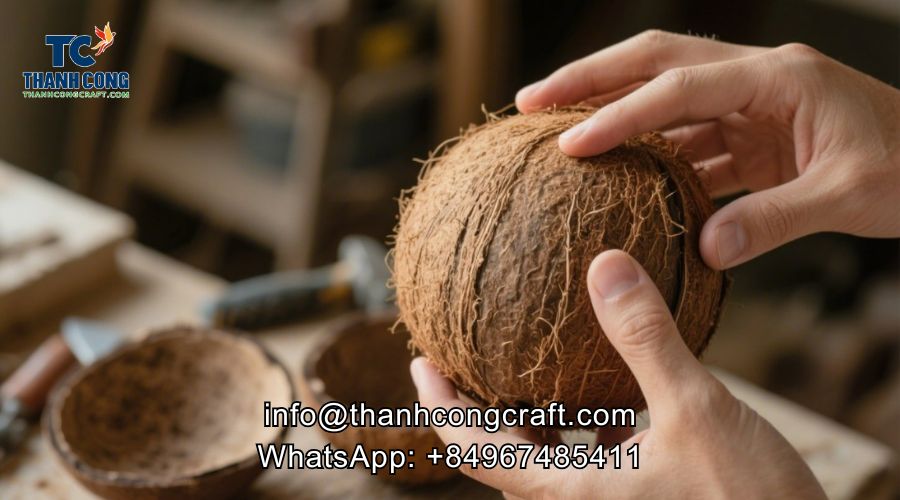
How to make a coconut bowl begins with something very basic but essential: choosing the right coconut. While it might seem simple, this initial step determines the outcome of the whole project.
To start, choose mature, thick-shelled coconuts—preferably those with dark brown husks. These types are easier to work with due to their hard, less fibrous texture. Notably, immature green coconuts, while refreshing for drinks, are not suitable for bowl crafting.
You can often find mature coconuts at local markets or organic stores. Ensure the coconut is free from cracks, molds, or foul smell. A cracked shell may break during cutting, while mold can affect the final finish and safety of the product.
Once chosen, drain the coconut water from one of the eyes. You can insert a screwdriver or use a drill. Save the water for drinking or composting. At this stage, you’re not just prepping for a bowl; you’re practicing mindful consumption—using every part of the coconut.
This thoughtful selection aligns with sustainable living values, a key point in every handmade coconut product, including those available at Thanh Cong Handicraft.
2. Cutting and Cleaning: Shaping the Bowl’s Foundation
How to make a coconut bowl effectively depends on how well you cut and clean the shell. This is the step where the real transformation begins.
Using a hand saw or small circular saw, cut the coconut horizontally. The cut should be about one-third from the top if you want a deeper bowl or halfway for a more traditional look. Secure the coconut on a vise or between two blocks of wood to keep it stable while cutting.
After sawing, scoop out the flesh using a metal spoon or coconut scraper. While this requires effort, it helps strengthen the connection between the maker and the material. It’s a meditative process—one that emphasizes patience.
Next comes the cleaning. Rinse the inner shell thoroughly and scrape off any remaining fibers. Then, soak the coconut shell in warm water mixed with baking soda for 15–20 minutes. This not only removes natural oils and odors but also prepares the surface for smooth sanding.
Transitioning from raw shell to a clean, bowl-shaped base marks a turning point. You’re halfway to a handmade, organic coconut bowl—each step echoing sustainability.
Learn more about Interesting facts about coconut
3. Sanding the Surface: Smoothness Meets Craftsmanship
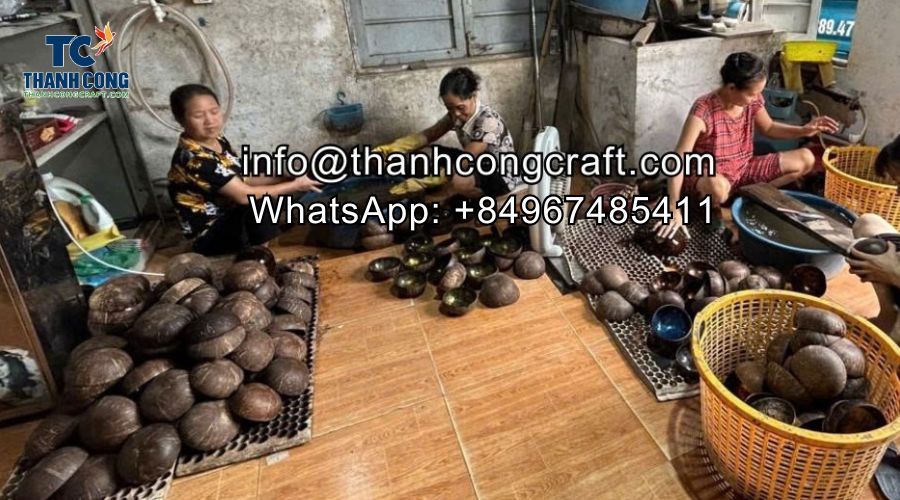
How to make a coconut bowl truly appealing lies in the sanding process—it turns a rough shell into a smooth, touchable item.
Start sanding with coarse-grit sandpaper (e.g., 80 grit) to remove larger imperfections and flatten the surface. Continue with medium grit (120–150), then move to fine grit (240–400) to polish it into a silky finish. Remember to sand both the inside and outside evenly, keeping the curves smooth and consistent.
This stage reveals the natural texture and grain of the coconut, often with intricate swirls and shades that no two bowls share. That’s the charm of handmade—no copy is ever identical.
Use a dust mask and gloves, especially during the initial sanding stages, as coconut dust can irritate the skin and lungs. Also, it helps to periodically wipe the bowl with a damp cloth to assess progress and highlight uneven areas.
At this point, your coconut bowl already looks beautiful, even before finishing touches. The texture feels organic, earthy—almost like driftwood.
Learn more about Can coconut handicrafts be handmade at home?
4. Polishing and Oiling: Enhancing Natural Beauty
How to make a coconut bowl truly shine depends on polishing and oiling—this final touch brings the bowl to life.
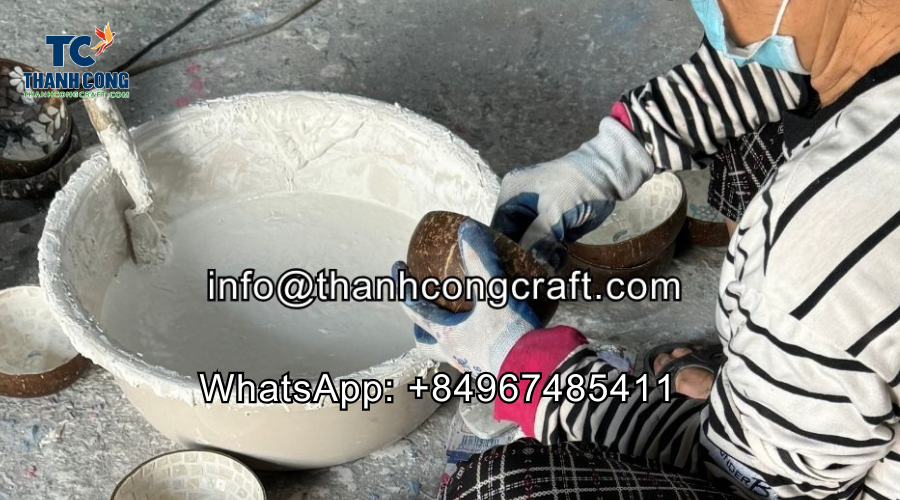
Once sanding is done, wipe the entire bowl with a clean, dry cloth. Then apply natural coconut oil or food-safe mineral oil to both the interior and exterior. This step darkens the wood slightly and enhances the natural grain patterns. Allow the bowl to soak the oil for several hours, then wipe off the excess with a dry cloth.
For a glossier finish, buff the surface using a soft cloth or polishing pad. You can even repeat the oiling and buffing process several times for a deeper sheen. Some artisans also use beeswax for extra protection and richness.
Polishing is not just aesthetic—it also serves a protective purpose. The oil seals the pores, making the bowl more water-resistant and food-safe. That said, coconut bowls should only be used for dry or room-temperature foods, not hot soups or microwave use.
As a final optional step, consider branding the bowl’s base with your logo (if you’re selling) or carving in small patterns or initials—adding uniqueness and value.
5. Creative Variations: Painting, Carving, or Inlay Work
How to make a coconut bowl stand out often involves creative customization. Once you’ve mastered the basic bowl, you can explore artistic enhancements.
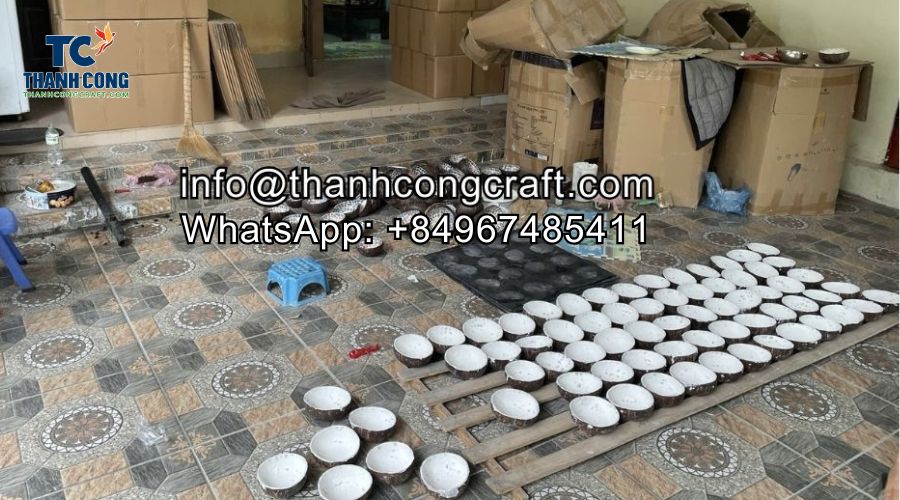
Painting with acrylics or natural dyes can add character to the exterior. Consider motifs like waves, leaves, or geometric patterns. Use painter’s tape for precision or stencils for more complex designs.
Another approach is carving—etching patterns using a Dremel or chisel. While it requires more tools and skill, carved coconut bowls command a premium in artisanal markets. Inlay work using crushed seashell, mother of pearl, or colored resin can elevate the design significantly.
However, even without additions, each coconut bowl retains an inherent uniqueness. The texture, the shade, the slight asymmetry—it all contributes to the handmade identity.
If you’re producing in volume for eco-lifestyle brands or home décor collections, offer a mix of plain and artistically finished bowls to meet different customer tastes. Customization increases product range and storytelling power.
See more Coconut products attract tourists by their unique and eye-catching appearance
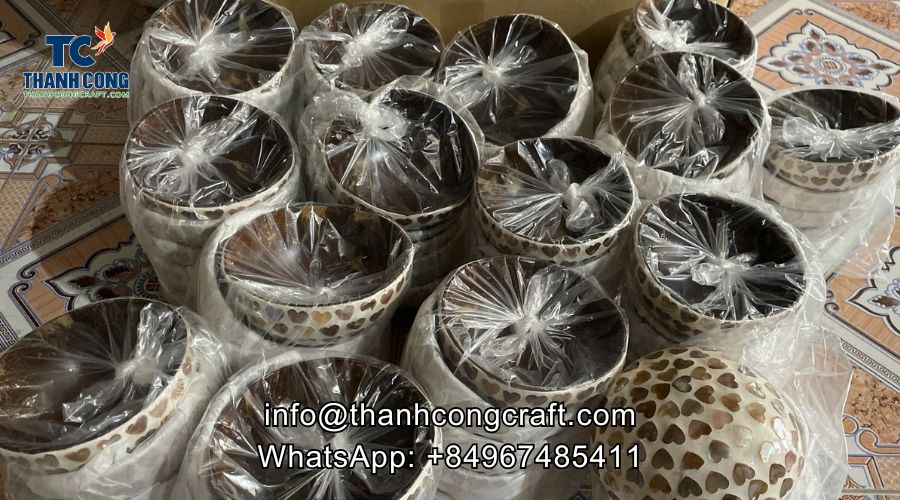
Reach out to us today to learn more about our products or to place a wholesale order. We look forward to connecting with you!
- Thanh Cong Handicraft Co., Ltd
- Email: [email protected]
- Tel/WhatsApp: +84967485411
Explore our Products Collection for more choices!
Contact Us!


