

Hidden quality issues in Vietnamese imports are a growing concern for global buyers sourcing handicrafts, furniture, garments, or home décor from Vietnam. While Vietnam has established itself as one of the most reliable sourcing hubs in Asia, not every supplier delivers the same level of consistency. Moreover, many problems only appear after shipment, leading to costly returns, delays, or reputational damage.
This article provides practical strategies to detect, evaluate, and prevent hidden quality risks before they reach your warehouse. It explores common manufacturing pitfalls, outlines preventive inspections, and highlights the certifications that matter most in Europe and the US. In addition, it explains how to build long-term supplier partnerships that guarantee reliability, authenticity, and sustainability. Therefore, whether you are an importer, wholesaler, or retailer, you will find actionable insights to protect your supply chain.
Contents
- 1. Hidden Quality Issues in Vietnamese Imports That Buyers Overlook
- 2. How to Prevent Hidden Quality Issues in Vietnamese Imports
- 3. Certifications That Safeguard Against Hidden Quality Issues
- 4. Building Long-Term Supplier Partnerships to Minimize Risks
- 5. Turning Quality Risks Into Business Advantages
1. Hidden Quality Issues in Vietnamese Imports That Buyers Overlook
1.1 Material Substitution
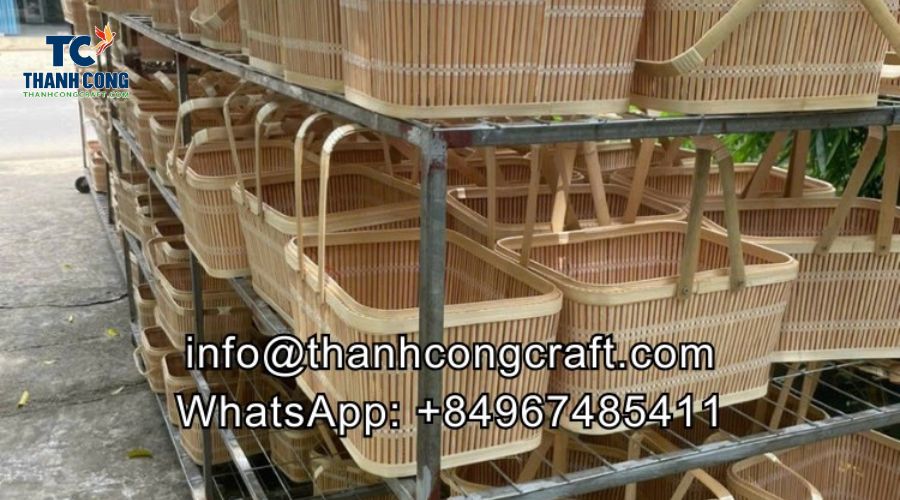
Hidden quality issues in Vietnamese imports often begin with materials. Some suppliers may substitute lower-grade bamboo, seagrass, or wood to cut costs. Although products may appear identical at first, their durability is compromised. For instance, baskets woven from immature bamboo break more easily than those made with mature, seasoned fibers. Consequently, without proper checks, importers may face high defect rates.
1.2 Finishing and Coating Problems
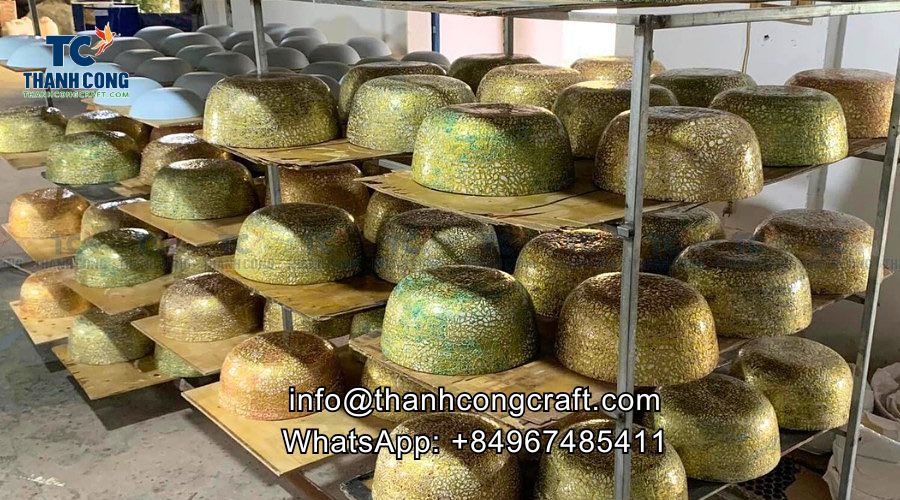
Hidden quality issues in Vietnamese imports also emerge in finishing stages. Handicrafts may have uneven lacquer, peeling paint, or poorly applied natural coatings. In furniture, hidden sanding flaws only become visible under light in showrooms. Moreover, coatings that do not meet EU or US safety standards can cause compliance issues. Therefore, thorough surface inspections are critical before shipment.
See how: How Many Units Should You Import on Your First Order?
1.3 Weak Joints and Structural Defects
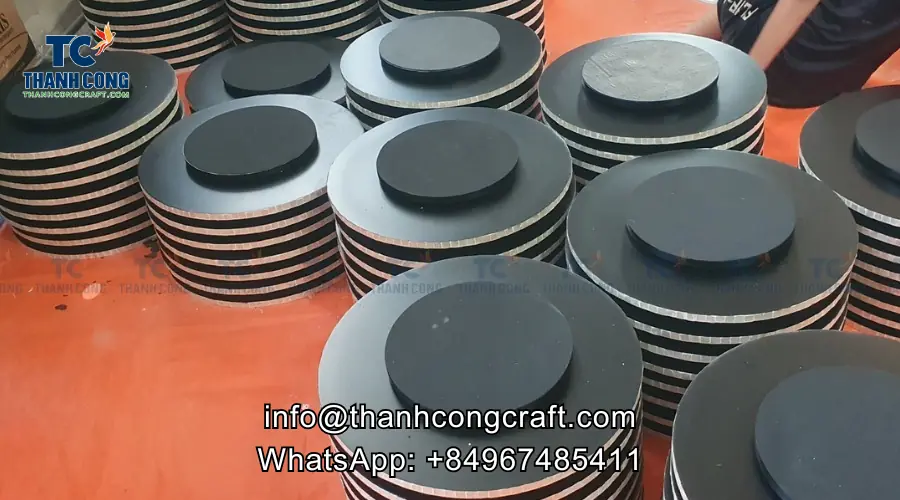
In addition, hidden quality issues in Vietnamese imports are commonly related to joints, adhesives, or stitching. Furniture pieces may wobble, rattan chairs may loosen, and textile seams may unravel under stress. These structural problems usually escape notice during visual checks but appear quickly once products are in use. As a result, end customers lose trust in the brand.
2. How to Prevent Hidden Quality Issues in Vietnamese Imports
2.1 Factory Audits Before Commitment
Hidden quality issues in Vietnamese imports can be minimized through rigorous factory audits. Buyers should evaluate machinery, worker training, and raw material storage conditions. Moreover, unannounced audits often reveal whether suppliers truly maintain consistent quality or rely on shortcuts. Consequently, importers who invest in audits reduce the risks of hidden flaws.
2.2 Pre-Production Samples and Lab Testing
Another step in reducing hidden quality issues in Vietnamese imports is sample testing. Importers must demand pre-production samples and send them for independent lab testing when required. For example, textiles should be checked for colorfastness, and lacquers should be tested for lead content. As a result, potential defects are identified before mass production begins.
2.3 In-Line and Final Inspections
Furthermore, hidden quality issues in Vietnamese imports are best prevented with inspections at multiple stages. In-line checks during production catch defects before they spread across an entire batch. Meanwhile, final inspections ensure packaging, labeling, and compliance with international regulations. Therefore, combining both steps guarantees a higher acceptance rate upon arrival.
Explore how: Top-Selling Vietnamese Handicrafts – Retailers Can’t Keep in Stock
3. Certifications That Safeguard Against Hidden Quality Issues
3.1 Eco-Certifications for Natural Products
Hidden quality issues in Vietnamese imports often involve unverified eco-claims. Certifications such as FSC (Forest Stewardship Council) for wood or OEKO-TEX for textiles confirm authenticity. Moreover, they provide reassurance to European and US buyers demanding sustainable sourcing. Consequently, importers can confidently market eco-friendly products backed by verified standards.
3.2 Safety and Compliance Certifications
In addition, hidden quality issues in Vietnamese imports arise when products fail to meet safety regulations. For handicrafts with coatings, REACH compliance is essential in Europe, while ASTM standards are critical in the US. Without these certifications, shipments risk rejection at customs. Therefore, verifying compliance before purchase orders is essential.
3.3 Social Responsibility Audits
Finally, hidden quality issues in Vietnamese imports are not limited to products. Buyers increasingly face scrutiny over labor practices and sustainability claims. Certifications such as BSCI or SA8000 confirm ethical production. Consequently, importers avoid reputational risks linked to unfair labor practices.
4. Building Long-Term Supplier Partnerships to Minimize Risks
4.1 Transparent Communication Channels
Hidden quality issues in Vietnamese imports are often reduced through open dialogue with suppliers. Regular video calls, shared quality reports, and detailed purchase orders ensure both sides have clear expectations. Moreover, strong communication fosters mutual accountability, leading to fewer disputes.
4.2 Supplier Development and Training
In addition, hidden quality issues in Vietnamese imports can be prevented when buyers invest in supplier development. Providing training, introducing better tools, or co-financing quality upgrades benefits both sides. As a result, suppliers improve consistency while buyers secure reliable long-term production.
4.3 Long-Term Contracts and Incentives
Finally, hidden quality issues in Vietnamese imports are less likely with long-term agreements. Contracts that reward suppliers for maintaining quality motivate better performance. Moreover, loyalty fosters trust, which is difficult to achieve with one-off sourcing. Consequently, strategic partnerships guarantee more predictable outcomes for global importers.
See how: How to Choose a Wholesaler That Maximizes Your Profit

5. Turning Quality Risks Into Business Advantages
Hidden quality issues in Vietnamese imports may seem like a challenge, but they can also create competitive advantages for proactive buyers. Companies that master inspection protocols, certification verification, and supplier partnerships are more likely to deliver consistently high-quality products. Moreover, they position themselves as trustworthy importers in competitive markets.
By spotting and solving problems early, businesses strengthen their supply chain while protecting end customers from disappointment. Consequently, they save costs, build brand reputation, and unlock opportunities in demanding markets like Europe and the US.

Reach out to us today to learn more about our products or to place a wholesale order. We look forward to connecting with you!
- Thanh Cong Handicraft Co., Ltd
- Email: [email protected]
- Tel/WhatsApp: +84967485411
Explore our Products Collection for more choices! Contact Us!


