

Wholesale craft suppliers often advertise massive discounts or “exclusive” offers that promise high profits. However, in the global handmade trade, unrealistic deals usually hide poor quality, fake certifications, or unreliable delivery. This article helps importers and retailers identify red flags, evaluate trustworthy partners, and secure long-term business relationships that protect both profit and reputation.
Contents
1. Understanding the Global Craft Supply Market
Wholesale craft suppliers operate in a highly competitive environment where price, quality, and delivery times can make or break a business. Importers across Europe, the US, and the Middle East often chase the best offers to maximize margins. However, true professionals know that extreme discounts usually mean hidden compromises—like substandard materials or poor working conditions.
1.1 The Rise of Fast-Craft Manufacturing
In the rush to meet demand, some suppliers cut corners—using cheaper materials or skipping quality control steps. While these tactics lower prices, they damage long-term trust. Authentic handmade producers, especially from Vietnam or Indonesia, invest in sustainable sourcing, artisan training, and fair wages to maintain consistency.
1.2 Why “Cheap” Isn’t Always “Affordable”
An importer might save 10% on cost per unit but lose 30% due to product returns or poor feedback. When evaluating suppliers, buyers should always ask for clear material specifications, production photos, and quality certifications.
Learn how: How to Verify a Reliable Supplier With Key Certifications
2. Key Warning Signs of Unrealistic Craft Deals
Recognizing early warning signs helps importers avoid losses before production begins.
1. Extremely Low Prices
Suppliers offering prices far below the market average may use non-sustainable materials or exploit labor. True craft producers maintain fair pricing to cover artisan wages and eco-certified materials.
2. Lack of Clear Communication
If the supplier delays replies, avoids video calls, or refuses factory visits, it’s a major red flag. Reliable wholesale craft suppliers are transparent about processes, timelines, and policies.
3. Missing Certifications and Photos
Suppliers claiming “eco-friendly” or “handmade” products without proof often rely on misleading marketing. Request official certificates (e.g., FSC, fair trade) and high-resolution production images to confirm authenticity.
Discover how: Hidden Signs Your Vietnamese Supplier Can’t Handle Big Orders

3. Evaluating Authentic Wholesale Craft Suppliers
Identifying a trustworthy partner requires a structured approach that goes beyond price negotiation.
Verify Production Capacity and Experience
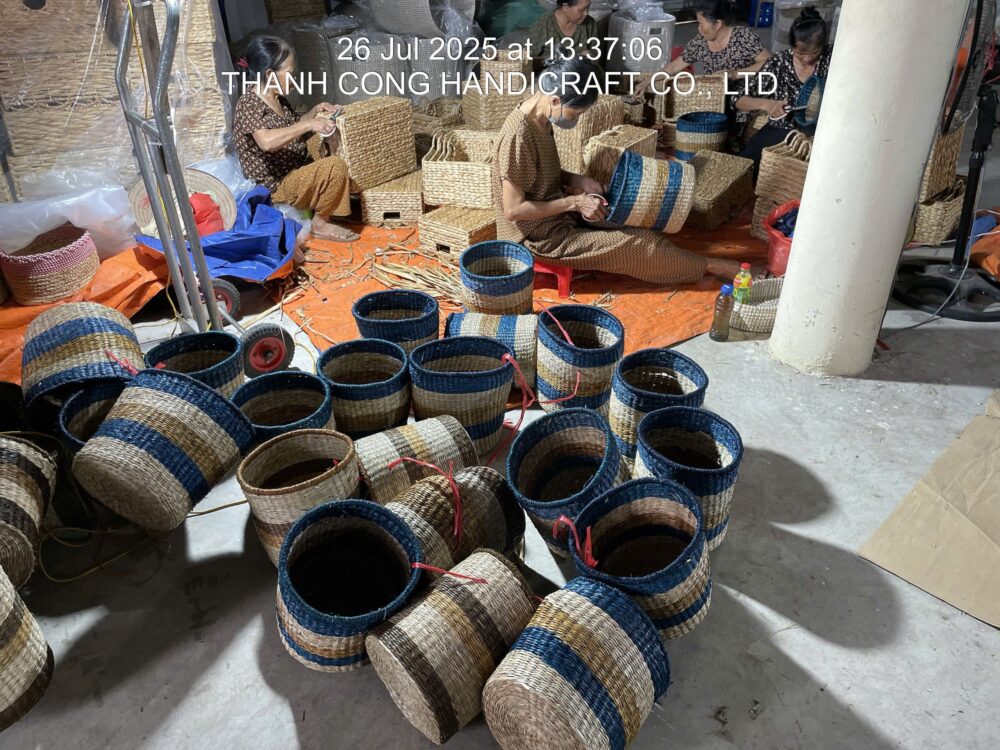
Ask about factory size, number of artisans, and annual export volumes. True artisans often have consistent output data and transparent production processes.
Request Real Samples and Video
Before committing to a large order, always request product samples or live video demonstrations. This reduces the risk of receiving inferior goods or color mismatches.
Check Buyer Reviews and References
A credible supplier welcomes you to contact their past clients. Verify whether they deliver on time and maintain consistent quality across batches.
Explore how: Are Vietnamese Handicrafts Eco-Friendly to Sell in EU and the US ?
4. Building Long-Term Partnerships with Trusted Suppliers
Reliable wholesale craft suppliers value partnerships over one-time profits. Establishing trust can lead to exclusive designs, better payment terms, and stable pricing.
4.1 Transparent Contracts and Payment Methods
Always formalize agreements with clear terms on delivery time, defect handling, and payment milestones. Use safe payment channels like LC (Letter of Credit) or PayPal for new suppliers.
4.2 Continuous Communication and Feedback
Regular updates via WhatsApp or video calls strengthen transparency and build mutual respect. Sharing customer feedback helps suppliers adjust product details and packaging.
4.3 Mutual Growth Through Co-Branding
Some exporters now co-brand with importers—printing logos or offering customized packaging. This adds marketing value and helps both sides grow.
See how: Do You Really Need Big Capital to Start Reselling Handicrafts?
5. Sustainable Future of Wholesale Craft Trade
The future of the handmade export industry depends on ethical collaboration between buyers and suppliers.
5.1 Demand for Sustainable Materials
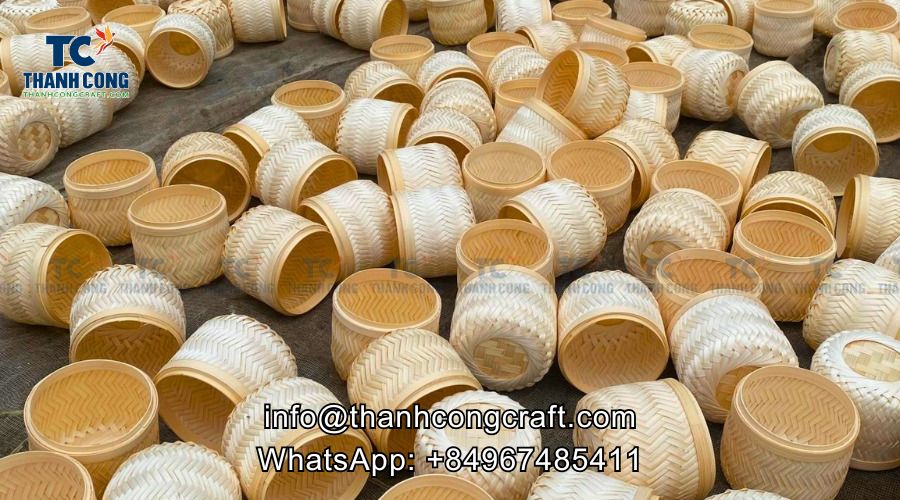
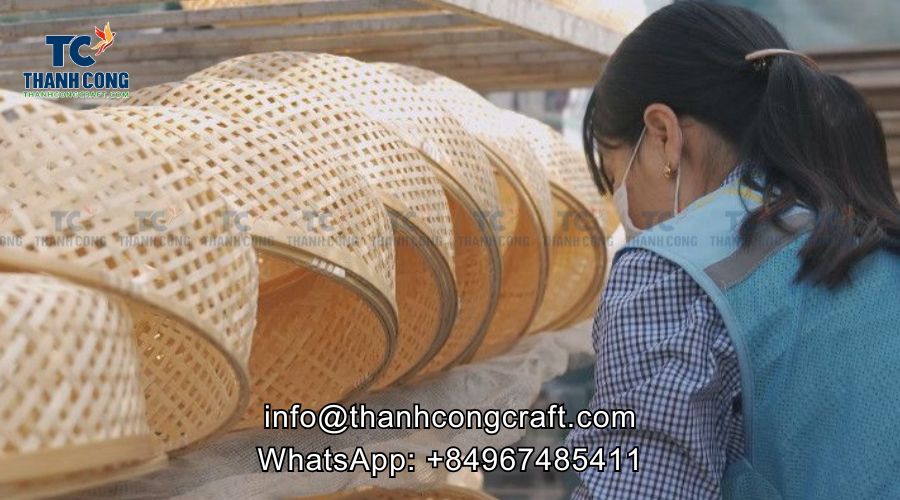
Consumers now demand transparency about sourcing. Suppliers using seagrass, bamboo, and rattan gain higher market trust.
5.2 Technology Meets Tradition
Modern logistics and digital marketing enable artisans to reach global buyers directly. Verified suppliers with digital catalogs and certifications stand out in competitive markets.
Buyers must support responsible producers by avoiding “too good to be true” deals and promoting fair-trade craftsmanship. Ethical trade not only protects communities but also ensures stable business growth for both parties.
Read why: Why Importing Baskets in Bulk From Vietnam Could 5x Your Profit
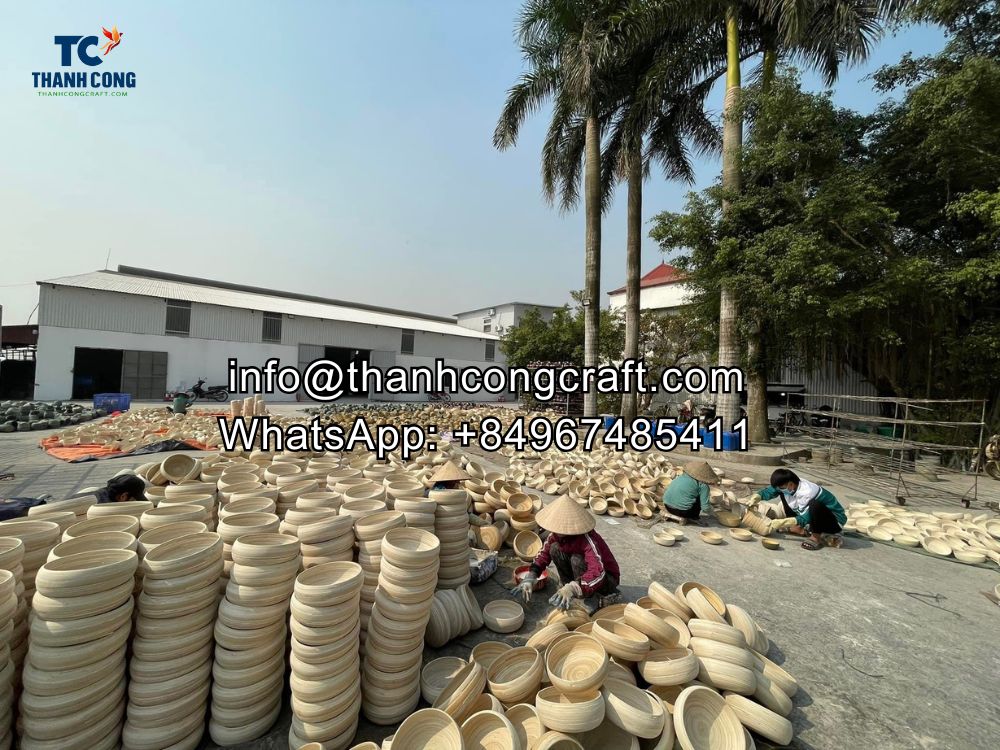
Reach out to us today to learn more about our products or to place a wholesale order. We look forward to connecting with you!
- Thanh Cong Handicraft Co., Ltd
- Email: [email protected]
- Tel/WhatsApp: +84967485411
Explore our Products Collection for more choices! Contact Us!


