

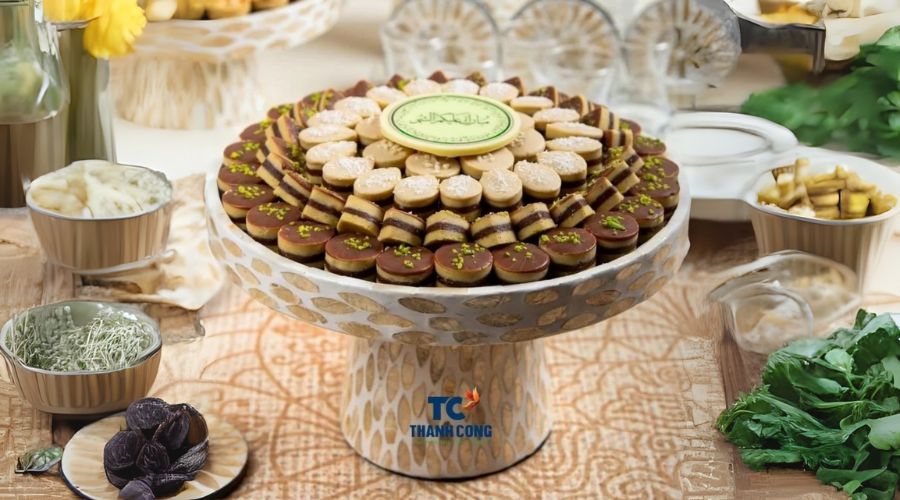
Mother of pearl luxury gifting is suitable for chocolate and dates presentation when the goal extends beyond food storage to ceremonial, symbolic, and prestige-driven gifting. In Middle Eastern culture, chocolate and dates are often used as expressions of hospitality, respect, and social standing. Mother of pearl enhances this role by adding permanence, craftsmanship, and cultural alignment rather than focusing solely on functionality.
Contents
- 1. Why Chocolate and Dates Presentation Requires Cultural Sensitivity in the Middle East
- 2. How Mother Of Pearl Enhances Perceived Prestige in Chocolate and Dates Gifting
- 3. Why Mother Of Pearl Fits Ceremonial Chocolate and Dates Presentation Better Than Everyday Use
- 4. How Mother Of Pearl Supports Long-Term Display After Food Consumption
- 5. How Middle Eastern Chocolate and Dates Gifting Differs From US and EU Norms
1. Why Chocolate and Dates Presentation Requires Cultural Sensitivity in the Middle East
Mother of pearl luxury gifting becomes relevant because chocolate and dates in the Middle East are rarely treated as simple consumables. Instead, they function as social instruments used to welcome guests, honor relationships, and mark important occasions. As a result, presentation is inseparable from meaning.
In many households and business environments, the way dates or chocolates are presented reflects the giver’s understanding of cultural norms. Lightweight boxes, disposable trays, or overly minimal packaging may unintentionally suggest haste or insufficient consideration. Therefore, buyers evaluating presentation solutions must consider symbolic weight, not just visual appeal.
From an industry perspective, this expectation changes how decorative and serving products are designed. Items must feel deliberate and enduring rather than temporary. In practice, materials that suggest longevity and respect tend to perform better in ceremonial gifting contexts than trend-driven alternatives.
Moreover, presentation objects often remain visible in the recipient’s environment long after the food is consumed. This extended visibility increases the importance of material choice, as it continues to represent the original gifting gesture over time.
See our article on: Does Mother of Pearl Fade or Yellow Over Time?
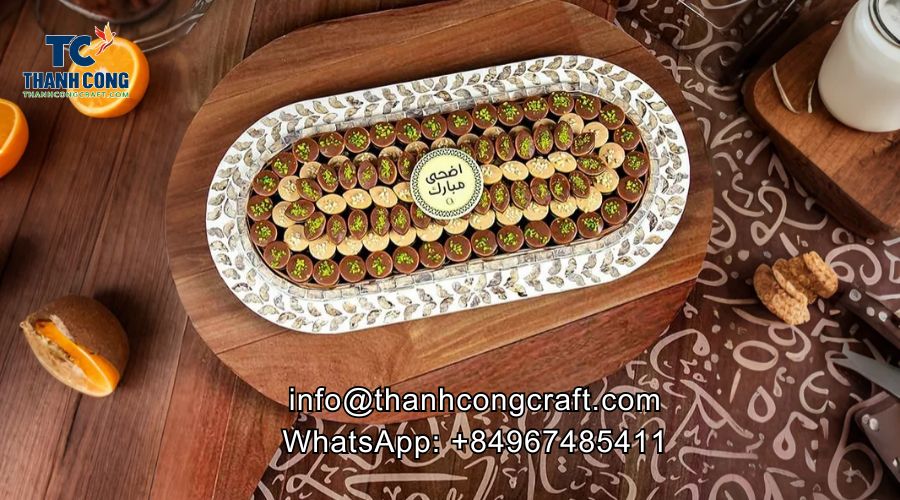
2. How Mother Of Pearl Enhances Perceived Prestige in Chocolate and Dates Gifting
Mother of pearl luxury gifting enhances chocolate and dates presentation by introducing a material language associated with refinement and generosity. Its natural iridescence creates depth and visual movement, which aligns with regional preferences for richness rather than restraint.
Unlike flat or opaque materials, mother of pearl reacts to light and environment. This dynamic quality subtly reinforces the idea of abundance, making the presentation feel elevated without relying on overt decoration. As a result, the food appears more valuable simply through association.
From a buyer’s perspective, this perceived prestige matters because gifting is often evaluated emotionally rather than rationally. A well-presented gift signals effort, intention, and understanding of cultural expectations. Mother of pearl communicates these cues intuitively.
However, prestige is not created by material alone. Overuse, excessive ornamentation, or poor craftsmanship can undermine its effect. In practice, successful applications balance visual richness with controlled design, allowing the material to speak without overwhelming the gift.
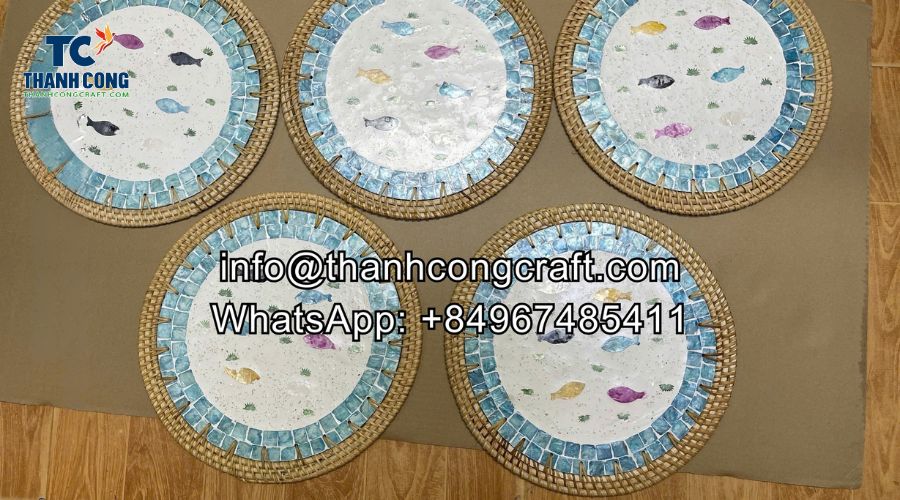
3. Why Mother Of Pearl Fits Ceremonial Chocolate and Dates Presentation Better Than Everyday Use
Mother of pearl luxury gifting performs best in ceremonial contexts rather than daily consumption scenarios. Chocolate and dates presented during Ramadan, Eid, weddings, or formal business visits require objects that feel timeless and respectful. Mother of pearl naturally fulfills this requirement.
Its decorative nature positions it as a presentation layer rather than a direct food-contact surface. In many cases, chocolates or dates are wrapped, boxed, or placed in inner containers, while mother of pearl trays or boxes serve as the outer symbolic frame. This layered approach aligns with both hygiene standards and cultural expectations.
In contrast, everyday serving often prioritizes ease of cleaning, storage efficiency, and casual use. Materials optimized for daily handling may not convey the same level of intention or formality. Therefore, mother of pearl is most effective when used selectively for moments that justify elevated presentation.
From a production standpoint, understanding this distinction helps avoid misuse. Treating mother of pearl as an everyday material can dilute its perceived value, whereas positioning it within ceremonial use preserves its premium role.
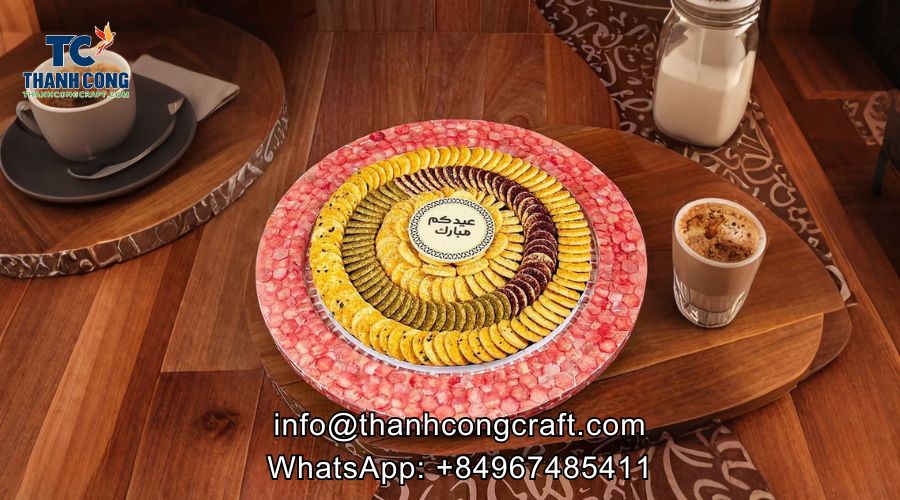
4. How Mother Of Pearl Supports Long-Term Display After Food Consumption
Mother of pearl luxury gifting aligns strongly with Middle Eastern preferences for objects that remain relevant beyond their initial purpose. After chocolates or dates are consumed, the presentation object often transitions into a display or hospitality role.
Trays, boxes, or decorative pieces made with mother of pearl are commonly reused during gatherings or displayed in living spaces. This continued presence reinforces the original gifting gesture, extending its emotional and symbolic lifespan. As a result, the gift feels more substantial than consumable-only alternatives.
From a sustainability perspective, longevity plays a crucial role in luxury perception. While recyclable packaging is valued, an object that remains useful and visually appealing for years often feels more responsible than short-lived solutions. Mother of pearl supports this perception through its resistance to fading and enduring aesthetic quality.
Nevertheless, long-term value depends heavily on craftsmanship. Poor construction, uneven inlay, or weak structural design can negate the advantages of the material. Therefore, execution quality remains critical to maintaining perceived value.
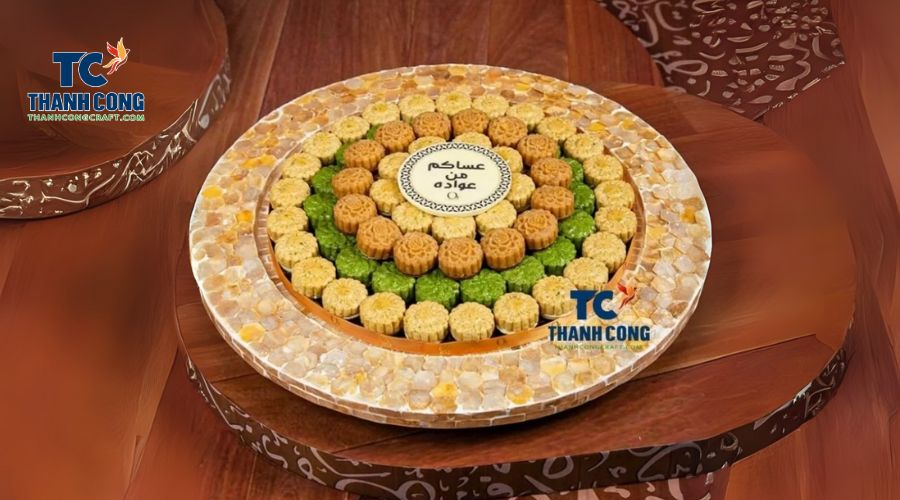
5. How Middle Eastern Chocolate and Dates Gifting Differs From US and EU Norms
Mother of pearl luxury gifting occupies a different role in the Middle East compared to Western markets. In the US, chocolate gifting often emphasizes convenience, portioning, and lifestyle compatibility. Presentation is typically secondary to brand recognition and ease of use.
In EU markets, particularly those influenced by minimalism or heritage craftsmanship, luxury is often expressed through subtlety. Decorative materials are used sparingly, and excessive visual richness may be perceived as unnecessary. As a result, mother of pearl tends to appear as an accent rather than a central feature.
In contrast, Middle Eastern gifting culture values material presence and visual generosity. Chocolate and dates are expected to be presented in a way that reflects hospitality, respect, and status. Mother of pearl aligns naturally with these expectations, making it more than decorative—it becomes integral to the gifting experience.
These contrasts demonstrate why successful gifting strategies must adapt to regional value systems. A material’s effectiveness depends not only on quality but also on cultural context.
Learn more about: Why Use Mother of Pearl Spoon for Caviar ?
Reach out to us today to learn more about our products or to place a wholesale order. We look forward to connecting with you!
- Thanh Cong Handicraft Co., Ltd
- Email: [email protected]
- Tel/WhatsApp: +84967485411
Explore our Products Collection for more choices! Contact Us!


