

Water Hyacinth Products are becoming one of the most in-demand natural materials in décor, storage, and eco-friendly manufacturing. This article explains whether they are truly durable, how they perform over time, and why many global brands prefer them for long-term use. With a technical yet accessible approach, this guide also provides proof-based insights for wholesalers, designers, and retailers sourcing directly from craft manufacturers.
Contents
- 1. Water Hyacinth Products Durability Overview
- 2. What Makes Water Hyacinth Products Long-Lasting?
- 3. Durability Tests: How Water Hyacinth Performs Over Time
- 4. How to Maintain Water Hyacinth Products for Maximum Longevity
- 5. Why Water Hyacinth Products Are a Durable Choice for Retail & Wholesale Markets
1. Water Hyacinth Products Durability Overview
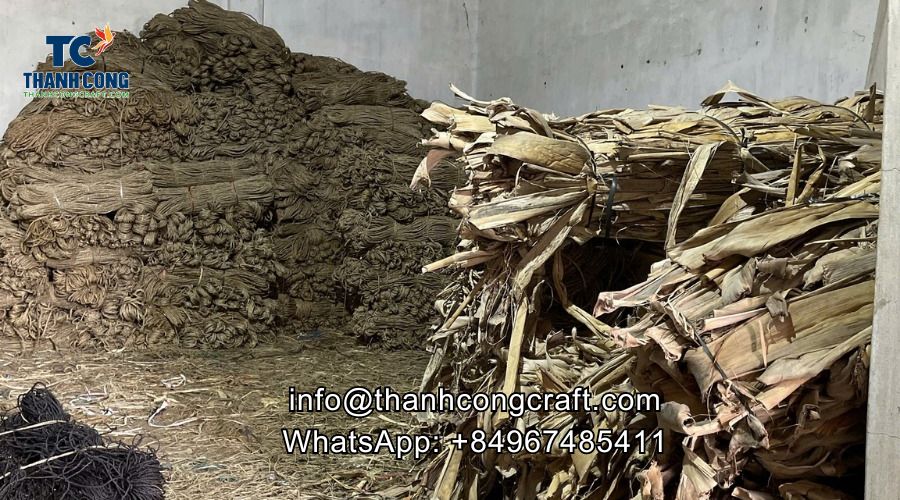
Water Hyacinth Products are widely known for their impressive durability thanks to the fiber’s natural density, high tensile strength, and stable structure after drying. Although the plant grows rapidly in water, its dried fibers transform into a surprisingly resilient material suitable for heavy-duty items such as baskets, trays, placemats, storage hampers, ottomans, and even small furniture.
Because the fibers are tightly woven, they can withstand daily use while maintaining structural stability. Moreover, artisans apply traditional weaving techniques that increase flexibility, reduce breakage, and improve lifespan. Consequently, these products perform exceptionally well in indoor environments when kept under proper humidity control.
1.1. Fiber Strength and Structure
Although lightweight, dried water hyacinth fibers have a remarkable density. Additionally, the interwoven strands create a reinforced surface that distributes pressure evenly. Therefore, products made from these fibers rarely deform under normal household conditions.
1.2. Flexibility and Shock Resistance
Because the fibers retain natural elasticity, the material can handle bending, stacking, and frequent movement. Furthermore, this flexibility reduces cracking over time, making it especially ideal for wholesale buyers who require products that survive international shipping and warehouse handling.
1.3. Moisture Behavior
Water hyacinth fibers absorb humidity naturally. As a result, the material can maintain shape if kept in controlled, moderate humidity. However, exposure to excessive dampness may cause softening or slight color changes. Nevertheless, proper storage and mild finishing oils prevent moisture-related issues effectively.
Explore more posts on: How to Color Your Water Hyacinth Baskets for a Fresh Look
2. What Makes Water Hyacinth Products Long-Lasting?
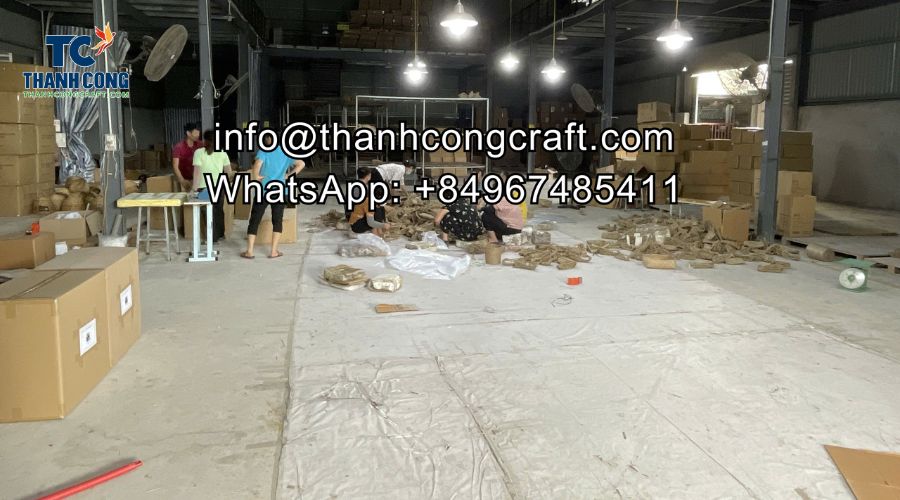
Water Hyacinth Products achieve durability due to several material and production factors. In fact, their long-term performance depends on harvesting technique, fiber processing, weaving density, and finishing treatment.
2.1. Responsible Harvesting for Fiber Quality
Since only mature stems contain strong fibers, skilled harvesters select plants at the optimal growth stage. Because this timing ensures fiber stability, the resulting products become more resistant to daily wear.
2.2. Natural Drying & Sun-Curing
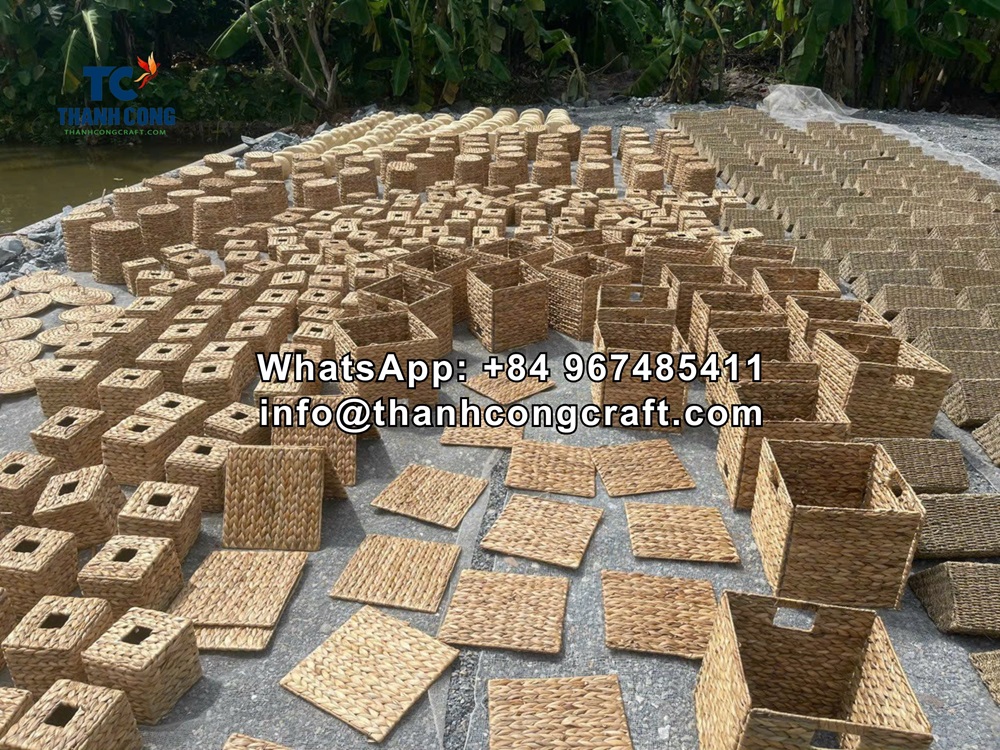
Drying is one of the most important steps. After harvesting, fibers are sun-cured for several days. As a result, moisture evaporates naturally without weakening the fibers. Furthermore, extended sun exposure strengthens the internal cellulose structure, making each strand harder and more durable.
2.3. Weaving Techniques that Improve Lifespan
Artisans use techniques such as:
-
Spiral braiding
-
Tight coil weaving
-
Multi-layer base reinforcement
-
Double-stitched edges
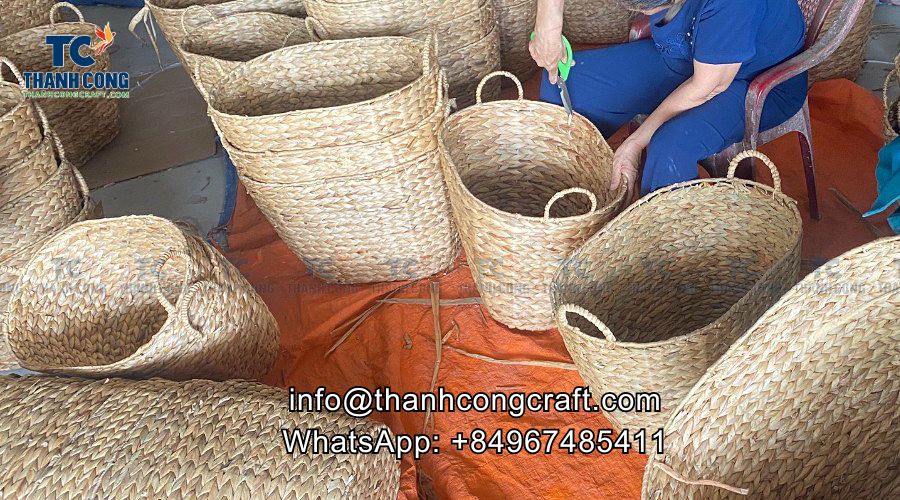
These methods distribute tension evenly and protect the product from premature fraying. Additionally, high-density weaving prevents gaps, helping the item keep its original shape over the years.
2.4. Protective Finishing Coatings
After weaving, artisans may apply natural oils or water-based protective coatings. Consequently, this finishing layer improves resistance to dust, humidity, and minor scratches. Although finishing varies by manufacturer, reputable exporters maintain strict quality checks to ensure consistent performance.
See more on: 5 Creative Ways to Use Water Hyacinth Baskets at Home
3. Durability Tests: How Water Hyacinth Performs Over Time
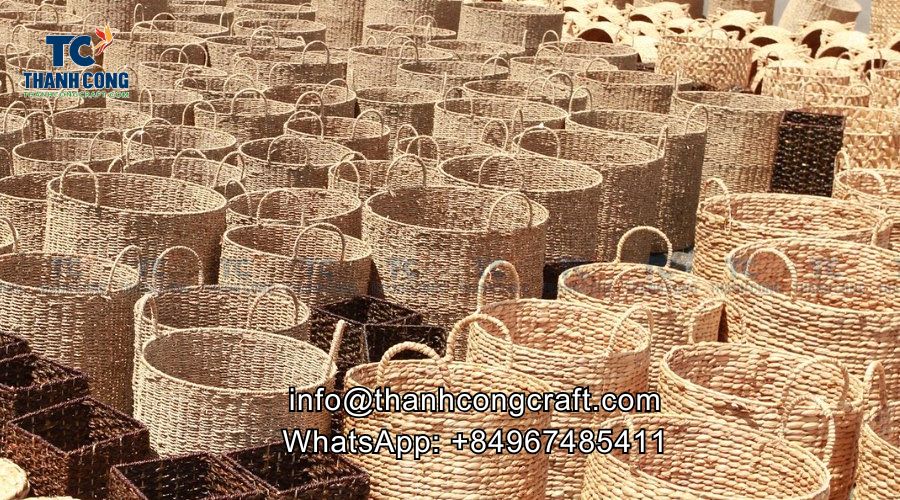
Water Hyacinth Products undergo various tests to evaluate performance, especially for wholesale export markets. Moreover, global retailers require standardized test results to ensure the products meet international expectations.
3.1. Weight Load Testing
Most baskets, hampers, and trays are tested with increasing weights until deformation occurs. Typically, high-quality water hyacinth baskets can support:
-
10–25 kg for medium storage baskets
-
25–40 kg for laundry hampers
-
5–10 kg for trays and decorative baskets
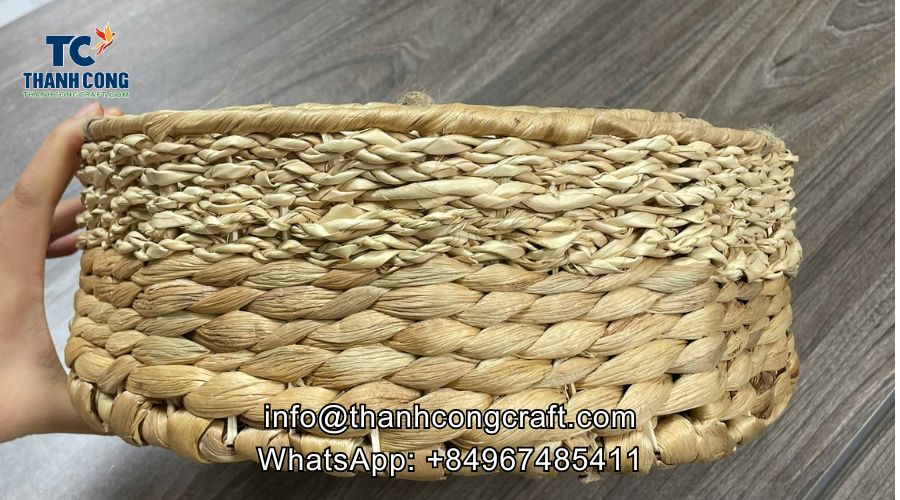
This proves that the material is strong enough for everyday home storage.
3.2. Drop & Shock Resistance
Because wholesale shipments involve long transit times, exporters test shock resistance. When dropped from standard warehouse shelf height, high-density woven products retain shape without cracking. Additionally, reinforced rims significantly reduce structural damage.
3.3. Humidity & UV Exposure Testing
Humidity chambers simulate tropical, desert, and temperate climates. Although slight texture softening may occur in extremely humid environments, properly dried fibers remain stable. Furthermore, UV tests show that color fading is minimal when products are kept away from direct sunlight for long periods.
3.4. Mold Resistance Performance
When stored correctly with adequate ventilation, water hyacinth naturally resists mold because the fibers are fully dried. However, prolonged exposure to enclosed damp spaces may encourage mold development. Therefore, exporters often use anti-mold stickers during container shipping.
See our posts: Comparing Similarities And Differences Between Water Hyacinth vs Rattan
4. How to Maintain Water Hyacinth Products for Maximum Longevity
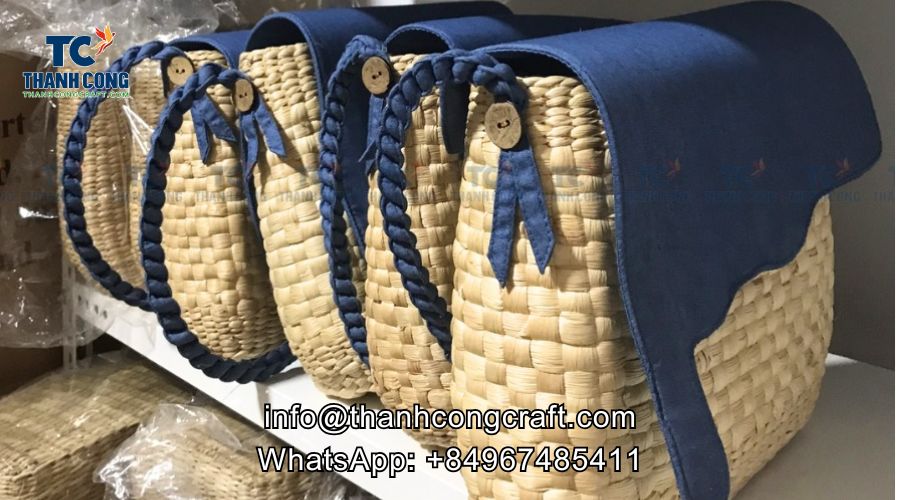
Water Hyacinth Products can last many years with proper care. Although the material is naturally strong, maintenance practices significantly impact lifespan, especially in humid or dry environments.
4.1. Correct Cleaning Techniques
Use a soft brush or dry cloth to remove dust. Moreover, regular cleaning prevents dirt buildup that may cause discoloration. If necessary, a slightly damp cloth may be used, but products must dry completely afterward.
4.2. Humidity Control at Home or Warehouse
To ensure long-term durability:
-
Keep items in 40%–60% humidity
-
Avoid storing in damp, enclosed spaces
-
Ensure airflow around stacked products
Although water hyacinth tolerates humidity better than many natural materials, balanced moisture is essential.

4.3. Avoid Direct Sunlight
Because UV exposure causes gradual fading, store or display products away from prolonged direct sunlight. Retailers using bright window displays should rotate items regularly.
4.4. Using Natural Oils for Protection
Applying a thin layer of natural oil once every six months helps:
-
Maintain natural color
-
Prevent cracking
-
Increase overall flexibility
Coconut oil or boiled linseed oil is commonly used for gentle conditioning.

4.5. Best Storage Practices for Wholesalers
Wholesalers should:
-
Use desiccant packs in containers
-
Ventilate warehouses
-
Keep distance between stacks
-
Use pallets for elevation
Although these methods seem simple, they significantly extend product life, especially during long shipping cycles.

5. Why Water Hyacinth Products Are a Durable Choice for Retail & Wholesale Markets
Water Hyacinth Products are trusted worldwide because they combine durability, sustainability, and attractive design. For retailers and wholesalers, they offer strong value, consistent performance, and high customer appeal.
5.1. Strong Performance in Everyday Use
Water hyacinth is naturally dense and flexible, allowing baskets, hampers, and trays to maintain shape even with frequent loading. The woven structure distributes weight evenly, reducing deformation over time. Because of this stability, both households and retailers appreciate how well the products hold up during daily handling and repeated use.
5.2. Sustainable Material with Consistent Craftsmanship
The material grows quickly and is harvested sustainably, helping control invasive waterways. This makes it an eco-friendly choice for brands. At the same time, skilled artisans in Vietnam and Southeast Asia maintain consistent weaving quality, reinforced rims, and balanced tension. These factors allow the products to ship well, store safely, and support long-distance wholesale logistics.
See more: Water Hyacinth Furniture: Eco Trend Transforming Modern Home
Reach out to us today to learn more about our products or to place a wholesale order. We look forward to connecting with you!
- Thanh Cong Handicraft Co., Ltd
- Email: [email protected]
- Tel/WhatsApp: +84967485411
Explore our Products Collection for more choices! Contact Us!


