

Mother of pearl colors are one of nature’s most enchanting displays of artistry. Found in the inner layer of certain mollusk shells, mother of pearl—also known as nacre—displays a natural iridescence that changes as light moves across its surface. For centuries, artisans and designers have treasured it for luxury furniture, jewelry, and décor.
In this article, we’ll explore how these colors are formed, the science behind their luminous glow, and how the variety of shades connects tradition, sustainability, and global trade. You’ll also discover how artisans in Vietnam and other regions bring out these hues through responsible sourcing and handcraft techniques that have captivated international buyers.
Contents
- 1. Understanding Mother of Pearl Colors and Their Origins
- 2. Factors That Influence the Range of Mother of Pearl Colors
- 3. How Artisans Use Mother of Pearl Colors in Modern Craftsmanship
- 4. Symbolism and Cultural Meaning of Mother of Pearl Colors
- 5. The Future of Mother of Pearl Colors in Sustainable Design
1. Understanding Mother of Pearl Colors and Their Origins
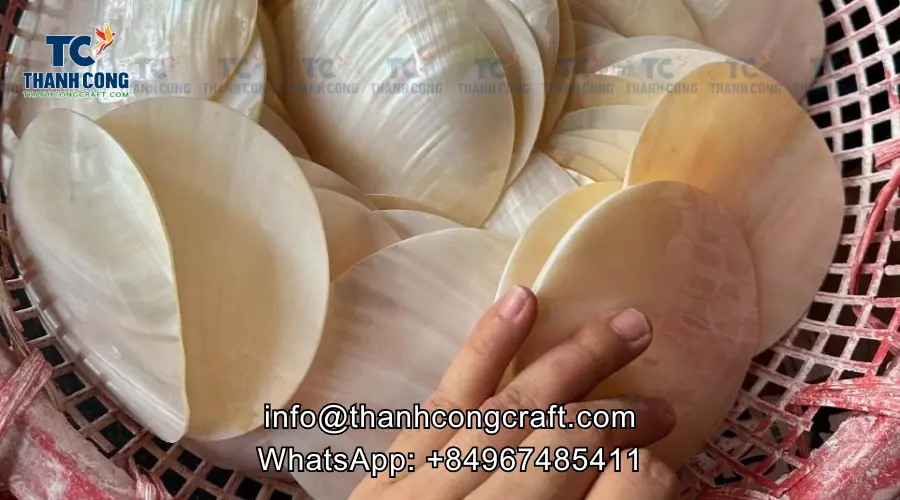
Mother of pearl colors come from a fascinating interaction between light and microscopic structures inside mollusk shells. Each layer of nacre is made of calcium carbonate and conchiolin (a natural protein). When light passes through these layers, it refracts and reflects multiple times, creating the unique rainbow shimmer known as iridescence.
The most common shades include white, cream, and ivory, but rare specimens can display pink, blue, green, or even golden overtones. These natural differences depend not only on species but also on water quality, diet, and habitat temperature.
For example:
-
Oysters from cooler waters (like Japan or Australia) tend to produce nacre with silvery, pastel tones.
-
Shells from tropical zones such as Vietnam, the Philippines, or Indonesia exhibit stronger pinks, greens, and golds.
This makes mother of pearl an ideal material for eco-conscious luxury brands seeking natural variety without synthetic coloring.
Read more about: Why Use Mother of Pearl Spoon for Caviar ?
2. Factors That Influence the Range of Mother of Pearl Colors
2.1 Species of Mollusk
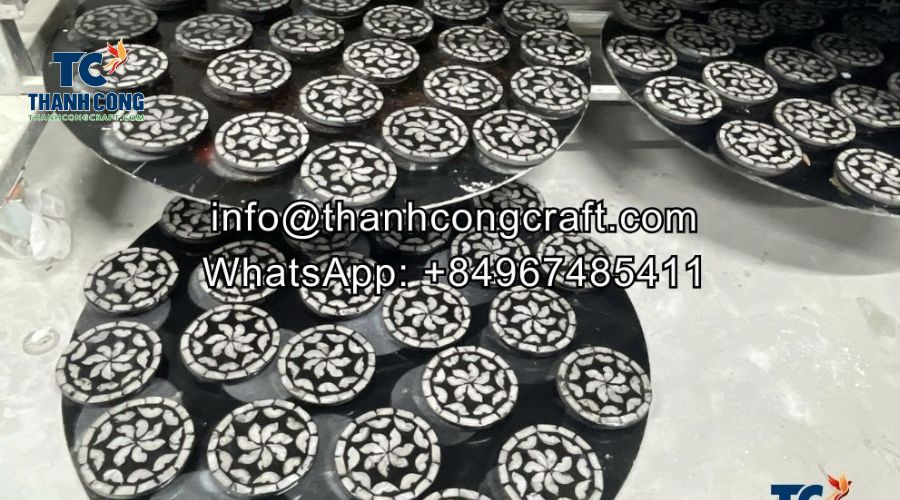
Different mollusk species produce distinct hues. The Pinctada maxima, known as the South Sea pearl oyster, often yields nacre with silvery-white or champagne-gold colors. The Haliotis iris, or New Zealand abalone, showcases deep blues and greens, sometimes mixed with violet tones. Meanwhile, Turbo marmoratus shells offer rich emerald or olive-green nacre, frequently used in inlay furniture exported from Vietnam.
Because no two shells are alike, artisans must carefully select and match pieces when creating mosaics or decorative patterns. This attention to detail defines the craftsmanship behind high-end mother of pearl trays, boxes, and mirrors.
2.2 Environmental Conditions
The surrounding environment significantly shapes nacre tone. Minerals, salinity, and temperature influence crystal structure within each layer. For instance, warmer and mineral-rich waters produce thicker nacre plates that refract more color, resulting in warmer pink or gold tones.
In contrast, oysters in cooler, low-mineral waters create thinner nacre layers, reflecting pale blue or silver light. This is why Vietnamese coastal waters—rich in calcium and sunlight—produce nacre renowned for its warm, creamy shimmer ideal for decorative export goods.

2.3 Age and Natural Treatment
Age also matters. Older mollusks form more layers, deepening color intensity. However, once harvested, mother of pearl colors can fade slightly if not properly treated. To preserve natural luster, artisans apply thin coatings of natural oil, beeswax, or resin.
Unlike synthetic finishes, these organic protectants maintain the original iridescence and prevent oxidation. Some workshops in northern Vietnam have perfected a technique that uses gentle heat and coconut oil to enhance tone naturally without chemical dyes—a process now sought after by eco-conscious retailers in Europe.
Learn how: How to Clean Mother of Pearl Spoon Without Damaging Its Shine
3. How Artisans Use Mother of Pearl Colors in Modern Craftsmanship
3.1 Furniture and Inlay Art
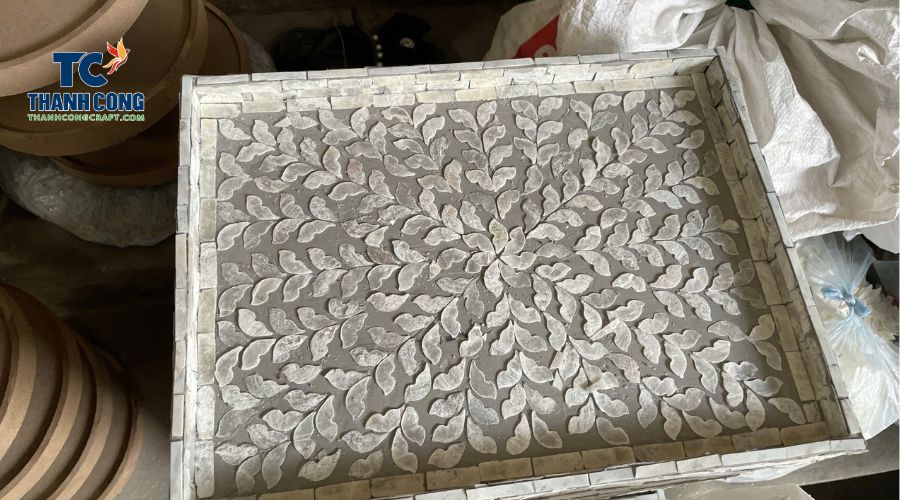
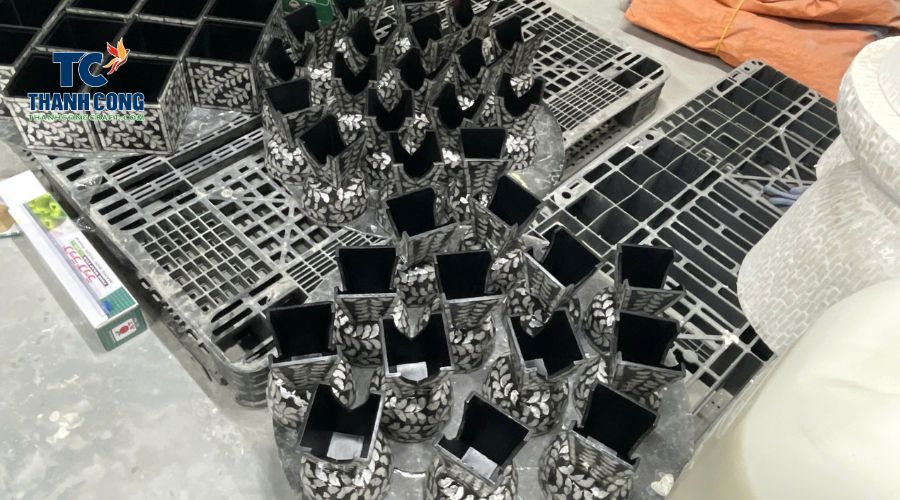
Mother of pearl colors have been used in Asian craftsmanship for centuries, especially in Vietnam’s northern provinces like Ha Nam and Nam Dinh, where artisans skillfully embed nacre into solid wood furniture. The interplay between dark rosewood and glowing nacre creates an effect of depth and luxury.
Today, global interior designers rediscover this ancient art, using mother of pearl inlaid furniture for modern settings — console tables, decorative panels, or headboards. Bright ivory nacre suits Scandinavian interiors, while golden tones resonate in Middle Eastern palaces and luxury hotels.

3.2 Jewelry and Accessories
The jewelry industry thrives on the versatility of mother of pearl colors. While traditional white nacre remains popular, modern brands mix pastel, green, or gold tones into contemporary designs. Large nacre pieces are carved into pendants, while smaller fragments accent earrings or bracelets.
Fashion brands in Paris and Milan pair silver accessories with soft ivory nacre for timeless elegance. Meanwhile, in Dubai and Doha, warm pink or champagne tones dominate, reflecting regional preferences for luminous, sunlit hues.
Manufacturers often laminate thin layers of nacre onto recycled brass or bamboo bases, creating lightweight, eco-friendly jewelry — a growing trend among young consumers who value sustainability.
3.3 Home Décor and Tableware
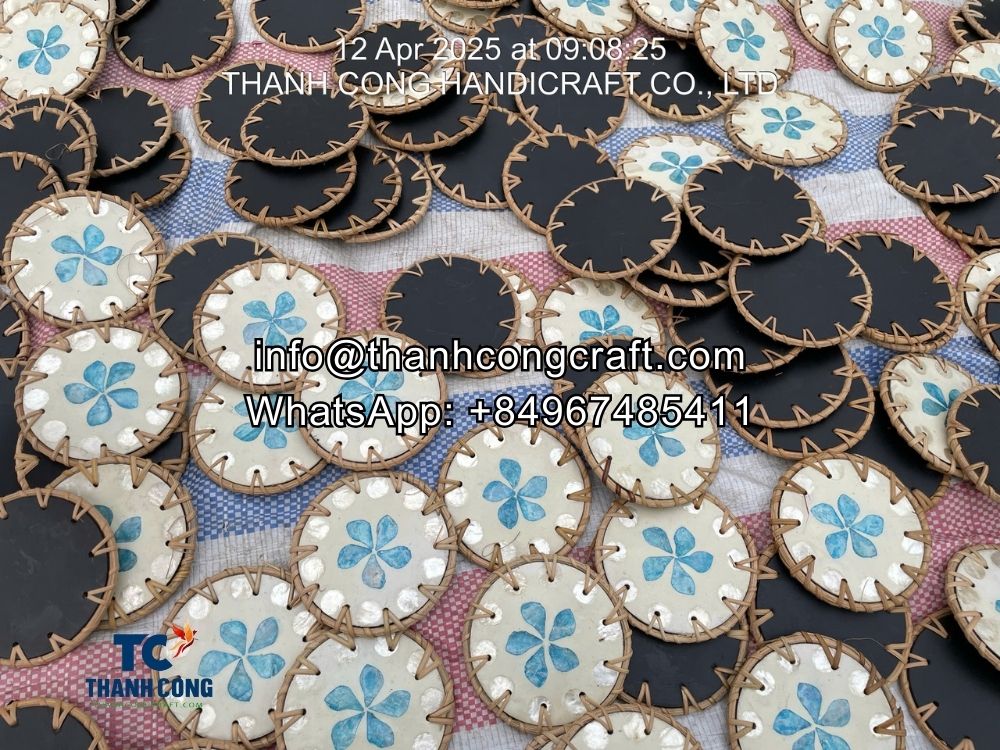
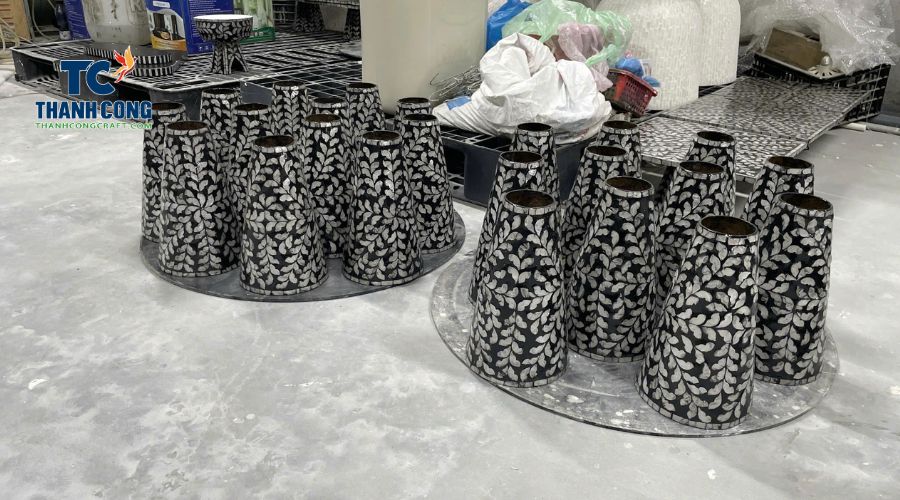
Beyond furniture and jewelry, mother of pearl colors elevate everyday products like trays, coasters, photo frames, and mirrors. Designers mix pieces from different shells to form mosaics that sparkle under natural light.
In Europe and North America, buyers favor minimalist tones — white and grey — while Asia and the Middle East love multi-colored designs with green and gold accents. These aesthetic preferences guide exporters in Vietnam and the Philippines to create region-specific product lines for international trade fairs.
Explore our posts: Mother of Pearl Trays for Hotels – Why Resorts Prefer Them

4. Symbolism and Cultural Meaning of Mother of Pearl Colors
4.1 Traditional Symbolism
Across cultures, mother of pearl colors symbolize purity, calm, and divine beauty. In East Asian tradition, white nacre embodies balance and wisdom, often used in Buddhist altars or royal artifacts.
In Europe during the Renaissance, mother of pearl represented virtue and light. Nobles decorated religious icons and jewelry with it as a symbol of peace and prosperity. Middle Eastern artisans, especially in Syria and Iran, valued it for its ability to reflect eternal light — a metaphor for spiritual enlightenment.
4.2 Cultural Relevance in Modern Markets
Today, these meanings still influence consumer behavior. Western buyers associate lighter nacre tones with simplicity and minimalism, while Asian and Middle Eastern buyers value vibrant or golden shades for their connection to wealth and celebration.
This understanding allows exporters to tailor product color palettes to market preferences. For instance, white and grey tones dominate Scandinavian interior design catalogs, while gold and green mosaics are in high demand in Dubai’s luxury retail market.
Discover our posts: Mother of Pearl Stools – Import from Vietnam Buyer’s Guide
5. The Future of Mother of Pearl Colors in Sustainable Design
5.1 Eco-Friendly Sourcing and Material Innovation
As sustainability becomes a global requirement, the mother of pearl colors industry is transforming. Responsible artisans now use shells sourced from seafood by-products rather than harvesting live mollusks. This not only reduces waste but also promotes coastal ecosystem balance.
Vietnamese manufacturers lead this movement by partnering with local fisheries to repurpose shells into luxury décor. Every piece of nacre used in inlay or jewelry supports a circular economy — giving new life to materials that would otherwise be discarded.
Additionally, innovators are developing bio-composite panels that mix crushed nacre with biodegradable resins, creating sustainable alternatives for architectural surfaces. This allows designers to achieve the natural iridescence of mother of pearl without compromising strength or scalability.
5.2 Expanding Global Demand
International buyers are increasingly drawn to the authenticity of mother of pearl colors. In luxury retail, “natural origin” now equals exclusivity. Designers in London and New York highlight nacre’s organic shimmer as a counterpoint to synthetic luxury.
Vietnam’s exports of mother of pearl inlaid items have risen sharply, fueled by growing interest in eco-luxury craftsmanship. Retailers in Europe appreciate its traceability and environmental story — proof that beauty can coexist with responsibility.
In the next decade, as sustainability certifications become mandatory, producers who combine eco-friendly sourcing with authentic color preservation will define the global standard for ethical shell craftsmanship.
Reach out to us today to learn more about our products or to place a wholesale order. We look forward to connecting with you!
- Thanh Cong Handicraft Co., Ltd
- Email: [email protected]
- Tel/WhatsApp: +84967485411
Explore our Products Collection for more choices! Contact Us!


