

Mother of pearl real or fake is a common concern among buyers, especially in luxury and craft markets. This article reveals five expert tips from Vietnam’s seasoned craft specialists, who have over 20 years of experience in authenticating and working with mother of pearl. Whether you’re a B2B buyer or a crafts enthusiast, these insights will help you distinguish genuine nacre from imitations, ensuring your purchases hold true value and quality.
Contents
1. Understanding Mother of Pearl Real or Fake: The Basics
Mother of pearl real or fake? This question often arises due to the popularity and high value of mother of pearl in luxury handicrafts, jewelry, and decorative items. Genuine mother of pearl, also known as nacre, is the iridescent inner shell layer produced naturally by mollusks. Its unique shimmer and layered composition give it a visual depth that is difficult to replicate by synthetic materials.
Vietnam, with its rich craft heritage, is a major source of authentic mother of pearl products. The country’s artisans have perfected the craft of working with nacre, from delicate inlays in furniture to intricate jewelry pieces. However, the market is also flooded with fake or imitation mother of pearl made from plastics, resins, or coated synthetic materials designed to mimic the natural sheen.
Knowing the difference between mother of pearl real or fake is essential for buyers to avoid losing money on inferior goods and to maintain product integrity in their business dealings.
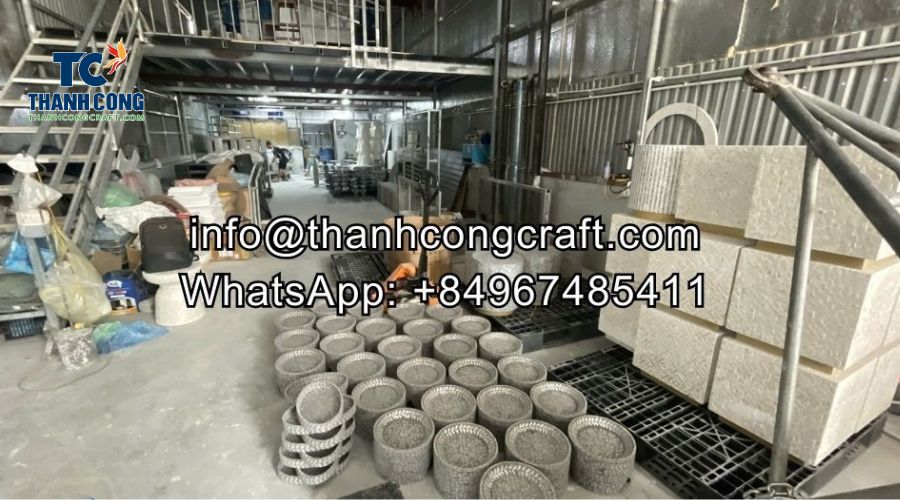
1.1 What Is Genuine Mother of Pearl?
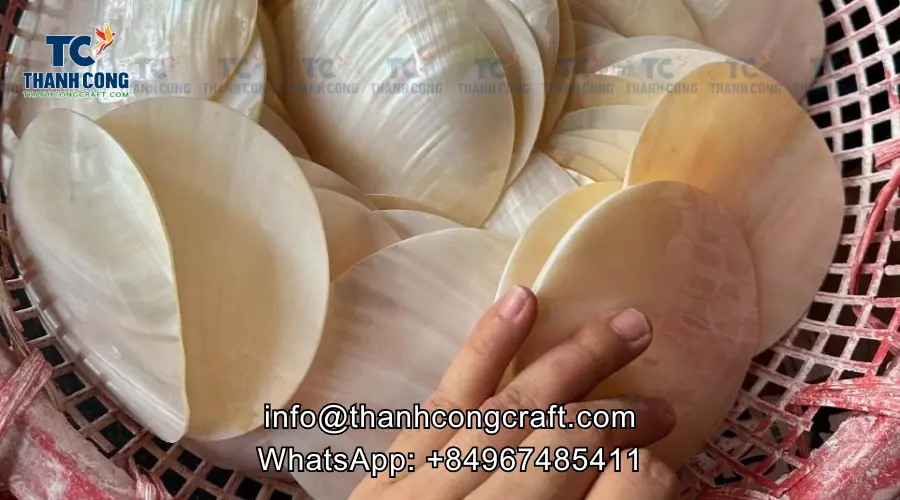
Genuine mother of pearl is made up of millions of microscopic aragonite platelets arranged in a brick-like structure, held together by a protein matrix. This biological formation is responsible for its characteristic iridescence and strength. Real nacre feels cool to the touch, exhibits natural depth and shifting colors, and often has slight imperfections that prove its natural origin.
1.2 Common Types of Fake Mother of Pearl
Imitation mother of pearl can be produced from plastic, acrylic, glass, or even painted materials. Some fakes use a thin veneer of real nacre glued over cheaper bases. Others rely on reflective coatings or paints that give a pearly look but lack the layered depth and durability of real mother of pearl.
Explore more: Abalone vs Mother of Pearl: Best Shell Inlay for Luxury Products
2. Five Expert Tips to Spot Mother of Pearl Real or Fake
Vietnamese craft experts have developed practical methods over decades to distinguish authentic nacre from imitations. Here are five essential tips you can use when evaluating mother of pearl products.
2.1 Examine the Surface Iridescence Closely
Mother of pearl real or fake can often be detected by studying the surface under good lighting. Real nacre shows a complex, multi-colored shimmer that changes with the viewing angle. The colors seem to move and shift dynamically. Fake mother of pearl tends to have a flatter, more uniform sheen that looks painted or artificial.
2.2 Feel the Texture and Temperature
Run your fingers over the surface. Genuine mother of pearl feels smooth but with a slight natural grain and subtle irregularities due to its biological origin. It is also cool to the touch and warms slowly. Fake materials may feel too smooth, plasticky, or warm immediately.

2.3 Check for Weight and Thickness
Real mother of pearl is denser and heavier than synthetic counterparts. If the piece feels unusually light or the thickness seems inconsistent, it might be fake or backed by plastic or resin. Skilled Vietnamese artisans ensure that mother of pearl inlays maintain a balanced thickness to highlight the natural layers.
2.4 Use a Light Test for Transparency and Depth
Holding the piece up to light helps reveal its authenticity. Genuine mother of pearl often shows slight translucency with layered depth, whereas fake versions appear opaque or have an unnatural glow. This test is widely used in Vietnamese craft villages to verify raw materials before crafting.
2.5 Look for Natural Imperfections and Variations
Mother of pearl real or fake is also distinguishable by its imperfections. Real nacre contains small pits, ridges, and subtle color variations that no machine-made imitation can reproduce perfectly. Vietnamese master craftsmen often celebrate these “flaws” as signs of authenticity and natural beauty.
Read more about: Custom Coasters: How to Make Stylish Table Decor in 5 Easy Steps
3. Why Authenticity Matters in the Luxury Craft Industry
3.1 Impact on Product Value and Brand Reputation
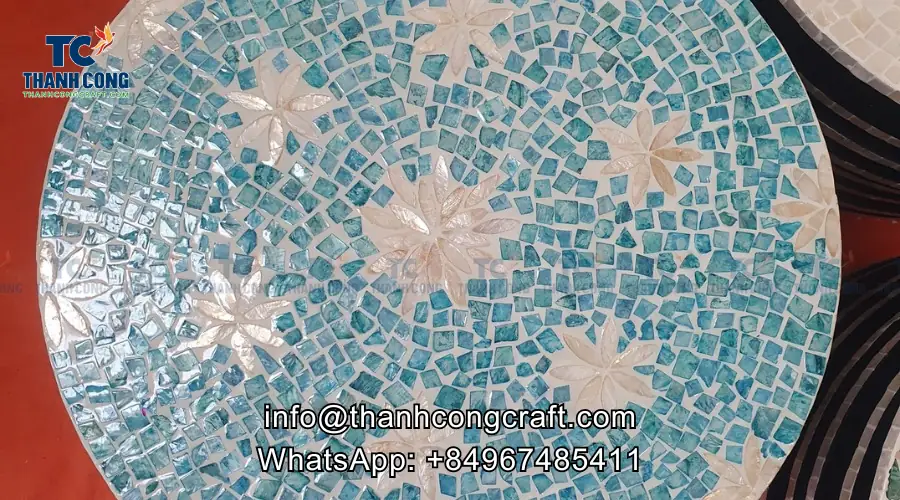
Using genuine mother of pearl enhances product value, consumer trust, and brand prestige. For B2B buyers in luxury sectors, authenticity is crucial for maintaining a competitive edge and complying with ethical sourcing standards. Vietnam’s craftsmanship is highly regarded globally, making authentic materials a hallmark of quality.
3.2 Durability and Longevity Benefits
Mother of pearl real or fake products vary widely in durability. Real nacre is resilient, resistant to scratching, and ages gracefully, while fakes can degrade quickly, losing their shine and structural integrity. For long-lasting luxury goods, authenticity is non-negotiable.
3.3 Ethical Considerations and Consumer Demand
Sustainability and ethical sourcing are driving forces in today’s market. Genuine mother of pearl is often a byproduct of mollusk harvesting with strict environmental controls in Vietnam, whereas fake alternatives contribute to waste and pollution. Meeting consumer expectations for responsible luxury means choosing authentic materials.
4. How Vietnam’s Craft Industry Ensures Mother of Pearl Authenticity
4.1 Traditional Techniques for Material Selection
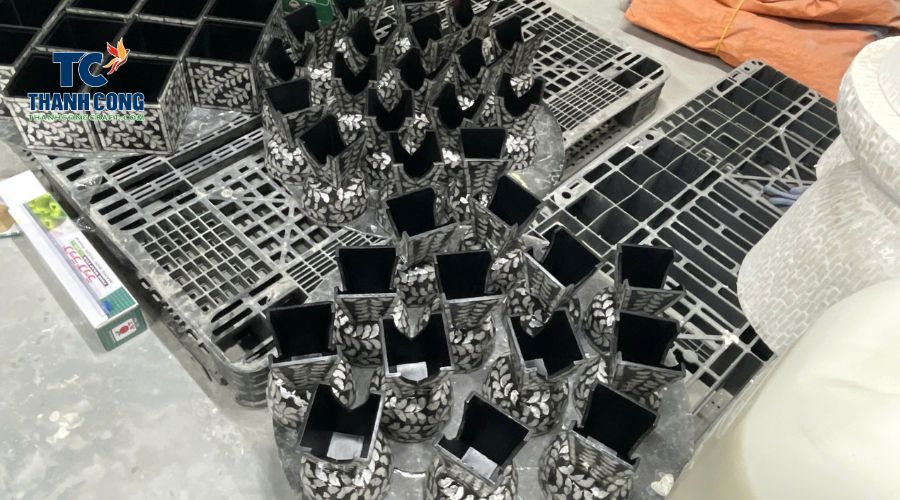
Vietnamese artisans rely on hands-on knowledge passed through generations to select and prepare mother of pearl. They visually inspect raw nacre sheets, test physical properties, and ensure material purity before starting production.
4.2 Modern Tools and Certifications
In addition to traditional methods, Vietnamese craft companies employ advanced tools such as microscopes and UV light tests to verify authenticity. Certifications and traceability systems also help assure buyers that their products use genuine materials.
4.3 Collaboration with Sustainable Fisheries
Vietnam’s mother of pearl industry partners with sustainable fisheries that adhere to strict harvesting quotas, minimizing environmental impact and supporting local ecosystems. This responsible approach enhances the authenticity and story behind each product.
5. Practical Tips for Buyers: Avoiding Fake Mother of Pearl
5.1 Choose Trusted Suppliers
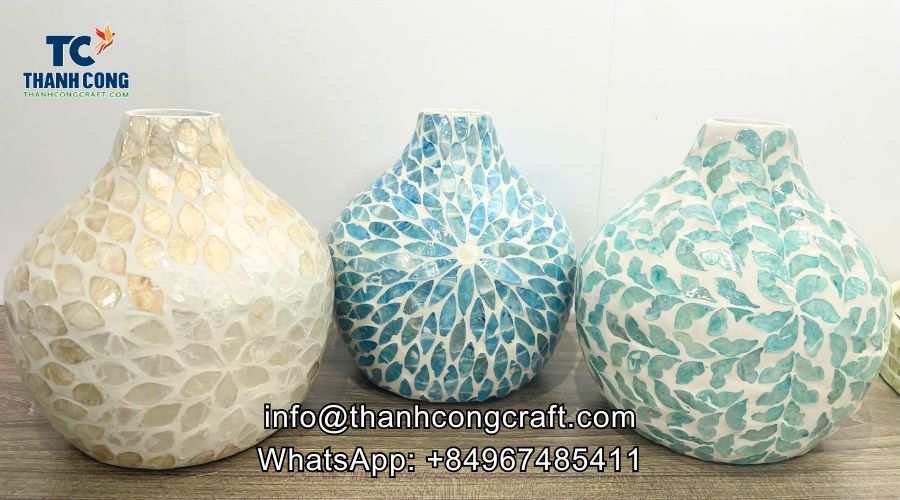
When purchasing mother of pearl, partnering with established and transparent suppliers reduces the risk of counterfeit materials. Companies with proven track records, like Thanh Cong Handicraft, offer product certifications and thorough quality control processes. Buying from reputable sources helps ensure you receive authentic, high-quality shell inlays.
5.2 Examine Samples Carefully
Before large purchases, request detailed samples or product images that showcase nacre under different lighting. Genuine mother of pearl will reveal depth and iridescence that fake alternatives lack.
5.3 Understand Product Descriptions and Certification
Clear communication about the origin, treatment, and certification of mother of pearl products is key. Buyers should ask suppliers for transparency to distinguish genuine materials from artificial imitations. Some brands provide educational content to help clients identify real mother of pearl, which helps build trust.
Explore more: How to Preserve Mother-of-Pearl Inlay Trays During the Rainy Season
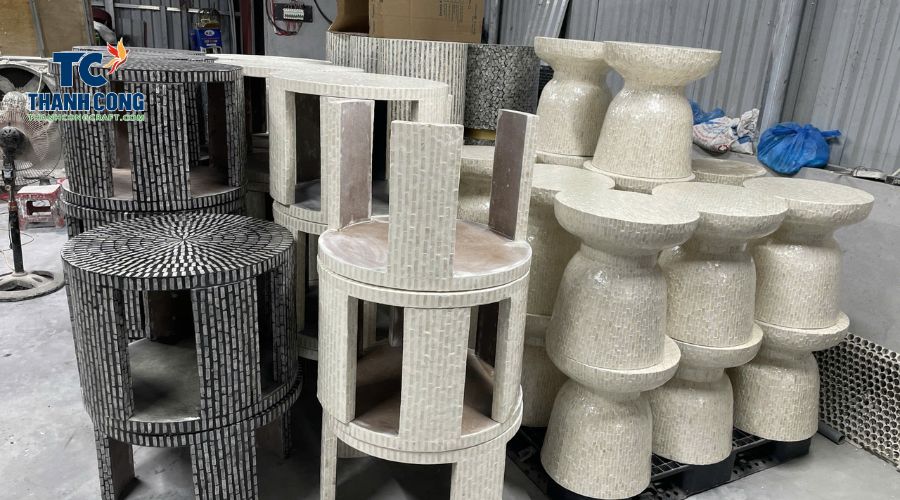
Reach out to us today to learn more about our products or to place a wholesale order. We look forward to connecting with you!
- Thanh Cong Handicraft Co., Ltd
- Email: [email protected]
- Tel/WhatsApp: +84967485411
Explore our Products Collection for more choices! Contact Us!


