

Price Negotiation Secrets with Vietnamese wholesalers are rarely shared openly, yet they define whether a sourcing deal becomes profitable or painful. This article uncovers little-known strategies that global buyers can apply immediately, from reading cultural signals to leveraging bulk order timing. Because Vietnam is now a manufacturing powerhouse for handicrafts, furniture, and eco-products, learning these secrets is essential for anyone looking to succeed in B2B sourcing.
Contents
1. Price Negotiation Secrets in the Vietnamese Trade Context
Price Negotiation Secrets only make sense when you first understand the Vietnamese business environment. Unlike Western negotiations, where terms may feel transactional, Vietnamese wholesalers blend relationships, trust, and subtle cultural cues into every deal. Therefore, buyers must recognize that the first quoted price is rarely final. In fact, it often serves as a starting point to test the seriousness and professionalism of the potential partner.
Moreover, negotiation is tied closely to long-term relationships. When wholesalers sense that a buyer is only chasing the lowest cost, they may deliberately reduce enthusiasm for collaboration. Conversely, when buyers demonstrate loyalty and interest in building a recurring business, suppliers respond with more favorable pricing and flexible terms. For this reason, understanding the underlying cultural framework is the foundation of every successful negotiation.
See more: Which Vietnamese Handicrafts Sell Best in the U.S. and Europe?

2. Price Negotiation Secrets Through Relationship Building
Price Negotiation Secrets become powerful when buyers recognize the importance of trust-building in Vietnam. Before discussing discounts, wholesalers often expect conversations about family, shared values, or even local food. These moments of connection create an atmosphere where asking for concessions feels natural rather than forced.
2.1 Respecting Cultural Etiquette
Buyers who understand cultural etiquette gain a real advantage. Simple acts—such as greeting in Vietnamese or showing interest in traditional craftsmanship—immediately elevate trust. Additionally, demonstrating patience rather than pushing aggressively signals respect, which wholesalers interpret as a commitment to partnership rather than a one-time purchase.
2.2 Using Small Test Orders as Proof
Another overlooked tactic is placing small test orders. Although this may seem like a minor step, suppliers interpret it as proof of seriousness. Once wholesalers see consistent repeat orders, they often lower prices without the buyer needing to push hard. Because actions speak louder than words, this strategy builds credibility while quietly shifting bargaining power.
Discover our post: Wholesale Price vs Small Order: Truth Every Importer Must Know
3. Price Negotiation Secrets in Timing and Volume
Price Negotiation Secrets also depend heavily on timing and order size. For instance, Vietnamese handicraft exporters face seasonal cycles driven by Christmas, Ramadan, and Lunar New Year demand. Buyers who place orders off-peak gain stronger leverage because suppliers are eager to keep production lines moving.
3.1 Bulk Orders as a Negotiation Lever
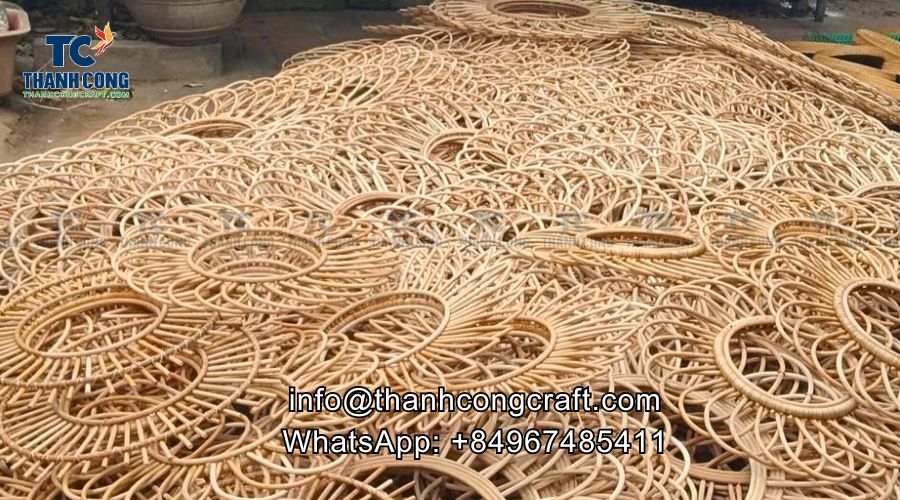
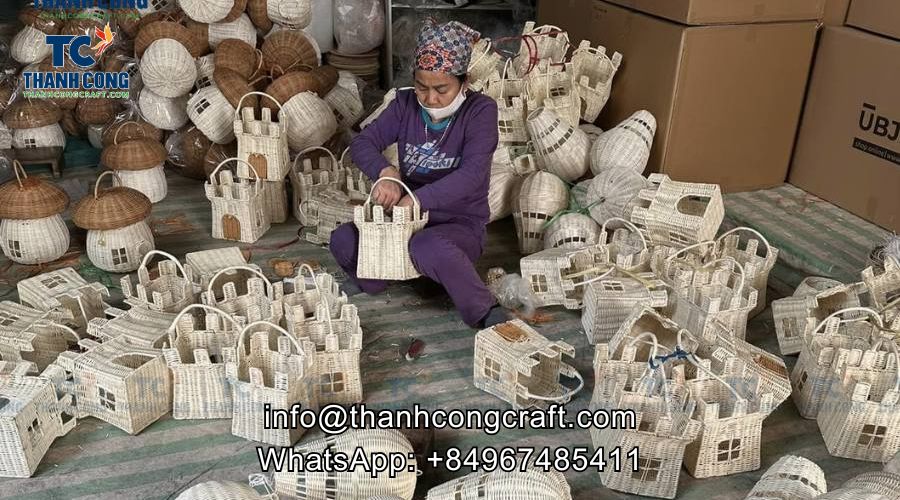
Wholesalers rarely reveal this, but bulk orders not only cut per-unit costs—they also grant buyers bargaining chips for extended credit terms or faster delivery. For example, committing to 5,000 rattan baskets rather than 500 creates economies of scale that both parties benefit from. Therefore, presenting wholesalers with consolidated orders strengthens your position during negotiations.
3.2 Smart Use of Payment Terms
Equally important, flexible payment arrangements can reduce costs significantly. Offering partial advance with the balance upon shipment lowers supplier risk. Since reduced risk often translates into lower prices, buyers who frame payment security as a benefit to the wholesaler frequently unlock better deals than those focused only on headline pricing.
4. Price Negotiation Secrets in Communication and Strategy
Price Negotiation Secrets are not about haggling harder but about communicating smarter. The way buyers frame requests often determines the outcome. Wholesalers respond better to cooperative language that highlights shared goals instead of adversarial phrasing that implies mistrust.
4.1 Leveraging Transparency in Costs
A strong approach involves discussing shipping, packaging, and raw material costs openly. By showing that you understand the supply chain, you position yourself as a knowledgeable partner. Consequently, wholesalers feel less inclined to inflate margins excessively, since they know you are informed.
4.2 Highlighting Long-Term Business Potential
Another technique is emphasizing the possibility of long-term contracts. For instance, stating that you are sourcing for multiple stores across the US or Europe signals scalability. Because suppliers crave consistent revenue, they are often willing to reduce prices today in exchange for the promise of larger deals tomorrow.
4.3 Digital Channels as a Negotiation Tool
Modern buyers can also use digital visibility as leverage. Offering to feature suppliers on platforms like Amazon or in eco-friendly product catalogs can be more persuasive than cash discounts alone. Vietnamese wholesalers recognize the marketing value of exposure, so presenting collaboration opportunities enhances your negotiation strength.
See more article on: Top-Selling Vietnamese Handicrafts – Retailers Can’t Keep in Stock
5. Price Negotiation Secrets for Long-Term Growth
Price Negotiation Secrets extend beyond immediate discounts; they build the foundation for future partnerships. When buyers consistently honor contracts, pay on time, and respect production schedules, wholesalers reward them with preferential treatment.
5.1 Scaling From Retail to Wholesale
Buyers often begin with small test orders, but growth requires wholesale scaling. When you commit to larger volumes for resorts, supermarkets, or global eco-chains, wholesalers treat you as a strategic partner. This shift leads to stable pricing structures and even priority during high-demand seasons.
5.2 Exploring Private Labeling
Additionally, offering private labeling opportunities makes negotiations easier. Wholesalers prefer guaranteed volume from branded products because it reduces uncertainty. Consequently, they lower costs to secure such partnerships, creating a win-win scenario for both parties.
5.3 Niche Markets and Digital Advantage
Expanding into niches like zero-waste stores, yoga studios, or boutique hotels also creates leverage. By aligning with audiences who value authenticity, buyers can justify premium pricing downstream while still negotiating favorable wholesale rates. Furthermore, e-commerce platforms such as Alibaba or Etsy amplify reach, giving buyers room to negotiate through broader market access.
Learn more about: Why Importing Baskets in Bulk From Vietnam Could 5x Your Profit
Reach out to us today to learn more about our products or to place a wholesale order. We look forward to connecting with you!
- Thanh Cong Handicraft Co., Ltd
- Email: [email protected]
- Tel/WhatsApp: +84967485411
Explore our Products Collection for more choices! Contact Us!


