

Rattan lamp shade safety is a common concern for homeowners seeking eco-friendly decor. This guide explores potential risks, safety tips, and buyer advice to ensure peace of mind before your next rattan lighting purchase. Transition words are used generously for readability, and key insights are backed by practical examples and internal links for further exploration.
Contents
1. Rattan Lamp Shade Safety Basics: Understanding the Material
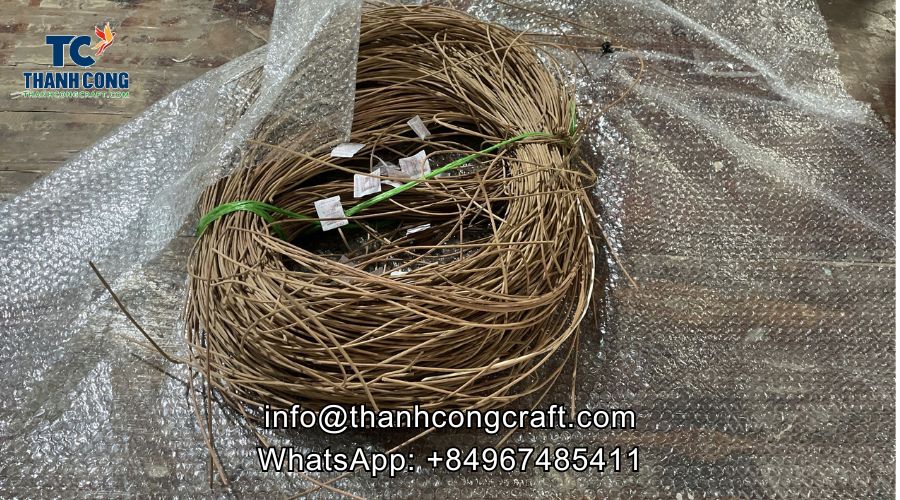
Rattan lamp shade safety begins with understanding the material’s core characteristics. This natural palm is commonly used in furniture and home accessories due to its flexibility, strength, and lightweight feel. As a renewable resource, rattan also appeals to eco-conscious buyers looking for sustainable lighting options. However, since it is an organic material, buyers often wonder: can rattan be a fire hazard? In short, it depends on how it’s used.
Rattan itself is not inherently flammable, but like most organic materials, it can catch fire if exposed to high heat or open flames. Therefore, it’s essential to combine it with proper electrical fittings and to avoid high-wattage bulbs that produce excessive heat.
For example, using LED bulbs, which emit low heat, significantly reduces the risk of overheating. Moreover, modern rattan lamp shades are often treated with fire retardants or manufactured with safety certifications. These standards vary by country, so it’s important to check labels or request documentation from the seller.
What To Ask Your Supplier:
- Is the rattan treated with any flame-retardant coatings?
- Are the shades tested or certified to comply with local fire safety standards?
For quality-assured handmade rattan lampshades, see our decorative lighting collection.
Learn more: What colors and shapes of rattan lamp shades are trendy now?
2. Are Rattan Lamp Shades Safe for All Rooms?
Rattan lamp shade safety also depends on where you place the lamp. While they are perfect for bedrooms, living rooms, and entryways, they may not be ideal in moisture-heavy areas like bathrooms or outdoor patios unless specified as moisture-resistant.
Humidity can weaken untreated rattan over time, leading to deformation or mold growth. This isn’t just a durability issue—it can also pose electrical risks. For instance, mold can deteriorate shade material and create an environment prone to short circuits if it spreads to electrical parts.
If you’re looking for moisture-resistant options, make sure the product description explicitly mentions outdoor or bathroom suitability. Some rattan lamp shades are coated with weatherproofing agents, making them viable for semi-outdoor or tropical environments.
Recommended Placement:
- Living Room: Safely usable with low-heat LED bulbs.
- Dining Area: Creates a warm ambiance without overheating.
- Bedroom: Ideal for soft lighting if installed away from fabric drapes.
For suitable options by room type, explore our rattan pendant lights.

3. How to Use Rattan Lamp Shades Safely
Safe usage is key to maximizing rattan lamp shade longevity and reducing risks. Start by following the bulb wattage recommendations listed by the manufacturer. Most rattan lamp shades are compatible with LED bulbs of up to 10W.
Next, check the distance between the bulb and the rattan. A minimum of 1.5 to 2 inches is generally safe. Never allow the bulb to touch the material directly, as this significantly raises the risk of scorching or discoloration.
Also, always pair the shade with a certified electrical fitting. If you’re buying from a handmade supplier, ask if the fittings are UL (in the US) or CE (in Europe) certified. Electrical safety matters as much as material safety.
Maintenance Tips for Long-Term Safety:
- Dust regularly: Dust buildup can increase heat retention.
- Inspect wiring annually: Old or frayed wires can cause shorts.
- Avoid halogen bulbs: They emit higher heat levels than LEDs.
You can also see our care guide for natural lighting decor for maintenance practices.
Learn more:Guide to Properly Maintain and Clean Rattan Furniture
4. Common Myths About Rattan Lamp Shade Safety
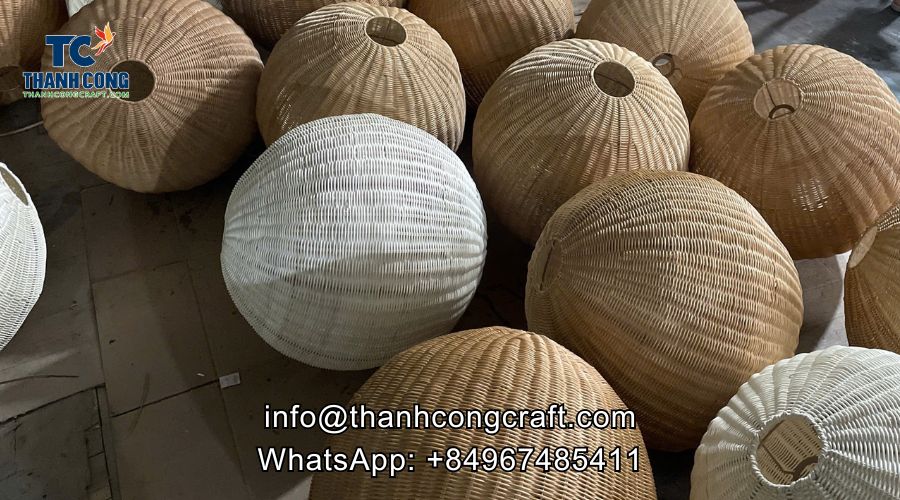
Despite their popularity, many myths surround rattan lamp shade safety. One frequent misconception is that all natural fiber shades are flammable. In reality, rattan is no more flammable than paper, fabric, or wood-based shades. The key lies in usage, bulb choice, and air circulation.
Another myth is that rattan can’t handle high ceilings or modern interiors. While they are often associated with boho or tropical styles, many designers now incorporate them in Scandinavian, Japandi, or minimalist homes—with proper light spacing and modern hardware.
Lastly, some believe rattan emits odors when heated. While this can be true for poorly treated or painted products, reputable manufacturers ensure that their products are odor-free and safe.
Check our modern rattan lamp collection to see how contemporary aesthetics meet safety standards.

5. What to Know Before Buying a Rattan Lamp Shade
Before purchasing, ask yourself a few essential questions to guarantee rattan lamp shade safety:
- Is the shade handmade or factory-produced?
- Does the supplier provide safety testing documentation?
- Are compatible fittings and bulbs recommended?
Always request a sample or certification if you’re buying in bulk. Wholesale customers should also ensure the shades are packed to avoid pressure or cracks during shipping.
When shopping online, read descriptions carefully and verify reviews. A good seller will clearly state material treatment, recommend wattage limits, and include installation guidelines.
For OEM-friendly, safety-tested rattan lamp shades, view our wholesale lighting range.
Explore more:Top Most Beautiful Rattan and Bamboo Lamp Designs for Interior Decoration in 2025
Reach out to us today to learn more about our products or to place a wholesale order. We look forward to connecting with you!
- Thanh Cong Handicraft Co., Ltd
- Email: [email protected]
- Tel/WhatsApp: +84967485411
Explore our Products Collection for more choices! Contact Us!


