

Rattan table export documents US are the backbone of a successful export operation for furniture suppliers targeting American buyers. Without accurate paperwork, even the highest-quality rattan tables risk being delayed, rejected, or charged unexpected penalties at US ports.
This guide provides a detailed customs paperwork checklist for exporting rattan tables to the United States. It covers essential documents, compliance with US trade laws, sustainability requirements, and practical tips to streamline shipping. As a result, exporters will have a clear roadmap to avoid costly mistakes and secure long-term business with US retailers, wholesalers, and hospitality clients.
Contents
1. Core Rattan Table Export Documents Required for the US
Exporters must prepare a precise set of documents to ensure smooth customs clearance. Each document serves a specific purpose, and therefore errors can lead to delays or shipment seizures.
1.1 Commercial Invoice
The Commercial Invoice acts as the backbone of the export process. It details the exporter, importer, product description, HS code, unit price, and total shipment value. Moreover, for rattan tables, the invoice must specify whether the furniture is handmade, treated for pests, and whether it qualifies under preferential trade agreements.
See our post: Why More Parents Are Switching to Montessori Rattan Toys

1.2 Packing List
The Packing List outlines the weight, dimensions, and packaging details of the shipment. US Customs requires exact information to verify cargo and ensure it complies with import regulations. In addition, for large furniture like rattan tables, accurate dimensions help prevent misclassification of freight charges.
1.3 Bill of Lading (B/L)
The Bill of Lading is issued by the carrier and acts as proof of shipment. It also transfers ownership of the goods once payment terms are satisfied. However, exporters must decide whether to use House B/L or Master B/L, depending on their freight forwarder’s recommendation.
1.4 Certificate of Origin
The Certificate of Origin (CO) confirms where the rattan tables were manufactured. It plays a crucial role if the goods qualify for tariff reductions under a trade agreement. For example, exporters from Vietnam, Indonesia, or the Philippines may access preferential tariffs if certified correctly.
Visit our post: Rattan Basket Return and Refund Policy for Defective Items

1.5 Phytosanitary Certificate
Since rattan is a natural material, US authorities require a Phytosanitary Certificate to prove the furniture is pest-free. The certification is issued by the exporter’s national plant protection agency and ensures compliance with the USDA.
1.6 ISPM-15 Certification for Wooden Packaging
If rattan tables are packed in wooden crates, exporters must comply with ISPM-15 standards for heat-treated or fumigated wood. Consequently, this prevents the spread of pests and remains mandatory for US imports.
2. Compliance with US Import Regulations
Understanding and complying with US regulations is as important as preparing documents. Even minor oversights can result in costly penalties or destroyed shipments.
2.1 US Customs and Border Protection (CBP) Rules
The CBP is the main agency overseeing imports. For rattan furniture, CBP enforces rules on classification, tariff payments, and inspection requirements. Therefore, exporters should ensure HS codes are correctly declared to avoid misclassification penalties.
2.2 Lacey Act Compliance
The Lacey Act requires importers to declare the species and origin of plant materials used in furniture. Rattan tables fall under this rule because they are made from natural rattan, a plant-based material. In fact, exporters must provide scientific names, harvest origins, and production methods.
2.3 California Proposition 65
If the rattan tables are sold in California, they must comply with Proposition 65, which restricts certain chemicals in consumer products. Thus, exporters should ensure that coatings, paints, or adhesives used in rattan tables meet these strict standards.
2.4 Fire Safety and Consumer Protection Standards
For indoor use, rattan tables must meet US fire-safety standards. As such, exporters should coordinate with buyers to confirm whether CPSC regulations apply, especially when exporting to hospitality or commercial spaces.
3. Financial and Tax Documentation
Beyond customs compliance, financial paperwork plays a vital role in securing payments and reducing disputes.
3.1 Letter of Credit (L/C)
Many US importers prefer using a Letter of Credit to secure transactions. Exporters must ensure that shipment documents precisely match L/C terms. Otherwise, even minor discrepancies can delay payment.
3.2 Pro Forma Invoice
A Pro Forma Invoice is issued before shipment to give buyers a cost estimate. It helps US importers secure bank financing and budget for import duties and taxes. Additionally, it establishes transparency early in the transaction.
3.3 Insurance Certificate
An Insurance Certificate ensures the rattan tables are covered against damage during shipping. US buyers often require exporters to provide cargo insurance under CIF contracts. Therefore, insurance becomes a key safeguard for both parties.
Learn more about: Rattan Chairs Import Tax France – How to Handle It
4. Documentation Best Practices for Smooth Export
Proper documentation is not just about compliance—it’s about efficiency, trust, and reducing costs.
4.1 Digital vs. Paper-Based Documents
The US allows many export documents to be submitted electronically. Consequently, exporters should adopt digital trade documentation platforms to speed up clearance and minimize errors.
4.2 Working with Freight Forwarders
Experienced freight forwarders help exporters manage complex paperwork. In particular, for first-time exporters of rattan tables, partnering with a forwarder ensures compliance with both export and import rules.
4.3 Language and Accuracy
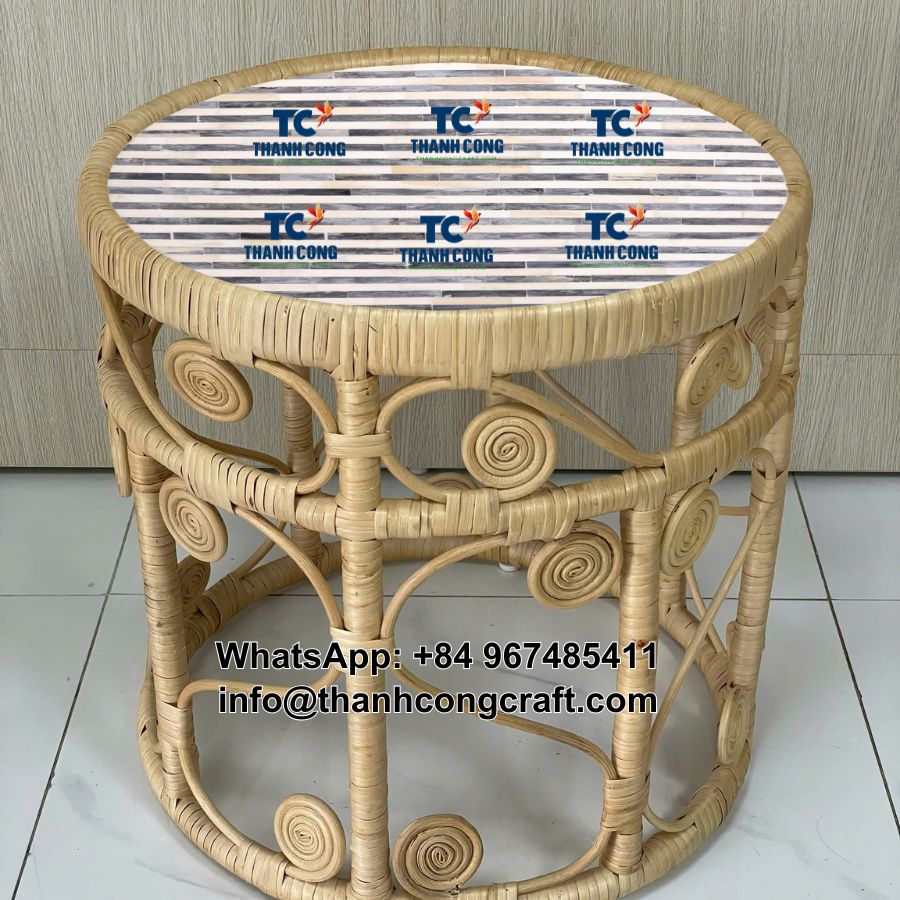
Documents must be completed in English, with precise product descriptions. For example, writing simply “furniture” is insufficient. Instead, exporters should specify “Handmade Rattan Dining Table – Natural Finish – HS Code XXXX.”
4.4 Record Keeping
US law requires importers and exporters to keep documentation records for at least five years. As a result, proper archiving reduces risks during audits and builds trust with buyers.
Visit our post on: Rattan Wall Decor Export Documents – Saudi Arabia Requirements
5. Strategic Advantages of Proper Documentation
While many exporters see paperwork as a burden, successful businesses use documentation as a competitive advantage.
5.1 Faster Customs Clearance
Accurate documents minimize delays at US ports. Therefore, goods reach warehouses and retailers on schedule, strengthening business relationships with American buyers.
5.2 Reduced Costs and Fewer Penalties
Well-prepared documents reduce risks of misclassification, underpayment, or fines. Consequently, exporters who consistently comply save money over time and protect profit margins.
5.3 Stronger Buyer Confidence
US importers prefer working with exporters who demonstrate professionalism. Moreover, detailed documentation builds trust, improves negotiation power, and increases chances of repeat orders.
5.4 Long-Term Partnerships with Reliable Exporters
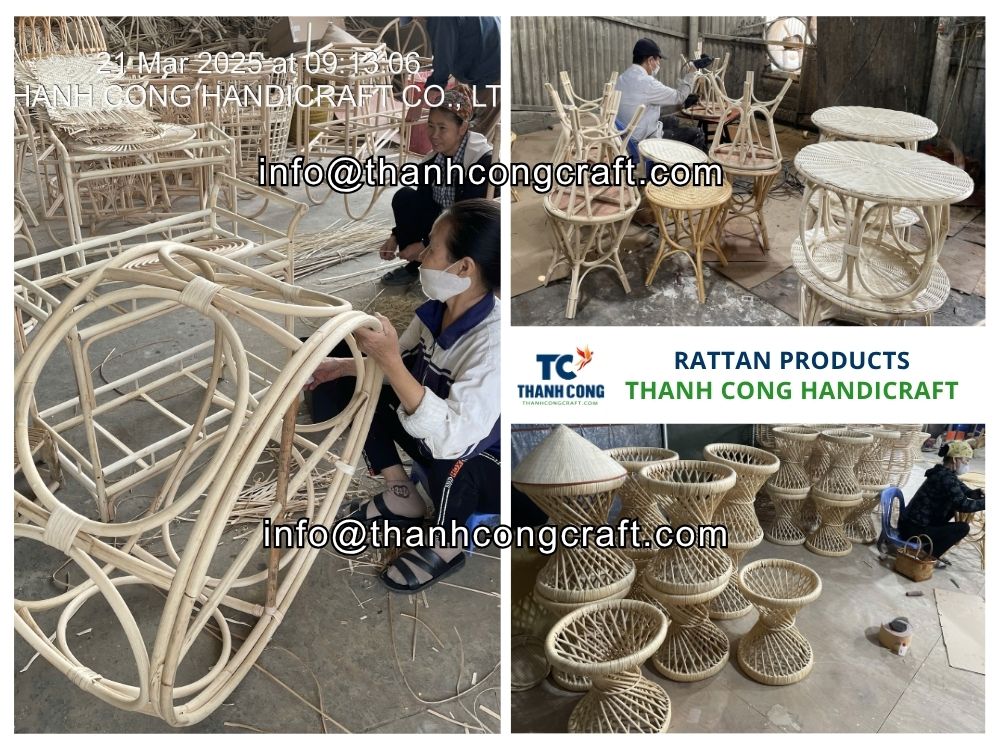
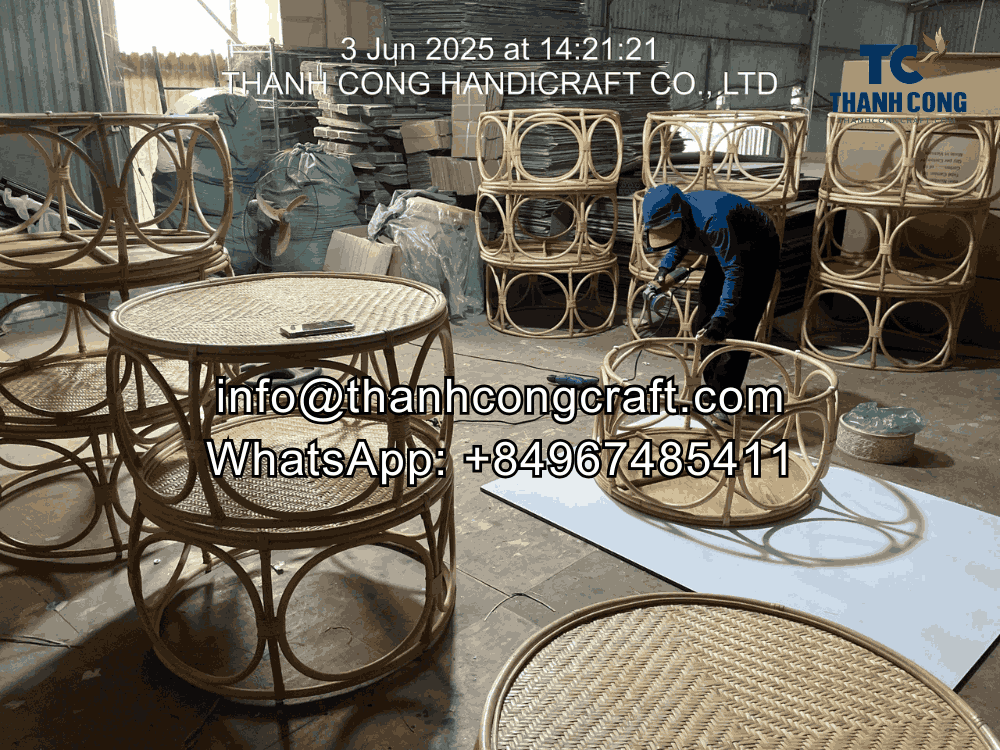
Exporters like Thanh Cong Handicraft from Vietnam excel not only in producing high-quality rattan tables but also in providing accurate documentation support. Therefore, their expertise helps US importers streamline customs clearance, reduce risk, and maintain supply chain stability. Partnering with trusted suppliers ensures competitive pricing, eco-friendly materials, and compliance with US regulations.
Learn more about: Rattan Wall Decor Export Documents – Saudi Arabia Requirements
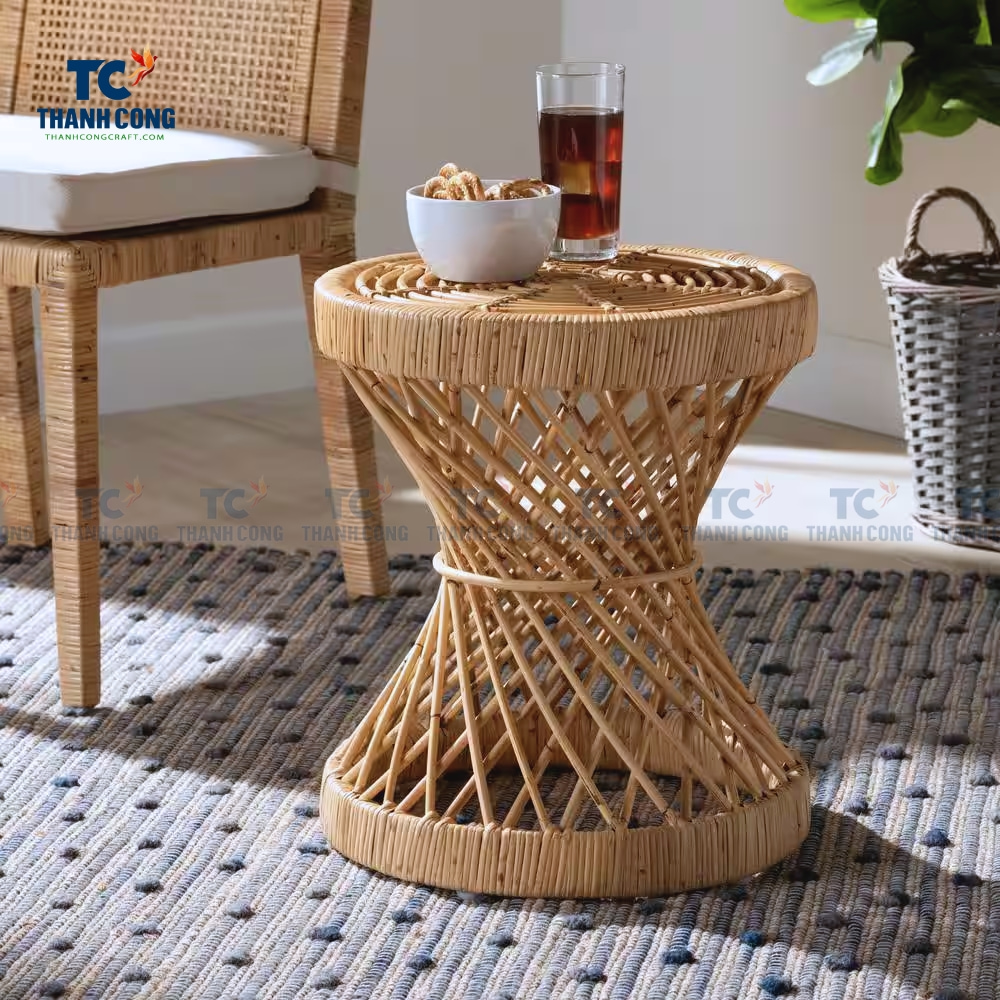
Reach out to us today to learn more about our products or to place a wholesale order. We look forward to connecting with you!
- Thanh Cong Handicraft Co., Ltd
- Email: [email protected]
- Tel/WhatsApp: +84967485411
Explore our Products Collection for more choices! Contact Us!


