

Rattan vs wicker is one of the most misunderstood topics in furniture and décor. While these two terms are often used interchangeably, they refer to fundamentally different things—one is a raw material, and the other is a weaving technique. This distinction has big implications for durability, style, price, and sustainability. In this article, we’ll explore their histories, strengths, weaknesses, and how to choose the best option for your home or outdoor area.
Contents
1. Rattan vs Wicker – Understanding the Core Difference
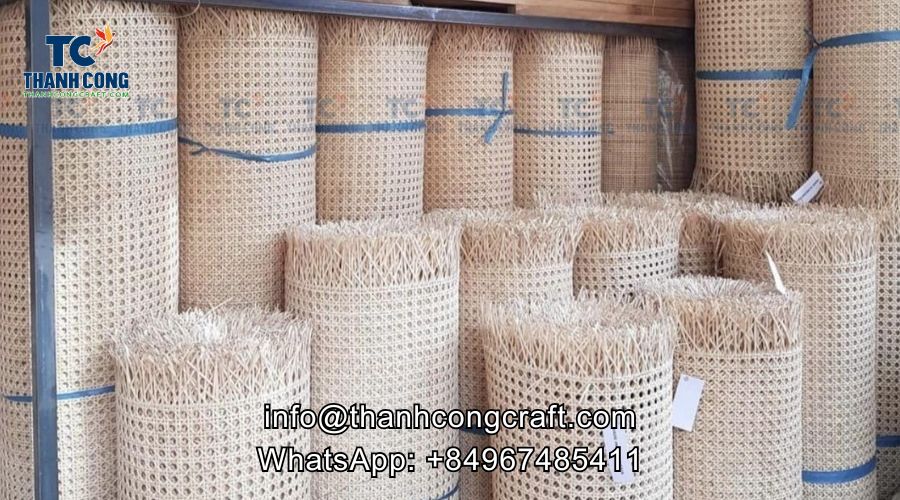
Rattan vs wicker is not simply a matter of different names for the same thing. First of all, rattan is a climbing palm native to tropical Asia, Africa, and parts of Australia. It produces long, solid canes that are both strong and flexible, ideal for making sturdy furniture frames. Wicker, however, is a method of weaving pliable materials into patterns to form furniture or decorative items. This weaving can use rattan, but also bamboo, willow, reed, or synthetic fibers.
The confusion exists because many wicker products are made from rattan, making people believe the two are identical. But rattan is like the ingredient, while wicker is the recipe—it’s possible to have wicker without rattan, just as it’s possible to have rattan furniture without any wicker weaving at all. Understanding this basic distinction helps you shop smarter and care for your furniture appropriately.
Discover more: Guide to Properly Maintain and Clean Rattan Furniture
2. History, Cultural Significance, and Craftsmanship
Rattan vs wicker also reflects two different but intertwined histories. Rattan has been used for centuries in Southeast Asia, not only for furniture but also for baskets, mats, and even walking sticks. Its flexibility and durability made it valuable in rural life.
Wicker weaving, on the other hand, has roots going back thousands of years to ancient Egypt, where reeds were woven into chairs, baskets, and chests. The technique spread through the Roman Empire and across Europe, eventually meeting rattan during the age of exploration and colonial trade. This cultural exchange created hybrid designs—rattan frames wrapped in wicker weaving—that remain popular worldwide.
In terms of craftsmanship, rattan preparation involves harvesting, stripping bark, and steaming the canes to bend them without breaking. Wickerwork requires soaking fibers, weaving them tightly around frames, and finishing with protective coatings. Both processes demand skill and patience, with handmade pieces often carrying subtle variations that make them unique.
Related reading:“Top 10 Hottest Bamboo and Rattan Furniture Products of 2025”

3. Advantages and Disadvantages of Each
3.1 Advantages of Rattan and Wicker
Rattan vs wicker both offer compelling strengths. Rattan, as a raw material, is strong, lightweight, and naturally attractive with a golden-brown tone. It works well for indoor furniture, offering longevity when kept away from excessive moisture.
Wicker, as a weaving technique, provides a breathable structure that’s both visually appealing and functional. It allows air circulation in furniture like chairs or baskets, making them comfortable in warm climates. Synthetic wicker adds the bonus of being weather-resistant, perfect for patios and gardens.
3.2 Disadvantages of Rattan and Wicker
Natural rattan is vulnerable to humidity and can warp or mold if exposed to wet conditions for long periods. It’s also susceptible to cracking if left in direct sunlight without protection.
Natural wicker weaves may loosen or break over time, especially in humid or overly dry environments. Synthetic wicker, while more durable outdoors, can lack the authentic texture of plant fibers and may become brittle with prolonged sun exposure if the resin quality is poor.
Check out: Distinguishing between natural rattan and plastic rattan
4. Practical Applications Indoors and Outdoors
4.1 Indoor Applications
Rattan vs wicker choices for interiors depend on both function and style. Rattan excels as a base for sturdy frames—armchairs, coffee tables, headboards—while wicker is ideal for storage baskets, trays, and room dividers. Combining the two, such as a rattan frame with wicker side panels, can create a harmonious blend of durability and texture.
4.2 Outdoor Applications
Outdoors, synthetic wicker is the clear winner. Resin wicker wrapped around aluminum frames resists moisture, UV rays, and temperature fluctuations. Natural rattan should be kept under covered patios or verandas to avoid damage.
Design-wise, tropical themes benefit from rattan’s warm tones, while coastal and farmhouse aesthetics pair well with whitewashed or painted wicker pieces.
5. Choosing, Caring for, and Maintaining Your Pieces
5.1 Choosing the Right Option
Rattan vs wicker selection depends on your environment, budget, and lifestyle. If you have a climate-controlled indoor space, natural rattan can be a great investment. For outdoor use, high-quality synthetic wicker is usually the smarter choice.
5.2 Caring and Maintenance
For rattan, dust regularly and wipe with a slightly damp cloth, avoiding excess moisture. Keep it away from direct sunlight to prevent cracking. For wicker, use a vacuum brush attachment for cleaning, and if synthetic, occasional hosing down is fine. Store natural wicker indoors during wet seasons to extend its lifespan.
You might enjoy: Rattan Papasan Chair: The “Divine” Relaxing Chair That Fascinates Users

Reach out to us today to learn more about our products or to place a wholesale order. We look forward to connecting with you!
- Thanh Cong Handicraft Co., Ltd
- Email: [email protected]
- Tel/WhatsApp: +84967485411
Explore our Products Collection for more choices! Contact Us!


