

Seagrass vs Rattan is one of the most common comparisons among eco-conscious designers, wholesalers, and home décor retailers. Both natural fibers are gaining massive popularity in global markets for their sustainable origins and artisanal beauty. However, understanding the key differences between them—from texture and durability to sourcing and design versatility—is essential for anyone importing or selling eco-friendly homeware. This article explores their unique properties, how they perform in sustainable décor, and which one truly stands out in the modern green economy.
Contents
1. Understanding the Origins: Seagrass vs Rattan
Seagrass vs Rattan begins with two very different natural sources, each with its own story of sustainability and craftsmanship.
1.1 What Is Seagrass?
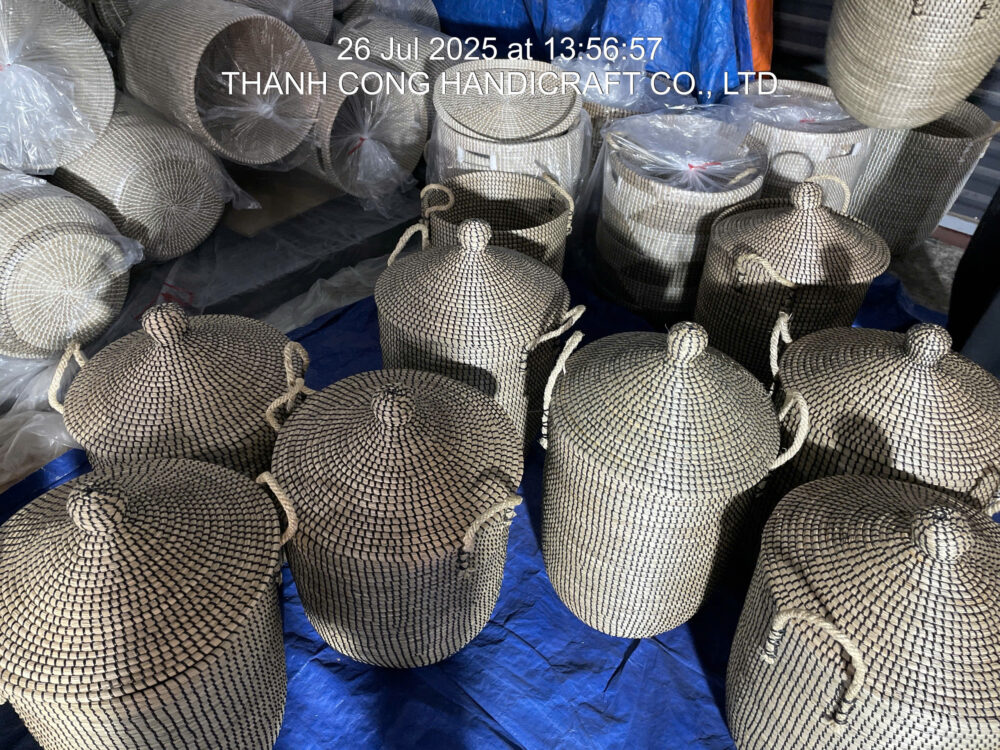
Seagrass is a marine plant found along coastal waters, particularly in Southeast Asia and Vietnam. Unlike synthetic fibers, it grows abundantly without fertilizers or pesticides, making it an inherently eco-friendly material. Once harvested, artisans dry and weave the fibers into baskets, rugs, trays, and furniture accents. The subtle sheen and smooth finish of seagrass make it ideal for modern minimalist interiors.
Additionally, seagrass fibers are naturally water-resistant and non-toxic, which makes them perfect for products used in humid environments. Its renewable nature also aligns with global environmental goals, giving it a distinct edge for sustainable trade.
1.2 What Is Rattan?
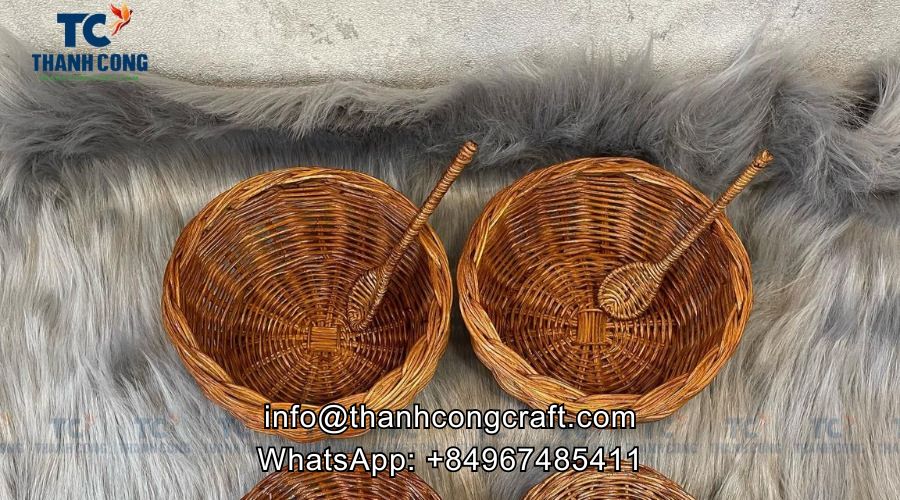
Rattan, on the other hand, is a climbing vine native to tropical forests across Southeast Asia. It grows around trees, forming strong, flexible canes. Once harvested, these canes are treated, dried, and shaped into furniture frames, lighting fixtures, and decorative crafts. Rattan’s high tensile strength makes it ideal for products requiring structural stability.
Unlike seagrass, rattan is wood-like and can be bent into different shapes using heat, allowing artisans to craft intricate designs. Its golden-brown hues complement both rustic and luxurious interiors, making it a staple in both residential and hospitality design projects.
Learn more about: Hidden Signs Your Vietnamese Supplier Can’t Handle Big Orders

2. Material Comparison: Strength, Texture, and Durability
Seagrass vs Rattan can best be evaluated through three key factors: structural strength, tactile texture, and long-term performance.
2.1 Strength and Flexibility
When it comes to strength, rattan clearly wins. Its woody core provides excellent rigidity, ideal for chairs, bed frames, and lamp bases. Seagrass, while durable in weaving, lacks the same load-bearing capability. It’s better suited for decorative and lightweight items such as storage baskets, mats, or placemats.
However, seagrass offers flexibility in weaving. Its smooth fibers can create tight, uniform patterns without splintering, unlike poorly treated rattan that may crack over time. Therefore, both materials have their strengths depending on application—rattan for structure, seagrass for texture.

2.2 Texture and Aesthetic Appeal
Seagrass products are known for their silky finish and subtle color variations from light beige to olive tones. The smooth texture gives a modern yet natural look, especially in Scandinavian or coastal interiors. In contrast, rattan’s visible grain and warm golden color bring traditional charm and timelessness to décor.
Designers often pair the two together—rattan frames wrapped with seagrass cords—for a balanced mix of strength and softness. This combination enhances product value in wholesale trade, particularly in high-end eco-resorts and home décor markets.
2.3 Durability and Maintenance
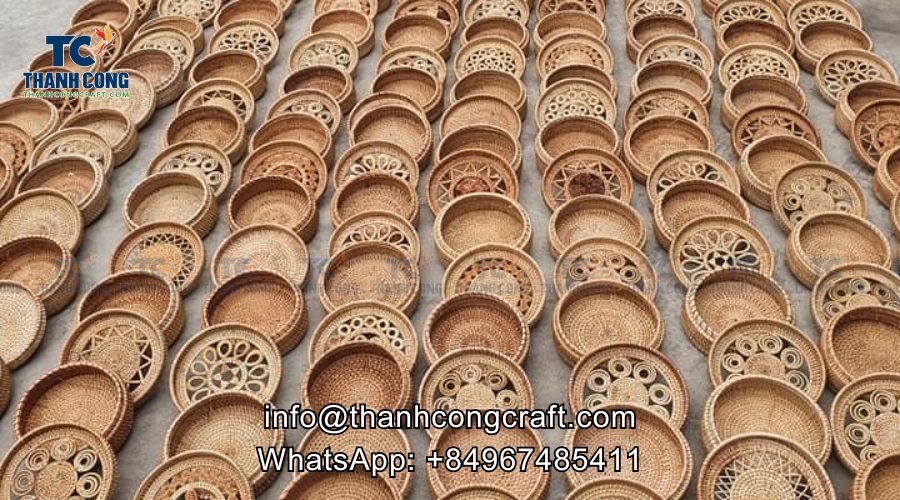
Rattan products last decades if properly sealed and maintained. They are resistant to daily wear and can handle moderate humidity. Seagrass, while water-resistant, can lose shape if soaked for long periods. Thus, care guidelines play a crucial role in ensuring longevity.
For retailers, providing cleaning instructions like “wipe dry immediately” or “avoid prolonged exposure to moisture” helps customers preserve these items longer—an essential practice in luxury eco-homeware.
3. Sustainability: The Environmental Impact of Seagrass vs Rattan
Seagrass vs Rattan is not just about aesthetics—it’s about how each contributes to a more sustainable planet.
3.1 Harvesting and Regrowth
Seagrass grows quickly in coastal ecosystems and regenerates naturally without replanting, making it one of the most sustainable materials on Earth. Its cultivation helps stabilize marine habitats and reduce coastal erosion. On the contrary, rattan harvesting requires forest management to avoid overexploitation. Responsible sourcing ensures minimal damage to surrounding trees and biodiversity.
Vietnam and Indonesia have both introduced replanting initiatives to ensure sustainable rattan supply chains. Exporters adhering to these practices often gain eco-certifications that enhance market credibility in Europe and North America.
3.2 Energy and Carbon Footprint
Processing seagrass requires minimal energy—mostly sun drying and hand weaving. This low-carbon approach significantly reduces the environmental footprint. Meanwhile, rattan processing involves more steps: cutting, steaming, drying, and finishing with sealants. While these treatments extend product lifespan, they slightly increase carbon emissions.
That said, both materials are biodegradable and non-toxic. When properly managed, they outperform synthetic alternatives like plastic or vinyl by a wide margin in eco metrics.
3.3 Circular Economy and Waste Reduction
Both seagrass and rattan crafts contribute to a circular economy by turning renewable natural materials into long-lasting products. In Vietnam, leftover fibers are reused for smaller items such as coasters or napkin rings, ensuring zero waste. Exporters also experiment with natural dyes and water-based coatings to maintain full biodegradability.
Discover how: How to Spot Hidden Quality Issues Before Importing From Vietnam
4. Market Demand and Trade Opportunities
Seagrass vs Rattan is also a story of evolving consumer behavior and global trade patterns.
4.1 Consumer Trends in Europe and the US
In Europe, seagrass is currently trending for its light tones and eco-modern look. Retailers promote it as a minimalist alternative to heavy wood décor. In the US, rattan remains iconic for bohemian and vintage interiors. However, younger buyers increasingly value environmental impact over tradition. This shift is driving demand for ethically sourced, certified, and biodegradable materials.
Wholesalers importing from Vietnam or Indonesia can leverage these trends by highlighting transparency and artisan heritage in product descriptions. Customers appreciate authenticity and craftsmanship when it aligns with sustainability.
4.2 Wholesale and B2B Opportunities
Vietnam has emerged as a leading exporter for both seagrass and rattan products. The country’s coastal provinces specialize in seagrass weaving, while inland workshops focus on rattan furniture and lighting. By partnering with trusted suppliers, importers can access a wide product range—from compact baskets to full furniture sets.
For bulk orders, combining seagrass and rattan items within a single container reduces freight costs and improves variety for retailers. These strategies enhance efficiency and profitability, especially in e-commerce and boutique hospitality sectors.
5. The Real Winner in Sustainable Decor
When it comes to Seagrass vs Rattan, there is no single absolute winner—each material has its own strengths that cater to different needs in sustainable design.
5.1 Seagrass: The Choice for Modern, Eco-Conscious Spaces
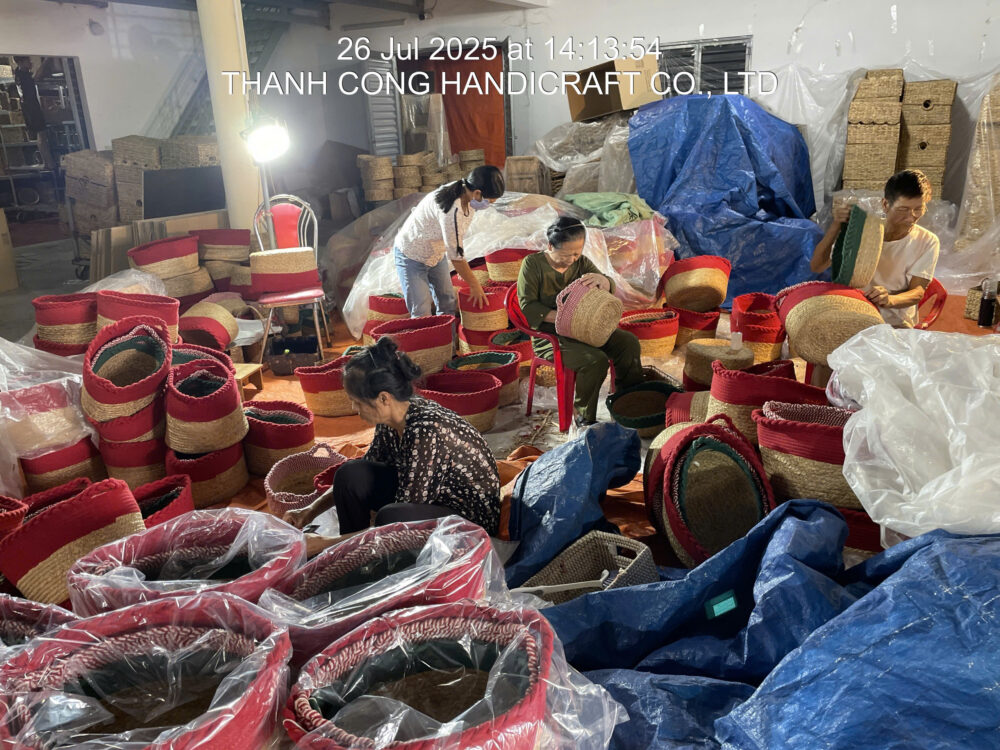
Seagrass stands out for lightness, renewability, and its ability to blend with modern interiors. Its smooth surface, low maintenance, and water resistance make it ideal for home accessories and minimalist furniture. For brands emphasizing natural aesthetics and ethical sourcing, seagrass remains the top pick.
Moreover, seagrass items require less post-processing, allowing artisans to preserve traditional weaving techniques while keeping costs competitive for global buyers.
5.2 Rattan: The Symbol of Strength and Timeless Craftsmanship
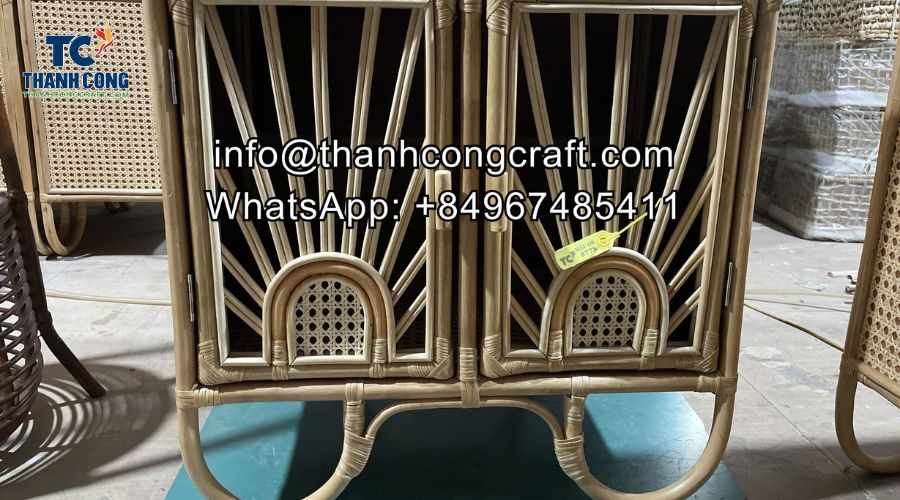
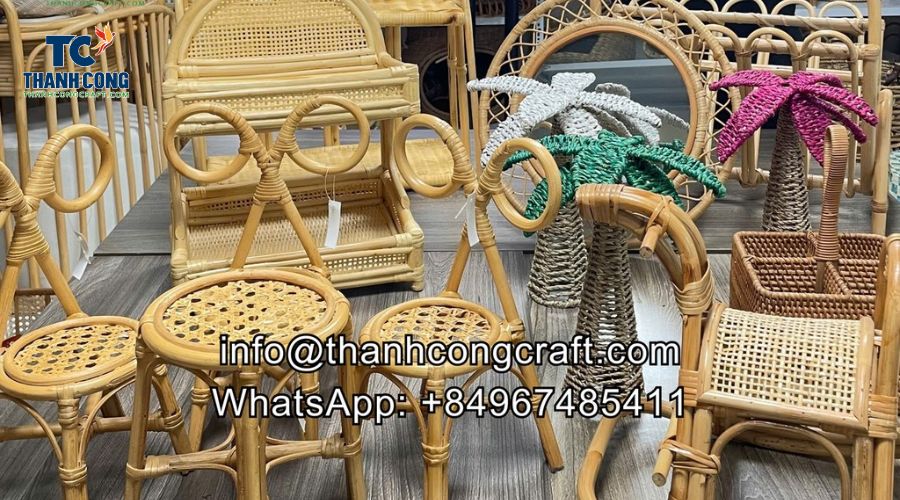
Rattan continues to dominate in categories requiring structural strength and luxury appeal. From high-end furniture to lighting and decorative screens, it offers both functionality and artistic depth. With sustainable harvesting programs and improved finishing technologies, rattan’s future remains bright in the eco-luxury sector.
Designers combining rattan frames with seagrass panels often create hybrid products that attract diverse markets—blending tradition with innovation.
5.3 Final Thoughts for Wholesalers and Designers
For importers and B2B buyers, the best approach is diversification. Stocking both materials allows flexibility in targeting different segments—seagrass for contemporary minimalism and rattan for classic durability. As global sustainability regulations tighten, offering certified, responsibly sourced crafts from Vietnam can set your business apart.
Explore Vietnamese handicrafts posts: Are Vietnamese Handicrafts Eco-Friendly to Sell in EU and the US ?
Reach out to us today to learn more about our products or to place a wholesale order. We look forward to connecting with you!
- Thanh Cong Handicraft Co., Ltd
- Email: [email protected]
- Tel/WhatsApp: +84967485411
Explore our Products Collection for more choices! Contact Us!


