

Vietnam negotiation mistakes are more common than many foreign buyers realize. In the intense world of sourcing from Vietnam’s handicraft, furniture, and export sectors, even small missteps during negotiation can lead to inflated costs, delays, or broken relationships. This article reveals the top 5 mistakes buyers often commit, explains why they happen, and shows how to avoid them with strategic negotiation practices.
Contents
1. Underestimating Cultural and Relationship Factors
The first and most frequent Vietnam negotiation mistake lies in underestimating how deeply cultural values shape business interactions. In Vietnam, personal relationships (known as mối quan hệ) are often considered more important than contracts themselves.
How It Happens
Foreign buyers, especially those from the U.S. or Europe, tend to approach negotiation as a data-driven transaction—focused purely on pricing, MOQ, and lead time. They skip informal conversation, jump straight into cost breakdowns, and expect immediate answers.
But to a Vietnamese supplier, this behavior feels rushed and disrespectful. Suppliers may smile politely but quietly categorize the buyer as “short-term” or “difficult.” Trust is not built, so communication stays surface-level.
Case Study: Bamboo Supplier in Phu Tho Province
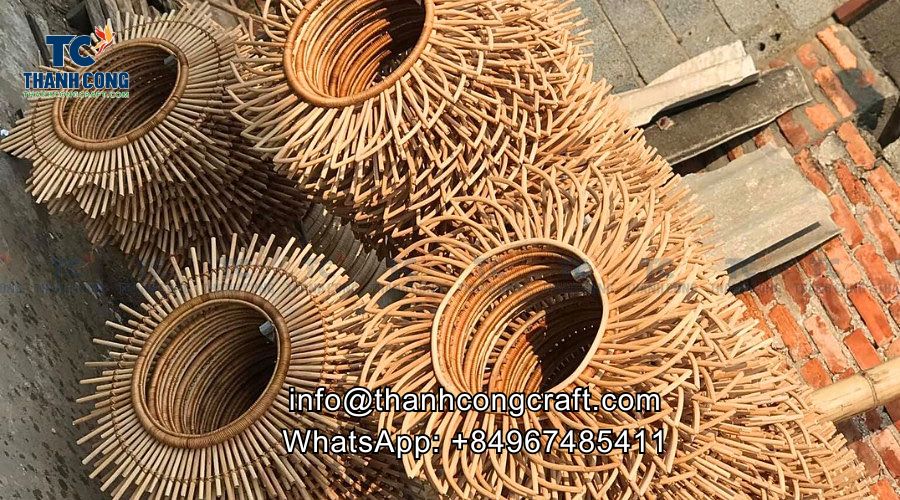
A U.K.-based importer sourcing bamboo baskets approached a factory in Phu Tho with a bulk order inquiry. In his first message, he requested the lowest possible price and an exact lead time for a 10,000-piece order. The supplier responded politely but delayed replies and offered minimal discounts.
After several weeks with no progress, the importer hired a local sourcing consultant. The consultant visited the factory, shared tea with the owner, discussed family and craft traditions, and explained the buyer’s long-term goals. Within days, the same supplier offered better pricing, a free pre-production sample, and faster production.
Lesson: In Vietnam, trust comes before terms. Take time for greetings, informal chats, and showing genuine interest in the supplier’s craft.
Best Practice
- Start conversations with warmth, not demands.
- Ask about the factory’s history or artisan community.
- Visit in person if possible—face-to-face trust accelerates deals.
- Use consistent communication; don’t disappear after receiving a quote.
Explore more posts: How to Detect Warning Signs of an Unreliable Supplier Early
2. Focusing Only on Price, Not Total Cost
A frequent Vietnam negotiation mistake is fixating solely on the unit price, ignoring the total landed cost. Buyers may negotiate a low per-unit cost but overlook freight, customs duties, packaging, inspections, and delays. As a result, what looks like a “bargain” becomes a financial loss.
Additionally, some buyers push suppliers to reduce costs unscrupulously—cutting corners on quality or finishing. While that may yield a slightly lower price initially, buyers often pay more later via returns, consumer complaints, or product failures. Smart negotiation ensures you account for the full cost framework before accepting any offer.
3. Not Verifying Supplier Claims or Certifications
One of the biggest Vietnam negotiation mistakes is accepting supplier claims at face value without verification. Suppliers may state they hold certifications (e.g. FSC, Fair Trade, ISO) or that they can meet certain quality standards, but without proof and inspection, these claims may be empty.
Foreign buyers often neglect to request documentation, factory visits, or third-party audits. Over time, this leads to receiving substandard goods, delays, or regulatory rejections in their home markets. Always demand verifiable evidence, and use third-party inspections to confirm claims before finalizing deals.
Read about: How to Calculate Landed Costs When Importing From Vietnam
4. Ignoring Volume Leverage and Payment Terms
Another common Vietnam negotiation mistake is negotiating without leveraging order volume or flexible payment terms. A buyer who insists on small orders with full upfront payment loses bargaining power. Suppliers view such buyers as risky and often charge premium rates or refuse customization.
Smart buyers use volume as leverage. For example, offering a larger commitment or long-term orders gives room to negotiate better pricing, credit terms, or priority production. Additionally, structuring payments (e.g. partial advance, balance upon shipment) shares risk and demonstrates partnership commitment.
Common Scenario
Buyers often start with small trial orders, which is understandable. However, if they present themselves as one-time customers, suppliers have no incentive to offer lower prices or invest in customization.
A 500-piece order with 100% advance payment sends a risky signal to the supplier—they may treat the buyer as a “sample project” and not prioritize production.
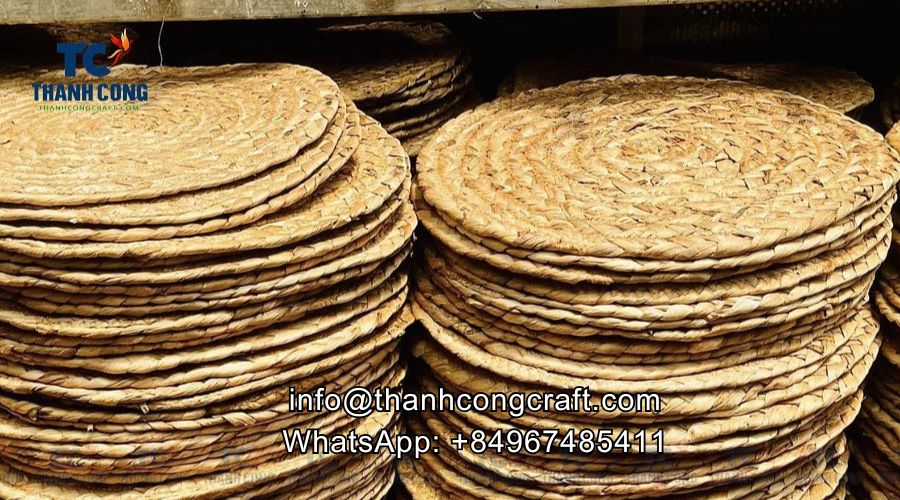
Case Study: Water Hyacinth Pouf Producer in Dong Thap
An Australian retailer approached a Dong Thap factory producing water hyacinth poufs. The buyer ordered 200 pieces for testing, paid in full upfront, and requested custom dimensions. The supplier delayed production twice and charged extra for packaging.
On the second order, the buyer instead offered a 12-month purchase plan with estimated volumes and a 30% deposit per batch. Immediately, the supplier reduced pricing by 8%, prioritized his orders, and even provided improved labeling.
Lesson: Commitment builds trust. Even a verbal forecast or partial deposit structure can earn better treatment and long-term benefits.
5. Failing to Account for Seasonality and Lead Times
A subtle but costly Vietnam negotiation mistake is ignoring seasonal pressures and supply chain timing. Many suppliers in Vietnam are busiest before holidays like Tet, Eid, or international peak seasons. Buyers who expect short lead times during these periods often face delays or surcharges.
Also, raw materials in Vietnam may be harder to source during certain months, especially natural fiber materials or shells. Without accounting for these fluctuations, buyers risk late shipments, price hikes, or substitution of inferior materials. Adequate planning and buffer in timelines are essential for successful negotiation.
Learn about: Do You Really Need Big Capital to Start Reselling Handicrafts?
Reach out to us today to learn more about our products or to place a wholesale order. We look forward to connecting with you!
- Thanh Cong Handicraft Co., Ltd
- Email: [email protected]
- Tel/WhatsApp: +84967485411
Explore our Products Collection for more choices! Contact Us!


