

Bamboo Product sourcing is one of the fastest-growing opportunities for wholesalers and retailers who want to meet the rising demand for eco-friendly, sustainable, and stylish goods. From baskets and bowls to lampshades and wall décor, bamboo has become a global favorite across interior design, hospitality, and lifestyle retail sectors. This article will guide you through the top errors businesses make when sourcing bamboo in bulk and how you can avoid them.
Contents
1. Ignoring Material Quality Standards
1.1 Overlooking Grading Systems
One of the biggest mistakes in buying bamboo products is failing to check quality grading. Bamboo, like wood, comes in different grades depending on the maturity of the plant, thickness, and durability. Some suppliers use younger bamboo, which looks attractive initially but cracks easily over time.
For wholesalers, this results in higher return rates, dissatisfied customers, and a damaged reputation. Always request grading details and certifications before making large orders. Internal sourcing guides, such as our sustainable bamboo supply chain guide, can help establish evaluation standards.
1.2 Neglecting Finishing Treatments
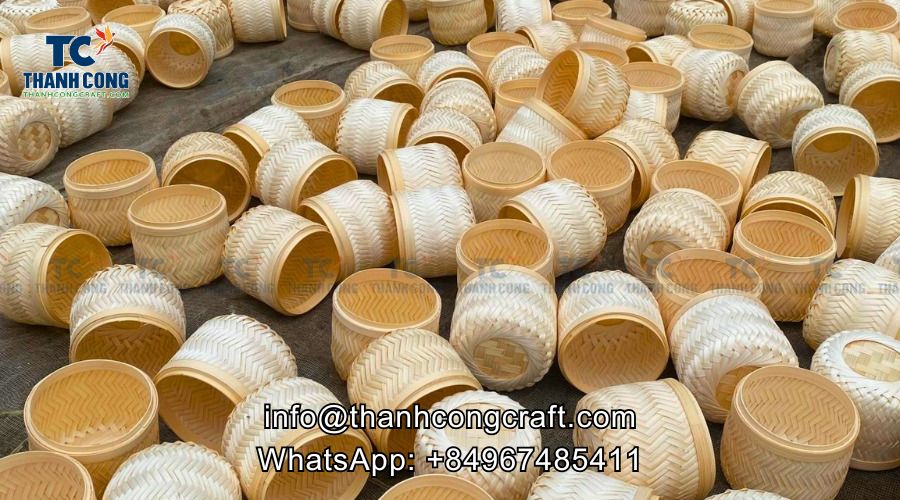
Another issue is ignoring finishing processes. Bamboo products without proper treatment against moisture and insects can warp or deteriorate quickly. For example, untreated bamboo bowls may develop mold in humid environments, and lampshades might lose shape.
Therefore, it is crucial to verify if your supplier applies varnishing, heat treatment, or chemical-free preservatives. Ensuring finishing quality not only extends product life but also enhances customer satisfaction in retail and hospitality markets.
1.3 Relying Solely on Low-Cost Suppliers
Many new buyers chase the cheapest supplier without considering quality assurance. While competitive pricing is essential in wholesale, sacrificing quality for short-term gains can destroy long-term market opportunities. Bamboo products should be viewed as investments in customer loyalty and brand reputation.
Instead of focusing only on cost, balance affordability with supplier reliability, certifications, and proven customer feedback.
Read next: Top Most Beautiful Rattan and Bamboo Lamp Designs for Interior Decoration in 2025
2. Poor Understanding of Design and Market Preferences
2.1 Assuming One-Size-Fits-All
A frequent error in bulk bamboo purchasing is assuming the same designs will work across all markets. For instance, European buyers often prefer minimalist bamboo bowls and wall décor, while Middle Eastern clients value ornate panels and patterned baskets.
Failing to adapt design preferences to target demographics can result in stagnant inventory. Conducting basic market research before finalizing bulk orders ensures better turnover and stronger customer engagement.
2.2 Overlooking Versatility in Product Categories
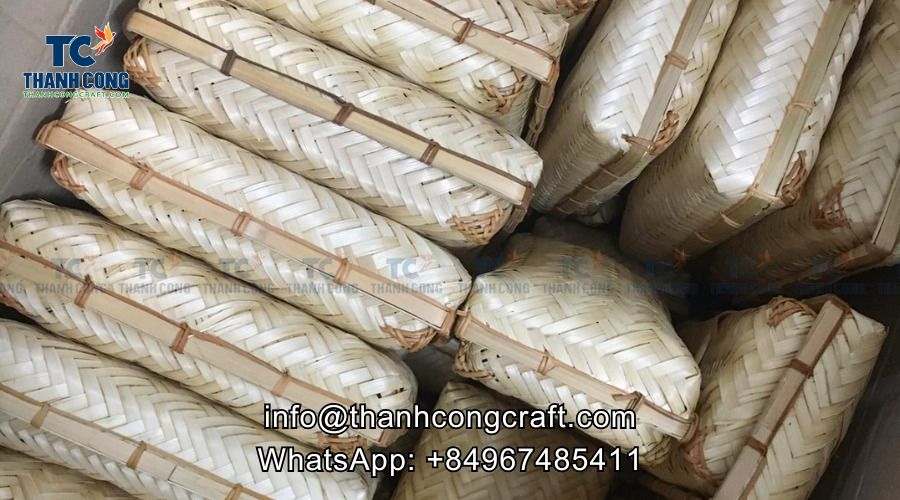
Bamboo is versatile enough to create baskets, lampshades, bowls, and panels, yet many wholesalers limit themselves to a single category. By doing so, they miss cross-selling opportunities. For example, a retailer selling bamboo bowls could also carry bamboo wall décor for upselling.
Expanding into multiple product categories maximizes revenue streams while positioning your brand as a one-stop supplier for eco-friendly goods. See our bamboo product list for interior design
for category ideas.
2.3 Ignoring Cultural Aesthetics
Different regions value bamboo in unique ways. In Asia, bamboo products represent tradition and craftsmanship. In Europe, they embody sustainability and minimalism.. Wholesalers who ignore these cultural differences often face mismatched stock and poor sales. Successful bamboo suppliers learn to adapt product styles for each target market.
Related reading: Are Bamboo Products Waterproof ?
3. Lack of Logistics and Insurance Planning
3.1 Underestimating Shipping Costs
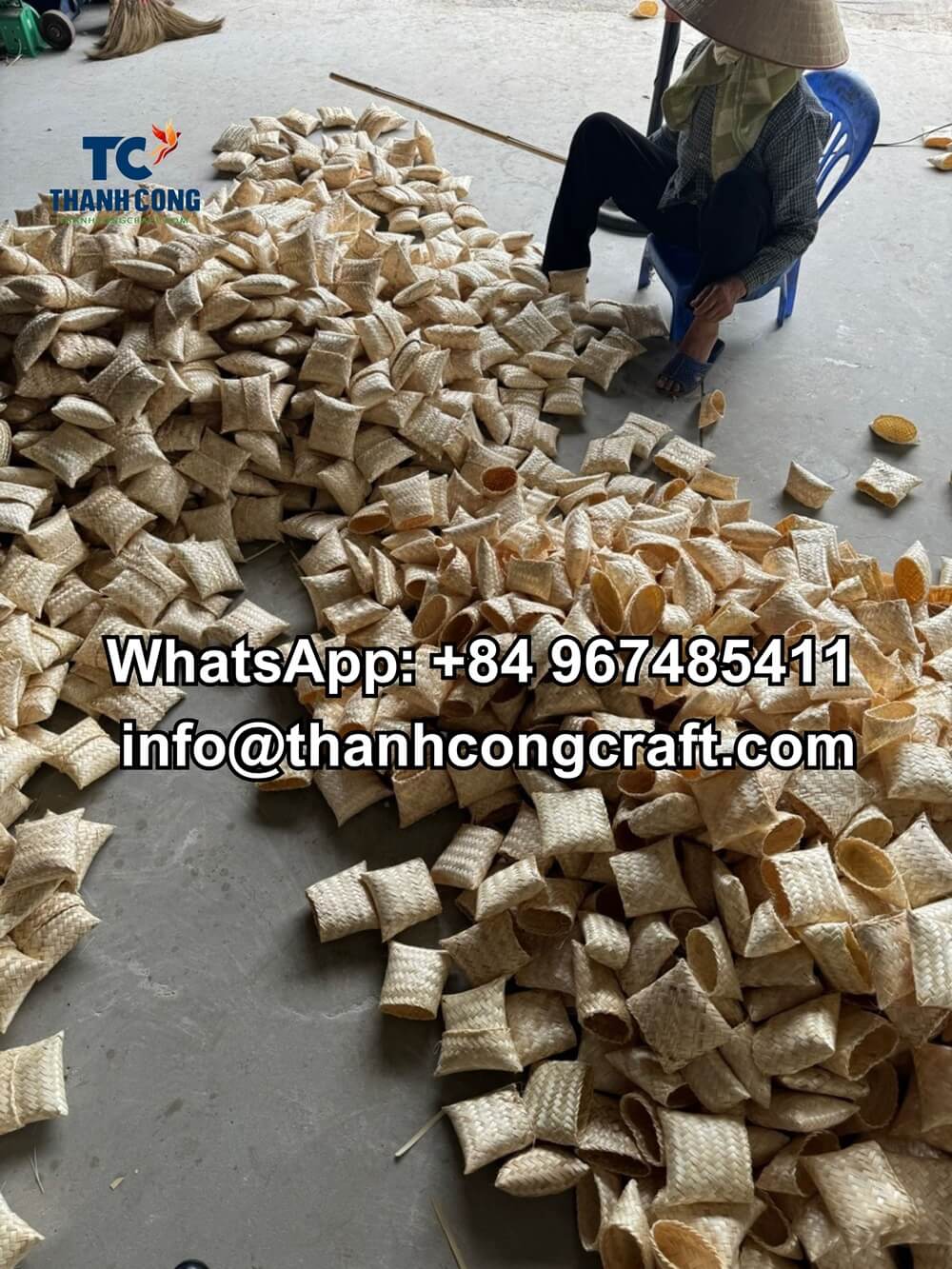
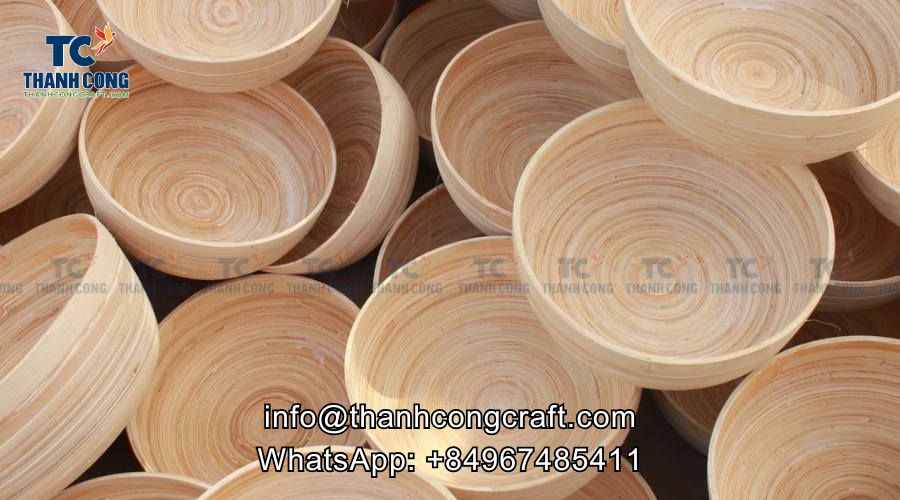
Bamboo is lightweight but bulky. Many wholesalers miscalculate shipping charges, especially when ordering high-volume items like baskets or lampshades. Not planning ahead can inflate costs and reduce profit margins. Negotiating with freight partners, optimizing packaging, and consolidating shipments can significantly lower costs. Working with experienced suppliers also ensures products are packed correctly to avoid damage in transit.
3.2 Skipping Insurance for Bulk Orders
Insurance is often neglected in bulk bamboo product imports. However, accidents like moisture exposure, mold, or transit damage can wipe out entire shipments. Without proper coverage, losses fall entirely on the buyer. Always include insurance in your cost calculations and work with logistics companies that understand the specific needs of bamboo products. This small investment protects your wholesale business against major financial setbacks.
3.3 Overlooking Customs and Import Duties
Different regions impose varying tariffs and regulations on bamboo imports. Failing to account for customs duties or missing proper documentation can delay shipments and increase costs. Wholesalers should always verify import requirements before placing large orders. In some regions, untreated bamboo may even be restricted due to agricultural concerns. Understanding these regulations prevents costly delays.
4. Failing to Establish Reliable Supplier Relationships
4.1 No On-Site Inspections
Some wholesalers rely solely on online catalogs without inspecting supplier facilities. This lack of verification can lead to receiving substandard or counterfeit goods. On-site inspections, or at least video audits, build confidence in supplier reliability. If physical visits are impossible, work with certified sourcing agents who can evaluate quality on your behalf.
4.2 Inconsistent Communication
Poor communication with suppliers often leads to errors in bulk orders. Misunderstandings about product dimensions, finishing details, or packaging can result in defective shipments. Establishing clear documentation, sample approvals, and ongoing communication channels avoids costly mistakes. Suppliers who maintain transparent communication are more likely to become long-term partners, ensuring consistency in product quality and delivery.
4.3 Ignoring Customization Opportunities
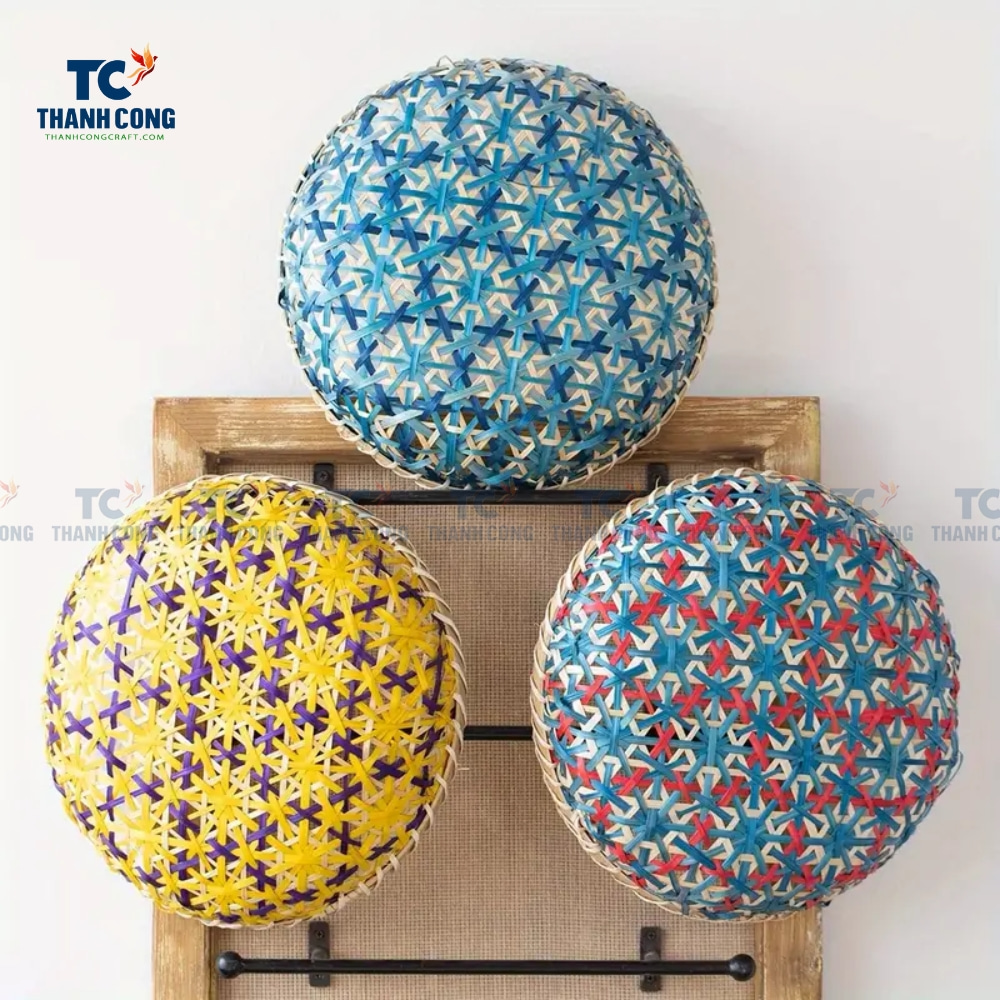
Bamboo products are highly customizable, yet many wholesalers fail to request branding, color variations, or size adjustments. By not exploring customization, businesses miss opportunities to differentiate themselves in competitive markets. Retailers often prefer exclusive product lines. By collaborating with suppliers for private labeling or unique weaving styles, wholesalers can secure stronger market positions.
Explore more: Vietnam Bamboo Crafts Leading the Global Export Market
5. Overlooking Sustainability and Ethical Practices
5.1 Not Verifying Eco-Certifications
The growing global demand for eco-friendly products means consumers want assurance of sustainability. However, many wholesalers forget to check certifications such as FSC (Forest Stewardship Council) or fair-trade compliance. Without proper documentation, brands risk accusations of greenwashing. Verified eco-certifications provide credibility and open access to premium markets that demand sustainable sourcing.
5.2 Forgetting Long-Term Brand Value
Wholesalers focused only on short-term profits often overlook how sustainability influences long-term brand growth. Businesses that invest in eco-friendly bamboo products not only meet market demand but also build stronger customer loyalty. Aligning with sustainable practices ensures resilience against changing consumer expectations and stricter government regulations.
You might also like: Creative Ideas for Styling Bamboo Lamps in Your Living Space
Reach out to us today to learn more about our products or to place a wholesale order. We look forward to connecting with you!
- Thanh Cong Handicraft Co., Ltd
- Email: [email protected]
- Tel/WhatsApp: +84967485411
Explore our Products Collection for more choices! Contact Us!


