

Top-Selling Vietnamese Handicrafts represent a booming segment of global trade, blending tradition with modern appeal. In recent years, handcrafted goods from Vietnam have not only captured the attention of retailers in the US, EU, Middle East, and Asia, but they have also gained popularity among eco-conscious buyers worldwide. Consequently, their influence continues to expand across multiple markets.
This article explores the bestselling categories in detail, explains why they dominate international markets, and provides insights for B2B buyers who are planning to source directly from Vietnamese manufacturers. Moreover, it highlights both opportunities and challenges that retailers face, ensuring that readers receive a complete overview of the industry.
Contents
1. Top-Selling Vietnamese Handicrafts and Global Demand
Top-Selling Vietnamese Handicrafts are admired for their unique blend of cultural heritage, skilled craftsmanship, and eco-friendly materials. Unlike mass-produced plastic or synthetic goods, these items carry artistic value while responding to rising global trends in sustainable living. Moreover, Vietnam’s competitive labor costs and established export infrastructure ensure that retailers receive both quality and affordability.
Retailers worldwide highlight one consistent challenge: they simply cannot keep these products in stock. Demand often surpasses supply, especially during peak shopping seasons like Christmas, Ramadan, or Lunar New Year. Consequently, wholesalers who fail to prepare in advance may miss valuable selling opportunities. For example, whether it is a rattan basket, lacquer tray, or mother-of-pearl inlaid furniture, the unique combination of practicality and artistry ensures rapid sales turnover.
Learn more about: How Many Units Should You Import on Your First Order?
2. Key Categories of Top-Selling Vietnamese Handicrafts
2.1 Rattan and Bamboo Baskets
Top-Selling Vietnamese Handicrafts often begin with rattan and bamboo baskets. These products are versatile for storage, home décor, and retail display. Furthermore, they attract eco-conscious consumers who prefer sustainable and biodegradable goods. In addition, large wholesalers frequently buy in bulk to meet growing demand in Europe and the US, particularly when promoting eco-friendly living.

2.2 Lacquerware and Decorative Art
Vietnamese lacquerware, ranging from bowls to vases and trays, continues to remain a timeless bestseller. Retailers appreciate not only the vibrant colors and durability but also the traditional artistry that appeals to gift buyers. Therefore, these items frequently serve as premium gifts and elevate store collections with an exotic, artistic touch.
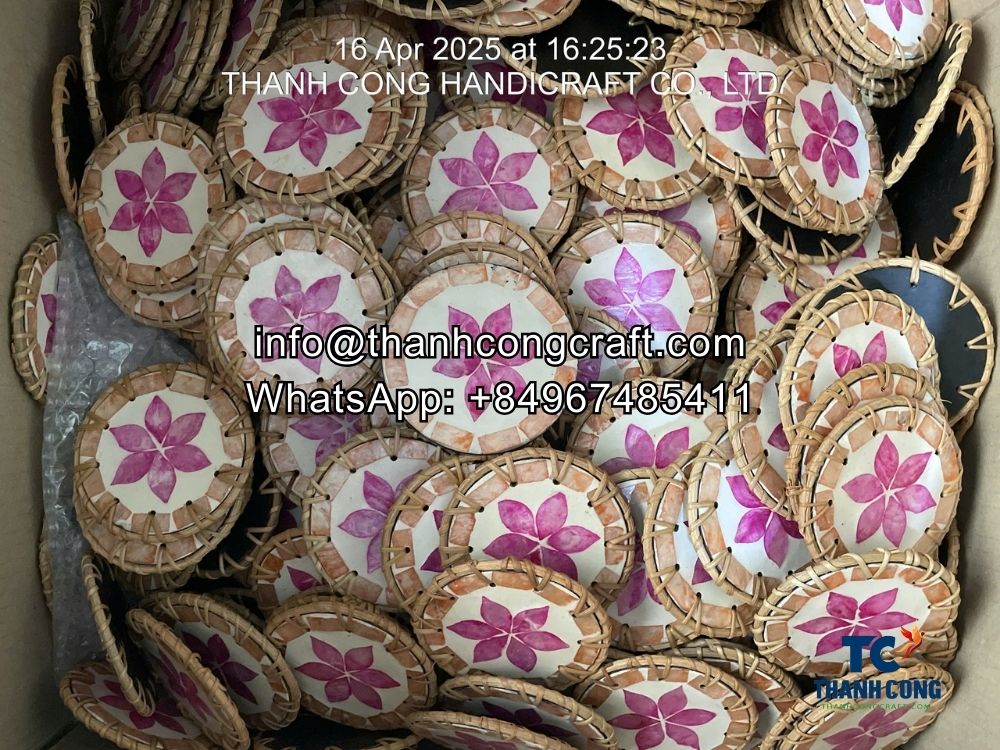
2.3 Mother of Pearl Inlaid Furniture
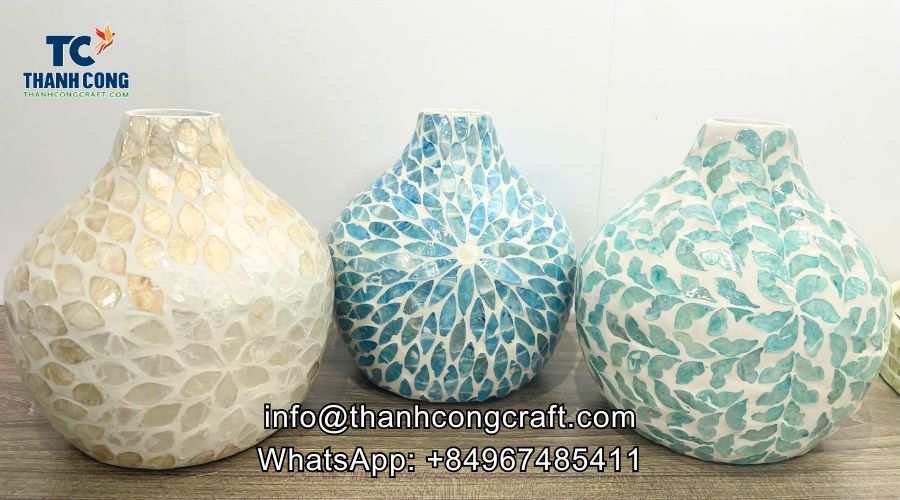
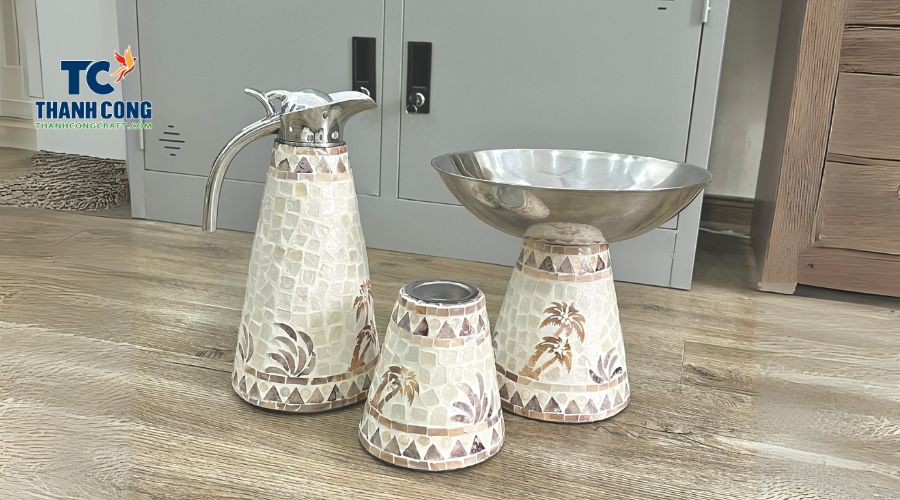
Mother-of-pearl inlay is another segment where Top-Selling Vietnamese Handicrafts excel. Chairs, tables, and decorative panels carry a luxurious appeal, making them popular in Middle Eastern and European markets. Consequently, retailers report strong sales in hospitality and high-end home décor sectors. Moreover, wholesalers who diversify into this product line often find higher margins compared to simpler items.
2.4 Seagrass and Water Hyacinth Products
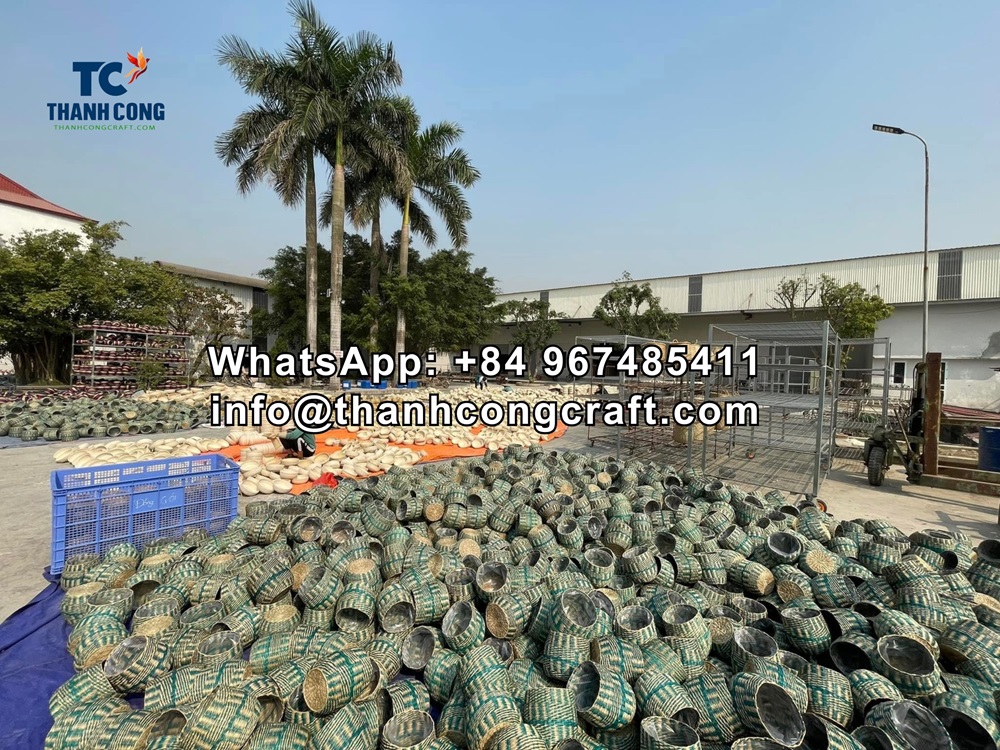
Eco-friendly lifestyles drive growing demand for baskets, rugs, and storage solutions made from seagrass and water hyacinth. These handicrafts combine rustic beauty with environmental sustainability, a combination that resonates with modern buyers. As a result, wholesalers frequently order large containers because seagrass baskets consistently sell out in retail stores.
3. Why Top-Selling Vietnamese Handicrafts Dominate
3.1 Strong Artisan Heritage
Generations of artisans ensure skill continuity. In villages like Bát Tràng for ceramics or Chuong Mỹ for bamboo, entire communities dedicate themselves to handicraft production. Therefore, this deep-rooted tradition guarantees consistent quality that global retailers trust.
3.2 Adaptability to Global Design Trends
Unlike mass-produced items, Vietnamese handicrafts adapt quickly to international design trends. Manufacturers frequently collaborate with overseas designers, offering custom patterns and tailored collections for retail markets. Consequently, products align with global lifestyle themes such as boho, minimalist, or eco-friendly interiors.
3.3 Competitive Pricing and Bulk Supply
Another reason Top-Selling Vietnamese Handicrafts succeed is cost efficiency. Vietnam maintains competitive pricing while still supporting large-scale production capacity. As a result, retailers can place container-sized orders without compromising quality. Moreover, this advantage allows businesses to balance affordability with unique artisanal value.
Discover our post: Wholesale Price vs Small Order: Truth Every Importer Must Know

4. The Challenges Retailers Face with Supply
4.1 Seasonal Surges
Peak demand often overwhelms production capacity. For example, orders before Christmas in Western markets or Eid in the Middle East can easily double. Therefore, retailers must plan purchases months in advance to avoid stock shortages.
4.2 Quality Control Expectations
Global buyers require strict quality checks. Although Vietnamese workshops excel in craftsmanship, ensuring standardized quality across thousands of items requires efficient management and trustworthy suppliers. Consequently, importers often seek partners with established quality-control systems to reduce risk.
4.3 Logistics and Lead Times
Even when Top-Selling Vietnamese Handicrafts are ready, logistics can create delays. Retailers face shipping lead times of 30–45 days depending on destination ports. Moreover, customs clearance and container shortages can extend timelines further. Reliable export partners are therefore crucial to avoid disruption.
5. How Retailers Can Secure Supply Consistently
5.1 Building Long-Term Supplier Partnerships
Establishing strong relationships with Vietnamese manufacturers ensures priority access during high-demand seasons. Therefore, retailers who commit to repeat orders gain an edge over one-time buyers. Moreover, long-term collaboration often results in better pricing and product customization.
5.2 Leveraging Direct Factory Sourcing
By sourcing directly from Vietnam, retailers bypass middlemen, reduce costs, and maintain better control over product design. Consequently, many exporters now provide sampling programs for B2B buyers, enabling them to test demand before placing large orders.

5.3 Diversifying Product Mix
Retailers should not only focus on baskets or lacquerware. Instead, adding variety with mother-of-pearl, ceramics, or eco-friendly water hyacinth ensures broader customer appeal and reduces stock-out risks. Therefore, diversification is a proven strategy for stable revenue growth.
5.4 Investing in Trend Forecasting
Retailers who study lifestyle trends—such as sustainable living or boho home décor—gain insight into which handicraft categories will dominate sales. As a result, they can order the right mix of top-selling items. Moreover, investing in forecasting tools reduces the likelihood of missed opportunities in fast-changing consumer markets.

Reach out to us today to learn more about our products or to place a wholesale order. We look forward to connecting with you!
- Thanh Cong Handicraft Co., Ltd
- Email: [email protected]
- Tel/WhatsApp: +84967485411
Explore our Products Collection for more choices! Contact Us!


